
Laser Cutting

Custom Laser Cutting Services

Laser-cut profiles, holes, slots, and panels for brackets, enclosures, and fabricated assemblies—from rapid prototypes to repeat production.

  • Aluminum, stainless steel & carbon steel
  • Complex profiles, holes, slots & cutouts
  • DFM for kerf, small features, HAZ & downstream bending
  • Bending, hardware, welding, finishing & inspection
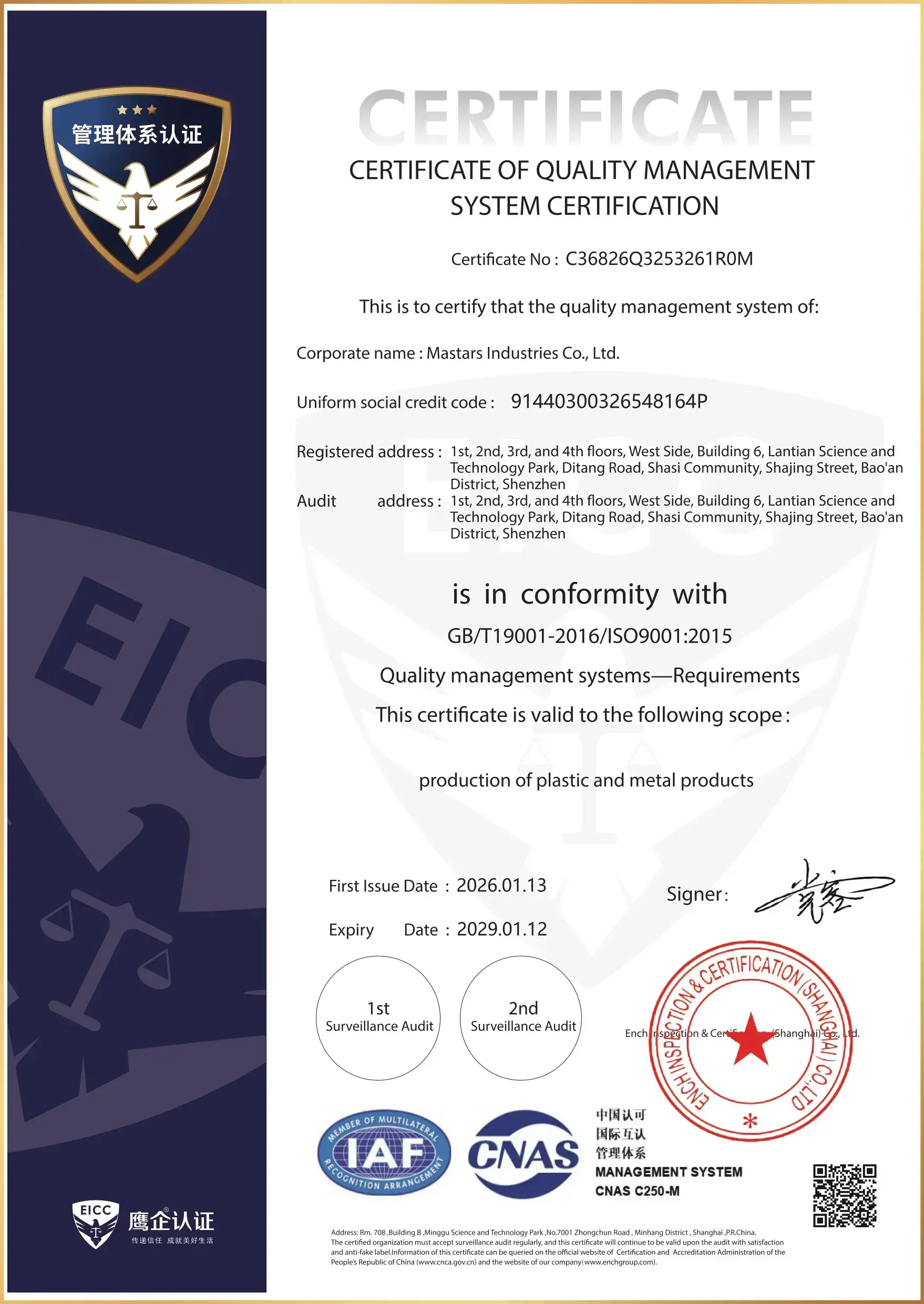
ISO 9001:2015 | ISO 13485:2016 | IATF 16949:2016

Custom Laser Cutting Services
48 Hours
Fast Delivery
±0.05 mm
Cutting Accuracy
100,000
Production Volume
100+
Engineering Professionals

Laser Cutting Capabilities

Complex 2D Profiles
Complex 2D Profiles
Cut brackets, panels, covers, plates, and enclosure blanks with custom external contours and internal profiles.
Get a Quote
Holes, Slots & Cutouts
Produce mounting holes, connector openings, slots, vents, and other internal features without dedicated cutting tooling.
Get a Quote
Perforation & Pattern Cutting
Create ventilation patterns, grille openings, and repeated cut features. Cut sequence and spacing help control heat buildup and sheet distortion.
Get a Quote
Fabrication-Ready Blanks
Prepare cut blanks for bending, hardware, welding, and assembly while maintaining critical hole and mating-feature locations.
Get a Quote

Is Sheet Metal Laser Cutting Right for Your Part?

Choose laser cutting when your part starts from flat sheet and requires complex profiles, holes, slots, cutouts, or frequent design changes without dedicated cutting tooling.
Process Best For Choose It When Key Consideration Bending / Forming
Laser Cutting Complex flat profiles, holes, slots, cutouts Flexible 2D geometry and fast design changes are the priority Kerf, HAZ, thickness, and edge quality affect results Creating 3D shape from flat blanks
Waterjet Cutting Thick or heat-sensitive flat materials Thermal effects around the cut edge must be minimized Cutting speed and edge taper vary with thickness None
Punching Repeated holes, perforations, louvers, standard features Feature repetition and production efficiency justify reusable tooling Feature geometry and spacing depend on tooling Sheet metals
Bending Brackets, channels, boxes, flanges Flat blanks need defined bends to create 3D geometry Bend radius, springback, and flange geometry matter Chassis, covers, frames
Forming Drawn, contoured, ribbed, or reinforced geometry Sheet needs deeper or localized 3D deformation Material flow, thinning, and tooling must be controlled
Welding Frames, chassis, enclosures, assemblies Multiple cut or formed components need permanent joining Heat input can affect distortion and final assembly geometry
Custom Laser-Cut Sheet Metal Parts & Assemblies

Custom Laser-Cut Sheet Metal Parts & Assemblies

Brackets, panels, mounting plates, covers, guards, chassis, enclosure components, and custom flat sheet parts.

Combine laser cutting with bending, hardware insertion, welding, finishing, assembly, and inspection under one project.

Materials for Sheet Metal Laser Cutting

Material grade, thickness, reflectivity, thermal conductivity, and surface condition affect cutting speed, kerf, edge quality, HAZ, and fine-feature capability.
Aluminum
Stainless Steel
Carbon & Galvanized Steel
Aluminum
Aluminum
Aluminum
Aluminum
Aluminum
Aluminum
Aluminum
Aluminum
Aluminum

Aluminum combines low weight, corrosion resistance, and high strength-to-weight performance for laser-cut enclosures, panels, brackets, and structural parts. Its high thermal conductivity and reflectivity require controlled cutting parameters, especially around small holes and narrow features.

Key Characteristics

Heat spreads quickly through aluminum, so thickness, alloy, focus, and cutting speed influence kerf, dross, and edge condition. Fine features and downstream bends should be reviewed

Common Grades

6061

5052

3003

2024

7075

Typical Applications

Aerospace components

Electronics enclosures

Robotics structures

Lightweight brackets

Industrial equipment

Available Finishes

Anodizing

Powder coating

Painting

Brushing

Polishing

Bead blasting

Stainless Steel
Stainless Steel
Stainless Steel
Stainless Steel
Stainless Steel
Stainless Steel
Stainless Steel
Stainless Steel
Stainless Steel

Stainless steel combines corrosion resistance, durability, cleanability, and a controlled metal appearance for laser-cut medical, food-processing, industrial, and enclosure components.

Key Characteristics

Thickness, assist gas, heat input, and cutting speed affect edge color, dross, HAZ, and dimensional consistency. Visible surfaces may require protection and post-cut finishing.

Common Grades

304

316 / 316L

430

17-4 PH

Typical Applications

Medical equipment

Food-processing equipment

Industrial machinery

Electrical enclosures

Corrosion-resistant panels

Available Finishes

Brushing

Polishing

Passivation

Electropolishing

Bead blasting

Powder coating

Carbon & Galvanized Steel

Carbon and galvanized steel provide strength, cost efficiency, and good laser-cutting productivity for structural and industrial sheet metal components.

Key Characteristics

Carbon steel generally cuts efficiently, while thickness, surface condition, assist gas, and scale affect edge quality and dross. Galvanized coatings require additional process control around the cut edge.

Common Grades

1018 Steel

A36 Steel

Cold-Rolled Steel

Galvanized Steel

Typical Applications

Machine frames

Industrial equipment

Brackets

Structural components

Fabricated assemblies

Available Finishes

Powder coating

Painting

Zinc plating

Black oxide

Galvanizing

Laser Cutting Surface Finishing & Post-Processing

Select post-processing around edge quality, corrosion protection, appearance, and downstream assembly requirements.
Process Suitable Materials Primary Purpose Laser-Cut Impact Typical Parts
Deburring & Edge Finishing Aluminum, steel, stainless Remove burrs, dross, and sharp edges Important around slots, holes, mating edges, and handled surfaces Brackets, panels, covers
Grinding Steel, stainless, aluminum Remove heavy edge residue or blend welded areas Excess grinding can alter critical edges and corners Frames, enclosures, weldments
Powder Coating Steel, aluminum Color and corrosion protection Cut edges and dross must be prepared for consistent coating adhesion Cabinets, housings, panels
Painting Steel, aluminum, stainless Flexible color and environmental protection Edge preparation affects final appearance and coating coverage Covers, panels, housings
Anodizing Aluminum Corrosion resistance and appearance Cut edges may show differently from original sheet surfaces Aluminum panels and enclosures
Brushing & Polishing Stainless, aluminum Cosmetic surface control Protect grain direction and visible surfaces during cutting and handling Visible panels, covers
Passivation Stainless steel Restore corrosion resistance Useful after cutting and downstream fabrication Medical and industrial parts
Plating Steel, copper alloys Corrosion or electrical performance Coating buildup can affect holes and mating features Electrical components
Silk Screening / Marking Finished sheet parts Identification and functional graphics Position relative to holes and cutouts should be defined from datums Control panels, equipment covers

Laser Cutting Tolerances & Limits

Use these values as starting references. Final capability depends on material, thickness, feature geometry, cut parameters, and edge-quality requirements. T = material thickness.
Metric Typical Reference Design Use Key Factor
Cutting Accuracy ±0.05 mm Suitable precision flat features Material, thickness, geometry, parameters
Sheet Thickness 0.1–12 mm General Mastars sheet-metal laser cutting Material and required edge quality
Typical Kerf ≈0.1–0.3 mm Slots, tabs, press fits, mating profiles Laser type, thickness, focus, assist gas
Minimum Hole Size ≥1×T Initial hole-size reference Material, thickness, edge-quality requirement
Fine Slots / Webs Project-Specific Thin walls and closely spaced features Heat buildup and sheet distortion
Critical Interfaces Drawing-Specific Drawing-Specific Kerf compensation and downstream processes
Inspection Capacity 15+ CMM Critical dimensional verification Drawing and FAI requirements
CMM Measurement Capability Down to 0.0017 mm Precision measurement Measurement capability, not cutting tolerance

Why Choose Mastars for Sheet Metal Laser Cutting?

Quality Systems
ISO 9001, ISO 13485, and IATF 16949 systems support controlled inspection and documentation. FAI and CMM verify critical holes, datums, tabs, and mating features against drawing requirements.
Engineering & Project Support
100+ engineers coordinate cut strategy, nesting, drawing revisions, and downstream bending, welding, and assembly so critical features stay aligned through production.
Manufacturing Experience
Backed by 20+ years of manufacturing experience, Mastars supports laser-cut sheet metal parts from prototype validation through repeat production and engineering changes.
Flexible Capacity
Supported by 5+ production bases, Mastars supports prototype cutting, pilot builds, changing volumes, and repeat sheet metal production as project demand develops.
Laser Cutting DFM Review
Review kerf compensation, hole and slot size, narrow webs, internal corners, feature spacing, and cut sequence to control accuracy, heat buildup, and flatness.
Integrated Manufacturing
Coordinate laser cutting, bending, hardware insertion, welding, finishing, inspection, and assembly through one manufacturing partner instead of managing multiple suppliers.

Certifications

ISO 9001:2015

ISO 9001:2015

IATF 16949:2016
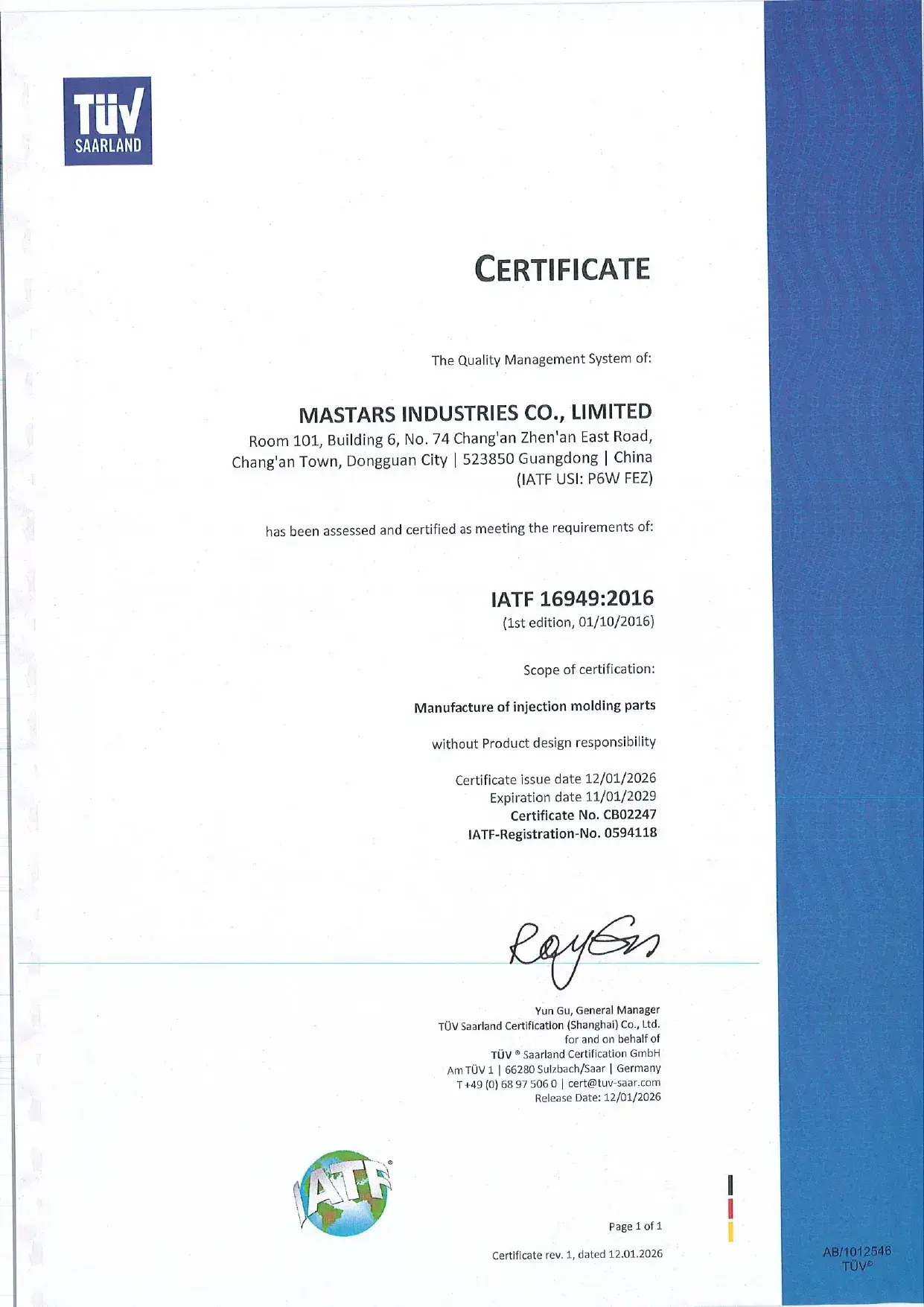
IATF 16949:2016
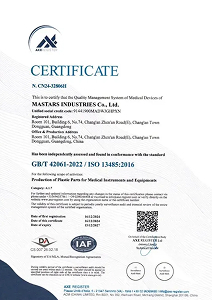
ISO 13485:2016
ISO 13485:2016
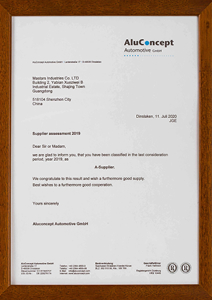
Medical A-Class Supplier

Medical A-Class Supplier

Partners

445 Projects
xylem
Bentley
Aston Martin
HARMAN
Annabella
Auer Lighting
NVIDIA
Compac
G4S
hs products
luxshareict
KK
Bioness
SGM
Nmble
Lear
LLEN&HEAT
belkin
DaAn Gene
MAGNA
pdd
Flite
simens
philips
maxwell
Land Rover

How to Work with Us

Share Your Project

Send a CAD file, drawing, or brief. Start with what you have.

Engineering Review & Quote

We review your requirements and confirm the process, price, and lead time.

We Make Your Parts

Once approved, we prepare the process and manufacture your parts.

Inspection & Delivery

We inspect, pack, and ship your finished parts.

What Our Customers Say

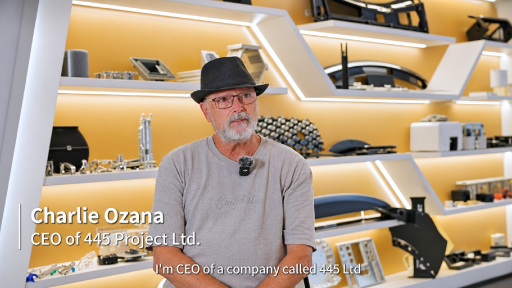
Charlie Ozana

Charlie Ozana

Company: 445 LTDJob Title: CEOBusiness: Full turnkey company
Mastars in all my projects are partners. So I get all the support that I need from engineering management, pricing, timetable, QA, everything is as a partner, not as a supplier. For me, Masters is like home.
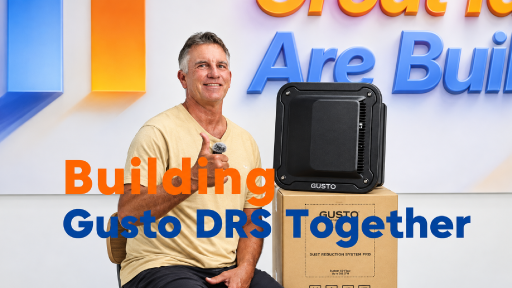
Nathan Johnson

Nathan Johnson

Company: Gusto Global IndustriesJob Title: DirectorBusiness: Dust reduction system
They were such a lovely company to deal with, and we couldn't be more happier even to today down the track with even more products moving forward. Very professional, easy to deal with, get back to you straight away, contact is easy through WeChat and email, move forward as quickly as you can.
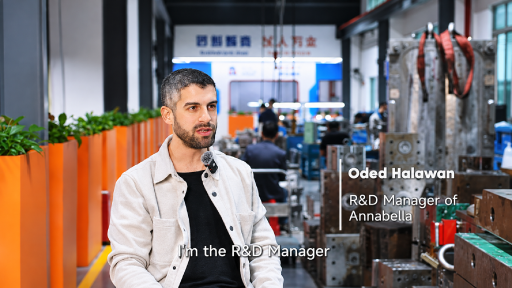
Oded Halawani

Oded Halawani

Company: Annabella Tech IsraelJob Title: R&D managerBusiness: Breast pump
We managed to make it in a very short time warm prototyping to mass production and FDA approval. That makes me feel confidence to choose Mastars.
Jade Harris

Jade Harris

Company: Buddy SystemJob Title: Co-founderBusiness: Wireless instant safety alert device
We're glad that we found a company like Mastars to make the product for us because it's been so good to deal with. They're a really good company.
Dror Harel

Dror Harel

Company: BlonessJob Title: General ManagerBusiness: L300, H200
I think the relationship between the buyers and definitely between me the Mastars it's like a family relationship and this is why we are so happy to produce in Mastars and this is why we came for 15 years. By the way, now we came with a new product that we come to Master to produce for the new year.

Sheet Metal Laser Cutting Service FAQs

  • What is sheet metal laser cutting?

    Sheet metal laser cutting uses a focused laser beam to cut profiles, holes, slots, and internal features from flat metal sheet. It is well suited to custom parts that need flexible geometry without dedicated cutting dies.

  • What materials can you laser cut?

    Mastars commonly supports aluminum, stainless steel, carbon steel, and galvanized steel. Copper, brass, or other reflective materials may require additional review based on thickness, laser parameters, and required edge quality.

  • What sheet thicknesses can you laser cut?

    Mastars typically supports 0.1–12 mm sheet for common laser-cutting projects. Actual limits depend on material, part size, feature geometry, and required edge quality.

  • How accurate is laser cutting?

    Cutting accuracy can reach ±0.05 mm for suitable sheet-metal features. Actual tolerance depends on material, thickness, part geometry, heat input, kerf compensation, and inspection requirements.

  • What is laser kerf?

    Kerf is the width of material removed by the laser beam. A typical reference range is approximately 0.1–0.3 mm, depending on material, thickness, laser source, focus, power, assist gas, and cutting speed.

  • What is the minimum hole size for laser cutting?

    A useful starting reference is a hole diameter of approximately 1× material thickness or larger. Smaller holes may be possible, but edge quality and dimensional accuracy become more sensitive to material and cutting conditions.

  • Does laser cutting create a heat-affected zone?

    Yes. The laser introduces localized heat around the cut edge. HAZ depends on material, thickness, laser type, cutting speed, power, and assist gas. Critical thermal requirements may make waterjet cutting more suitable.

  • When should I choose laser cutting instead of waterjet?

    Choose laser cutting for fast, precise thin-to-medium sheet cutting and complex 2D geometry. Waterjet is useful for thicker or heat-sensitive materials where avoiding HAZ is important.

  • When should I choose laser cutting instead of punching?

    Laser cutting suits complex profiles, frequent design changes, and tool-free production. Punching becomes efficient for dense repeated holes, standard features, louvers, and higher quantities where reusable tooling provides a production advantage.

  • Do you support prototypes and production laser cutting?

    Yes. Prototype work validates profile geometry, hole locations, fit, and downstream assembly. Production adds controlled nesting, validated cut parameters, inspection planning, revision control, and repeatability across orders.

  • How fast can laser-cut sheet metal parts be delivered?

    Suitable sheet-metal prototype projects can be delivered in as fast as 48 hours. Material availability, quantity, tight tolerances, bending, welding, finishing, assembly, and inspection can extend the schedule.

  • How much does laser cutting cost?

    Cost depends on material, thickness, total cut length, feature density, sheet utilization, quantity, tolerance, edge requirements, and secondary operations. Efficient nesting and repeat production can reduce material waste and unit cost.

  • What information do you need for a laser cutting quote?

    A DXF or DWG flat pattern is ideal for laser cutting. STEP or other 3D CAD files are also fine when the part includes bending or downstream fabrication. Add material, thickness, quantity, critical dimensions, finish, and any secondary operations. Rough information is fine for an initial review.

Tell Us About Your Project

Share your project details and files with us. Rough information is fine to start. Our engineering consultant will contact you within 24 hours.

Verification code