
Selective Laser Sintering (SLS)

Selective Laser Sintering (SLS)
Custom SLS 3D Printing Services

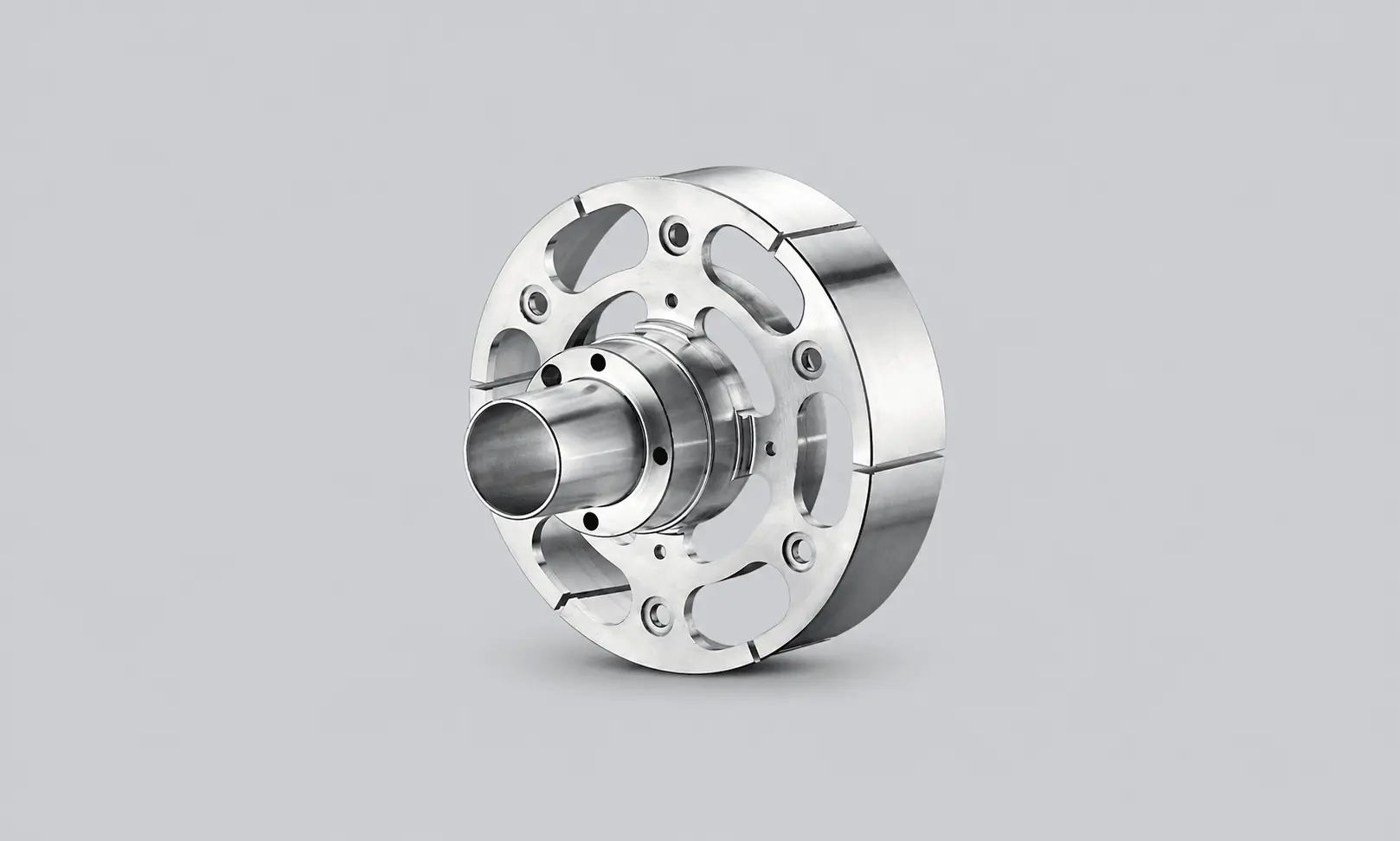
Support-free selective laser sintering (SLS) 3D printing for durable nylon and TPU parts used in functional testing, complex assemblies, and low-volume production.

  • PA11, PA12, filled nylon & flexible TPU
  • Snap fits, housings, moving assemblies & functional parts
  • Complex internal geometry without dedicated support structures
  • Bead blasting, dyeing, vapor smoothing & secondary machining
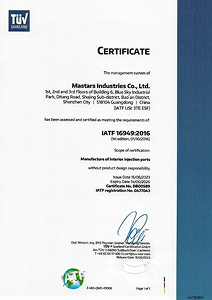
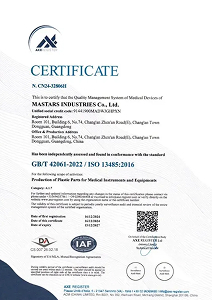
ISO 9001:2015 | ISO 13485:2016 | IATF 16949:2016

Custom SLS 3D Printing Services
0.12 mm
Typical Layer
≥0.76 mm
Minimum Feature
3 Days
Fast Delivery
1 Piece
No MOQ

SLS 3D Printing Capabilities

Functional Nylon & TPU Parts
Produce durable nylon and flexible TPU parts for functional testing, repeated handling, assembly checks, and end-use applications.
Get a Quote
Complex Support-Free Geometry
Build internal channels, enclosed features, curved structures, and complex geometries without dedicated support structures.
Get a Quote
Snap Fits & Moving Features
Produce clips, snap fits, living hinges, moving assemblies, and flexible features using materials selected for toughness and repeated movement.
Get a Quote
Nested Low-Volume Builds
Produce multiple parts or design variants within the powder bed without tooling, supporting prototypes, customized parts, and low-volume production.
Get a Quote
Why Choose SLS 3D Printing?

Why Choose SLS 3D Printing?

Choose SLS when durable thermoplastic parts, complex geometry, moving features, and tool-free low-volume production matter more than cosmetic surface smoothness. Standard SLS surfaces are rougher than SLA, and tight interfaces may require secondary machining or another manufacturing process.

Ideal Applications:

• Functional prototypes & assembly parts

• Snap fits, clips & moving assemblies

• Housings, ducts, jigs & fixtures

• Low-volume functional parts

Custom SLS 3D Printing Services

Custom SLS 3D Printing Services

Custom SLS projects are reviewed around wall thickness, large flat surfaces, enclosed volumes, powder escape, moving clearances, snap features, build orientation, and finishing requirements.

For hollow parts and internal channels, powder must have a practical escape path. For broad or uneven sections, geometry and orientation are reviewed to reduce warpage and flatness variation.

SLS 3D Printing Materials

Choose SLS material based on toughness, stiffness, flexibility, heat resistance, dimensional stability, and how the final part will be tested or used.
PA12 Nylon
PA11 Nylon
Glass-Filled Nylon
Carbon Fiber Filled Nylon
Flexible TPU
Mineral-Filled / High-Temperature Nylon
PA12 Nylon
PA12 Nylon
PA12 Nylon
PA12 Nylon
PA12 Nylon
PA12 Nylon
PA12 Nylon
PA12 Nylon
PA12 Nylon

PA12 is a general-purpose SLS material with balanced strength, stiffness, dimensional stability, and chemical resistance. Selected grades have tensile strength around 50 MPa.

Key Characteristics

• Balanced strength & stiffness

• Good dimensional stability

• Low moisture absorption

• Suitable for complex functional geometry

Recommended For functional parts requiring balanced mechanical performance and dimensional stability.

Typical Applications

Functional Prototypes

Housings

Mechanical Components

Low-Volume Parts

PA11 Nylon
PA11 Nylon
PA11 Nylon
PA11 Nylon
PA11 Nylon
PA11 Nylon
PA11 Nylon
PA11 Nylon
PA11 Nylon

PA11 provides greater ductility and impact resistance than typical PA12 grades, making it useful for repeated movement and flexible functional features. Selected grades offer elongation around 30–45%.

Key Characteristics

• Higher elongation than PA12

• Good impact resistance

• Suitable for repeated movement

• Better suited to snap and hinge features

Recommended For parts requiring toughness, repeated flexing, or impact resistance.

Typical Applications

Snap Fits

Living Hinges

Wearable Components

Moving Assemblies

Glass-Filled Nylon
Glass-Filled Nylon
Glass-Filled Nylon
Glass-Filled Nylon
Glass-Filled Nylon
Glass-Filled Nylon
Glass-Filled Nylon
Glass-Filled Nylon
Glass-Filled Nylon

Glass-filled PA12 increases stiffness and dimensional stability compared with unfilled nylon. Selected 40% glass-filled grades can reach tensile modulus around 3.6 GPa.

Key Characteristics

• Higher stiffness

• Improved dimensional stability

• Good wear resistance

• Lower flexibility than unfilled nylon

Recommended For rigid structural parts where stiffness matters more than flexibility.

Typical Applications

Fixtures & Jigs

Rigid Housings

Structural Components

Industrial Parts

Carbon Fiber Filled Nylon

Carbon-filled nylon provides high stiffness, reduced warpage, and lightweight structural performance for demanding functional parts. Selected grades can also provide heat resistance or ESD-dissipative behavior.

Key Characteristics

• High stiffness-to-weight ratio

• Reduced warpage

• Improved dimensional stability

• Specialty ESD grades available

Recommended For lightweight structural parts requiring higher rigidity and dimensional control.

Typical Applications

Structural Components

Industrial Fixtures

Under-Hood Components

Lightweight Functional Parts

Flexible TPU
Flexible TPU
Flexible TPU
Flexible TPU
Flexible TPU
Flexible TPU
Flexible TPU
Flexible TPU
Flexible TPU

SLS TPU provides elastomeric behavior for parts that bend, compress, or deform repeatedly. Typical SLS TPU grades range around Shore 70A–88A with elongation of approximately 210–250%.

Key Characteristics

• High elongation

• Elastic deformation

• Impact & abrasion resistance

• Suitable for dynamic loading

Recommended For flexible components requiring repeated deformation or impact absorption.

Typical Applications

Seals & Gaskets

Protective Covers

Flexible Components

Wearable Products

Mineral-Filled / High-Temperature Nylon

Mineral-filled PA12 provides higher stiffness and heat resistance for applications where standard nylon may soften or deform. Selected grades can reach HDT values up to approximately 184°C.

Key Characteristics

• Higher heat resistance

• Increased stiffness

• Good dimensional stability

• Lower ductility than unfilled nylon

Recommended For rigid functional parts exposed to elevated temperatures.

Typical Applications

Heat-Exposed Components

Industrial Housings

Fixtures

Engineering Validation

SLS 3D Printing Surface Finishing & Post-Processing

Standard SLS parts have a matte, slightly grainy surface. Finishing can improve appearance, sealing, color, and critical features, but secondary processes may also affect dimensions.
Finishing Option Typical Appearance / Performance Suitable SLS Materials Engineering Consideration
Powder Removal & Bead Blasting Removes loose powder and leaves a uniform matte SLS surface. PA11, PA12, Filled Nylon Internal cavities must remain accessible for complete depowdering.
Dyeing / Coloring Adds color without a thick surface coating. PA11, PA12 Dye penetrates the surface rather than building a thick paint layer.
Vapor Smoothing Reduces surface texture and creates a smoother, more sealed surface. Selected Nylon Grades Review tight fits, edges, holes, and sealing surfaces before smoothing.
Media Tumbling Reduces visible build texture and creates a more uniform surface. PA11, PA12 Can soften sharp edges and small details.
Painting Adds specified color and production-like cosmetic appearance. Nylon-Based Materials Paint thickness should be considered on mating surfaces and tight interfaces.
Nickel Plating Adds a metallic coating for greater stiffness, wear resistance, and durability. Selected Nylon Grades Typical coating thickness around 0.10–0.15 mm can affect holes, threads, and fits.
Machining & Secondary Operations Adds controlled holes, threads, inserts, or tighter local dimensions. Nylon-Based Materials Useful where printed tolerance alone is insufficient for critical interfaces.

SLS 3D Printing Tolerances & Design Guidelines

SLS accuracy depends on material, geometry, build orientation, thermal behavior, and post-processing. Large flat surfaces, thick sections, and uneven walls require additional attention to warpage and flatness.
Specification Typical SLS Guideline Engineering Consideration
Typical Layer Height 0.12 mm Layer height affects detail, surface texture, and build time.
PA12 General Tolerance ±0.38 mm or ±0.2% of nominal dimension, whichever is greater Large, broad, or uneven sections may show greater dimensional variation.
PA11 General Tolerance ±0.51 mm or ±0.3% of nominal dimension, whichever is greater More flexible materials may require additional allowance on critical interfaces.
Minimum Feature Size ≥0.76 mm Small features depend on geometry, orientation, and surrounding powder clearance.
Wall Thickness Project-specific Larger, load-bearing, or unsupported walls may require greater thickness than small features.
Large Flat Surfaces Warpage review required Broad flat sections are more sensitive to thermal stress and flatness variation.
Hollow / Enclosed Geometry Powder escape required Internal cavities need sufficient access for depowdering after the build.
Assembly Features Clearance review required Snap fits, moving parts, holes, and mating surfaces should be reviewed before printing.

SLS 3D Printing Equipment

Zeiss CONTURA G2 CMM

Zeiss CONTURA G2 CMM

Mitutoyo CRYSTA-Apex V 544 CMM

Mitutoyo CRYSTA-Apex V 544 CMM

Rational VMS-3020G CMM

Rational VMS-3020G CMM

Why Choose Mastars for SLS 3D Printing?

Quality Systems
ISO 9001, ISO 13485, and IATF 16949 systems support controlled inspection and documentation. Dimensional checks, optical measurement, and project-specific verification confirm critical features and assembly interfaces.
Engineering & Project Support
100+ engineers help select PA11, PA12, filled nylon, or TPU based on stiffness, toughness, flexibility, thermal exposure, and functional testing requirements.
Manufacturing Experience
Backed by 20+ years of manufacturing experience, Mastars supports SLS prototypes from material selection and validation through low-volume production transition.
Flexible Capacity
Starting from one-piece prototypes, SLS supports functional prototypes, customized variants, bridge builds, and low-volume parts without production tooling.
SLS DFM Review
Review wall thickness, powder escape, enclosed geometry, moving clearances, flat surfaces, and finishing requirements before printing.
Integrated Manufacturing
When tighter tolerances, smoother cosmetic surfaces, production materials, or higher volumes are required, transition into CNC machining, tooling, injection molding, finishing, and assembly.

Certifications

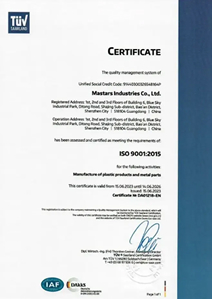
ISO9001:2015 Certificate

ISO9001:2015 Certificate

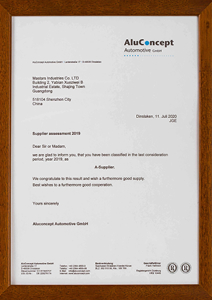
IATF16949:2016 Certificate
IATF16949:2016 Certificate

ISO13485:2016 Certificate

ISO13485:2016 Certificate

Medical A-Class Supplier

Medical A-Class Supplier

Partners

445 Projects
xylem
Bentley
Aston Martin
HARMAN
Annabella
Auer Lighting
NVIDIA
Compac
G4S
hs products
luxshareict
KK
Bioness
SGM
Nmble
Lear
LLEN&HEAT
belkin
DaAn Gene
MAGNA
pdd
Flite
simens
philips
maxwell
Land Rover

How to Work with Us

Share Your Project

Send a CAD file, drawing, or brief. Start with what you have.

Engineering Review & Quote

We review your requirements and confirm the process, price, and lead time.

We Make Your Parts

Once approved, we prepare the process and manufacture your parts.

Inspection & Delivery

We inspect, pack, and ship your finished parts.

What Our Customers Say

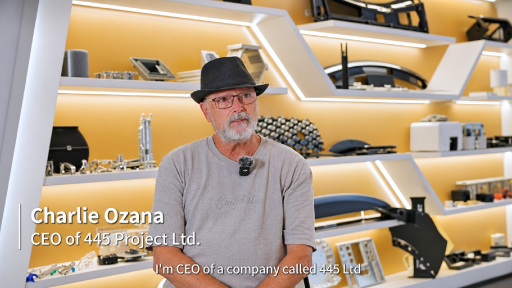
Charlie Ozana

Charlie Ozana

Company: 445 LTDJob Title: CEOBusiness: Full turnkey company
Mastars in all my projects are partners. So I get all the support that I need from engineering management, pricing, timetable, QA, everything is as a partner, not as a supplier. For me, Masters is like home.
Nathan Johnson

Nathan Johnson

Company: Gusto Global IndustriesJob Title: DirectorBusiness: Dust reduction system
They were such a lovely company to deal with, and we couldn't be more happier even to today down the track with even more products moving forward. Very professional, easy to deal with, get back to you straight away, contact is easy through WeChat and email, move forward as quickly as you can.
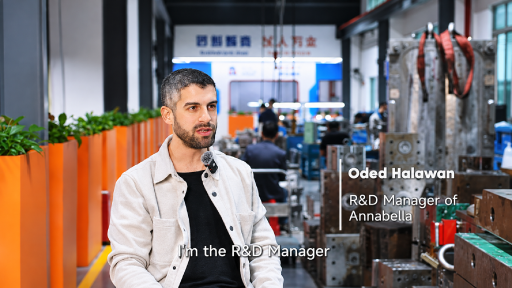
Oded Halawani

Oded Halawani

Company: Annabella Tech IsraelJob Title: R&D managerBusiness: Breast pump
We managed to make it in a very short time warm prototyping to mass production and FDA approval. That makes me feel confidence to choose Mastars.
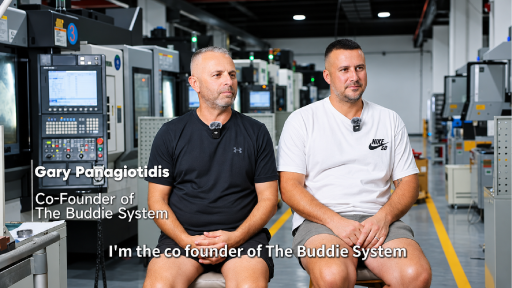
Jade Harris

Jade Harris

Company: Buddy SystemJob Title: Co-founderBusiness: Wireless instant safety alert device
We're glad that we found a company like Mastars to make the product for us because it's been so good to deal with. They're a really good company.
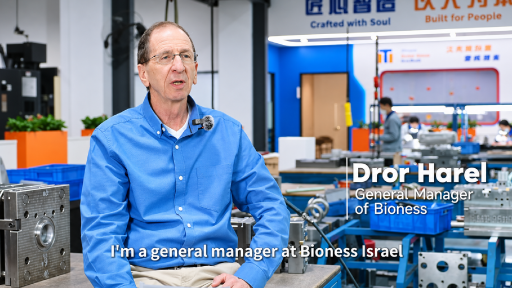
Dror Harel

Dror Harel

Company: BlonessJob Title: General ManagerBusiness: L300, H200
I think the relationship between the buyers and definitely between me the Mastars it's like a family relationship and this is why we are so happy to produce in Mastars and this is why we came for 15 years. By the way, now we came with a new product that we come to Master to produce for the new year.

SLS 3D Printing Service FAQs

  • What is SLS 3D printing and why does it not need supports?

    SLS (Selective Laser Sintering) uses a laser to fuse polymer powder layer by layer. The surrounding loose powder supports the part during printing, so dedicated support structures are normally unnecessary. This makes SLS well suited to internal features, moving assemblies, nested parts, and complex geometry.

  • What materials are available for SLS printing?

    We support PA12, PA11, glass-filled nylon, carbon-filled nylon, flexible TPU, and specialty high-temperature grades. Material selection depends on whether the part needs stiffness, toughness, flexibility, impact resistance, dimensional stability, or elevated-temperature performance.

  • Are SLS printed parts strong enough for functional testing?

    Yes. SLS nylon is widely used for functional prototypes, snap fits, housings, jigs, fixtures, and low-volume parts. However, SLS nylon is not automatically equivalent to injection-molded nylon in density, surface condition, moisture behavior, fatigue, isotropy, or long-term dimensional performance.

  • What tolerances can SLS achieve?

    It depends on the material. A useful reference for PA12 is ±0.38 mm or ±0.2% of nominal dimension, whichever is greater; PA11 is typically around ±0.51 mm or ±0.3%. Large flat surfaces, thick sections, uneven walls, and finishing can increase dimensional variation.

  • What is the minimum feature size for SLS?

    Around 0.76 mm is a practical reference for minimum features, but wall thickness should be evaluated separately based on part size, loading, and material. Small holes, narrow gaps, moving features, and enclosed cavities also need enough clearance for powder removal.
  • What surface finishing options are available for SLS parts?

    Standard SLS parts have a matte, slightly grainy texture. Bead blasting, dyeing, vapor smoothing, tumbling, painting, plating, and secondary machining can improve appearance or functional surfaces. Tight fits and critical interfaces should be identified before finishing because some processes change dimensions.

  • Is SLS suitable for low-volume production?

    Yes. SLS is especially useful when tooling cost is not justified and parts can be nested efficiently in the build. It works well for bridge production, customized variants, jigs, fixtures, and low-volume functional parts when the SLS material and tolerance meet the final-use requirements.

  • How does SLS compare with SLA, MJF, FDM, or CNC machining?

    SLS is usually chosen for durable nylon parts and support-free complex geometry. SLA provides smoother surfaces and finer cosmetic detail, MJF is often attractive for higher-throughput nylon production, FDM suits lower-cost concept parts, and CNC is better for tight precision and real stock-material validation.

  • What files do you need for an SLS quote?

    A 3D CAD file is enough to start. Add material, quantity, and a 2D drawing when critical dimensions, GD&T, mating interfaces, threads, surface finish, or inspection requirements must be controlled. Rough project information is fine for an initial review.

  • What affects the cost of SLS 3D printed parts?

    Part size, build height, material, quantity, packing efficiency, finishing, and secondary machining all affect SLS cost. Because multiple parts can be nested in one powder bed, unit cost usually improves when build space is used efficiently. Large tall parts or extensive finishing can increase cost even when part volume is relatively low.

  • Will powder remain inside hollow SLS parts?

    It can if the design does not provide sufficient access. Hollow sections and internal channels should include practical powder-escape paths so unsintered material can be removed after printing. Completely enclosed cavities may trap powder permanently.

  • How fast can SLS parts be delivered?

    Suitable SLS projects can be delivered in as fast as 3 days. Lead time depends on material, build size, quantity, cooling time, finishing, secondary machining, and inspection requirements.

Tell Us About Your Project

Share your project details and files with us. Rough information is fine to start. Our engineering consultant will contact you within 24 hours.

Verification code