

Production

Sheet Metal Production Services

Move validated sheet metal designs into stable repeat production with controlled revisions, inspection, and flexible batch delivery.

  • Flexible batch sizes, repeat orders & staged delivery
  • Production DFM, revision & process validation
  • FAI, CMM & in-process quality control
  • Cutting, bending, welding, finishing & assembly
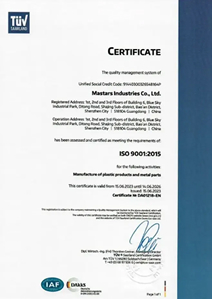
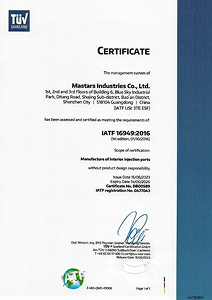
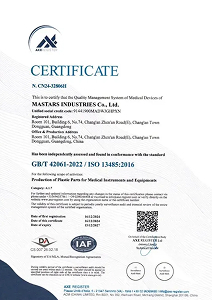
ISO 9001:2015 | ISO 13485:2016 | IATF 16949:2016

Sheet Metal Production Services
100,000
Production Volume
0 MOQ
Flexible Manufacturing
15+ CMM
Inspection Capacity
5+
Global Production Bases

Sheet Metal Production Processes

Laser Cutting
Laser Cutting
Tool-free production for mixed part numbers, complex profiles, and changing batch demand. Controlled nesting and cut parameters support repeat orders without dedicated cutting dies.
Get a Quote
Forming
Forming
Produce recurring three-dimensional contours, offsets, ribs, and formed features where stable geometry and tooling justify repeat manufacturing.
Get a Quote
Bending
Bending
Produce brackets, channels, chassis, and enclosures with controlled bend programs, tooling, backgauge settings, and springback compensation.
Get a Quote
Punching
Punching
Efficiently produce repeated holes, slots, louvers, and standard features when recurring quantities justify reusable punch tooling.
Get a Quote
Waterjet Cutting
Waterjet Cutting
Cut thicker or heat-sensitive materials without thermal HAZ when material behavior and section thickness matter more than cutting speed.
Get a Quote
Welding
Welding
Build repeat sheet metal assemblies with controlled fit-up, fixtures, weld sequence, and inspection to manage distortion and assembly variation.
Get a Quote

Sheet Metal Production Process Selection Guide

Choose the production route around geometry, feature repetition, tooling economics, material behavior, and expected production volume. The values below are practical starting references; final capability depends on material, thickness, tooling, geometry, and the approved drawing. T = material thickness.
Process Production Strength Typical Reference Key Production Consideration
Laser Cutting Mixed part numbers, complex profiles, flexible low–medium volume ±0.05 mm for suitable features; sheet thickness 0.1–12 mm No hard tooling, but long cut paths and dense features increase cycle time and cost
Forming Recurring three-dimensional shapes and integrated formed features Forming depth, radius and material behavior are project-specific Tooling investment and repeatability become more important as geometry becomes complex
Bending Brackets, flanges, channels, chassis and enclosures across repeat batches Typical bend-angle tolerance ±1° Springback, tooling, bend sequence and setup affect batch consistency
Punching Repeated holes, slots, louvers and standard features Starting reference: minimum hole ≥1.2×T; spacing ≥1.5×T Efficient at recurring volume, but tooling limits geometry changes
Waterjet Cutting Thick, heat-sensitive or specialty materials No thermal HAZ Slower cutting and edge taper can affect cost and secondary-machining needs
Welding Frames, housings and multi-part assemblies Joint fit-up, fixture and weld sequence are drawing-specific Heat input and fixture strategy affect distortion and repeatability
How We Manage Sheet Metal Production

How We Manage Sheet Metal Production

1. Production Release & Revision Control

Confirm the approved CAD, drawing revision, material, finish, hardware, critical dimensions, manufacturing route, and inspection requirements before production release.

2. Production Planning & Supply

Coordinate material readiness, production scheduling, secondary processes, batch quantities, and delivery requirements so manufacturing and supply stay aligned with the order plan.

3. Quality Control Through Production

Verify initial production parts when required, then use in-process and final inspection to control variation across the batch. FAI, IPQC, FQC, and CMM inspection are applied according to drawing and project requirements.

Sheet Metal Production for Repeatable Manufacturing

Sheet Metal Production for Repeatable Manufacturing

Sheet metal production turns validated designs into repeatable parts and assemblies with controlled revisions, stable manufacturing processes, inspection, and planned batch delivery. Mastars establishes the manufacturing route, critical dimensions, quality requirements, and delivery plan around the approved design.

Production typically follows prototype and design validation, where fit, function, material, and assembly risks have already been addressed. If the design still needs validation, Mastars can also support the prototype stage before production requirements are finalized.

Low-Volume Sheet Metal Production

Low-Volume Sheet Metal Production

Low-volume sheet metal production suits pilot builds, bridge production, product launches, uncertain demand, and recurring orders that do not yet justify high-volume tooling. Flexible batch sizes and staged deliveries help procurement teams match supply to actual demand, reduce inventory and cash tied up in stock, and maintain flexibility before volumes stabilize.

Why Choose Mastars for Sheet Metal Production?

Quality Systems
ISO 9001, ISO 13485, and IATF 16949 systems support controlled production and inspection. FAI, in-process, final inspection, and CMM verify critical features and batch consistency.
Engineering & Project Support
100+ engineers coordinate approved drawings, process changes, inspection criteria, and production planning across recurring sheet metal orders.
Manufacturing Experience
Backed by 20+ years of sheet metal manufacturing experience across cutting, punching, bending, forming, and welding, Mastars supports pilot builds through repeat production.
Flexible Capacity
With 5+ production bases, Mastars supports orders from 1 to 100,000+ units, including pilot builds, recurring batches, and staged deliveries as demand changes.
Sheet Metal Production DFM Review
Review flat patterns, bend sequence, hole-to-bend relationships, springback, weld distortion, and tolerance stack-up before production to control repeatability and rework.
Integrated Manufacturing
Coordinate cutting, punching, bending, forming, welding, finishing, assembly, and inspection through one manufacturing partner, so your team does not need to manage separate suppliers.

Certifications

ISO9001:2015 Certificate

ISO9001:2015 Certificate

IATF16949:2016 Certificate
IATF16949:2016 Certificate

ISO13485:2016 Certificate

ISO13485:2016 Certificate

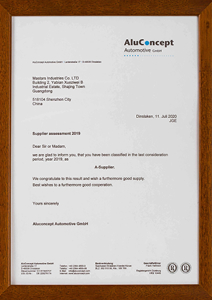
Medical A-Class Supplier

Medical A-Class Supplier

Partners

445 Projects
xylem
Bentley
Aston Martin
HARMAN
Annabella
Auer Lighting
NVIDIA
Compac
G4S
hs products
luxshareict
KK
Bioness
SGM
Nmble
Lear
LLEN&HEAT
belkin
DaAn Gene
MAGNA
pdd
Flite
simens
philips
maxwell
Land Rover

How to Work with Us

Share Your Project

Send a CAD file, drawing, or brief. Start with what you have.

Engineering Review & Quote

We review your requirements and confirm the process, price, and lead time.

We Make Your Parts

Once approved, we prepare the process and manufacture your parts.

Inspection & Delivery

We inspect, pack, and ship your finished parts.

What Our Customers Say

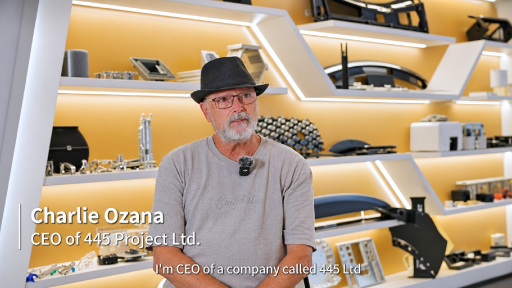
Charlie Ozana

Charlie Ozana

Company: 445 LTDJob Title: CEOBusiness: Full turnkey company
Mastars in all my projects are partners. So I get all the support that I need from engineering management, pricing, timetable, QA, everything is as a partner, not as a supplier. For me, Masters is like home.
Nathan Johnson

Nathan Johnson

Company: Gusto Global IndustriesJob Title: DirectorBusiness: Dust reduction system
They were such a lovely company to deal with, and we couldn't be more happier even to today down the track with even more products moving forward. Very professional, easy to deal with, get back to you straight away, contact is easy through WeChat and email, move forward as quickly as you can.
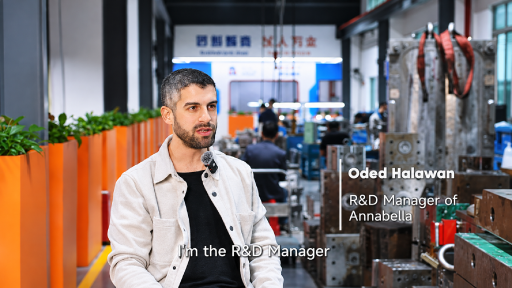
Oded Halawani

Oded Halawani

Company: Annabella Tech IsraelJob Title: R&D managerBusiness: Breast pump
We managed to make it in a very short time warm prototyping to mass production and FDA approval. That makes me feel confidence to choose Mastars.
Jade Harris

Jade Harris

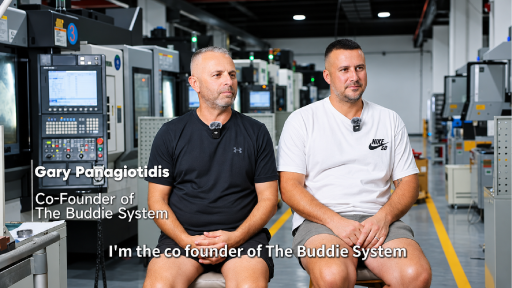
Company: Buddy SystemJob Title: Co-founderBusiness: Wireless instant safety alert device
We're glad that we found a company like Mastars to make the product for us because it's been so good to deal with. They're a really good company.
Dror Harel

Dror Harel

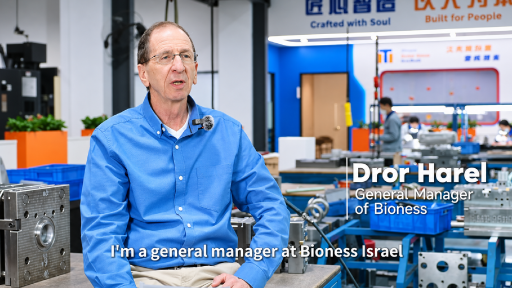
Company: BlonessJob Title: General ManagerBusiness: L300, H200
I think the relationship between the buyers and definitely between me the Mastars it's like a family relationship and this is why we are so happy to produce in Mastars and this is why we came for 15 years. By the way, now we came with a new product that we come to Master to produce for the new year.

Sheet Metal Production FAQs

  • What is the difference between sheet metal prototyping and production?

    Prototyping validates form, fit, assembly, function, and manufacturing decisions. Production starts from an approved design and focuses on repeatability, controlled revisions, inspection, batch consistency, quantity, cost, and delivery.

  • When is a sheet metal prototype ready to move into production?

    Usually when the design, material, finish, critical dimensions, assembly requirements, and functional performance are approved. Before production release, also confirm the drawing revision, inspection requirements, expected quantities, packaging, and delivery requirements.

  • What is considered low-volume sheet metal production?

    There is no universal volume cutoff. Mastars has no MOQ and supports quantities from 1 to 100,000+ units. Low-volume production is most useful for pilot builds, bridge production, product launches, uncertain demand, and recurring batches before high-volume tooling becomes economical.

  • What is the lead time for sheet metal production?

    It depends. First production runs usually take longer than repeat orders because material, fixtures, process settings, first-article inspection, finishing, and quality requirements must be established. Repeat-order timing depends on batch size, material availability, secondary processes, inspection, and the agreed delivery schedule.

  • How do you transition a validated design into production?

    Confirm the approved CAD and drawing revision, material, finish, tolerances, hardware, and inspection requirements. The production route, fixtures, process controls, first-article requirements, and batch plan are then established before recurring production.

  • Do you provide First Article Inspection for sheet metal production?

    Yes, when FAI is required and agreed in the quality plan. Initial production parts can be checked against the approved drawing before the remaining batch proceeds, with dimensional reports and CMM measurement included where required.

  • How do you maintain consistency across repeat production batches?

    Consistency starts with the same approved revision, material specification, manufacturing requirements, and inspection criteria. First-piece verification, in-process inspection, final inspection, fixtures, and controlled production settings help manage variation between batches.

  • How do you handle drawing revisions and engineering changes during production?

    Send the updated CAD, drawing revision, and a clear description of the change. Before the next release, we check its impact on material, tooling, bend geometry, welding, tolerances, finishing, inspection, cost, and lead time so outdated requirements are not carried into repeat production.

  • What production quality documentation can you provide?

    Available documentation depends on the agreed quality plan and may include FAI reports, dimensional inspection reports, CMM results, and other project-specific inspection records. Material certificates, batch identification, or other traceability documents should be specified during quotation when required.

  • Can you support repeat orders and batch deliveries?

    Yes. Production can be planned around recurring orders, agreed batch quantities, packaging, and delivery schedules. Staged delivery can reduce the need to receive the full quantity at once and helps maintain flexibility when demand changes.

  • What affects sheet metal production cost?

    The main cost drivers are material and thickness, part size, cutting time, number of bends, tooling, weld length and fixtures, hardware, finishing, inspection requirements, batch quantity, packaging, and delivery schedule. Stable designs and repeat orders usually provide more opportunities to optimize setup and process cost.

  • What information do you need for a sheet metal production quote?

    Your latest CAD model and drawing are enough to start. For a more accurate quote, include the revision level, material and thickness, expected quantity or forecast, critical tolerances, finish, inspection requirements, and target delivery schedule. For assemblies, also include the BOM, hardware, weld, and assembly requirements. Rough production information is fine for an initial review.

Tell Us About Your Project

Share your project details and files with us. Rough information is fine to start. Our engineering consultant will contact you within 24 hours.

Verification code