
Prototyping

Injection Molding Prototyping Services

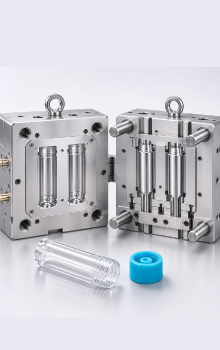
Rapid injection molding for functional plastic prototypes using prototype tooling and production-grade resins, before committing to full production tooling.

  • Fit, assembly, material & appearance validation
  • Aluminum & steel prototype tooling
  • Insert, overmolding, 2K & complex undercut parts
  • Pilot & bridge builds as designs mature
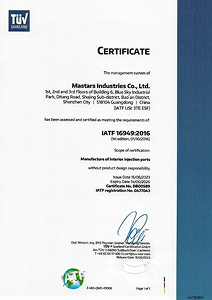
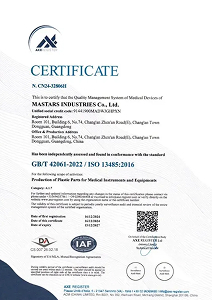
ISO 9001:2015 | ISO 13485:2016 | IATF 16949:2016

Injection Molding Prototyping Services
10+ Days
T1 Samples
≤48 Hours
DFM Review
±0.05 mm
Injection Precision
200+
Plastic Materials

Injection Molding Prototyping Options

Plastic Injection Molding
Production-grade thermoplastic prototypes for validating fit, assembly, function, shrinkage, surface appearance, and material behavior before production tooling.
Get a Quote
Prototype Insert Molding
Mold plastic around metal inserts, threaded hardware, contacts, or other components to validate insert position, retention, sealing, and final assembly.
Get a Quote
Prototype Overmolding
Combine rigid substrates with TPE, TPU, silicone, or other materials to test bonding, grip, sealing, cushioning, and multi-material interfaces.
Get a Quote
Liquid Silicone Rubber Molding
Prototype flexible LSR parts to evaluate sealing, elasticity, thin features, part geometry, and material performance before production release.
Get a Quote
Family & Multi-Cavity Molding
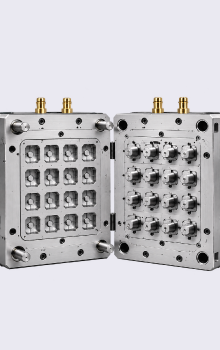
Produce related components or repeated prototype parts when assembly testing, cavity-balance validation, pilot quantities, or bridge production requires more parts.
Get a Quote
Prototype Tooling
Prototype Tooling
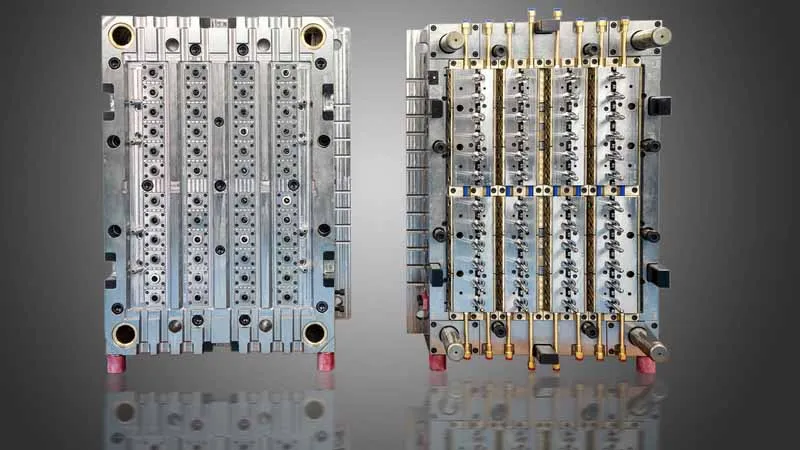
Rapid tooling in aluminum or steel, selected around part geometry, resin, validation quantity, expected design changes, and the required path toward bridge or production tooling.
Get a Quote

Compare Injection Molding Prototyping Options

Choose around the part geometry, material combination, validation target, and required quantity.
Process Choose It When Tooling / Setup Typical Parameter Main Engineering Focus
Plastic Injection Molding You need production-like thermoplastic parts for fit, function, assembly, or appearance testing Aluminum or steel prototype molds Down to ±0.05 mm for suitable critical features; 1–3 mm is a common wall range Shrinkage, gates, cooling and ejection
Prototype Insert Molding Metal inserts, threads, contacts, or hardware must be validated inside the molded part Insert-locating prototype tooling Low-volume builds can start from tens of parts Insert position, retention and local stress
Prototype Overmolding A rigid substrate and soft material must work as one part Dedicated or staged overmolding tooling About ±0.025 mm interface control; 1.5–3 mm overmold layers Bonding, interlock and shutoff
LSR Molding Sealing, elasticity or silicone behavior is critical Dedicated LSR tooling Down to about ±0.01 mm Flash, venting and parting lines
Family & Multi-Cavity Molding You need repeated parts, complete assembly sets, or pilot quantities Family or multi-cavity tooling Prototype tools commonly use 1–4 cavities Cavity balance, cooling and repeatability
Prototype / Rapid Tooling You need real molded parts before full production tooling Aluminum, soft steel or pre-hardened steel Tooling selected around quantity, resin and required life Speed, modification flexibility and production transition
Injection Molding Prototyping

Injection Molding Prototyping

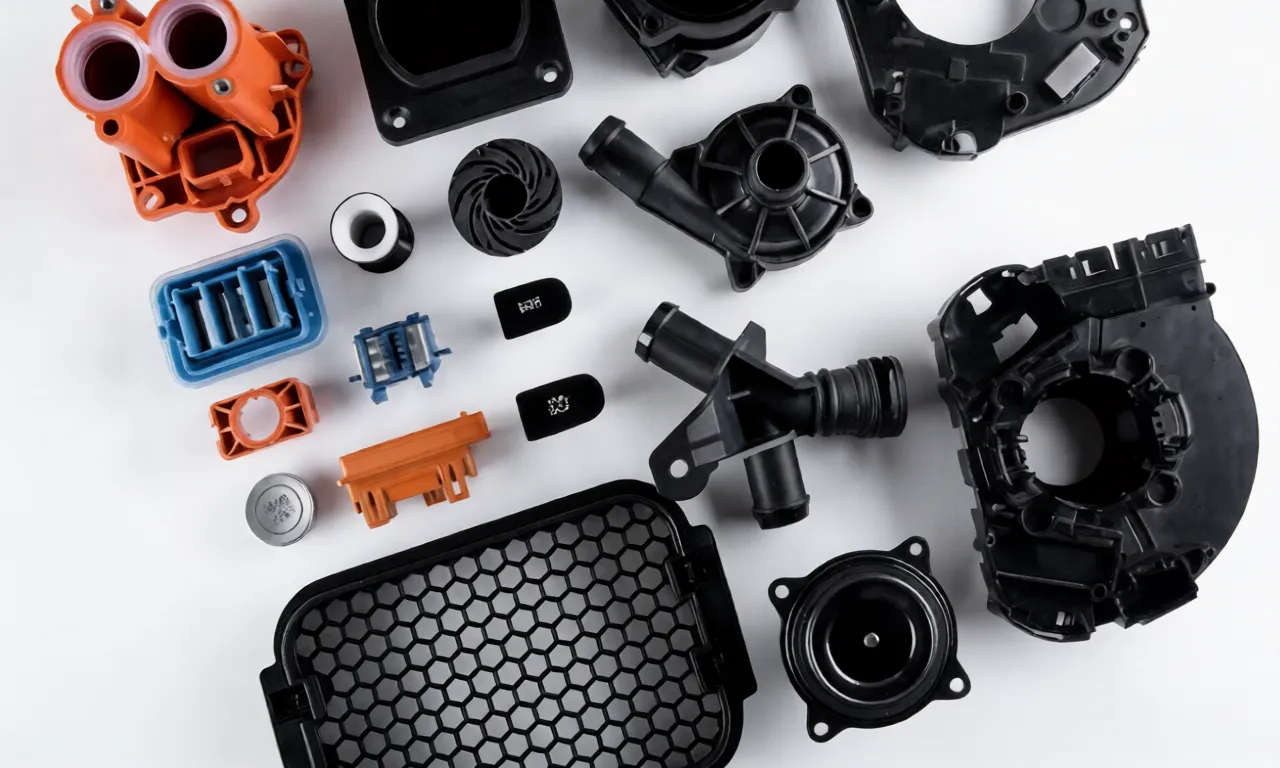
Injection molding prototyping uses rapid prototype tooling to produce real molded plastic parts before full production tooling. It is suited to designs that need fit, assembly, function, surface appearance, and material behavior validation under actual injection molding conditions.

Compared with 3D-printed or CNC-machined prototypes, molded prototypes can use production-grade resins and reveal molding effects such as gate vestiges, ejector marks, weld lines, shrinkage, and molded surface texture.

Mastars supports T1 sampling, tooling revisions, low-volume molded builds, and the transition into pilot, bridge, and volume production as the design matures.

Rapid Injection Molding Process

Rapid Injection Molding Process

1. CAD & DFM review: Review geometry, resin, quantity, critical dimensions, wall thickness, draft, undercuts, gates, and likely molding risks.

2. Tooling strategy & build: Select aluminum or steel, cavity count, inserts, slides, overmolding, or 2K features, then machine, EDM, fit, polish, and assemble the prototype mold.

3. T0/T1 trial & validation: Mold samples, inspect critical dimensions and appearance, then adjust the tool or process as needed to verify fit, assembly, function, and material behavior.

4. Prototype delivery & next stage:

Deliver approved molded prototypes and carry validated design and process data into pilot, bridge, or production tooling.

Injection Molding Prototype Equipment

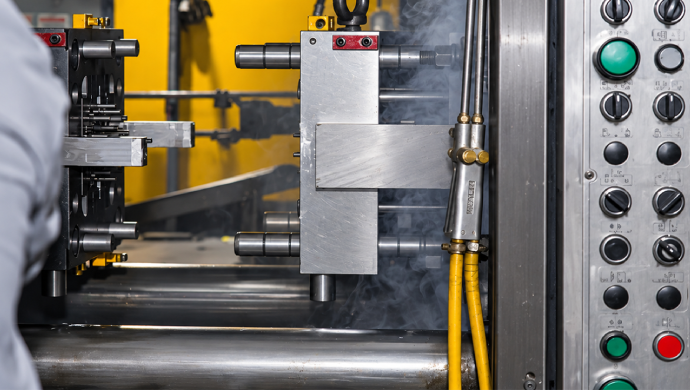
Nissei PS20 Injection Molding Machine

Nissei PS20 Injection Molding Machine

Nissei PS40 Injection Molding Machine

Nissei PS40 Injection Molding Machine

Zeiss CONTURA G2 CMM

Zeiss CONTURA G2 CMM

Why Choose Mastars for Injection Molding Prototyping?

Quality Systems
ISO 9001, ISO 13485, and IATF 16949 systems support controlled trials and documentation. Tooling precision down to 0.002 mm, with CMM and FAI, supports verification of critical dimensions, shutoffs, and mating features.
Engineering & Project Support
100+ engineers coordinate DFM, tooling, trial feedback, quality, and production planning so design changes stay aligned from first samples through pilot builds.
Manufacturing Experience
Our mold project engineers bring 20+ years of industry experience, helping teams validate production-grade thermoplastics under actual molding conditions for fit, shrinkage, appearance, and assembly.
Flexible Capacity
With toolmaking capacity of 50–60 mold sets per month and 5+ production bases, Mastars supports prototype tooling, pilot builds, bridge production, and scale-up as demand changes.
Prototype Tooling DFM Review
DFM feedback in as fast as 48 hours for suitable projects covers wall thickness, draft, undercuts, gates, shrinkage, critical dimensions, and whether aluminum or steel tooling fits the validation stage.
Integrated Manufacturing
Keep mold design, CNC, EDM, fitting, polishing, trial molding, inspection, and production within one manufacturing program instead of coordinating separate suppliers.

Certifications

ISO9001:2015 Certificate

ISO9001:2015 Certificate

IATF16949:2016 Certificate
IATF16949:2016 Certificate
ISO13485:2016 Certificate
ISO13485:2016 Certificate
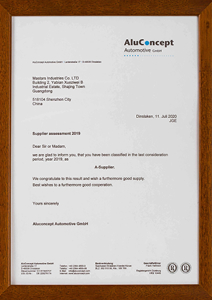
Medical A-Class Supplier

Medical A-Class Supplier

Partners

445 Projects
xylem
Bentley
Aston Martin
HARMAN
Annabella
Auer Lighting
NVIDIA
Compac
G4S
hs products
luxshareict
KK
Bioness
SGM
Nmble
Lear
LLEN&HEAT
belkin
DaAn Gene
MAGNA
pdd
Flite
simens
philips
maxwell
Land Rover

How to Work with Us

Share Your Project

Send a CAD file, drawing, or brief. Start with what you have.

Engineering Review & Quote

We review your requirements and confirm the process, price, and lead time.

We Make Your Parts

Once approved, we prepare the process and manufacture your parts.

Inspection & Delivery

We inspect, pack, and ship your finished parts.

What Our Customers Say

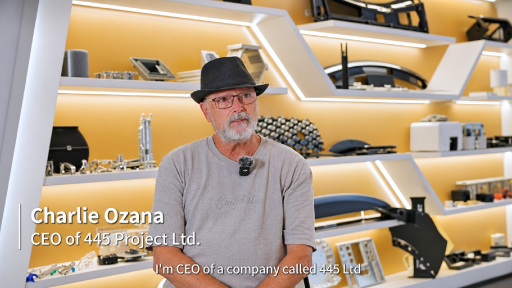
Charlie Ozana

Charlie Ozana

Company: 445 LTDJob Title: CEOBusiness: Full turnkey company
Mastars in all my projects are partners. So I get all the support that I need from engineering management, pricing, timetable, QA, everything is as a partner, not as a supplier. For me, Masters is like home.
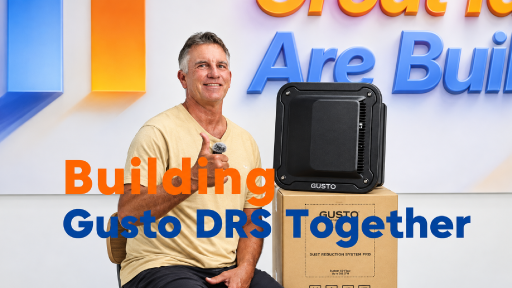
Nathan Johnson

Nathan Johnson

Company: Gusto Global IndustriesJob Title: DirectorBusiness: Dust reduction system
They were such a lovely company to deal with, and we couldn't be more happier even to today down the track with even more products moving forward. Very professional, easy to deal with, get back to you straight away, contact is easy through WeChat and email, move forward as quickly as you can.
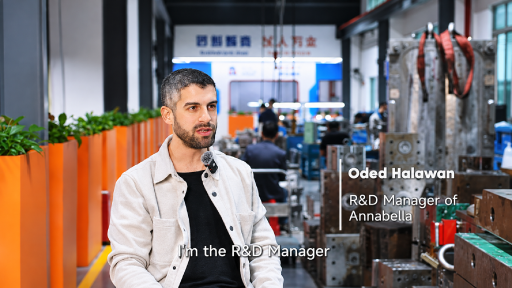
Oded Halawani

Oded Halawani

Company: Annabella Tech IsraelJob Title: R&D managerBusiness: Breast pump
We managed to make it in a very short time warm prototyping to mass production and FDA approval. That makes me feel confidence to choose Mastars.
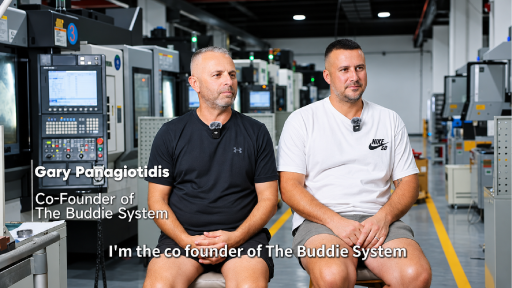
Jade Harris

Jade Harris

Company: Buddy SystemJob Title: Co-founderBusiness: Wireless instant safety alert device
We're glad that we found a company like Mastars to make the product for us because it's been so good to deal with. They're a really good company.
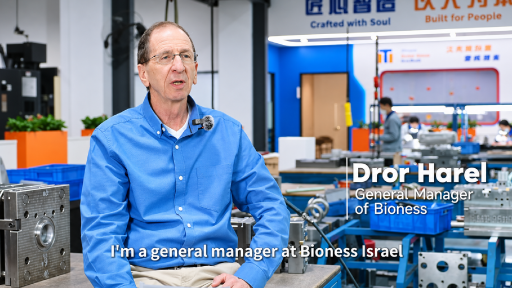
Dror Harel

Dror Harel

Company: BlonessJob Title: General ManagerBusiness: L300, H200
I think the relationship between the buyers and definitely between me the Mastars it's like a family relationship and this is why we are so happy to produce in Mastars and this is why we came for 15 years. By the way, now we came with a new product that we come to Master to produce for the new year.

Injection Molding Prototyping FAQs

  • What is injection molding prototyping?

    Injection molding prototyping uses prototype tooling to produce real injection molded plastic parts before full production tooling is built. It is used to validate fit, assembly, function, material behavior, shrinkage, surface appearance, and molding performance while the design is still easier to change.

  • When should I choose injection molding over 3D printing or CNC?

    Choose injection molding when the design is relatively mature and you need production-like material and molding behavior. It becomes especially useful when shrinkage, weld lines, surface finish, elastomer feel, repeatable fit, or actual molded geometry matters. For very early concepts or only a few parts, 3D printing or CNC may still be faster and more economical.

  • Can prototype parts use production-grade plastics?

    Yes. Prototype injection molded parts can use production-grade thermoplastics such as ABS, PC, PC/ABS, PP, PE, PA, POM, PBT, TPE, TPU, PPS, and reinforced engineering plastics. This allows more realistic evaluation of shrinkage, mechanical behavior, fit, assembly, and surface appearance.

  • What is the difference between prototype and production tooling?

    Prototype tooling prioritizes faster validation, lower initial investment, and easier design changes. It commonly uses aluminum or softer steels and fewer cavities. Production tooling is designed for longer tool life, higher cavity counts, automation, cycle stability, and repeat high-volume production.

  • How long does prototype injection molding take?

    T1 samples can be ready in as fast as 10 days. Typical tooling and T1 lead time is around 2–4 weeks, depending on part geometry, tool material, cavities, side actions, finish requirements, and design revisions. DFM feedback can be provided within 48 hours for suitable projects.

  • How much does a prototype injection mold cost?

    It depends mainly on tool material, cavity count, part geometry, resin, surface requirements, and mold complexity. Aluminum generally reduces initial tooling cost and is easier to modify, while steel costs more but offers better wear resistance and longer tool life. Slides, lifters, inserts, hot runners, and multiple cavities also increase tooling investment.

  • Should I choose aluminum or steel prototype tooling?

    Choose based on quantity, resin, complexity, and expected design changes. Aluminum is well suited to fast validation and lower quantities because it machines quickly and is easier to modify. Soft or pre-hardened steel is a better fit for higher quantities, abrasive resins, complex slides, or longer bridge-production programs.

  • How many prototype parts should I order?

    There is no fixed quantity for every project. Around 25–100 parts is a useful planning range for functional prototype injection molding, while roughly 100–10,000 parts can suit rapid or bridge tooling. The right quantity depends on part size, resin, tooling complexity, testing needs, and the expected next production stage.

  • What happens if the T1 samples need changes?

    Often, the mold or process can be adjusted. Aluminum, soft-steel, and pre-hardened prototype tools generally allow engineering changes more easily than hardened production tooling. The scope depends on where the change occurs and whether material or replaceable inserts are available; major changes to cavity layout, slides, or cooling may require more extensive rework.

  • Can prototype tooling handle inserts, overmolding, undercuts, or 2K parts?

    Yes, when the tooling is designed for those features. Prototype programs can include insert molding, overmolding, 2K tooling, sliders, lifters, and other complex structures. These features need earlier review because they affect shutoff, loading, ejection, mold complexity, lead time, and modification flexibility.

  • Can prototype tooling transition into bridge or production molding?

    Yes. Prototype tooling can support design validation first, then move into pilot or bridge production as demand grows. Once the design is stable, validated material, dimensional, cooling, ejection, and molding decisions can be carried forward into production tooling rather than starting the engineering review from zero.

  • What do you need for a prototype injection molding quote?

    A 3D CAD file is enough to start. For a more accurate quote, include material, expected quantity, critical dimensions, 2D drawings, inserts, color, finish, and inspection requirements. Rough information is fine for an initial review.

Tell Us About Your Project

Share your project details and files with us. Rough information is fine to start. Our engineering consultant will contact you within 24 hours.

Verification code