Punching

Custom Sheet Metal Punching Services

Custom punched holes, slots, perforations, louvers, tabs, and formed features for prototype and production sheet metal parts.

  • CNC turret, perforation & cluster punching
  • Aluminum, steel, stainless steel, copper & brass
  • DFM for hole size, spacing, punch clearance & formed features
  • Bending, hardware, welding, finishing & inspection
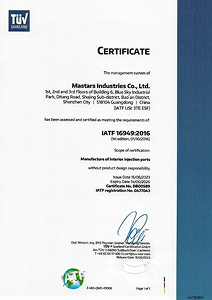
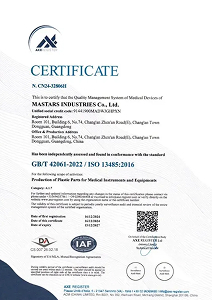
ISO 9001:2015 | ISO 13485:2016 | IATF 16949:2016

Custom Sheet Metal Punching Services
48 Hours
Fast Delivery
100,000
Production Volume
15+ CMM
Inspection Capacity
100+
Engineering Professionals

Sheet Metal Punching Capabilities

CNC Turret Punching
CNC Turret Punching
Repeated holes, slots, cutouts, and standard profiles with programmable tooling for prototype and production parts.
Get a Quote
Perforation & Cluster Punching
Dense hole arrays for ventilation, grilles, filters, and perforated panels. Start with hole size and web width at approximately ≥1× material thickness.
Get a Quote
Lancing, Tabs & Notching
Tabs, bridge lances, retaining features, edge notches, and localized cuts produced directly in flat sheet.
Get a Quote
Louvers, Embosses & Extrusions
Louvers, ribs, dimples, embosses, and extruded features formed during punching. Keep feature height around 3–4× material thickness as an initial tooling reference.
Get a Quote

Is Sheet Metal Punching Right for Your Part?

Choose sheet metal punching for repeated holes, perforations, standard cutouts, louvers, tabs, and punch-formed features.
Process Best For Why Choose It Key Trade-Off
Sheet Metal Punching Repeated holes, perforations, louvers, tabs, standard features Fast repeat production with reusable tooling and formed-feature capability Feature size, spacing, clearance, and tooling constrain geometry
Laser Cutting Complex contours, irregular profiles, frequent design changes High geometry flexibility without hard tooling Dense repeated holes become less efficient as quantity rises
Stamping Very high-volume repeated components High production rate and low unit cost at scale Higher tooling investment and less flexibility after design freeze
Drilling Low-volume holes, thicker material, special hole requirements Flexible hole size and depth control Slow for dense multi-hole patterns
Waterjet Cutting Heat-sensitive materials and thicker flat profiles No heat-affected zone Lower efficiency for dense repeated-hole production
Custom Punched Sheet Metal Parts & Assemblies

Custom Punched Sheet Metal Parts & Assemblies

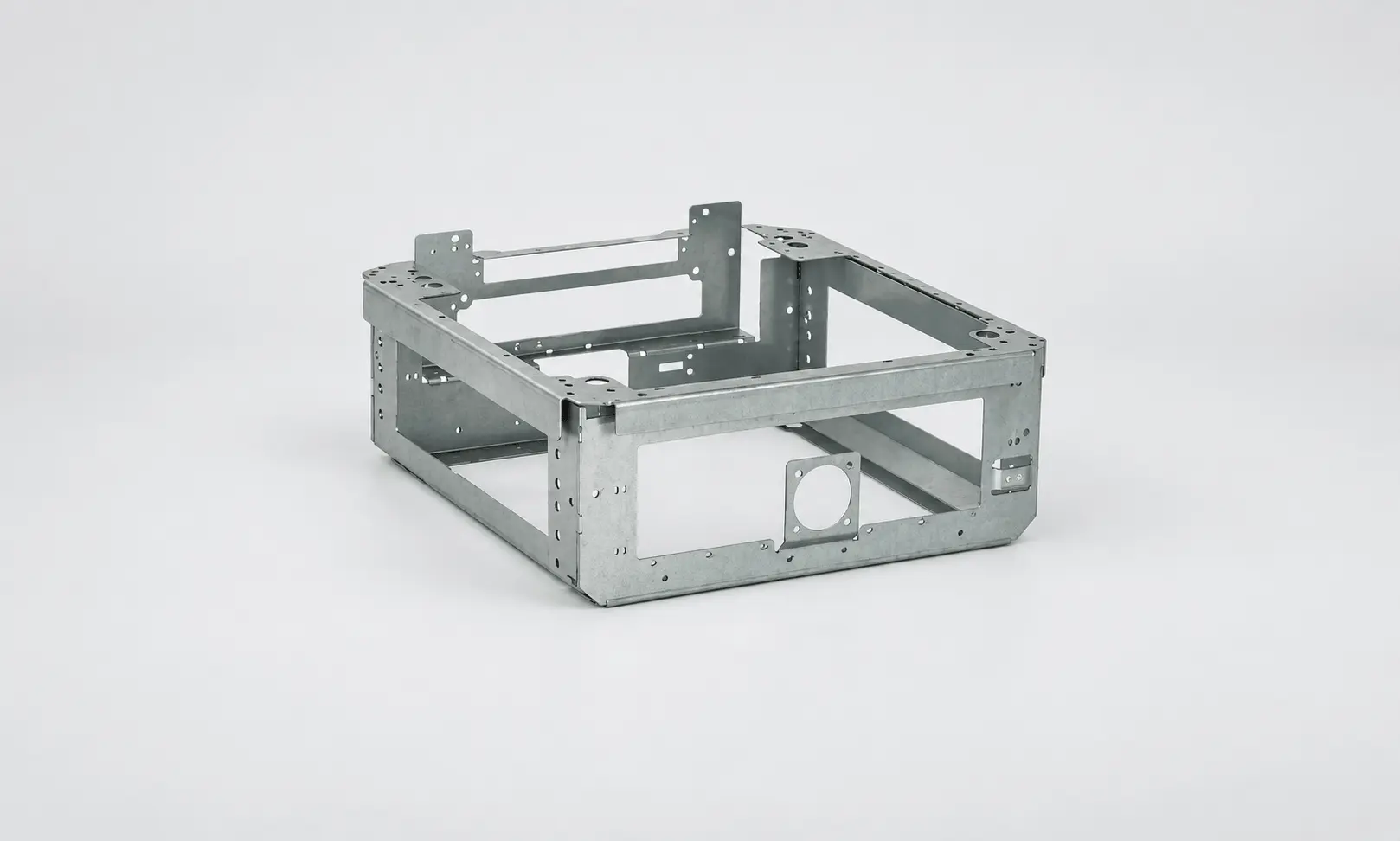
Perforated panels, brackets, electrical enclosures, chassis, ventilation panels, guards, equipment covers, and punched sheet metal subassemblies.

Combine punching with bending, hardware insertion, riveting, welding, finishing, assembly, and inspection under one project.

Materials for Sheet Metal Punching

Material grade, thickness, hardness, and ductility affect hole quality, burr formation, punch force, tooling wear, and achievable feature geometry.
Aluminum
Stainless Steel
Steel
Copper
Brass
Aluminum
Aluminum
Aluminum
Aluminum
Aluminum
Aluminum
Aluminum
Aluminum
Aluminum

Aluminum combines low weight, corrosion resistance, and good punchability for enclosures, panels, brackets, and lightweight sheet-metal parts. Alloy and temper become especially important when punching also creates formed features.

Key Characteristics

Lightweight and easy to form

Good corrosion resistance

Accepts anodizing and powder coating

Common Grades

5052-H32

6061-T651

Typical Applications

Electrical enclosures

Mounting brackets

Equipment panels

Ventilation panels

Lightweight structures

Available Finishes

Anodizing

Powder coating

Painting

Brushing

Polishing

Bead blasting

Stainless Steel
Stainless Steel
Stainless Steel
Stainless Steel
Stainless Steel
Stainless Steel
Stainless Steel
Stainless Steel
Stainless Steel

Stainless steel is selected for corrosion resistance, durability, cleanability, and exposed metal surfaces in medical, food, and industrial equipment.

Key Characteristics

High strength and corrosion resistance

Hygienic, easy-to-clean surface

Good weldability

Common Grades

304 / 304L

316 / 316L

Typical Applications

Medical equipment

Food-processing equipment

Industrial enclosures

Corrosion-resistant panels

Cleanable components

Available Finishes

Brushing

Polishing

Passivation

Electropolishing

Bead blasting

Steel
Steel
Steel
Steel
Steel
Steel
Steel
Steel
Steel

Low-carbon and coated steels provide strength, cost efficiency, and good production performance for punched industrial components.

Common Grades

CR 1008

CR Galvanized

CR Galvannealed

Typical Applications

Industrial brackets

Machine components

Structural panels

Equipment housings

Electrical cabinets

Available Finishes

Powder coating

Painting

Zinc plating

Black oxide

Galvanizing

Copper
Copper
Copper
Copper
Copper
Copper
Copper
Copper
Copper

Copper combines electrical and thermal conductivity with good ductility for punched electrical and thermal-management components.

Common Grades

C101

C110

Typical Applications

Busbars

Electrical contacts

Conductive panels

Heat-transfer parts

Thermal-management components

Available Finishes

Tin plating

Nickel plating

Polishing

Brushing

Protective coating

Natural finish

Brass
Brass
Brass
Brass
Brass
Brass
Brass
Brass
Brass

Brass combines corrosion resistance, conductivity, appearance, and good punchability for electrical and decorative components.

Common Grades

C260

Typical Applications

Electrical terminals

Decorative panels

Instrument components

Specialty hardware

Visible sheet-metal parts

Available Finishes

Polishing

Brushing

Nickel plating

Chrome plating

Protective clear coating

Natural finish

Sheet Metal Punching Surface Finishing Options

Choose finishing around corrosion resistance, appearance, conductivity, edge condition, and critical punched features.
Finish Suitable Materials Primary Benefit Punching / Feature Impact Typical Parts
Deburring & Edge Finishing Aluminum, steel, stainless, copper, brass Removes burrs and sharp punched edges Important around holes, slots, tabs, and handling edges Brackets, panels, enclosures
Powder Coating Steel, aluminum Color, corrosion and wear protection Coating buildup affects holes, threads, grounding points, and hardware fits Cabinets, housings, panels
Painting Steel, aluminum, stainless Wide color and cosmetic options Masking may be required around threads, contacts, and locating holes Covers, panels, equipment housings
Anodizing Aluminum Corrosion resistance and appearance Punched edges and formed features may show surface variation Enclosures, brackets, electronic panels
Brushing Stainless steel, aluminum Directional cosmetic finish Grain direction and visible surfaces should be defined before punching Covers, visible panels
Bead Blasting Aluminum, stainless steel Uniform matte texture Dense perforated panels need flatness control Equipment covers, panels
Polishing Stainless, brass, copper, aluminum Smooth or reflective finish Small punched features and tight corners limit polishing access Decorative and medical parts
Electropolishing Stainless steel Cleanable, corrosion-resistant surface Removes a controlled surface layer around hole edges and features Medical and food equipment
Plating Steel, copper, brass Conductivity, corrosion and wear resistance Plating thickness affects hole diameter, contacts, and mating features Electrical parts
Passivation Stainless steel Improves corrosion resistance after fabrication Minimal dimensional change around punched features Medical and industrial parts

Sheet Metal Punching Tolerances & Limits

Use these values as starting references. Final capability depends on material, thickness, tooling, feature geometry, and machine setup. T = material thickness.
Metric Typical Reference Design Use Key Factor
Hole Diameter Tolerance ±0.05–0.1 mm Standard punched holes Material, tooling condition, clearance
Hole Position Tolerance ≈0.1 mm Mounting and locating holes Tooling, sheet positioning, feature layout
Common Sheet Thickness ≈0.5–6 mm General CNC punching Material strength and machine capacity
Minimum Hole Size ≥1–1.2×T Initial hole-size reference Material hardness, thickness, punch strength
Hole-to-Edge Distance ≥1–1.5×T Reduce edge distortion Material stiffness and hole size
Hole-to-Hole Spacing ≥1.5–2×T Repeated holes and patterns Sheet distortion and tooling
Hole-to-Bend Distance ≥2–3×T Features near later bend lines Bend radius and springback
Perforation Hole / Web ≥1×T Dense perforated patterns Sheet stability and distortion
Formed Feature Height ≈3–4×T Louvers, embosses, ribs, extrusions Tooling and material ductility
Punch-to-Die Clearance ≈5–8%T / side Mild-steel starting reference Material hardness and desired edge quality

Why Choose Mastars for Sheet Metal Punching Service?

Control Feature Accuracy
Plan hole size, location, tooling, and sheet positioning around mounting and assembly-critical features.
Manage Punch Clearance
Match punch-to-die clearance to material and thickness to control burrs, rollover, edge quality, and tool wear.
Control Dense Patterns
Review hole size, web width, and feature spacing to reduce distortion in perforated and high-feature-density panels.
Validate Formed Features
Review louvers, ribs, embosses, tabs, and extrusions for height, orientation, tooling access, and material behavior.
Coordinate Downstream Ops
Plan punching before bending, hardware, welding, finishing, and assembly to protect feature location and fit.
Meet Quality Requirements
ISO 9001, ISO 13485, and IATF 16949 quality systems support controlled inspection and production requirements.

Certifications

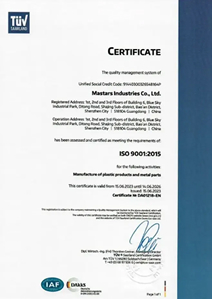
ISO9001:2015 Certificate

ISO9001:2015 Certificate

IATF16949:2016 Certificate

IATF16949:2016 Certificate

ISO13485:2016 Certificate

ISO13485:2016 Certificate

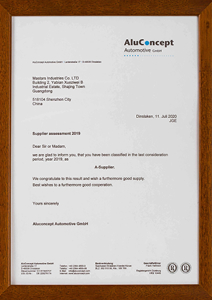
Medical A-Class Supplier

Medical A-Class Supplier

Partners

445 Projects
xylem
Bentley
Aston Martin
HARMAN
Annabella
Auer Lighting
NVIDIA
Compac
G4S
hs products
luxshareict
KK
Bioness
SGM
Nmble
Lear
LLEN&HEAT
belkin
DaAn Gene
MAGNA
pdd
Flite
simens
philips
maxwell
Land Rover

How to Work with Us

Share Your Project

Send a CAD file, drawing, or brief. Start with what you have.

Engineering Review & Quote

We review your requirements and confirm the process, price, and lead time.

We Make Your Parts

Once approved, we prepare the process and manufacture your parts.

Inspection & Delivery

We inspect, pack, and ship your finished parts.

What Our Customers Say

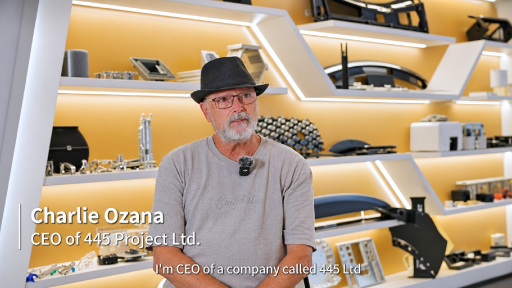
Charlie Ozana

Charlie Ozana

Company: 445 LTDJob Title: CEOBusiness: Full turnkey company
Mastars in all my projects are partners. So I get all the support that I need from engineering management, pricing, timetable, QA, everything is as a partner, not as a supplier. For me, Masters is like home.
Nathan Johnson

Nathan Johnson

Company: Gusto Global IndustriesJob Title: DirectorBusiness: Dust reduction system
They were such a lovely company to deal with, and we couldn't be more happier even to today down the track with even more products moving forward. Very professional, easy to deal with, get back to you straight away, contact is easy through WeChat and email, move forward as quickly as you can.
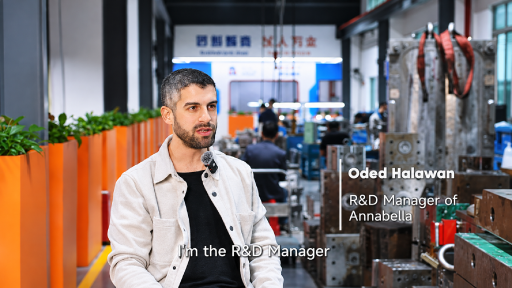
Oded Halawani

Oded Halawani

Company: Annabella Tech IsraelJob Title: R&D managerBusiness: Breast pump
We managed to make it in a very short time warm prototyping to mass production and FDA approval. That makes me feel confidence to choose Mastars.
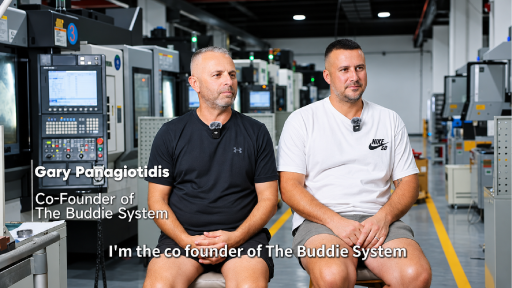
Jade Harris

Jade Harris

Company: Buddy SystemJob Title: Co-founderBusiness: Wireless instant safety alert device
We're glad that we found a company like Mastars to make the product for us because it's been so good to deal with. They're a really good company.
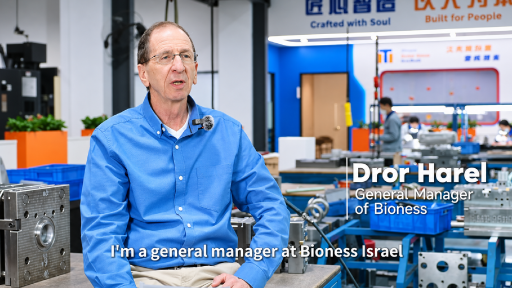
Dror Harel

Dror Harel

Company: BlonessJob Title: General ManagerBusiness: L300, H200
I think the relationship between the buyers and definitely between me the Mastars it's like a family relationship and this is why we are so happy to produce in Mastars and this is why we came for 15 years. By the way, now we came with a new product that we come to Master to produce for the new year.

Sheet Metal Punching Service FAQs

  • What is sheet metal punching?

    Sheet metal punching uses a punch and die to shear holes, slots, cutouts, and profiles from flat sheet. CNC turret punching can also create louvers, tabs, embosses, extrusions, and other formed features with dedicated tooling.

  • What materials can you punch?

    Aluminum, low-carbon steel, galvanized steel, galvannealed steel, stainless steel, copper, and brass are common punching materials. Harder materials require greater punch force and typically increase tooling wear and burr-control requirements.

  • What sheet thicknesses can be punched?

    A common CNC punching range is approximately 0.5–6 mm. Actual capability depends on material strength, feature size, punch diameter, tooling, and machine capacity. Stainless steel and harder alloys usually reach lower practical thickness limits than aluminum.

  • How accurate is CNC sheet metal punching?

    Punched-hole diameter tolerance is typically around ±0.05–0.1 mm, with hole location around 0.1 mm for suitable parts. Flat punched-feature tolerances should be specified separately from dimensions affected by later bending or welding.

  • What is the minimum hole size for punching?

    Start around 1–1.2× material thickness. Smaller holes increase punch stress and tool-breakage risk, particularly in harder materials such as stainless steel.

  • How much spacing should I leave between punched features?

    Use approximately 1.5–2× material thickness between holes as a starting point. Dense cluster tooling may support closer spacing, while high-strength material or large features may require more material between punches.

  • How close can a hole be to an edge or bend?

    Keep holes approximately 1–1.5× material thickness from an outside edge and 2–3×T from a bend zone as starting references. Closer features can distort during punching or later bending.

  • When should I choose punching instead of laser cutting?

    Choose punching for repeated holes, perforations, standard openings, and punch-formed features where production quantity justifies tooling. Laser cutting provides greater freedom for complex contours and frequent geometry changes.

  • What is the difference between punching and stamping?

    CNC punching uses interchangeable tools to produce configurable holes and features with relatively low setup commitment. Stamping uses dedicated dies and becomes more economical for very high-volume, stable designs where high tooling investment can be spread across large production quantities.

  • How do you control burrs and edge quality?

    Burrs are controlled through punch-to-die clearance, sharp tooling, tool alignment, material condition, and machine setup. Mild steel commonly starts around 5–8% of material thickness per side for clearance, with adjustments for other materials and required edge quality.

  • Do you support prototypes and production punching?

    Yes. Prototype punching validates hole layout, fit, formed features, and assembly. Production adds validated tooling, nesting, burr control, inspection planning, revision control, and repeatability across production lots.

  • What information do you need for a punching quote?

    A 3D CAD file or flat pattern is enough to start. Add material, thickness, quantity, hole and formed-feature requirements, critical dimensions, finish, and a 2D drawing where tolerances or GD&T must be controlled. Rough information is fine for an initial review.

  • How fast can sheet metal punching parts be delivered?

    Suitable prototype sheet metal parts can be delivered in as fast as 48 hours. Custom punch tooling, dense perforation patterns, formed features, bending, welding, finishing, or assembly can extend lead time. Send the CAD file, material, thickness, quantity, and required secondary operations for a project-specific schedule.

  • How much does sheet metal punching cost?

    Cost depends on material, thickness, quantity, number of punch hits, feature density, tooling, nesting efficiency, formed features, tolerances, and secondary operations. Existing standard tooling usually reduces setup cost, while custom punches, dense patterns, or complex formed features increase tooling and processing requirements.

Tell Us About Your Project

Share your project details and files with us. Rough information is fine to start. Our engineering consultant will contact you within 24 hours.

Verification code