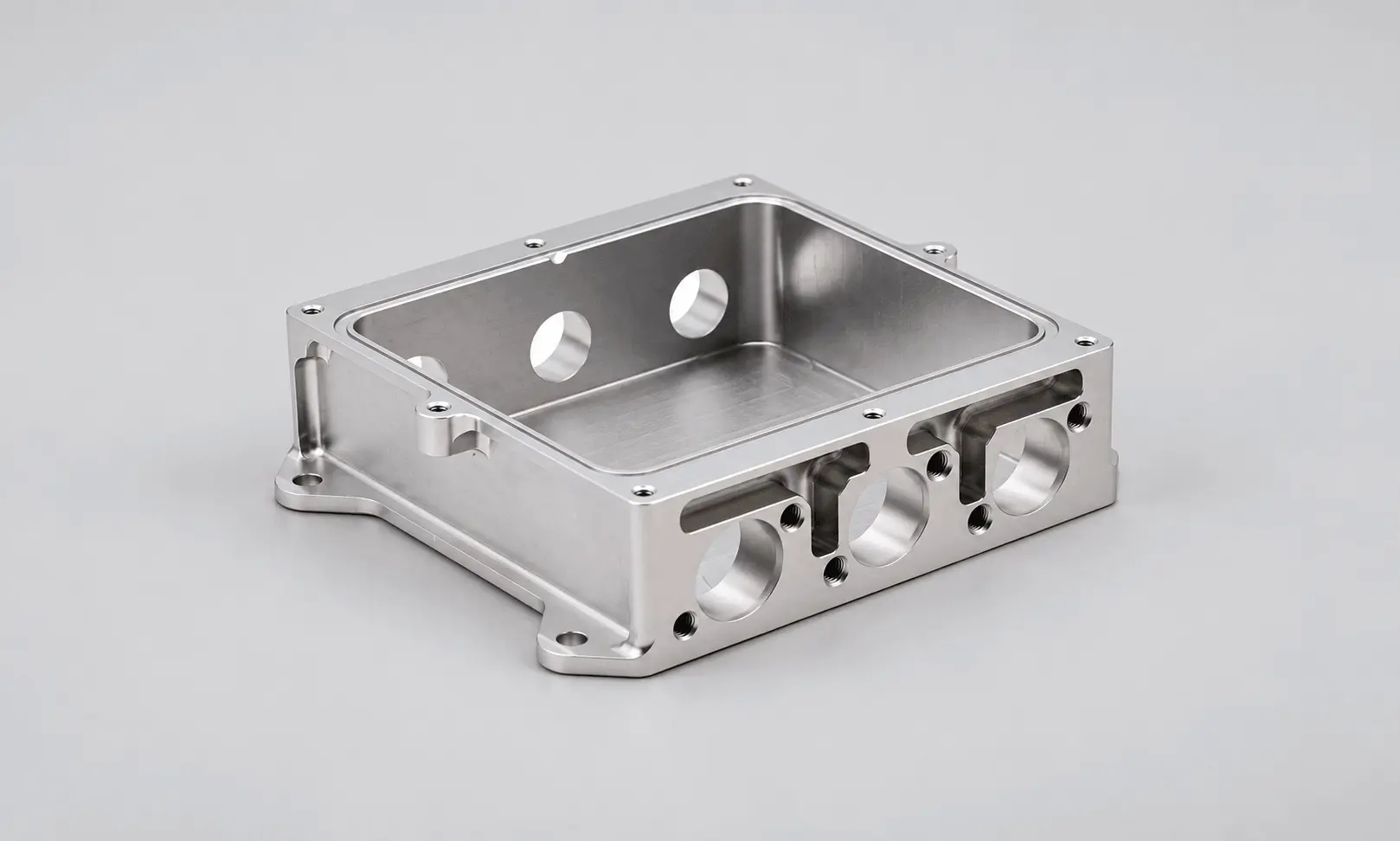

Metal 3D Printing

Metal 3D Printing
Metal 3D Printing Services

Metal additive manufacturing for complex prototypes, lightweight components, and low-volume functional parts, with engineering support from process selection through post-processing.

  • DMLS / SLM, LPBF, EBM, DED & Metal Binder Jetting
  • Aluminum, stainless steel, titanium, Inconel, copper & CoCr
  • Internal channels, lattice structures & part consolidation
  • Heat treatment, HIP, CNC finishing & inspection
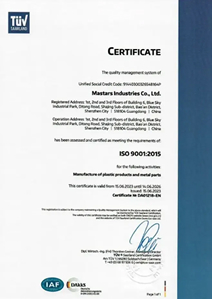
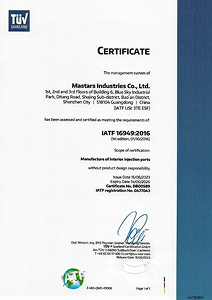
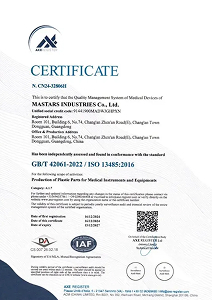
ISO 9001:2015 | ISO 13485:2016 | IATF 16949:2016

Metal 3D Printing Services
80 μm
Typical Layer
3 Days
Fast Delivery
0
MOQ
100+
Engineering Professionals

Metal 3D Printing Processes

Laser Powder Bed Fusion (LPBF)
LPBF, including SLM and DMLS, is best suited to high-detail metal parts with internal channels, lattice structures, lightweight geometry, and consolidated features. Supports, residual stress, and CNC finishing must be considered from the start.
Get a Quote
Electron Beam Powder Bed Fusion (EB-PBF / EBM)
EB-PBF uses an electron beam to melt conductive metal powder in vacuum and is mainly considered for selected high-performance alloys and demanding applications. Feature resolution and surface finish are generally less fine than precision LPBF.
Get a Quote
Directed Energy Deposition (DED)
DED deposits metal powder or wire directly into a melt pool, making it useful for larger near-net-shape parts, repair, feature addition, and localized material deposition. Critical interfaces normally require secondary machining.
Get a Quote
Metal Binder Jetting
Metal Binder Jetting forms a green part from bound metal powder before debinding and sintering. It can support batch-oriented complex parts, but sintering shrinkage, density, and final dimensional control must be planned into the process.
Get a Quote
Why Choose Metal 3D Printing?

Why Choose Metal 3D Printing?

Choose metal 3D printing when internal channels, lattice structures, lightweighting, part consolidation, or low-volume customization create more value than the additional build and post-processing cost. For simple geometry, tight conventional features, or higher recurring volumes, CNC machining or casting may be more economical.

Ideal Applications:

• Internal channels & conformal cooling

• Lattice & topology-optimized structures

• Lightweight consolidated assemblies

• Customized & low-volume functional metal parts

Custom Metal 3D Printing Services

Custom Metal 3D Printing Services

Custom metal AM parts are reviewed around process fit, alloy, build orientation, supports, internal channels, powder escape, residual stress, machining allowance, heat treatment, and inspection requirements.

Not every complex metal part should remain additive through production. Critical holes, threads, sealing faces, and datums may require CNC finishing, while simpler or higher-volume designs may be better transferred to machining or casting as the project matures.

Metal 3D Printing Materials

Metal 3D printing supports a broad selection of alloys for lightweight structures, corrosion-resistant components, high-temperature environments, tooling, and thermal management. Material availability and performance depend on the selected printing process, so Mastars reviews alloy properties together with geometry, post-processing, machining, and final application requirements.
Aluminum
Stainless Steel
Titanium
Inconel 718
Copper
Cobalt Chrome
Aluminum
Aluminum
Aluminum
Aluminum
Aluminum
Aluminum
Aluminum
Aluminum
Aluminum

AlSi10Mg combines low density, practical strength, corrosion resistance, and thermal conductivity for lightweight metal AM parts.

Key Characteristics

• Low density

• Good strength-to-weight ratio

• Good thermal conductivity

• Heat-treatable alloy system

Common Grades

AlSi10Mg

Typical Applications

Aerospace Brackets

Automotive Components

Heat Management Parts

Lightweight Housings

Stainless Steel
Stainless Steel
Stainless Steel
Stainless Steel
Stainless Steel
Stainless Steel
Stainless Steel
Stainless Steel
Stainless Steel

316L is selected for corrosion resistance and ductility, while 17-4 PH provides higher strength and hardness after suitable heat treatment.

Key Characteristics

• Corrosion resistance

• Good mechanical performance

• Heat-treatment options

• Suitable for machining and finishing

Common Grades

316L

17-4 PH

Typical Applications

Industrial Components

Functional Metal Prototypes

Fluid Components

Mechanical Assemblies

Titanium
Titanium
Titanium
Titanium
Titanium
Titanium
Titanium
Titanium
Titanium

Ti6Al4V provides high strength-to-weight ratio, low density, and corrosion resistance for lightweight, high-performance metal AM parts.

Key Characteristics

• High strength-to-weight ratio

• Low density

• Excellent corrosion resistance

• Suitable for complex lightweight geometry

Common Grades

Ti6Al4V

Typical Applications

Aerospace Components

Medical Components

Performance Parts

Lightweight Structures

Inconel 718
Inconel 718
Inconel 718
Inconel 718
Inconel 718
Inconel 718
Inconel 718
Inconel 718
Inconel 718

Inconel 718 retains strength and oxidation resistance at elevated temperatures, making it suitable for demanding thermal and mechanical environments.

Key Characteristics

• High-temperature strength

• Oxidation resistance

• Corrosion resistance

• Heat-treatment responsive

Typical Applications

Turbine Components

Energy Equipment

Thermal Systems

High-Temperature Industrial Parts

Copper
Copper
Copper
Copper
Copper
Copper
Copper
Copper
Copper

Copper alloys are selected where thermal or electrical conductivity must be combined with complex cooling channels or compact functional geometry.

Key Characteristics

• High thermal conductivity

• Electrical conductivity

• Suitable for integrated cooling

• Compact thermal-management geometry

Common Grades

CuCrZr, CuNi2SiCr and application-specific copper alloys

Typical Applications

Heat Exchangers

Cooling Components

Electrical Components

Thermal Management Systems

Cobalt Chrome

Cobalt Chrome combines high strength, wear resistance, corrosion resistance, and stable performance for demanding specialized applications.

Key Characteristics

• High strength

• Good wear resistance

• Corrosion resistance

• Stable mechanical performance

Typical Applications

Medical Components

Wear-Resistant Parts

Precision Components

High-Performance Parts

Metal 3D Printing Surface Finishing & Post-Processing

Metal additive parts often require secondary processing before final use. The route depends on the printing process, alloy, residual stress, critical dimensions, surface requirements, and qualification needs.
Post-Processing Purpose Engineering Consideration
Build Plate & Support Removal Separates LPBF parts from the build plate and removes support structures. Removal access and datum protection should be planned before printing.
Stress Relief / Heat Treatment Reduces residual stress and establishes required alloy condition. Heat-treatment cycle depends on alloy and final property requirements.
Hot Isostatic Pressing (HIP) Can reduce internal porosity and improve fatigue-related performance. Apply where alloy, loading, and qualification requirements justify the additional process.
CNC Machining Controls holes, threads, datums, sealing faces, bearing fits, and mating interfaces. Machining allowance should be designed into the additive build.
Bead Blasting Creates a more uniform matte surface and removes local build texture. Does not replace machining where dimensional control is required.
Grinding / Polishing Improves accessible surface roughness and appearance. Internal or deeply recessed surfaces may be difficult to reach.
Passivation / Coating / Plating Adds corrosion, wear, electrical, or cosmetic properties. Added thickness should be considered on critical fits and interfaces.

Metal 3D Printing Tolerances & Design Guidelines

Metal 3D printing accuracy varies significantly by process, alloy, geometry, orientation, and post-processing. As-built dimensions and CNC-finished dimensions should be treated separately when critical fits or interfaces are involved.
Metal 3D Printing Process Typical Accuracy / Resolution Engineering Consideration
LPBF / SLM / DMLS XY: ±0.075 mm for the first 25.4 mm + 0.1% nominal length; Z: ±0.15 mm + 0.1%; 20–60 μm layers Supports, orientation, residual stress, and thermal distortion influence as-built accuracy. Critical interfaces commonly require CNC finishing.
EB-PBF / EBM Equipment- and alloy-specific Best considered by selected alloy, part size, thermal strategy, and required final machining rather than a universal tolerance value.
Directed Energy Deposition Near-net-shape process DED is generally selected for larger deposition, repair, or added features rather than fine as-built dimensional control. Critical surfaces normally require machining.
Metal Binder Jetting Final accuracy depends on sintering shrinkage Debinding, sintering, geometry, density, and shrinkage compensation determine the final result.
Critical Holes & Threads Secondary machining recommended Drill, ream, tap, or thread-mill when repeatable functional dimensions are required.
Mating Faces & Datums Machining allowance recommended Define machining stock before printing so final datum structure and fit can be controlled.
Internal Channels Powder / support access required Channel geometry must account for powder removal, supports, and downstream cleaning.
Large or Flat Geometry Distortion review required Thermal stress, shrinkage, and build strategy can influence flatness and final dimensions.

Metal 3D Printing Equipment & Manufacturing Capabilities

Hermle C42U CNC Machining Center

Hermle C42U CNC Machining Center

Okamoto ACC350Ⅱ Grinding Machine

Okamoto ACC350Ⅱ Grinding Machine

Zeiss CONTURA G2 CMM

Zeiss CONTURA G2 CMM

Why Choose Mastars for Metal 3D Printing Service?

Quality Systems
ISO 9001, ISO 13485, and IATF 16949 systems support controlled inspection and documentation. CMM, FAI, and dimensional verification confirm holes, threads, sealing faces, datums, and mating surfaces.
Engineering & Project Support
100+ engineers evaluate geometry, alloy, size, tolerance, quantity, and end use to select the right metal AM process.
Manufacturing Experience
Backed by 20+ years of manufacturing experience, Mastars supports metal 3D printing projects from design validation through post-processing and production transition.
Flexible Capacity
Supported by 5+ production bases, Mastars supports metal 3D printed parts from prototype validation to low-volume production and transition into CNC machining, casting, or tooling when required.
Metal AM DFAM Review
Review build orientation, supports, internal channels, powder escape, residual stress, and machining allowance before production.
Integrated Manufacturing
Coordinate metal printing, stress relief, heat treatment, HIP, CNC machining, finishing, and inspection within one manufacturing program.

Certifications

ISO9001:2015 Certificate

ISO9001:2015 Certificate

IATF16949:2016 Certificate
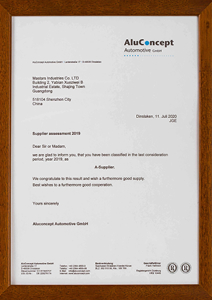
IATF16949:2016 Certificate

ISO13485:2016 Certificate

ISO13485:2016 Certificate

Medical A-Class Supplier

Medical A-Class Supplier

Partners

445 Projects
xylem
Bentley
Aston Martin
HARMAN
Annabella
Auer Lighting
NVIDIA
Compac
G4S
hs products
luxshareict
KK
Bioness
SGM
Nmble
Lear
LLEN&HEAT
belkin
DaAn Gene
MAGNA
pdd
Flite
simens
philips
maxwell
Land Rover

How to Work with Us

Share Your Project

Send a CAD file, drawing, or brief. Start with what you have.

Engineering Review & Quote

We review your requirements and confirm the process, price, and lead time.

We Make Your Parts

Once approved, we prepare the process and manufacture your parts.

Inspection & Delivery

We inspect, pack, and ship your finished parts.

What Our Customers Say

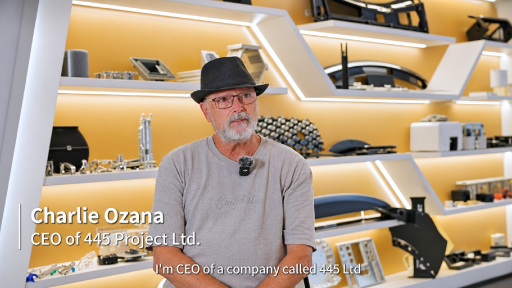
Charlie Ozana

Charlie Ozana

Company: 445 LTDJob Title: CEOBusiness: Full turnkey company
Mastars in all my projects are partners. So I get all the support that I need from engineering management, pricing, timetable, QA, everything is as a partner, not as a supplier. For me, Masters is like home.
Nathan Johnson

Nathan Johnson

Company: Gusto Global IndustriesJob Title: DirectorBusiness: Dust reduction system
They were such a lovely company to deal with, and we couldn't be more happier even to today down the track with even more products moving forward. Very professional, easy to deal with, get back to you straight away, contact is easy through WeChat and email, move forward as quickly as you can.
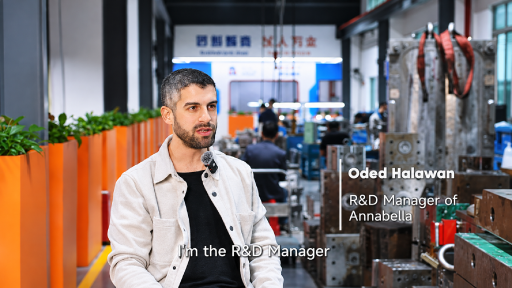
Oded Halawani

Oded Halawani

Company: Annabella Tech IsraelJob Title: R&D managerBusiness: Breast pump
We managed to make it in a very short time warm prototyping to mass production and FDA approval. That makes me feel confidence to choose Mastars.
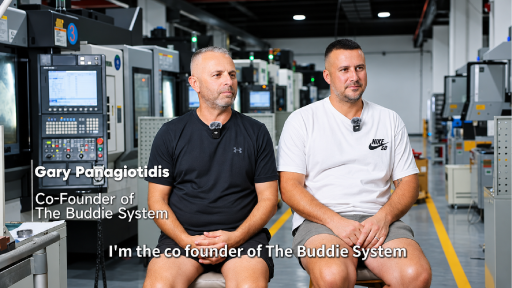
Jade Harris

Jade Harris

Company: Buddy SystemJob Title: Co-founderBusiness: Wireless instant safety alert device
We're glad that we found a company like Mastars to make the product for us because it's been so good to deal with. They're a really good company.
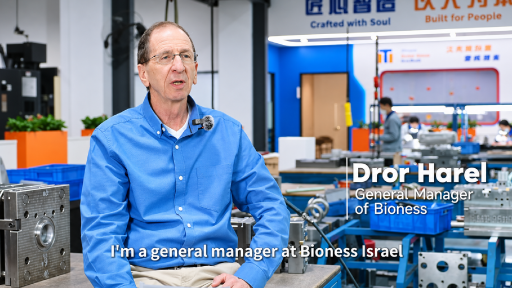
Dror Harel

Dror Harel

Company: BlonessJob Title: General ManagerBusiness: L300, H200
I think the relationship between the buyers and definitely between me the Mastars it's like a family relationship and this is why we are so happy to produce in Mastars and this is why we came for 15 years. By the way, now we came with a new product that we come to Master to produce for the new year.

Metal 3D Printing Service FAQs

  • What is metal 3D printing?

    Metal 3D printing is a group of additive manufacturing processes that build metal parts directly from digital models. Depending on the process, metal powder or wire is melted, fused, bound, or deposited layer by layer before required heat treatment, machining, finishing, and inspection.

  • What is the difference between DMLS, SLM, and LPBF?

    DMLS and SLM are commonly used commercial terms within the Laser Powder Bed Fusion (LPBF) family. Terminology varies by equipment supplier and alloy, but process parameters, material condition, orientation, heat treatment, and qualification usually matter more than the label itself.

  • Which metal 3D printing process should I choose?

    It depends on geometry, alloy, part size, tolerance, quantity, and final use. LPBF is strong for complex high-detail parts, EBM suits selected high-performance alloys, DED is useful for larger deposition and repair, and Binder Jetting can suit batch-oriented parts where sintering shrinkage can be controlled.

  • What materials are available for metal 3D printing?

    Common options include aluminum alloys such as AlSi10Mg, 316L and 17-4 PH stainless steel, Ti6Al4V titanium, Inconel 718, cobalt chrome, copper alloys, and selected tool or maraging steels. Material availability depends on the printing process and required post-processing.

  • What tolerances can metal 3D printing achieve?

    For well-designed LPBF parts, an industrial reference is approximately ±0.075 mm in XY and ±0.15 mm in Z for the first 25.4 mm, plus 0.1% of nominal length. Other metal AM processes can vary substantially. Critical holes, datums, sealing surfaces, and fits are commonly finished by CNC machining.

  • Can metal 3D printing produce internal channels?

    Yes. Internal channels are one of the strongest reasons to consider powder-bed metal additive manufacturing, but unfused powder must still be removable. Channel size, orientation, bends, access openings, and downstream cleaning should be reviewed before printing.

  • Do metal 3D printed parts require support structures?

    Often yes for LPBF. Supports anchor the part to the build plate, support overhangs, transfer heat, and help control distortion. Their location also affects surface finish, removal access, machining time, and total manufacturing cost.

  • What post-processing do metal 3D printed parts require?

    It depends on the process and application. Common steps include build-plate removal, support removal, stress relief, heat treatment, HIP, CNC machining, blasting, grinding, polishing, passivation, coating, and dimensional inspection.

  • Are metal 3D printed parts as strong as forged or machined metal?

    Not automatically. Mechanical performance depends on alloy, powder or feedstock quality, build orientation, process parameters, porosity, heat treatment, HIP, surface condition, and qualification testing. Printed material should not be assumed to be identical to wrought or forged stock without verification.

  • When should I choose metal 3D printing instead of CNC machining?

    Choose metal 3D printing when internal channels, lattice structures, part consolidation, lightweight topology, or geometry-driven performance cannot be produced efficiently by CNC. For simpler accessible geometry and tight conventional features, CNC machining is often more economical and provides better dimensional control.

  • Is metal 3D printing suitable for production parts?

    Yes, particularly for customized, complex, or low-volume metal components where tooling is difficult to justify. As volume increases or geometry becomes simpler, machining, casting, forging, or another production process may offer lower unit cost.

  • How much does metal 3D printing cost?

    Cost depends on alloy, part volume, build height, support volume, selected process, quantity, heat treatment, HIP, machining, finishing, and inspection. Complex low-volume parts can benefit from eliminating tooling or assembly, while simple metal parts may cost less by machining.

  • How fast can metal 3D printed parts be delivered?

    Lead time depends on process, alloy availability, build size, quantity, support removal, heat treatment, HIP, CNC machining, finishing, and inspection. Printing time alone does not represent the complete manufacturing lead time.

  • What files do you need for a metal 3D printing quote?

    A 3D CAD file is enough to start. Add the alloy or performance requirement, quantity, and a 2D drawing when critical dimensions, GD&T, holes, threads, surface finish, heat treatment, or inspection requirements must be controlled. Rough project information is fine for an initial process review.

Tell Us About Your Project

Share your project details and files with us. Rough information is fine to start. Our engineering consultant will contact you within 24 hours.

Verification code