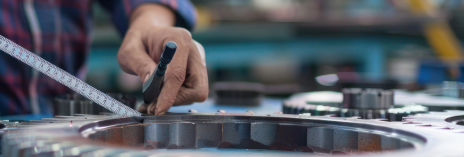


Production

Production
Production Manufacturing Services

Turn validated designs into repeatable production with engineering support, process control, and flexible manufacturing capabilities.

  • DFM review for tolerance, material & assembly risks
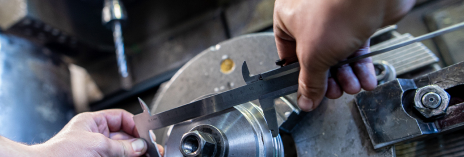
  • FAI and in-process inspection for production consistency
  • CNC, molding, sheet metal & casting under one production workflow
  • Controlled revisions, specifications & finishes for repeat orders
ISO 9001:2015 | ISO 13485:2016 | IATF 16949:2016
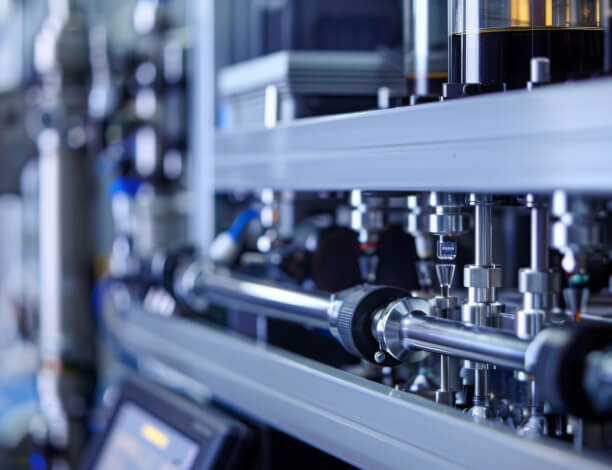
Production Manufacturing Services
100+
Engineering Experts
5+
Production Bases
20+
Years Manufacturing
800+
Global Customers
Production Manufacturing for Validated Designs

Production Manufacturing for Validated Designs

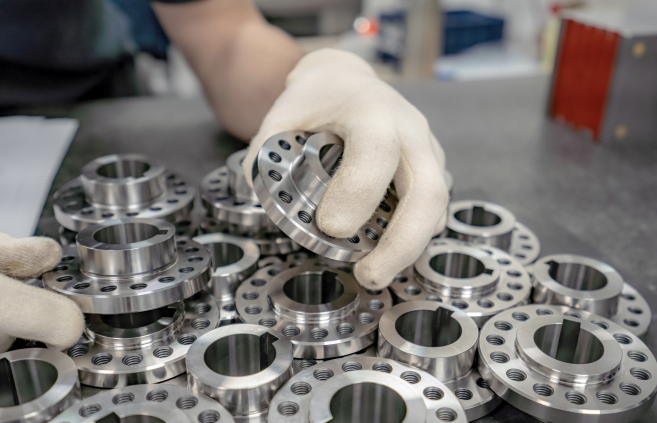
Production starts when a design is ready to move beyond validation. The focus shifts from making samples to controlling repeatability, process stability, inspection, and delivery.

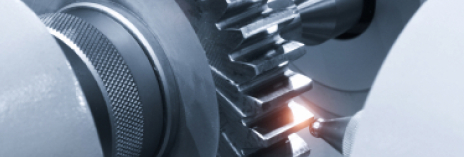
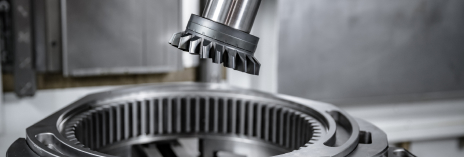
Mastars supports production manufacturing for metal and plastic parts through CNC machining, injection molding, sheet metal fabrication, casting, and coordinated secondary processes. The right manufacturing route is selected based on geometry, material, tolerance, quantity, and production goals.

Low-Volume Production

Low-Volume Production

Low-volume production bridges the gap between prototypes and higher-volume manufacturing. It supports pilot builds, market launch quantities, engineering changes, and products with uncertain demand.

Mastars supports flexible low-volume builds from pilot quantities to 2,000+ parts before scaling into higher-volume production.

How We Manage Production

Production requires more than following a drawing. Mastars controls engineering release, process execution, quality inspection, and production records to maintain consistency across repeat orders.
Engineering Review & Production Release
Review drawings, materials, tolerances, finishes, and manufacturing routes before production release.
Manufacturing & Process Control
Control machining, molding, finishing, and assembly processes through defined requirements and in-process inspection.
Quality Validation & Repeat Orders
Verify critical dimensions, appearance, and production records through FAI and final inspection to maintain consistency across repeat production.

Choosing the Right Manufacturing Process for Production

Manufacturing Process Production Volume Typical Lead Time Typical Capability Best For Tooling
CNC Machining Low to Medium Days to weeks Tolerances down to ±0.005 mm; metals & engineering plastics Tight-tolerance functional parts, housings, and structural components No dedicated tooling
Injection Molding Medium to High Weeks after tooling Injection precision up to ±0.01 mm; multi-cavity & overmolding options Repeatable plastic parts and molded assemblies Required
Sheet Metal Fabrication Low to High Days to weeks Cutting, bending, welding, and integrated finishing Enclosures, brackets, chassis, panels, and structural parts Usually no dedicated tooling
Metal Casting Medium to High Project dependent Near-net-shape metal parts with CNC finishing for critical features Complex metal housings and production components Process dependent
Plastic Tooling Medium to High Project dependent Mold accuracy down to 0.002 mm; single & multi-cavity tooling Injection mold development for repeat production Required
3D Printing Low / Specialized Days Plastic and metal additive manufacturing for complex geometries Customized parts, complex structures, and tooling-free production No tooling

Why Choose Mastars for Production Manufacturing

Engineering Review
DFM, drawing, material, tolerance, and finish requirements are reviewed before production to reduce manufacturability and repeatability risks.
Multi-Process Coordination
CNC machining, molding, sheet metal, casting, finishing, and assembly can be coordinated within one production project.
Quality Control
FAI, in-process inspection, dimensional verification, and final inspection help control variation throughout production.
Repeatability
Revisions, materials, finishes, and inspection requirements are managed to support consistent results across repeat orders.
Flexible Capacity
Production can scale from repeat low-volume builds to higher-volume manufacturing as quantity, tooling, and demand change.
Production Transition Support
Manage engineering changes, quantity adjustments, and production updates while keeping requirements aligned.

What Our Customers Say

Jessica Malkovich

Jessica Malkovich

Company: MastarsJob Title: designerBusiness: mastars
Sofia made the entire process seamless! Her expertise and dedication helped us find our dream home quickly.
Jessica Malkovich

Jessica Malkovich

Company: MastarsJob Title: designerBusiness: mastars
Sofia made the entire process seamless! Her expertise and dedication helped us find our dream home quickly.
Jessica Malkovich

Jessica Malkovich

Company: MastarsJob Title: designerBusiness: mastars
Sofia made the entire process seamless! Her expertise and dedication helped us find our dream home quickly.
Jessica Malkovich

Jessica Malkovich

Company: MastarsJob Title: designerBusiness: mastars
Sofia made the entire process seamless! Her expertise and dedication helped us find our dream home quickly.
Jessica Malkovich

Jessica Malkovich

Company: MastarsJob Title: designerBusiness: mastars
Sofia made the entire process seamless! Her expertise and dedication helped us find our dream home quickly.

Start Your Production Project

Production Manufacturing FAQs

  • When is a part ready for production manufacturing?

    A validated prototype is not automatically production-ready. Before production release, the project should have an approved CAD revision, confirmed materials and finishes, defined critical tolerances, an agreed manufacturing route, and clear inspection requirements. We review these factors for risks that could affect repeatability, assembly, tooling, or batch quality.

  • Can Mastars support both low-volume and higher-volume production?

    Yes. Mastars supports repeat low-volume builds as well as sustained higher-volume production. The most suitable process depends on part geometry, material, tolerance, tooling investment, and expected demand. CNC machining may be practical for lower recurring quantities, while molding or casting may offer better unit economics as volume increases.

  • How do you maintain consistency between production batches?

    Consistency starts with controlled requirements. Approved drawings, revisions, materials, finishes, inspection plans, and process requirements remain linked to each production run. First article, in-process, and final inspections help identify variation before it affects the rest of the batch or subsequent production runs.

  • What quality inspections are available for production orders?

    Production inspection can include first article, in-process, dimensional, visual, and final inspection depending on project requirements. Dimensional verification can include CMM, optical measuring equipment, height gauges, and other inspection tools as required by the part and inspection plan. Inspection scope should focus on critical dimensions and customer requirements rather than applying the same inspection plan to every part.

  • Can you provide production quality documentation?

    Yes, depending on project requirements. Available documentation can include FAI, dimensional inspection, CMM inspection, and production quality records. If you require material certificates, CoC, PPAP, or other specific documentation, include it during quoting so the scope and availability can be confirmed before production.

  • What happens if my design changes after production has started?

    Changes are possible, but they should be reviewed before the next production release. A revision may affect tooling, CNC programs, fixtures, material requirements, inspection criteria, cost, or lead time. Send the updated CAD model and drawing clearly marked with the new revision so the manufacturing impact can be assessed before production continues.

  • Can Mastars manage parts that require several manufacturing processes?

    Yes. Production projects can combine CNC machining, injection molding, sheet metal fabrication, casting, finishing, and assembly where appropriate. Coordinating these operations within one project helps reduce supplier handoffs and keeps drawings, revisions, quality requirements, and delivery schedules aligned.

  • What information should I provide for a production quote?

    Start with your current CAD files, drawings, quantity, material, and finish requirements. For production projects, also include critical dimensions or GD&T, expected repeat demand, inspection requirements, and any assembly or delivery needs. Rough information is fine to start, but the latest approved drawings and revision details should be confirmed before production release.

Tell Us About Your Project

Share your project details and files with us. Rough information is fine to start. Our engineering consultant will contact you within 24 hours.

Verification code