
Metal Extrusion

Metal Extrusion
Custom Metal Extrusion Services

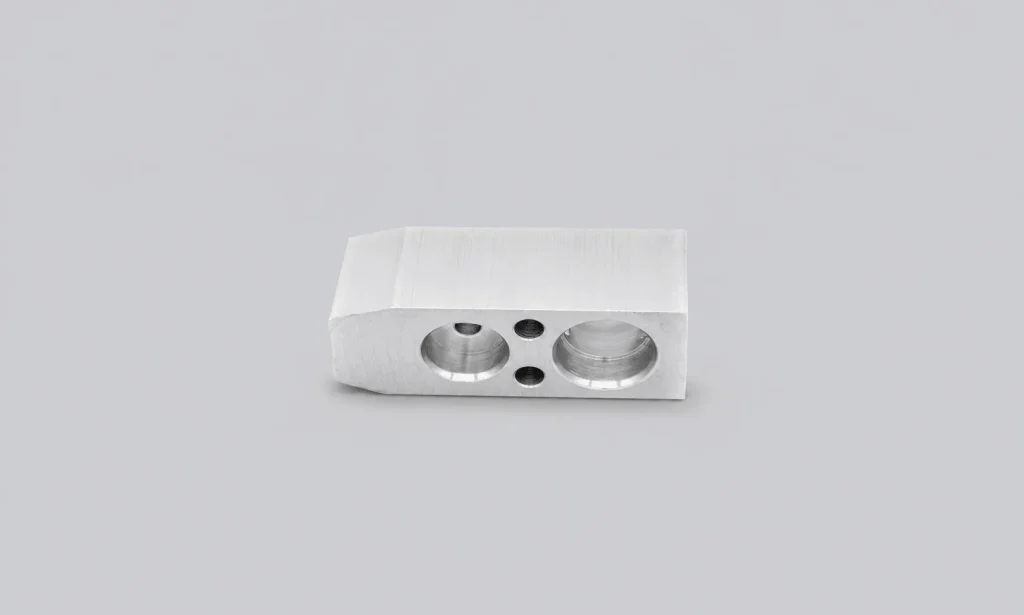
Custom extruded profiles for structural, hollow, and heat-dissipating parts with a consistent cross-section along their length.

  • Aluminum, copper, brass, steel & stainless steel
  • Solid, hollow, multi-channel & complex profiles
  • Custom die design, CNC machining & finishing
  • Sample validation, low-volume & production support
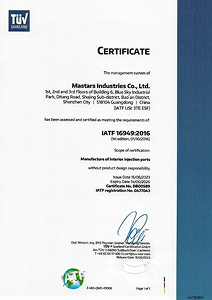
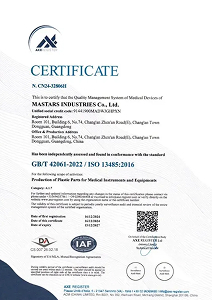
ISO 9001:2015 | ISO 13485:2016 | IATF 16949:2016

Custom Metal Extrusion Services
800+
Global Customers Served
11 in
Max Profile Width
53 ft
Max Extrusion Length
±0.10 mm
Linear Tolerance

Metal Extrusion Capabilities

Custom Extruded Profiles
Custom constant-section profiles for rails, frames, housings, channels, enclosures, and other industrial parts designed around your required cross-section.
Get a Quote
Solid & Open Profiles
Bars, rails, channels, and U-, T-, H-, I-, or Z-shaped sections for structural, mounting, framing, and general industrial applications.
Get a Quote
Hollow & Multi-Channel Profiles
Closed hollow sections, tubing, internal channels, and multi-void profiles for enclosures, fluid routing, structural support, and thermal management.
Get a Quote
Thin-Wall & Complex Profiles
Asymmetric, thin-wall, finned, and geometry-dense sections requiring balanced metal flow, controlled wall transitions, and stable cooling.
Get a Quote
Structural & Load-Bearing Profiles
Frames, supports, rails, and structural sections designed around stiffness, strength, section efficiency, straightness, and assembly requirements.
Get a Quote
Heat Sink & Thermal Profiles
Finned and multi-channel profiles for heat dissipation, with section geometry matched to thermal performance, machining, and finishing requirements.
Get a Quote
Precision Fit Profiles
Profiles with critical mating, alignment, or assembly interfaces where extrusion tolerance and downstream machining must be planned together.
Get a Quote
Ready-to-Use Extruded Parts
Extruded components delivered with required cutting, holes, slots, machining, finishing, and assembly rather than as raw profile stock.
Get a Quote

Metal Extrusion Process Options

Metal extrusion forces a metal billet through a shaped die to create a continuous profile with a substantially constant cross-section. The profile is then cooled, straightened, heat-treated when required, cut to length, and machined or finished as needed. Direct and indirect describe billet and die movement, while hot, warm, and cold describe the forming temperature.
Process Best For Key Advantage Main Limitation
Direct Extrusion General structural, hollow, and custom profiles Flexible and widely used for complex continuous sections Billet-container friction increases heat, die load, and flow variation
Indirect Extrusion Profiles needing more consistent metal flow and surface condition Lower friction can improve flow consistency and reduce heat generation Profile size and equipment options are more limited
Hot Extrusion Larger profiles and metals requiring greater forming ductility Lower forming force and better flow through complex sections Thermal contraction, oxidation, and cooling variation require control
Warm Extrusion Parts needing a balance of formability, strength, and surface condition Lower forming force than cold extrusion with less thermal exposure than hot extrusion Process window and die loading require tighter control
Cold Extrusion Smaller precision components and suitable ductile alloys Good dimensional definition, surface finish, and work-hardened strength Higher forming loads and more restrictive size and geometry
Custom Metal Extrusion

Custom Metal Extrusion

Custom metal extrusion starts with the cross-section, not a catalog profile. We match die architecture, alloy and temper, wall transitions, internal voids, cut length, tolerance zones, and secondary machining to the part’s structural, thermal, electrical, cosmetic, and assembly requirements. Where extrusion alone cannot hold a local feature economically, machining stock can be retained and the critical interface finished after extrusion.

Materials for Metal Extrusion

Aluminum is the primary material for custom metal extrusion, while copper, brass, bronze, magnesium, carbon steel, and stainless steel cover electrical, thermal, corrosion, wear, and higher-load requirements. For custom aluminum extrusion, 6061 and 6063 are common starting points: 6061 favors structural strength and machining, while 6063 favors extrusion behavior and surface finish.
6061 Aluminum
6063 Aluminum
6005 & 6082 Aluminum
Copper
Brass & Bronze
Carbon Steel
Stainless Steel
Magnesium
6061 Aluminum
6061 Aluminum
6061 Aluminum
6061 Aluminum
6061 Aluminum
6061 Aluminum
6061 Aluminum
6061 Aluminum
6061 Aluminum

6061 is a structural aluminum alloy selected when strength, machinability, corrosion resistance, and downstream CNC machining are important. Its typical yield strength is approximately 40,000 psi, making it suitable for load-bearing and industrial profiles.

Key Characteristics

Typical yield strength: ~40,000 psi

Good structural strength

Good corrosion resistance

Good machinability

For complex or thin-wall sections, profile balance, cooling, straightening, and heat treatment should be reviewed together with the required structural performance.

Common Grades

6061-T6

Typical Applications

Machine frames

Structural rails

Transportation profiles

Industrial housings

Available Finishes

Anodizing, powder coating

6063 Aluminum
6063 Aluminum
6063 Aluminum
6063 Aluminum
6063 Aluminum
6063 Aluminum
6063 Aluminum
6063 Aluminum
6063 Aluminum

6063 is commonly selected for profiles where extrusion behavior, surface appearance, dimensional consistency, and anodized finish are important. Its typical yield strength is approximately 20,000 psi, lower than 6061 but well suited to many enclosure and architectural-style profiles.

Key Characteristics

Typical yield strength: ~20,000 psi

Good extrusion capability

Good surface appearance

Suitable for decorative finishing

Use 6063 when surface quality and profile complexity matter more than maximum structural strength. Critical mating features can be CNC machined after extrusion.

Common Grades

6063-T5

Typical Applications

Enclosures

Frames and rails

Heat-sink profiles

Visible structural profiles

Available Finishes

Anodizing, powder coating, brushing

6005 & 6082 Aluminum

6005 and 6082 are structural aluminum options for profiles requiring higher mechanical loading than typical cosmetic or enclosure sections. They are commonly considered for frames, transportation structures, mounting systems, and industrial components.

Key Characteristics

Structural aluminum grades

Good strength-to-weight ratio

Suitable for long profiles

Compatible with machining and finishing

Higher-strength structural alloys can require more attention to section thickness, die flow, cooling, straightness, and final temper requirements.

Common Grades

6005-T5 / T6

6082-T6

Typical Applications

Structural frames

Mounting rails

Transportation components

Industrial support profiles

Copper
Copper
Copper
Copper
Copper
Copper
Copper
Copper
Copper

Copper extrusion is used where electrical conductivity, thermal transfer, corrosion resistance, or ductility is more important than low weight. It is particularly relevant to electrical, thermal-management, plumbing, and industrial components.

Key Characteristics

High electrical conductivity

High thermal conductivity

Good corrosion resistance

Good ductility

Material flow, extrusion force, profile size, and post-machining requirements should be reviewed early because copper behaves differently from aluminum during extrusion.

Typical Applications

Electrical conductors

Thermal profiles

Busbar-style sections

Industrial fittings

Brass & Bronze

Brass and bronze are used for custom profiles that need corrosion resistance, wear resistance, mechanical strength, or a copper-alloy surface appearance. They are common in industrial hardware, fittings, architectural products, and electrical components.

Key Characteristics

Good corrosion resistance

Good wear behavior

Good mechanical strength

Distinct metallic appearance

Alloy composition affects extrusion force, dimensional behavior, machining, and final surface condition, so the exact alloy should be confirmed before die design.

Typical Applications

Valves and fittings

Door and window hardware

Electrical components

Industrial profiles

Carbon Steel

Steel extrusion is suitable for structural or industrial profiles where stiffness, strength, wear resistance, or load capacity is more important than weight. It can be used for rails, supports, hardware, and heavy-duty components.

Key Characteristics

High strength

High stiffness

Good wear resistance

Suitable for structural loads

Steel generally requires higher forming loads and elevated processing temperatures than aluminum. Profile geometry and press capacity therefore become more important during DFM review.

Typical Applications

Structural rails

Machine components

Heavy-duty supports

Industrial hardware

Stainless Steel

Stainless steel is selected for extruded profiles requiring strength together with corrosion resistance, particularly in industrial, architectural, marine, and equipment applications.

Key Characteristics

High corrosion resistance

High strength

Good durability

Suitable for harsh environments

Higher forming resistance increases tooling and process demands. Tight dimensional requirements may require secondary CNC machining after extrusion.

Typical Applications

Industrial hardware

Marine components

Architectural profiles

Corrosion-resistant supports

Magnesium

Magnesium extrusion is used when low mass is a priority and the design still requires a structural metal profile. It can support lightweight frames and structural components in transportation and other weight-sensitive applications.

Key Characteristics

Very low density

High strength-to-weight ratio

Suitable for lightweight structures

Machinable after extrusion

Alloy selection, temperature control, section geometry, and finishing requirements should be reviewed together because magnesium processing differs from aluminum.

Typical Applications

Lightweight frames

Transportation structures

Equipment supports

Weight-sensitive assemblies

Surface Finishing for Metal Extrusions

Surface finishing should be selected around alloy, corrosion exposure, appearance, wear, conductivity, and mating requirements. Coating buildup should be included in the tolerance stack for holes, slots, sliding surfaces, threads, and other critical interfaces.
Surface Finish Best For Typical Thickness / Result Engineering Consideration
As-Extruded Functional profiles where appearance is secondary Approx. 1.6–3.2 μm Ra Alloy, die condition, and extrusion speed affect surface quality
Type II Anodizing Cosmetic and corrosion-resistant aluminum profiles Typically 5–25 μm Account for oxide growth on precision fits and mating surfaces
Type III Hard Anodizing Wear-resistant aluminum profiles Typically 25–50 μm Greater buildup matters on bores, slots, threads, and sliding interfaces
Powder Coating Frames, housings, rails, and outdoor profiles Typically 60–120 μm Mask tight fits and allow clearance for coating buildup
Wet Painting Specific colors, gloss levels, and cosmetic requirements Typically 20–50 μm Pretreatment and film thickness affect adhesion and dimensions
Chemical Film / Conversion Coating Aluminum requiring corrosion protection with minimal buildup Very thin conversion layer Useful where grounding or electrical contact must be maintained
Electroplating Steel, copper, brass, and selected stainless profiles Typically 5–25 μm, process-dependent Edge buildup must be considered on precision interfaces
Mechanical Polishing Visible and decorative metal surfaces Roughness target per drawing Heavy polishing can soften edges and alter small features
Sandblasting / Bead Blasting Uniform matte texture before anodizing or coating Matte surface; no coating buildup Changes surface texture and can soften sharp edges
Media Tumbling Smaller cut extrusion parts requiring deburring Smoothed edges and more uniform texture Better suited to shorter parts than long delicate profiles

Metal Extrusion Tolerances & Precision

Metal extrusion tolerances depend on alloy, profile size, wall thickness, section balance, hollow geometry, cooling, straightening, and temper. We separate profile-level tolerance from local machining tolerance, using FAI and CMM verification for dimensions that directly affect fit, alignment, or assembly.
Precision Item Typical Capability Engineering Consideration
As-Extruded Linear Dimensions Down to ±0.10 mm Depends on alloy, profile size, wall thickness, and section complexity
CNC-Machined Critical Features Down to ±0.005 mm Use for datums, holes, slots, mating faces, and critical interfaces
CMM Measurement Accuracy 0.0017 mm Supports verification of critical dimensional and geometric requirements
As-Extruded Surface Roughness Approx. 1.6–3.2 μm Ra Influenced by alloy, die condition, extrusion speed, and finishing
Straightness / Bow Drawing-specific Length, section symmetry, cooling, and stretch straightening affect final condition
Twist Drawing-specific Thin-wall, asymmetric, hollow, and long profiles carry greater torsional risk
Post-Finish Critical Dimensions Drawing-specific Anodizing, plating, and coating buildup must be considered on tight fits

Metal Extrusion Equipment

Hartford LG-1000 CNC Machining Center

Hartford LG-1000 CNC Machining Center

Okamoto ACC350Ⅱ Grinding Machine

Okamoto ACC350Ⅱ Grinding Machine

Zeiss CONTURA G2 CMM

Zeiss CONTURA G2 CMM

Why Choose Mastars for Metal Extrusion?

Quality Systems
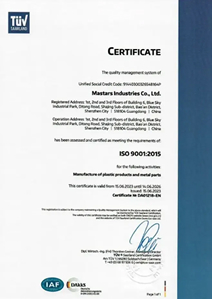
ISO 9001:2015, ISO 13485:2016, and IATF 16949:2016 support controlled inspection and documentation. FAI and CMM verify critical profile dimensions, datums, and machined interfaces.
Engineering & Project Support
100+ engineering and design professionals review profile geometry, alloy selection, section balance, die design, and critical dimensions before tooling and trial extrusion.
Manufacturing Experience
With 20+ years of manufacturing experience, Mastars supports metal extrusion from die development and trial extrusion through straightening, secondary machining, finishing, and repeat production.
Flexible Capacity
5+ production bases support trial runs, repeat orders, and changing order quantities as demand develops.
Metal Extrusion DFM Review
Review wall thickness, hollow sections, corner radii, section balance, metal flow, and critical dimensions before die manufacturing, when profile changes and die corrections are still easier to manage.
Integrated Manufacturing
Coordinate die development, extrusion, cutting, drilling, punching, bending, CNC machining, finishing, inspection, and assembly through one manufacturing partner.

Certifications

ISO9001:2015 Certificate

ISO9001:2015 Certificate

IATF16949:2016 Certificate

IATF16949:2016 Certificate
ISO13485:2016 Certificate

ISO13485:2016 Certificate

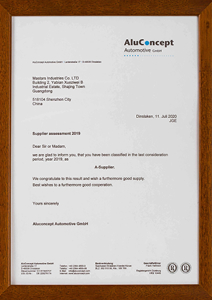
Medical A-Class Supplier

Medical A-Class Supplier

Partners

445 Projects
xylem
Bentley
Aston Martin
HARMAN
Annabella
Auer Lighting
NVIDIA
Compac
G4S
hs products
luxshareict
KK
Bioness
SGM
Nmble
Lear
LLEN&HEAT
belkin
DaAn Gene
MAGNA
pdd
Flite
simens
philips
maxwell
Land Rover

How to Work with Us

Share Your Project

Send a CAD file, drawing, or brief. Start with what you have.

Engineering Review & Quote

We review your requirements and confirm the process, price, and lead time.

We Make Your Parts

Once approved, we prepare the process and manufacture your parts.

Inspection & Delivery

We inspect, pack, and ship your finished parts.

What Our Customers Say

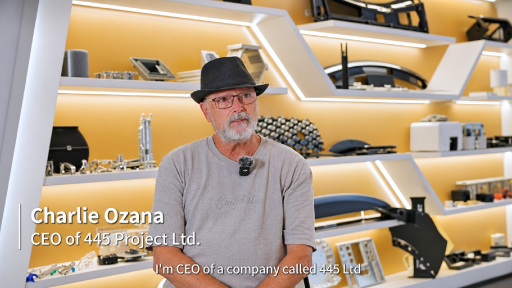
Charlie Ozana

Charlie Ozana

Company: 445 LTDJob Title: CEOBusiness: Full turnkey company
Mastars in all my projects are partners. So I get all the support that I need from engineering management, pricing, timetable, QA, everything is as a partner, not as a supplier. For me, Masters is like home.
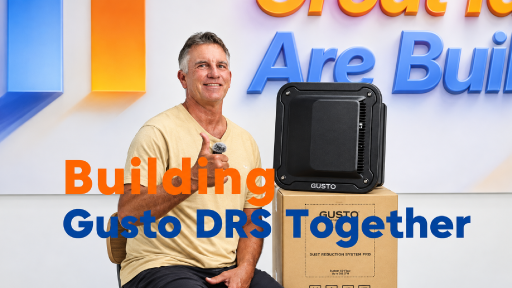
Nathan Johnson

Nathan Johnson

Company: Gusto Global IndustriesJob Title: DirectorBusiness: Dust reduction system
They were such a lovely company to deal with, and we couldn't be more happier even to today down the track with even more products moving forward. Very professional, easy to deal with, get back to you straight away, contact is easy through WeChat and email, move forward as quickly as you can.
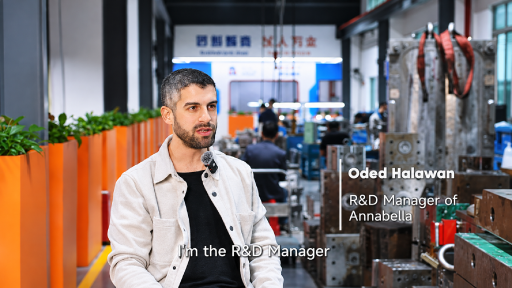
Oded Halawani

Oded Halawani

Company: Annabella Tech IsraelJob Title: R&D managerBusiness: Breast pump
We managed to make it in a very short time warm prototyping to mass production and FDA approval. That makes me feel confidence to choose Mastars.
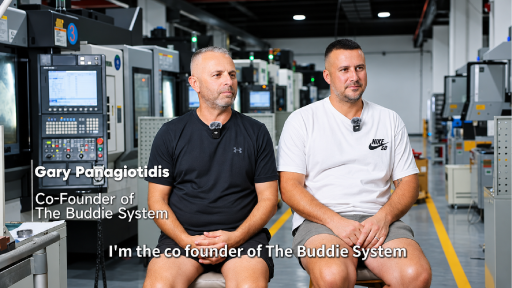
Jade Harris

Jade Harris

Company: Buddy SystemJob Title: Co-founderBusiness: Wireless instant safety alert device
We're glad that we found a company like Mastars to make the product for us because it's been so good to deal with. They're a really good company.
Dror Harel

Dror Harel

Company: BlonessJob Title: General ManagerBusiness: L300, H200
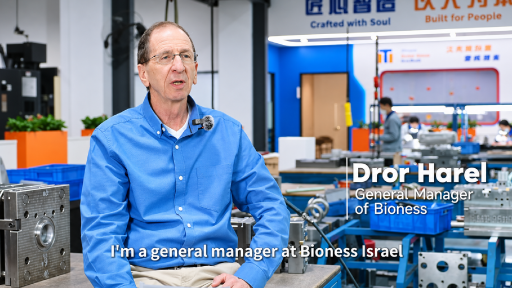
I think the relationship between the buyers and definitely between me the Mastars it's like a family relationship and this is why we are so happy to produce in Mastars and this is why we came for 15 years. By the way, now we came with a new product that we come to Master to produce for the new year.

Metal Extrusion FAQs

  • Is metal extrusion right for my part?

    Often yes if the part has a consistent cross-section along its length. Extrusion works well for rails, frames, tubes, housings, heat sinks, and structural profiles. If the geometry changes significantly along the length or the design is still changing at very low volume, CNC machining, casting, or fabrication may be more practical.

  • What materials can you use for custom metal extrusion?

    We support aluminum, copper, brass, bronze, magnesium, steel, and stainless steel. For aluminum, 6061 is commonly selected for higher structural strength and machining, while 6063 is preferred when extrusion behavior and anodized appearance matter more. 6005 and 6082 are also useful for structural profiles.

  • How tight can metal extrusion tolerances be?

    Linear extrusion tolerances can reach about ±0.10 mm on suitable profiles. Actual capability depends on alloy, profile size, wall thickness, hollow geometry, bow, twist, and cooling behavior. Critical holes, slots, datums, and mating surfaces can be CNC machined after extrusion when tighter local tolerances are required.

  • Do I need a custom extrusion die?

    Usually yes for a unique cross-section. The die is designed around the profile geometry, alloy, wall thickness, internal voids, and expected production volume. Standard tooling may work for simple existing sections, but a custom die gives more control over function, weight, assembly, and material use.

  • How long does custom metal extrusion take?

    Typically 4–6 weeks for first production. Lead time depends on die complexity, alloy, hollow features, trial results, die corrections, machining, and finishing. Complex profiles may need more than one trial before dimensional stability and metal flow are ready for repeat production.

  • What happens if the first extrusion sample is out of tolerance?

    The die or process is corrected before repeat production. Sample extrusion is used to check cross-section, bow, twist, surface condition, and critical dimensions. If a sample reveals dimensional or flow issues, die correction and process adjustment are completed before production is released.

  • Is metal extrusion economical for low-volume production?

    It depends on quantity and design maturity. Extrusion requires tooling, so CNC machining may be more economical for very small quantities or frequently changing designs. Once the profile is stable and demand repeats, extrusion becomes more attractive because it produces the near-net cross-section continuously with relatively low material waste.

  • Can you machine and finish extruded profiles after extrusion?

    Yes. Extruded profiles can be cut, drilled, tapped, punched, bent, CNC machined, anodized, powder coated, painted, plated, polished, and assembled as required. This is especially useful when the extrusion creates the main section efficiently but the finished component still needs local holes, mating surfaces, cutouts, or cosmetic finishing.

  • Can you make hollow or multi-channel metal profiles?

    Yes, but the cross-section needs careful DFM review. Internal voids, wall thickness, tongue ratios, metal flow, weld lines, cooling, and straightening all affect whether a hollow profile can be produced consistently. Complex multi-channel sections may require die trials and correction before production is released.

  • What do you need for a metal extrusion quote?

    A CAD file is enough to start. For a more accurate quote, include the alloy and temper, expected quantity or annual volume, cut length, critical dimensions, straightness or twist requirements, surface finish, secondary machining, and inspection requirements. Rough information is fine for an initial review.

Tell Us About Your Project

Share your project details and files with us. Rough information is fine to start. Our engineering consultant will contact you within 24 hours.

Verification code