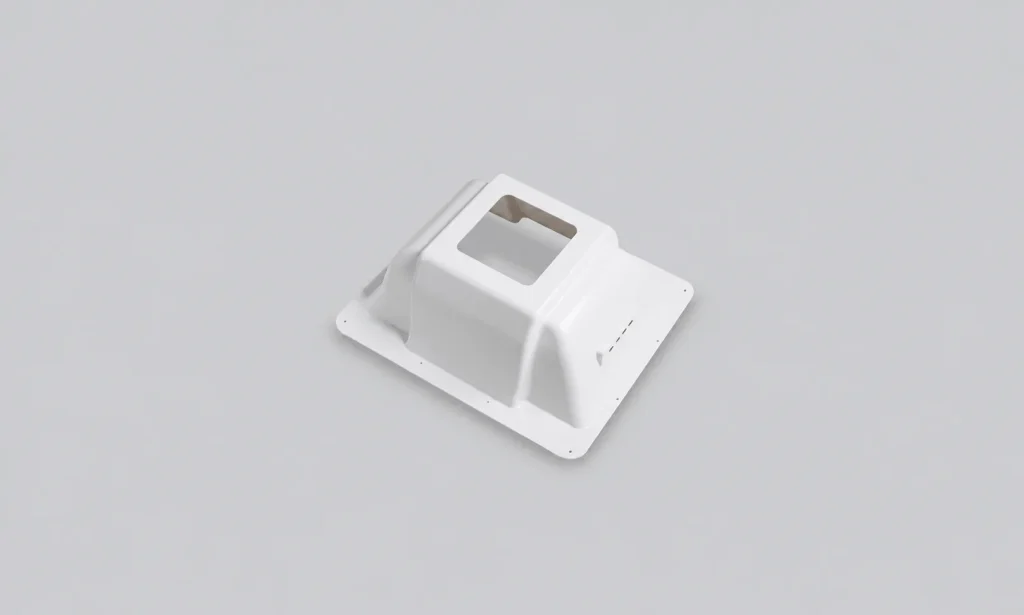


Insert Molding

Custom Insert Molding Services

Insert injection molding places metal or functional inserts in the mold before plastic is injected around them, reducing secondary assembly and improving part strength and consistency.

  • Threaded inserts, pins, contacts & magnets
  • DFM review before tooling
  • Prototype to production support
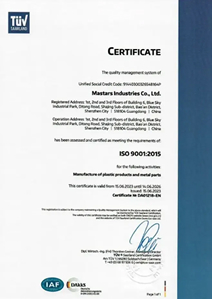
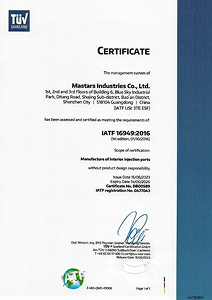
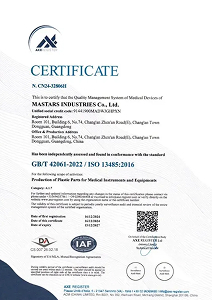
ISO 9001:2015 | ISO 13485:2016 | IATF 16949:2016

Custom Insert Molding Services
±0.05 mm
Injection Molding Precision
0.002 mm
Mold Precision
200+
Plastic Materials Available
20+
Years of Manufacturing Experience

Insert Injection Molding Capabilities

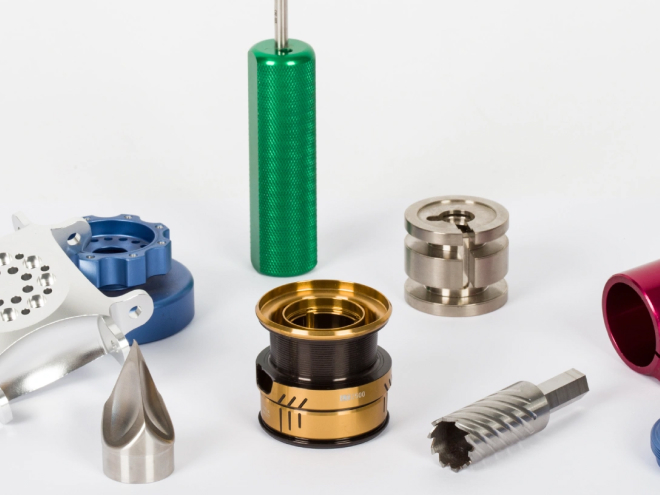
Threaded & Metal Insert Molding
Mold threaded inserts, pins, bushings, shafts, and custom metal components directly into plastic parts for stronger mounting and repeat assembly.
Get a Quote
Functional Component Molding
Integrate electrical contacts, magnets, terminals, and other functional components during molding to reduce secondary assembly steps.
Get a Quote
Custom Insert Design Support
Review insert geometry, positioning, material compatibility, and molding risks before tooling to improve manufacturability.
Get a Quote
Insert Placement & Process Control
Optimize insert positioning, fixing methods, and molding parameters to improve consistency and reduce production risks.
Get a Quote

Insert Molding vs Traditional Assembly

Insert molding is often selected when a part needs embedded components, fewer assembly operations, or repeatable insert positioning. Mastars evaluates the manufacturing route based on part design and production requirements.
Comparison Factor Insert Injection Molding Traditional Assembly
Best For Plastic parts requiring embedded metal or functional components Products assembled from separate molded and metal parts
Manufacturing Process Inserts are positioned in the mold and encapsulated during injection molding Components are manufactured separately and assembled afterward
Key Advantages Reduces assembly operations, improves alignment, and increases part consistency Lower upfront tooling requirements and easier design modifications
Design Considerations Insert geometry, positioning accuracy, material compatibility, and mold structure Assembly tolerance, fastening method, and component alignment
Typical Applications Automotive components, medical devices, electronics, industrial parts Products requiring frequent changes or simple mechanical assembly
Engineering Review Before Production Insert retention, thermal expansion, shrinkage, mold flow, and production risks Assembly sequence, tolerance stack-up, and fastening reliability
Custom Insert Injection Molding

Custom Insert Injection Molding

Every insert molded part needs the right combination of insert geometry, resin, retention method, loading strategy, and inspection. Mastars adjusts tooling, insert placement, molding parameters, and quality controls around your part requirements.

Insert Injection Molding Materials

Choose resin and insert materials together. Common inserts include brass, stainless steel, carbon steel, aluminum, copper, magnets, and ceramics. Shrinkage and thermal expansion affect retention, dimensional stability, and cracking risk.
ABS
Polycarbonate (PC)
PA (Nylon)
POM (Acetal)
PBT
ABS
ABS
ABS
ABS
ABS
ABS
ABS
ABS
ABS

ABS is commonly selected for insert molded parts requiring balanced strength, impact resistance, surface finish, and cost efficiency. It provides good dimensional stability and is widely used for housings and functional components.

Key Characteristics

Good impact resistance

Easy processing

Good surface appearance

Balanced strength and stiffness

Common Grades

General-purpose ABS

Flame-retardant ABS

High-impact ABS

Typical Applications

Electronics housings

Control panels

Industrial covers

Consumer products

Polycarbonate (PC)
Polycarbonate (PC)
Polycarbonate (PC)
Polycarbonate (PC)
Polycarbonate (PC)
Polycarbonate (PC)
Polycarbonate (PC)
Polycarbonate (PC)
Polycarbonate (PC)

PC is selected when insert molded parts require high impact resistance, transparency, and dimensional stability under demanding conditions.

Key Characteristics

High impact strength

Good temperature resistance

High dimensional stability

Transparent grades available

Common Grades

Optical-grade PC

Flame-retardant PC

Glass-filled PC

Typical Applications

Electrical components

Protective covers

Medical device housings

Industrial parts

PA (Nylon)
PA (Nylon)
PA (Nylon)
PA (Nylon)
PA (Nylon)
PA (Nylon)
PA (Nylon)
PA (Nylon)
PA (Nylon)

PA is widely used for structural insert molded components where strength, wear resistance, and mechanical performance are required. Glass fiber reinforcement can improve stiffness and dimensional stability.

Key Characteristics

High mechanical strength

Good wear resistance

Excellent fatigue performance

Reinforced grades available

Common Grades

PA6

PA66

Glass-filled PA

Typical Applications

Automotive components

Mechanical parts

Structural brackets

Connectors

POM (Acetal)
POM (Acetal)
POM (Acetal)
POM (Acetal)
POM (Acetal)
POM (Acetal)
POM (Acetal)
POM (Acetal)
POM (Acetal)

POM is suitable for insert molded parts requiring low friction, dimensional accuracy, and repeated mechanical movement.

Key Characteristics

Low friction

Excellent dimensional stability

Good wear resistance

Low moisture absorption

Common Grades

Natural POM

Glass-filled POM

Lubricated POM

Typical Applications

Gears

Bushings

Precision components

PBT
PBT
PBT
PBT
PBT
PBT
PBT
PBT
PBT

PBT is widely used for insert molded electrical and connector components requiring dimensional stability, heat resistance, and low moisture absorption.

Key Characteristics

Good dimensional stability

Low moisture absorption

Good electrical insulation

Heat-resistant grades available

Common Grades

General-purpose PBT

Glass-filled PBT

Flame-retardant PBT

Typical Applications

Electrical connectors

Terminals

Sensor housings

Automotive electrical components

Surface Finishing Options for Insert Molded Parts

Surface finishing is selected based on appearance, durability, branding, and functional requirements. Mastars provides finishing options for insert molded parts, from mold textures to secondary decoration processes.
Name Applicable Materials Colors / Effects Considerations
Mold Texture ABS, PC, PA, PP Matte, grain, custom texture Applied through mold surface
Painting ABS, PC, PC/ABS Custom colors, gloss, matte Cosmetic appearance and protection
UV Coating ABS, PC, PC/ABS High gloss, scratch resistance Improves surface durability
Laser Marking Engineering Plastics Logos, codes, permanent marks Suitable for traceability
Pad Printing ABS, PC, PP Text, symbols, logos Suitable for curved surfaces
Screen Printing ABS, PC, PMMA Graphics, labels Best for flat surfaces

Insert Molding Tolerances

Tolerances depend on insert positioning, resin shrinkage, geometry, and mold structure. Apply tighter limits where fit, alignment, electrical connection, or retention actually requires them.
Tolerance Item Typical Capability Engineering Consideration
High-Precision Critical Features Down to ±0.025 mm Insert-adjacent, mating, and alignment features
General Injection Molding Precision Down to ±0.05 mm General controlled molded dimensions
Mold Precision Down to 0.002 mm Supports cavity, core, and insert positioning
Typical Wall Thickness 0.5–3 mm Resin flow, insert geometry, and part size
Insert Position Accuracy Part-specific Loading method, fixture design, injection pressure, and thermal effects
Part-to-Part Consistency Process-controlled Stable placement, molding parameters, and inspection
* Typical values only. Shrinkage, wall thickness, and part geometry affect final accuracy, and are confirmed during mold design and DFM review.

Insert Molding Equipment & Manufacturing Capabilities

Haitian MA900 Injection Molding Machine

Haitian MA900 Injection Molding Machine

JSW M4OR Injection Molding Machine

JSW M4OR Injection Molding Machine

L.K Injection Molding Machine

L.K Injection Molding Machine

Why Choose Mastars for Insert Molding?

Quality Systems
ISO 9001, ISO 13485, and IATF 16949 systems support controlled production and documentation. FAI, CMM, optical, pull-out, torque, and in-process checks can be applied based on insert function.
Engineering & Project Support
100+ engineers coordinate part design, tooling, quality, production, and delivery so insert changes and molding requirements stay aligned through trials and production.
Manufacturing Experience
Our mold project engineers bring 20+ years of industry experience, supporting insert molding from DFM and mold design through trials, corrections, and production release.
Flexible Capacity
With tooling capacity of 50–60 mold sets per month and 5+ production bases, Mastars supports mold trials, pilot builds, changing volumes, and repeat production as programs scale.
Insert Molding DFM Review
Review insert type, positioning, wall thickness, shrinkage, draft, and mold structure before tooling to reduce misalignment, molding defects, and avoidable mold changes.
Integrated Manufacturing
Keep tool design, mold manufacturing, trials, insert molding, inspection, and production coordination within one manufacturing program instead of managing multiple suppliers.

Certifications

ISO9001:2015 Certificate

ISO9001:2015 Certificate

IATF16949:2016 Certificate

IATF16949:2016 Certificate

ISO13485:2016 Certificate

ISO13485:2016 Certificate

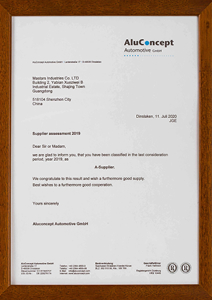
Medical A-Class Supplier

Medical A-Class Supplier

Partners

445 Projects
xylem
Bentley
Aston Martin
HARMAN
Annabella
Auer Lighting
NVIDIA
Compac
G4S
hs products
luxshareict
KK
Bioness
SGM
Nmble
Lear
LLEN&HEAT
belkin
DaAn Gene
MAGNA
pdd
Flite
simens
philips
maxwell
Land Rover

How to Work with Us

Share Your Project

Send a CAD file, drawing, or brief. Start with what you have.

Engineering Review & Quote

We review your requirements and confirm the process, price, and lead time.

We Make Your Parts

Once approved, we prepare the process and manufacture your parts.

Inspection & Delivery

We inspect, pack, and ship your finished parts.

What Our Customers Say

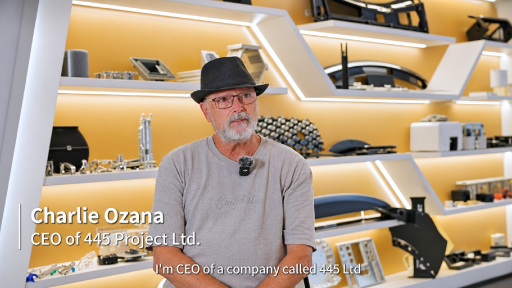
Charlie Ozana

Charlie Ozana

Company: 445 LTDJob Title: CEOBusiness: Full turnkey company
Mastars in all my projects are partners. So I get all the support that I need from engineering management, pricing, timetable, QA, everything is as a partner, not as a supplier. For me, Masters is like home.
Nathan Johnson

Nathan Johnson

Company: Gusto Global IndustriesJob Title: DirectorBusiness: Dust reduction system
They were such a lovely company to deal with, and we couldn't be more happier even to today down the track with even more products moving forward. Very professional, easy to deal with, get back to you straight away, contact is easy through WeChat and email, move forward as quickly as you can.
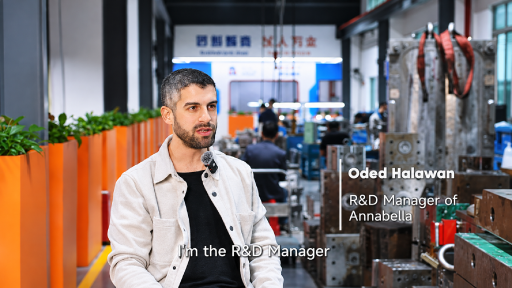
Oded Halawani

Oded Halawani

Company: Annabella Tech IsraelJob Title: R&D managerBusiness: Breast pump
We managed to make it in a very short time warm prototyping to mass production and FDA approval. That makes me feel confidence to choose Mastars.
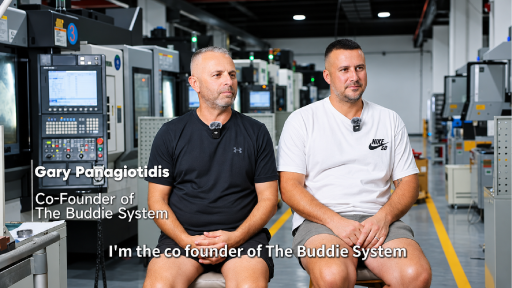
Jade Harris

Jade Harris

Company: Buddy SystemJob Title: Co-founderBusiness: Wireless instant safety alert device
We're glad that we found a company like Mastars to make the product for us because it's been so good to deal with. They're a really good company.
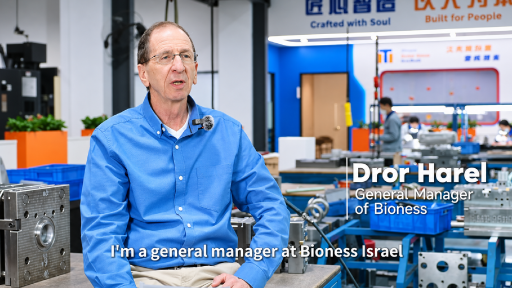
Dror Harel

Dror Harel

Company: BlonessJob Title: General ManagerBusiness: L300, H200
I think the relationship between the buyers and definitely between me the Mastars it's like a family relationship and this is why we are so happy to produce in Mastars and this is why we came for 15 years. By the way, now we came with a new product that we come to Master to produce for the new year.

Insert Molding FAQs

  • What is insert injection molding?

    Insert injection molding integrates metal or functional components into plastic parts during injection molding. Inserts are placed into the mold and surrounded by plastic, reducing assembly steps and improving part strength and consistency.

  • What types of inserts can be used for insert molding?

    Common inserts include threaded inserts, metal pins, bushings, electrical contacts, and magnets. Insert selection depends on strength requirements, material compatibility, and final application needs.

  • Can you mold threaded inserts into plastic parts?

    Yes. Molded-in threaded inserts improve thread durability and eliminate a secondary installation step. Heat-set inserts may be more practical for low-volume parts or designs that change frequently.

  • What materials are suitable for insert injection molding?

    Common resins include ABS, PC, PA, POM, PBT, PPS, PEEK, and reinforced grades. Common inserts include brass, stainless steel, aluminum, copper, magnets, and ceramics. Selection depends on shrinkage, thermal expansion, strength, and service conditions.

  • What should I consider when designing an insert molded part?

    Key factors include insert positioning, wall thickness, shrinkage, draft angles, and material compatibility. Early DFM review helps reduce molding defects and avoid tooling changes.

  • What is the difference between insert molding and overmolding?

    Insert molding places a preformed component in the mold before plastic is injected around it. Overmolding adds a second material layer over an existing substrate, typically for grip, sealing, protection, or multi-material performance.

  • How long does insert injection molding take?

    Selected insert-molded parts can be available in as fast as 15 days, with rapid tooling from 2 weeks.

  • Can you support insert molding prototypes before production?

    Yes. Prototype and pilot builds help validate insert position, assembly fit, and molding performance before full production tooling.

Tell Us About Your Project

Share your project details and files with us. Rough information is fine to start. Our engineering consultant will contact you within 24 hours.

Verification code