

Quality Management

Quality Management
CNC Machining Quality Control & Inspection

Quality control from engineering review through FAI, in-process inspection, CMM verification, material traceability, and final inspection for CNC prototypes and production parts.

  • FAI, IPQC & FQC inspection controls
  • CMM dimensional verification for critical features
  • Material verification & production traceability
  • Inspection reports based on project requirements
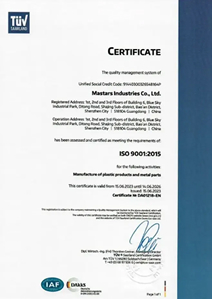
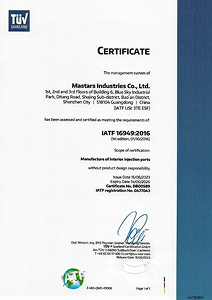
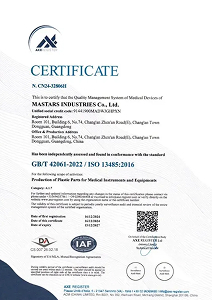
ISO 9001:2015 | ISO 13485:2016 | IATF 16949:2016
CNC Machining Quality Control & Inspection
800+
Global Customers
100+
Equipment Units
5+
Production Bases
100+
Engineering Professionals
CNC Quality Control Process

CNC Quality Control Process

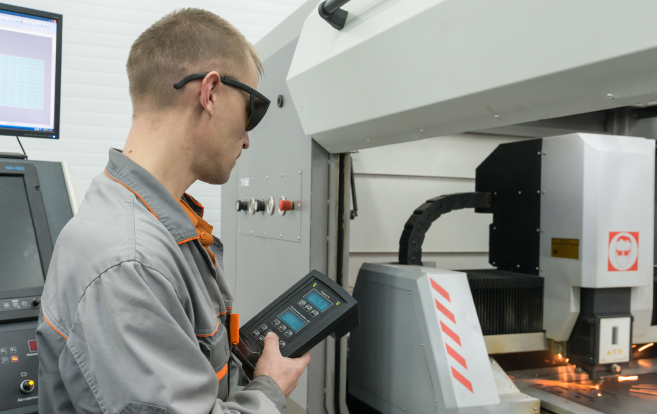
Quality control starts before machining and continues through production, final inspection, and documentation. Inspection scope is defined around drawing requirements, critical features, quantity, and application risk.

Before Machining: Review CAD files, drawings, GD&T, material, finish, critical dimensions, and inspection requirements before manufacturing release.

During Machining: FAI and in-process inspection (IPQC) monitor critical dimensions and process variation before issues continue across a production batch.

Final Inspection: Final quality inspection (FQC) verifies required dimensions, surface condition, finishes, and critical features before shipment. CMM or optical inspection is used where required.

Documentation & Traceability: Inspection records, material documentation, and traceability information are maintained according to project requirements for repeat orders and quality records.

CNC Quality Control Capabilities

CNC Quality Control Capabilities

Quality control covers more than final inspection. Mastars integrates drawing and GD&T review, material verification, first article inspection, in-process control, and final inspection into the CNC machining workflow so critical requirements are checked before issues carry into later production stages.

Depending on part requirements, inspection can include CMM measurement, optical measurement, surface and appearance checks, and critical feature verification. Material traceability, inspection records, and customer-specific inspection plans can also be maintained where required, helping engineering and procurement teams verify part quality from initial release through repeat production.

Quality Standards & Inspection Criteria

Quality Standards & Inspection Criteria

Inspection criteria are defined from approved drawings, GD&T, critical dimensions, materials, finishes, and customer-specific requirements. Critical-to-function features may require tighter inspection frequency or CMM verification, while noncritical dimensions can follow the agreed inspection plan.

For production orders, quality control may include FAI, IPQC, FQC, material traceability, and inspection records based on part requirements and application risk.

Engineering & Quality Team

Engineering & Quality Team

Engineering, quality, and production teams align drawing revisions, critical dimensions, material requirements, inspection methods, and acceptance criteria before manufacturing release. When a nonconformance is identified, the issue is reviewed against function, tolerance, and manufacturing risk before corrective action or disposition.

Inspection Equipment

Zeiss CONTURA G2 CMM / Measurement Equipment

Zeiss CONTURA G2 CMM / Measurement Equipment

Rational VMS-3020G CMM / Measurement Equipment

Rational VMS-3020G CMM / Measurement Equipment

Chotest SJ207 CMM / Measurement Equipment

Chotest SJ207 CMM / Measurement Equipment

Certifications

ISO9001:2015 Certificate

ISO9001:2015 Certificate

IATF16949:2016 Certificate

IATF16949:2016 Certificate

ISO13485:2016 Certificate

ISO13485:2016 Certificate

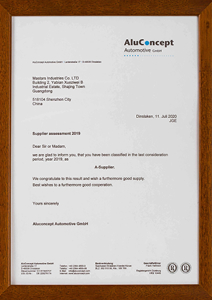
Medical A-Class Supplier

Medical A-Class Supplier

Partners

445 Projects
xylem
Bentley
Aston Martin
HARMAN
Annabella
Auer Lighting
NVIDIA
Compac
G4S
hs products
luxshareict
KK
Bioness
SGM
Nmble
Lear
LLEN&HEAT
belkin
DaAn Gene
MAGNA
pdd
Flite
simens
philips
maxwell
Land Rover

What Our Customers Say

Charlie Ozana

Charlie Ozana

Company: 445 LTDJob Title: CEOBusiness: Full turnkey company
Mastars in all my projects are partners. So I get all the support that I need from engineering management, pricing, timetable, QA, everything is as a partner, not as a supplier. For me, Masters is like home.
Nathan Johnson

Nathan Johnson

Company: Gusto Global IndustriesJob Title: DirectorBusiness: Dust reduction system
They were such a lovely company to deal with, and we couldn't be more happier even to today down the track with even more products moving forward. Very professional, easy to deal with, get back to you straight away, contact is easy through WeChat and email, move forward as quickly as you can.
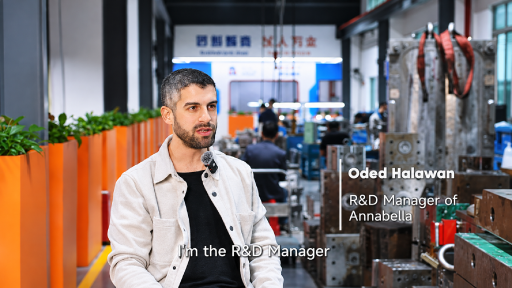
Oded Halawani

Oded Halawani

Company: Annabella Tech IsraelJob Title: R&D managerBusiness: Breast pump
We managed to make it in a very short time warm prototyping to mass production and FDA approval. That makes me feel confidence to choose Mastars.
Jade Harris

Jade Harris

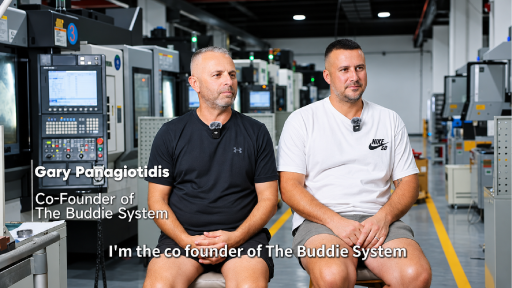
Company: Buddy SystemJob Title: Co-founderBusiness: Wireless instant safety alert device
We're glad that we found a company like Mastars to make the product for us because it's been so good to deal with. They're a really good company.
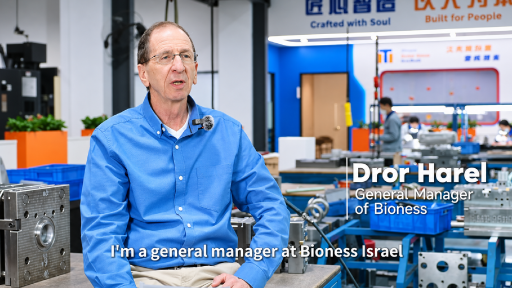
Dror Harel

Dror Harel

Company: BlonessJob Title: General ManagerBusiness: L300, H200
I think the relationship between the buyers and definitely between me the Mastars it's like a family relationship and this is why we are so happy to produce in Mastars and this is why we came for 15 years. By the way, now we came with a new product that we come to Master to produce for the new year.

CNC Machining Quality Control FAQs

  • How do you ensure quality in CNC machining?

    Quality control starts before machining and continues through production and final inspection. Depending on the project, Mastars uses engineering review, material verification, FAI, IPQC, FQC, CMM measurement, and documented inspection requirements.

  • What inspection methods are available for CNC machined parts?

    CMM, dimensional inspection, optical measurement, visual inspection, height measurement, and surface checks are available based on part requirements. Mastars has 15+ CMM systems with measuring capacity up to 1000 × 700 × 660 mm.

  • Can you provide FAI and inspection reports for CNC machining projects?

    Yes. FAI, dimensional inspection records, and other quality documentation can be provided based on project requirements. Inspection requirements should be defined before production whenever possible.

  • How do you maintain consistency during CNC production runs?

    Stable programs, workholding, process control, IPQC, final inspection, and revision control help maintain consistency across production batches. Critical features can receive additional inspection where required.

  • Do you provide material certifications and traceability for CNC parts?

    Yes, when required by the project. Material specifications, documentation, and traceability requirements should be identified before manufacturing so they can follow the order through production.

  • What CNC machining quality standards and certifications does Mastars follow?

    Mastars operates under ISO 9001:2015, ISO 13485:2016, and IATF 16949:2016 certified quality systems.

  • Can Mastars support CNC parts with tight tolerances and complex geometries?

    Yes. Critical CNC milling features can reach ±0.005 mm on suitable parts. Actual capability depends on geometry, material, workholding, thermal stability, machining strategy, and inspection method.

  • What quality documents can be included with CNC machining orders?

    Depending on project requirements, documentation can include FAI records, dimensional inspection reports, material documentation, traceability records, and other agreed manufacturing records.

  • When does quality control begin in the CNC machining process?

    Before machining. Drawing revision, tolerances, critical dimensions, materials, finishes, and inspection requirements should be reviewed before the manufacturing process is released.

  • Does Mastars support quality requirements for different industries?

    Yes. Inspection depth, documentation, traceability, and acceptance criteria can be adjusted to the part, application, customer specifications, and applicable quality requirements.

Tell Us About Your Project

Share your project details and files with us. Rough information is fine to start. Our engineering consultant will contact you within 24 hours.

Verification code