| Finish |
Suitable Materials |
Primary Benefit |
Bending / Dimensional Impact |
Typical Parts |
| Deburring & Edge Finishing |
Aluminum, steel, stainless, copper, brass |
Removes sharp cut edges |
Edge break can affect close mating features and exposed corners |
Brackets, channels, enclosures |
| Powder Coating |
Steel, aluminum |
Color, corrosion and wear protection |
Coating buildup affects holes, threads, grounding points, and tight fits |
Cabinets, housings, frames |
| Painting |
Steel, aluminum, stainless |
Wide color and cosmetic options |
Masking and film thickness should be defined around critical interfaces |
Covers, panels, equipment housings |
| Anodizing |
Aluminum |
Corrosion resistance and appearance |
Alloy, welds, and bend marks may show differently after anodizing |
Enclosures, brackets, panels |
| Brushing |
Stainless steel, aluminum |
Directional cosmetic finish |
Grain direction and bend orientation affect final appearance |
Visible covers and panels |
| Bead Blasting |
Aluminum, stainless steel |
Uniform matte texture |
Thin or large panels need distortion control |
Housings, covers, equipment panels |
| Polishing |
Stainless, brass, copper, aluminum |
Smooth or reflective surface |
Tight corners and deep returns limit polishing access |
Medical and decorative components |
| Electropolishing |
Stainless steel |
Cleanable, corrosion-resistant surface |
Removes a controlled surface layer around precision features |
Medical and food equipment |
| Plating |
Steel, copper, brass |
Corrosion protection or conductivity |
Coating thickness affects threads and mating dimensions |
Electrical and functional parts |
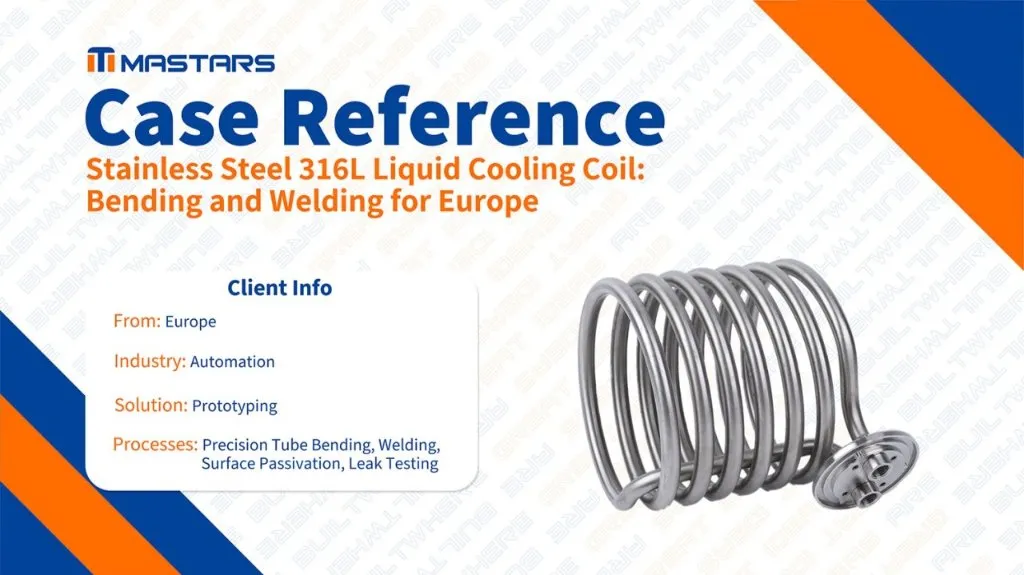
| Passivation |
Stainless steel |
Improves corrosion resistance after fabrication |
Minimal dimensional change |
Medical and industrial parts |




 English



 ISO 9001:2015 | ISO 13485:2016 | IATF 16949:2016













































 Headquarters


