

Low to Medium Volume Manufacturing

Low to Medium Volume Manufacturing
Low Volume Manufacturing Services

Move validated designs into low-to-medium volume production, including pilot builds, bridge production, market launches, and recurring small-batch demand.

  • Pilot builds, bridge production & market launch quantities
  • Flexible volumes for changing demand and product revisions
  • DFM review for cost, tooling & production-transition risks
ISO 9001:2015 | ISO 13485:2016 | IATF 16949:2016
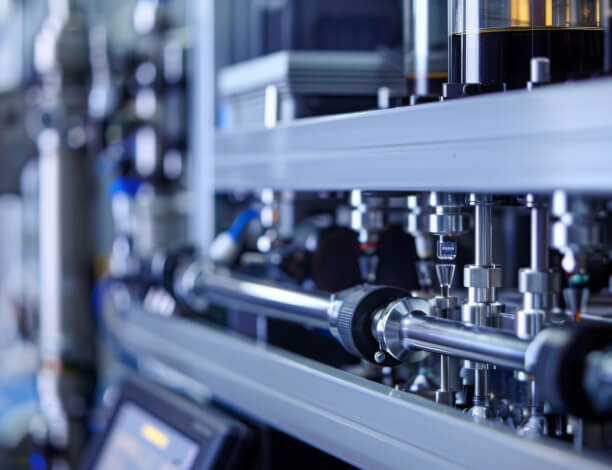
Low Volume Manufacturing Services
100+
Engineering Experts
5+
Production Bases
20+
Years Manufacturing
0 MOQ
Flexible Orders
What Is Low-Volume Manufacturing?

What Is Low-Volume Manufacturing?

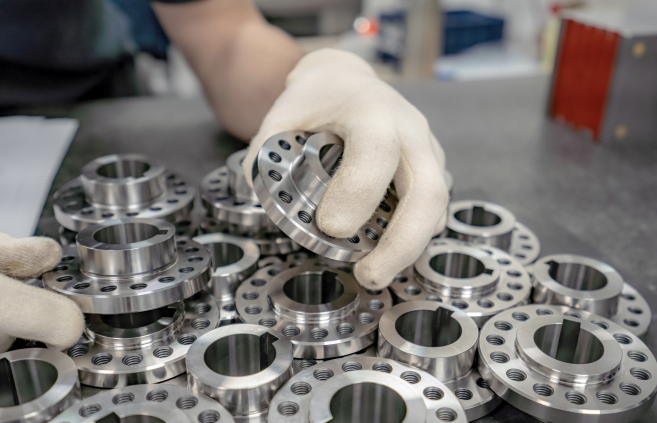
Low-volume manufacturing produces production-intent parts in smaller quantities after prototype validation and before full-scale production. It helps companies launch products, validate manufacturing processes, and respond to early demand without committing too early to high-volume manufacturing.

Unlike prototyping, low-volume manufacturing focuses on production readiness, using production materials, repeatable processes, inspection requirements, and manufacturing controls. Unlike mass production, it provides more flexibility when designs, quantities, or market demand may still change.

Mastars supports low-to-medium volume production by selecting the right manufacturing route based on part geometry, material, tolerance, tooling investment, quantity, and future production plans.

When Low-Volume Production Makes Sense

When Low-Volume Production Makes Sense

Low-volume production is suitable when a product design is validated, but demand, tooling investment, or production scale is not yet ready for full-scale manufacturing. It is commonly used for pilot builds, bridge production, market launches, spare parts, and products with uncertain or changing demand.

The main advantage is flexibility. Teams can manufacture production-intent parts, collect market feedback, adjust designs, and optimize processes before committing to larger tooling investments, inventory levels, or higher production volumes.

For some projects, CNC machining or 3D printing may remain the best choice because flexibility matters more than unit cost. For others, injection molding, tooling, or casting may become more practical as demand becomes stable and repeat production is required.

How We Manage Low-Volume Production

Mastars coordinates engineering, manufacturing, quality, and delivery around quantity, revisions, tooling strategy, and future production plans.
Engineering & Process Planning
Review geometry, materials, tolerances, finishes, quantity, and future demand to select the right manufacturing route.
Flexible Batch Manufacturing
Adjust production methods and quantities based on changing designs, batch requirements, and market demand.
Quality & Delivery Control
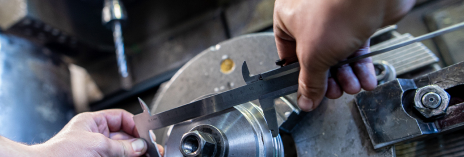
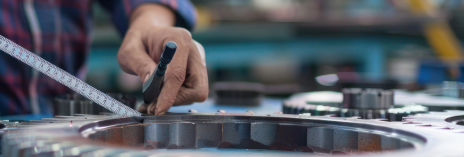
Apply first-piece, in-process, dimensional, and final inspections to maintain quality across smaller batches.

Choosing the Right Process for Low-Volume Manufacturing

Compare processes based on quantity, tooling investment, flexibility, materials, and future production needs.
Manufacturing Process Typical Quantity Suitable Materials Best For Tooling Key Trade-Off
CNC Machining 1–1,000+ parts Metals & engineering plastics Precision functional parts, housings & structural components No dedicated tooling High flexibility and tight tolerances, but unit cost may increase at higher volumes
Injection Molding Hundreds to medium volumes Production-grade thermoplastics & elastomers Repeat plastic parts and assemblies Required Tool investment improves unit cost when demand becomes stable
Sheet Metal Fabrication Low to medium quantities Aluminum, stainless steel, carbon steel Enclosures, brackets, panels & frames Minimal tooling Flexible for revisions, but geometry depends on sheet forming
3D Printing 1–low quantities Engineering polymers, resins & metals Complex geometry, custom parts & fixtures No tooling Fast changes, but material properties and finish differ from molded parts
Plastic Tooling Low-to-medium molding programs Tool steels Repeat plastic production Required Tooling investment should match demand and revision risk
Casting Services Medium low-volume runs Aluminum and castable alloys Complex near-net-shape metal parts Process dependent Tooling and post-machining affect economics

Why Choose Mastars for Production Manufacturing

Engineering Review
DFM, drawing, material, tolerance, and finish requirements are reviewed before production to reduce manufacturability and repeatability risks.
Multi-Process Coordination
CNC machining, molding, sheet metal, casting, finishing, and assembly can be coordinated within one production project.
Quality Control
FAI, in-process inspection, dimensional verification, and final inspection help control variation throughout production.
Repeatability
Revisions, materials, finishes, and inspection requirements are managed to support consistent results across repeat orders.
Flexible Capacity
Production can scale from repeat low-volume builds to higher-volume manufacturing as quantity, tooling, and demand change.
Production Transition Support
Manage engineering changes, quantity adjustments, and production updates while keeping requirements aligned.

What Our Customers Say

Jessica Malkovich

Jessica Malkovich

Company: MastarsJob Title: designerBusiness: mastars
Sofia made the entire process seamless! Her expertise and dedication helped us find our dream home quickly.
Jessica Malkovich

Jessica Malkovich

Company: MastarsJob Title: designerBusiness: mastars
Sofia made the entire process seamless! Her expertise and dedication helped us find our dream home quickly.
Jessica Malkovich

Jessica Malkovich

Company: MastarsJob Title: designerBusiness: mastars
Sofia made the entire process seamless! Her expertise and dedication helped us find our dream home quickly.
Jessica Malkovich

Jessica Malkovich

Company: MastarsJob Title: designerBusiness: mastars
Sofia made the entire process seamless! Her expertise and dedication helped us find our dream home quickly.
Jessica Malkovich

Jessica Malkovich

Company: MastarsJob Title: designerBusiness: mastars
Sofia made the entire process seamless! Her expertise and dedication helped us find our dream home quickly.

Start Your Production Project

FAQs About Low-Volume Production

  • What is low-volume manufacturing?

    Low-volume manufacturing produces production-intent parts in quantities above prototyping needs but below conventional high-volume production. It is commonly used for pilot builds, bridge production, product launches, market validation, spare parts, and products with naturally lower recurring demand. Unlike prototyping, the focus shifts toward repeatable manufacturing, production materials, inspection, cost, and the ability to make additional batches when required.

  • How many parts are considered low-volume manufacturing?

    At Mastars, low-volume projects can start from a few parts and commonly extend to around 2,000 units, depending on the process and part requirements. CNC machining or 3D printing may remain practical at lower quantities, while molding or casting can become more economical as volume increases. There is no universal quantity that defines low volume. Part size, complexity, material, tooling cost, tolerance, and repeat demand all affect the most economical production range.

  • What are the main benefits of low-volume manufacturing?

    The main benefit is flexibility without committing too early to high tooling costs, large inventories, or fixed production quantities. Low-volume manufacturing lets teams launch with controlled quantities, respond to design or demand changes, and gather real production or market feedback before increasing volume. It is especially useful when forecast demand is uncertain or when several design revisions may still occur.

  • Which manufacturing process is best for low-volume production?

    It depends on quantity, material, geometry, tolerance, and tooling economics. CNC machining works well for tight-tolerance metal and plastic parts without dedicated tooling. 3D printing suits very low quantities and complex geometry. Sheet metal is practical for enclosures and structures, while injection molding or casting may become more economical as quantities increase. There is no single best low-volume process—the right choice depends on the part and expected demand.

  • When should I move from prototyping to low-volume production?

    Move into low-volume production when the design is sufficiently validated for production-intent parts, but higher-volume manufacturing is not yet justified. Form, fit, function, assembly, material requirements, and critical dimensions should be reasonably stable before production begins. A successful prototype is useful evidence, but it does not automatically mean the design is production-ready. Tooling, tolerances, finishes, inspection, and process requirements may still need review.

  • Is there a minimum order quantity for low-volume manufacturing?

    No. Mastars supports low-volume manufacturing without a fixed MOQ. Quantities can be matched to pilot builds, bridge production, initial launches, replacement parts, or recurring batch demand rather than forcing customers into unnecessary inventory. The most economical process may still change as quantity increases, so a 20-part order and a 2,000-part order may require different manufacturing routes.

  • How long does low-volume production take?

    It depends on the process. A tool-free CNC or 3D printing project can usually start faster than an injection molding or casting project that requires tooling. Material availability, part complexity, tolerance, finishing, inspection, and quantity also affect lead time. Once we review your CAD files, drawings, quantity, and key requirements, we can confirm the manufacturing route and estimated lead time.

Tell Us About Your Project

Share your project details and files with us. Rough information is fine to start. Our engineering consultant will contact you within 24 hours.

Verification code