|
Finish |
Best For |
Suitable Materials |
Engineering / Dimensional Consideration |
 |
As-Machined |
Functional parts, internal components, fastest lead time |
Most machinable metals & plastics |
Tool marks remain; specify roughness only where function requires it |
|
Bead Blasting |
Uniform matte cosmetic surfaces |
Aluminum, stainless steel, titanium, brass |
Can soften appearance of sharp edges; critical surfaces may need masking |
|
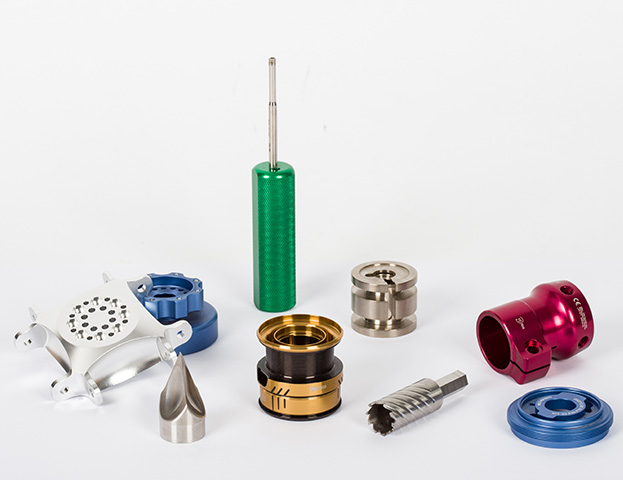
Type II Anodizing |
Color and corrosion protection |
Aluminum |
Coating growth can affect bores, threads, and tight fits |
|
Type III Hard Anodizing |
Wear-resistant functional surfaces |
Aluminum |
Thicker than Type II; allowance or masking may be required on precision interfaces |
|
Powder Coating |
Durable exterior protection |
Aluminum, steel, stainless steel |
Relatively thick coating; usually mask threaded and mating features |
|
Passivation |
Corrosion resistance without a decorative coating |
Stainless steel |
Minimal dimensional change; does not hide machining marks |
|
Electroless Nickel Plating |
Wear, corrosion protection, uniform metal coverage |
Steel, aluminum, copper alloys |
Plating thickness must be considered on precision fits and bores |
|
Black Oxide |
Low-build dark finish |
Steel |
Small dimensional effect but less corrosion protection than thicker coatings |
|
Polishing / Electropolishing |
Cosmetic, cleanability, reduced roughness |
Stainless steel, aluminum, brass, copper |
Can round edges or alter local surface geometry if heavily processed |
|
Laser Marking |
Permanent identification and traceability |
Most metals and selected plastics |
Minimal dimensional impact; appearance varies by material and finish |
|
Chem Film / Chromate Conversion |
Corrosion protection with minimal buildup |
Aluminum |
Lower dimensional impact than anodizing; useful where conductivity or tight interfaces must be retained |




 English



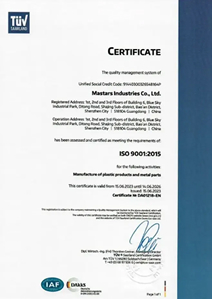
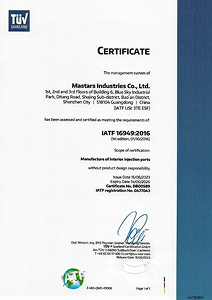
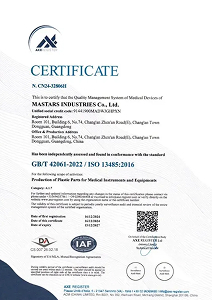
 ISO 9001:2015 | ISO 13485:2016 | IATF 16949:2016





















 Headquarters


