Prototyping

Prototyping
Rapid Prototyping Services

Build functional plastic and metal prototypes for fit, function, appearance, and production validation.

  • CNC, 3D printing, molding, sheet metal & casting
  • Prototype parts as fast as 3 days
  • From 1 part to low-volume builds
  • Engineering support from prototype to production
ISO 9001:2015 | ISO 13485:2016 | IATF 16949:2016
Rapid Prototyping Services
20+
Manufacturing Experience
100+
Engineering Professionals
5+
Production Bases
800+
Global Customers Served
Rapid Prototyping for Design Validation

Rapid Prototyping for Design Validation

Rapid prototyping turns CAD designs into physical parts quickly so engineers can check fit, form, function, material behavior, and appearance before production. Suitable parts can be delivered in as fast as 3 days, helping teams test earlier and make changes before committing to tooling or larger production runs.

Mastars provides rapid prototyping services through CNC machining, 3D printing, vacuum casting, sheet metal fabrication, rapid injection molding, and metal casting. We select the process based on material, geometry, tolerance, quantity, surface requirements, and what the prototype needs to prove.

From concept models to functional and pre-production parts, we support design testing, iteration, and verification. Once the design is validated, the same project can move into low-volume builds, tooling, and production.

Rapid Prototyping Processes

Rapid Prototyping Process Comparison

Choose the process based on what the prototype needs to prove—not simply which process is fastest.
Process Best For Typical Quantity Typical Lead Time Key Consideration
CNC Machining Final-material functional parts, critical fits, threads and mating features 1–100+ As fast as 3 days Tool access, internal radii, thin walls and workholding can affect cost and tolerance
3D Printing Fast iterations, complex geometry and early design validation 1–50+ As fast as 3 days Build orientation, supports and material behavior affect strength and surface finish
Sheet Metal Enclosures, brackets, panels and structural parts 1–100+ As fast as 3 days Bend radius, springback, hole location and welding can affect final dimensions
Rapid Injection Molding Production-like plastic parts and bridge builds 100+ T1 as fast as 10 days Draft, wall thickness, shrinkage, gates and warpage must be reviewed
Vacuum Casting Small batches of cosmetic or functional plastic parts 10–50 Typically several days to two weeks PU materials simulate production plastics but do not exactly match them
Metal Casting Cast-metal prototypes and production-route validation 1–100+ Process dependent Draft, shrinkage, machining allowance, porosity and tooling requirements vary by casting process
CNC Machining Prototypes

CNC Machining Prototypes

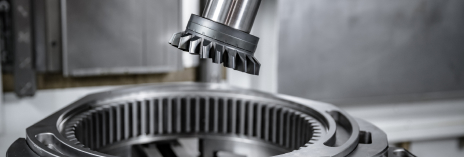
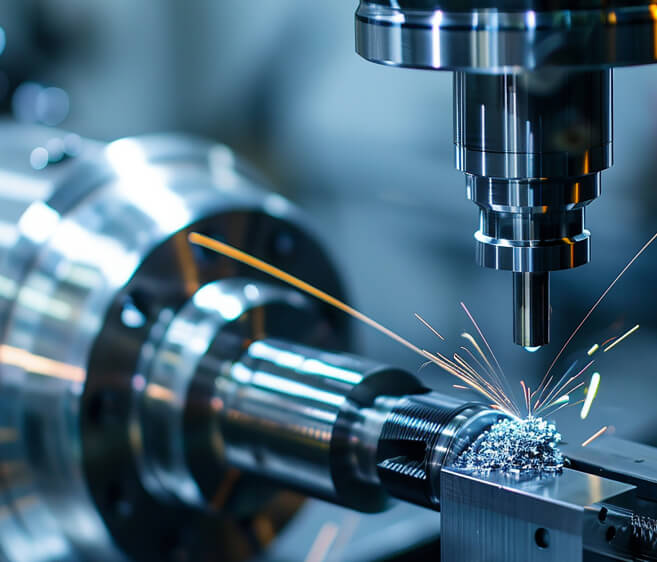
Use CNC machining when the prototype must behave like a machined production part. It is particularly useful for final-material testing, precision fits, threads, bearing locations, sealing interfaces and load-bearing features. Tool access, internal radii, thin walls, residual stress and workholding should be reviewed before applying tight tolerances.

FeatureDescription
Best ForFunctional prototypes, mechanical components, housings, fixtures, and precision assemblies
MaterialsAluminum, stainless steel, brass, copper, engineering plastics such as ABS, PC, POM, Nylon
AdvantagesHigh dimensional accuracy, strong mechanical properties, production-grade materials, excellent surface finishes
Engineering ConsiderationsTool access, internal corners, wall thickness, and machining orientation should be considered during design review
Surface FinishingSand blasting, polishing, anodizing, painting, plating, laser marking
Typical ApplicationsAutomotive components, medical device parts, electronic housings, industrial equipment
3D Printing Prototypes

3D Printing Prototypes

Use 3D printing when iteration speed and geometry freedom matter more than exact production-material behavior. It works well for concept models, ergonomic checks, complex internal structures and early fit testing. Build orientation, support placement, layer direction and post-processing can affect dimensions, surface quality and mechanical performance.

FeatureDescription
Best ForConcept models, ergonomic testing, complex structures, early functional prototypes
MaterialsSLA resin, Nylon, TPU, engineering plastics, metal powders depending on process
AdvantagesNo tooling cost, fast iteration, complex geometry capability, suitable for low-volume validation
Engineering ConsiderationsLayer direction, support placement, surface finish, and material properties may affect final performance
Surface FinishingSanding, painting, polishing, coating
Typical ApplicationsConsumer products, medical devices, robotics, industrial equipment
Sheet Metal Prototypes

Sheet Metal Prototypes

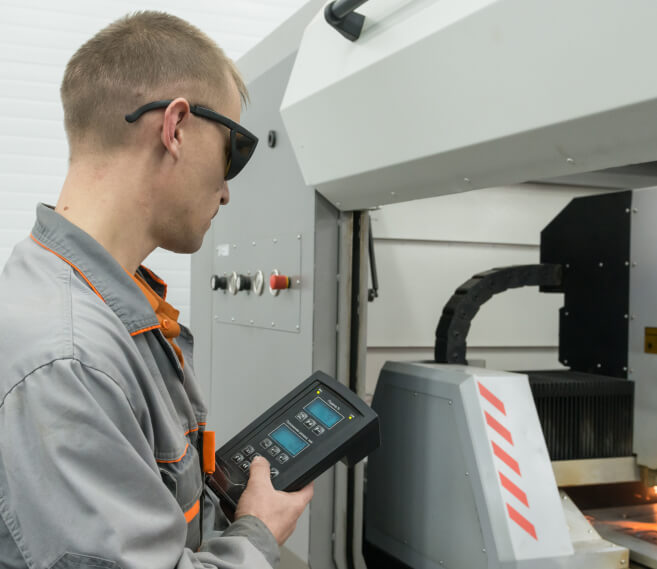
Use sheet metal prototyping when final sheet thickness, bend geometry, mounting features and enclosure assembly are part of the test. Laser cutting, bending, welding and hardware installation can reveal bend interference, hole-position errors, springback and assembly issues before the design moves into repeat production.

FeatureDescription
Best ForEnclosures, brackets, frames, covers, and structural metal parts
MaterialsAluminum, stainless steel, carbon steel, copper
AdvantagesFast turnaround, strong structures, production-like metal performance, flexible design changes
Engineering ConsiderationsBend radius, material thickness, hole locations, and bend sequence affect manufacturability
Surface FinishingPowder coating, painting, anodizing, brushing, polishing
Typical ApplicationsElectronics, medical equipment, industrial machinery
Rapid Injection Molding Prototypes

Rapid Injection Molding Prototypes

Use rapid injection molding once the design is mature enough to justify tooling and molded-part validation. Production-grade resins allow engineers to evaluate shrinkage, warpage, weld lines, gates, draft, surface appearance and repeatability that CNC or 3D-printed prototypes cannot fully reproduce.

FeatureDescription
Best ForProduction validation, bridge manufacturing, low-volume production
MaterialsABS, PC, PP, PA, TPE, medical-grade plastics and other engineering polymers
AdvantagesProduction-like parts, consistent quality, real material performance
Engineering ConsiderationsDraft angle, wall thickness, ribs, bosses, shrinkage, warpage, and mold design must be reviewed
Surface FinishingMold texture, polishing, painting, plating, laser marking, printing
Typical ApplicationsMedical devices, automotive components, consumer products
Vacuum Casting Prototypes

Vacuum Casting Prototypes

Use vacuum casting when you need multiple visually consistent plastic parts but hard tooling is premature. Silicone molds reproduce surface detail well and support different colors and hardness levels. However, cast polyurethane only simulates materials such as ABS or PP, so it should not replace final-resin testing where long-term mechanical or thermal performance matters.

FeatureDescription
Best ForSmall batch prototypes, appearance models, functional testing
MaterialsPU resin, ABS-like, PP-like, rubber-like materials
AdvantagesInjection-molded appearance, low tooling cost, good surface reproduction
Engineering ConsiderationsMold life, material shrinkage, parting lines, and draft angles should be considered
Surface FinishingPainting, texture finishing, polishing, color matching
Typical ApplicationsConsumer electronics, medical devices, automotive interiors
Metal Casting Prototypes

Metal Casting Prototypes

Use metal casting when the prototype needs real cast-metal behavior or when casting is the intended production process. Sand casting, investment casting, gravity casting, and die casting can support different stages of validation. Draft, shrinkage, wall thickness, porosity, machining allowance, and final tolerance should be reviewed before selecting the casting route.

FeatureDescription
Best ForNear-production metal parts, housings, brackets, structural components, and casting-process validation
MaterialsAluminum, zinc, steel, stainless steel, copper alloys
AdvantagesReal cast-metal behavior, complex metal geometries, and a clearer path from prototype to cast production
Engineering ConsiderationsDraft, shrinkage, wall thickness, gating, porosity, machining allowance, and post-casting tolerance control
Surface FinishingShot blasting, polishing, anodizing, powder coating, painting, plating, machining
Typical ApplicationsAutomotive components, industrial equipment, metal housings, structural parts, and production-intent cast components

Why Choose Mastars?

Test Real Materials
Use production-grade metals, engineering plastics, sheet materials, and molded resins when strength, heat resistance, wear, or actual material behavior matters.
Verify Critical Fits
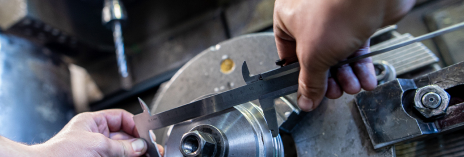
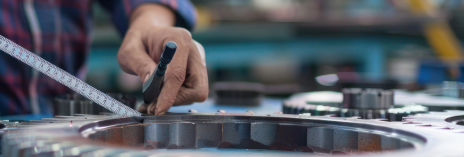
Check mating surfaces, hole locations, interfaces, and tolerance stacks before the design is released. CMM, FAI, and dimensional inspection can verify critical features where required.
Catch Risks Early
Review tool access, wall thickness, draft, shrinkage, warpage, bend geometry, support placement, and other process risks before parts are made.
Meet Quality Requirements
ISO 9001, ISO 13485, and IATF 16949 quality systems support projects with stricter inspection, documentation, and production requirements.
Simplify Coordination
Combine CNC, 3D printing, sheet metal, molding, casting, finishing, inserts, and assembly under one project instead of managing multiple suppliers and handoffs.
Scale with Confidence
Move from prototype to low-volume builds and production with the same manufacturing partner. Material, tooling, tolerance, inspection, quantity, and cost are reviewed again before scaling.

What Our Customers Say

Jessica Malkovich

Jessica Malkovich

Company: MastarsJob Title: designerBusiness: mastars
Sofia made the entire process seamless! Her expertise and dedication helped us find our dream home quickly.
Jessica Malkovich

Jessica Malkovich

Company: MastarsJob Title: designerBusiness: mastars
Sofia made the entire process seamless! Her expertise and dedication helped us find our dream home quickly.
Jessica Malkovich

Jessica Malkovich

Company: MastarsJob Title: designerBusiness: mastars
Sofia made the entire process seamless! Her expertise and dedication helped us find our dream home quickly.
Jessica Malkovich

Jessica Malkovich

Company: MastarsJob Title: designerBusiness: mastars
Sofia made the entire process seamless! Her expertise and dedication helped us find our dream home quickly.
Jessica Malkovich

Jessica Malkovich

Company: MastarsJob Title: designerBusiness: mastars
Sofia made the entire process seamless! Her expertise and dedication helped us find our dream home quickly.

FAQs About Rapid Prototyping Services

  • What is rapid prototyping?

    Rapid prototyping is the fast manufacture of physical parts from CAD for design validation before production. It can include CNC machining, 3D printing, sheet metal fabrication, vacuum casting, rapid injection molding, and metal casting—not only 3D printing. The right process depends on whether you need to validate appearance, fit, function, material behavior, or production readiness.

  • Which rapid prototyping process should I use?

    It depends on what you need to validate. Use CNC for final materials, tight fits, and mechanical performance; 3D printing for fast iterations and complex geometry; sheet metal for enclosures and brackets; vacuum casting for small batches of plastic parts; rapid injection molding for production-like molded behavior; and metal casting when cast-metal behavior or the future casting process needs to be validated.

  • Can prototypes be made from the final production material?

    Often yes. CNC machining and sheet metal can use many final-production metals and engineering plastics, while rapid injection molding can use production-grade thermoplastics. However, SLA resins and vacuum-cast polyurethane often simulate rather than exactly match final materials. Do not rely on substitute materials for critical heat, fatigue, chemical or long-term performance testing.

  • How fast can I receive rapid prototype parts?

    As fast as 3 days for suitable prototype parts. Actual lead time depends on the process, material, geometry, quantity, finish, and inspection requirements. Rapid injection molding T1 samples can be available in as fast as 10 days, while vacuum casting and metal casting usually require longer depending on the part and process.

  • How much does rapid prototyping cost?

    There is no useful flat price because cost depends on process, material, part size, geometry, tolerance, quantity, finishing and inspection. 3D printing is often economical for early geometry iterations, CNC becomes more valuable when final-material performance matters, and vacuum casting or rapid tooling can reduce unit cost when several similar parts are required.

  • What files and information should I send for a prototype quote?

    STEP, STP or IGES files are preferred for CNC machining and molding, while STL is commonly used for 3D printing. PDF drawings and DWG/DXF files are useful for critical dimensions and sheet-metal requirements. Include quantity, material, finish and any critical dimensions or test requirements. Rough information is fine to start, and NDA support is available when required.

  • What tolerances can rapid prototypes achieve?

    It depends on the process, material, geometry, and part size. For suitable precision features, 5-axis CNC machining accuracy can reach ±0.0025 mm. Molded, formed, printed, and cast dimensions require process-specific tolerance assessment. Applying the tightest tolerance to every dimension usually increases cost without improving prototype value.

  • Can I move directly from a prototype into production?

    Often yes, but a validated prototype does not automatically mean the design is production-ready. Before scaling, review final material, tolerances, wall thickness, draft, shrinkage, warpage, tooling, inspection requirements, quantity and unit cost. Mastars can support the transition from prototype validation to bridge builds and production manufacturing.

Tell Us About Your Project

Share your project details and files with us. Rough information is fine to start. Our engineering consultant will contact you within 24 hours.

Verification code