
Welding

Custom Sheet Metal Welding Services

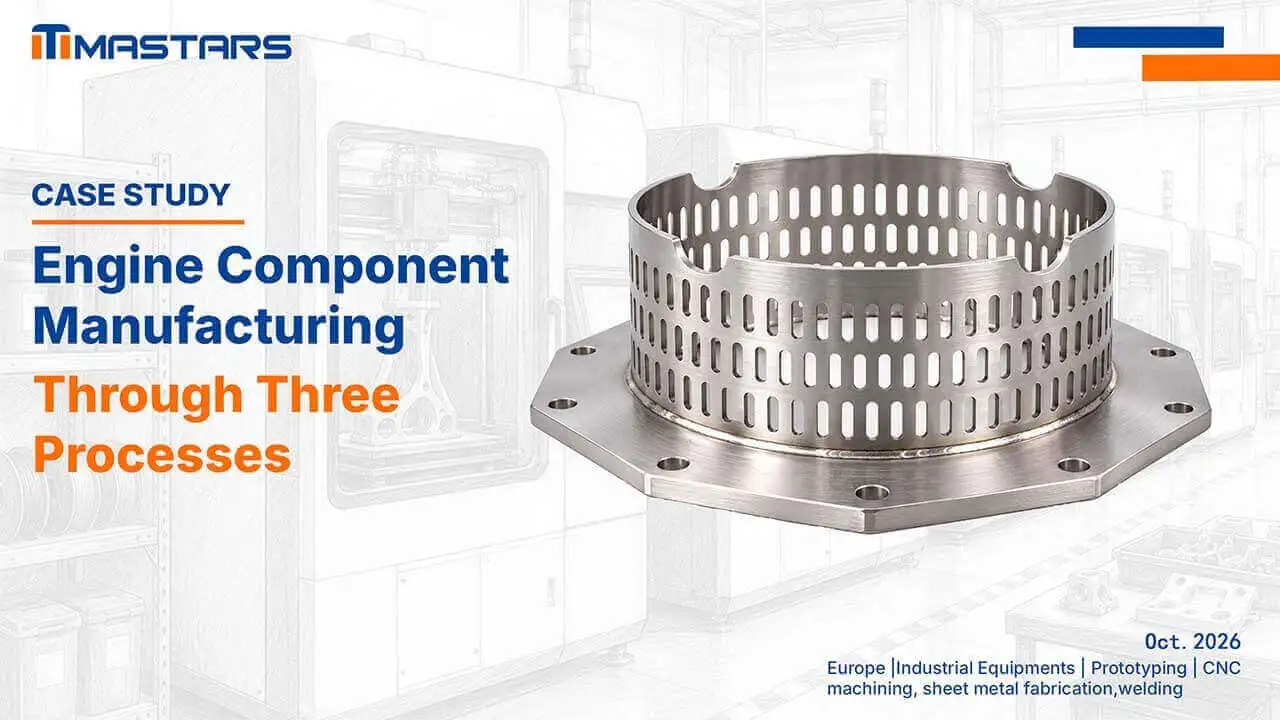
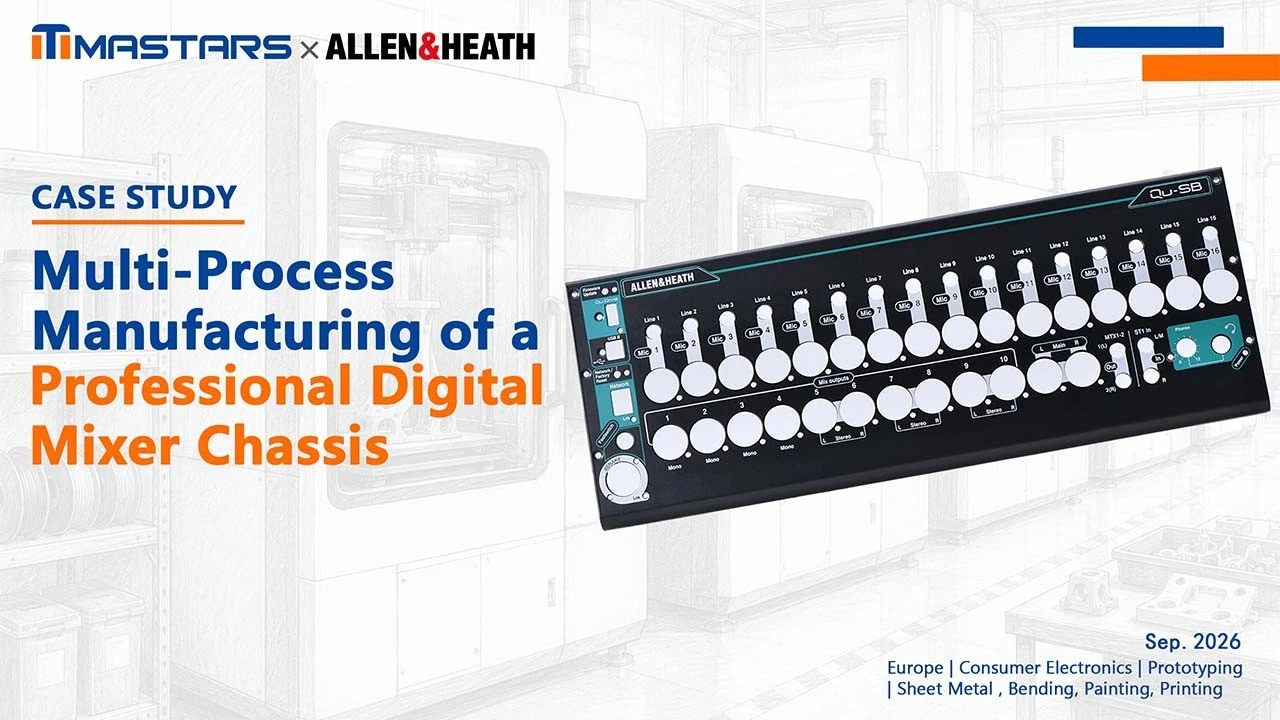
Custom welded frames, enclosures, brackets, chassis, and sheet metal assemblies from prototype to production.

  • MIG, TIG, spot & seam welding
  • Aluminum, steel & stainless steel
  • DFM for joints, weld access, fixturing & distortion
  • Grinding, finishing, inspection & assembly
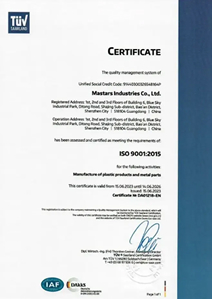
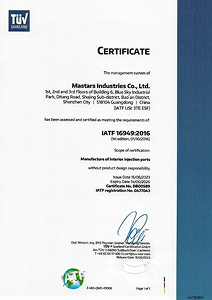
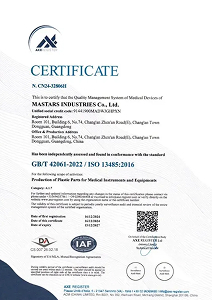
ISO 9001:2015 | ISO 13485:2016 | IATF 16949:2016

Custom Sheet Metal Welding Services
48 Hours
Fast Delivery
100,000
Production Volume
15+ CMM
Inspection Capacity
100+
Engineering Professionals

Sheet Metal Welding Capabilities

MIG Welding
MIG Welding
Fast joining for steel frames, brackets, cabinets, and larger weldments. Higher heat input makes very thin or cosmetic sheet more demanding.
Get a Quote
TIG Welding
TIG Welding
Precise heat and filler control for thin sheet, stainless steel, aluminum, and visible welds. Clean weld quality comes with slower cycle times than MIG.
Get a Quote
Spot & Resistance Welding
Fast joining for repeated thin-sheet lap joints, typically around 0.5–2.3 mm. Requires electrode access and is generally used where a continuous sealed seam is unnecessary.
Get a Quote
Stitch, Seam & Tack Welding
Tack welds hold alignment, stitch welds reduce heat input, and continuous seams provide greater strength or sealing with higher distortion risk.
Get a Quote

Is Sheet Metal Welding Right for Your Part?

Choose sheet metal welding for permanent assemblies that require structural rigidity, compact joints, sealed seams, or integrated frames and housings.
Joining Method Best For Why Choose It Key Trade-Off
Welding Frames, enclosures, chassis, structural assemblies Strong permanent joints with compact assembly geometry Heat input can cause distortion, HAZ, and cosmetic changes
Riveting Thin sheet, coated parts, dissimilar metals Low heat input and repeatable mechanical joining Requires overlap and visible or hidden rivet access
Mechanical Fasteners Serviceable or removable assemblies Easy disassembly and component replacement Adds hardware, access requirements, and tolerance stack-up
Adhesive Bonding Thin panels, cosmetic surfaces, mixed materials Distributed load with no welding heat Surface preparation, curing, and service environment affect performance
Custom Welded Sheet Metal Parts & Assemblies

Custom Welded Sheet Metal Parts & Assemblies

Frames, chassis, cabinets, enclosures, brackets, housings, guards, equipment structures, and multi-part sheet metal weldments.

Coordinate cutting, bending, welding, grinding, finishing, assembly, and inspection under one project.

Materials for Sheet Metal Welding

Material grade, thickness, thermal conductivity, expansion, surface condition, and joint design affect weldability, heat input, distortion, appearance, and post-weld finishing.
Aluminum
Stainless Steel
Steel
Aluminum
Aluminum
Aluminum
Aluminum
Aluminum
Aluminum
Aluminum
Aluminum
Aluminum

Aluminum is widely used for lightweight welded frames, enclosures, panels, and transportation components. Its high thermal conductivity requires close control of heat input, fit-up, fixturing, and welding sequence.

Key Characteristics

Lightweight and easy to form

Good corrosion resistance

Accepts anodizing and powder coating

Heat spreads rapidly through aluminum, which can increase distortion in thin panels and large weldments. Surface oxide and joint cleanliness also affect weld consistency.

Plan welding sequence and fixturing around thermal expansion and post-weld distortion.

Common Grades

5052

6061

Typical Applications

Lightweight frames

Equipment enclosures

Structural panels

Transportation components

Available Finishes

Grinding

Brushing

Bead blasting

Anodizing

Powder coating

Painting

Stainless Steel
Stainless Steel
Stainless Steel
Stainless Steel
Stainless Steel
Stainless Steel
Stainless Steel
Stainless Steel
Stainless Steel

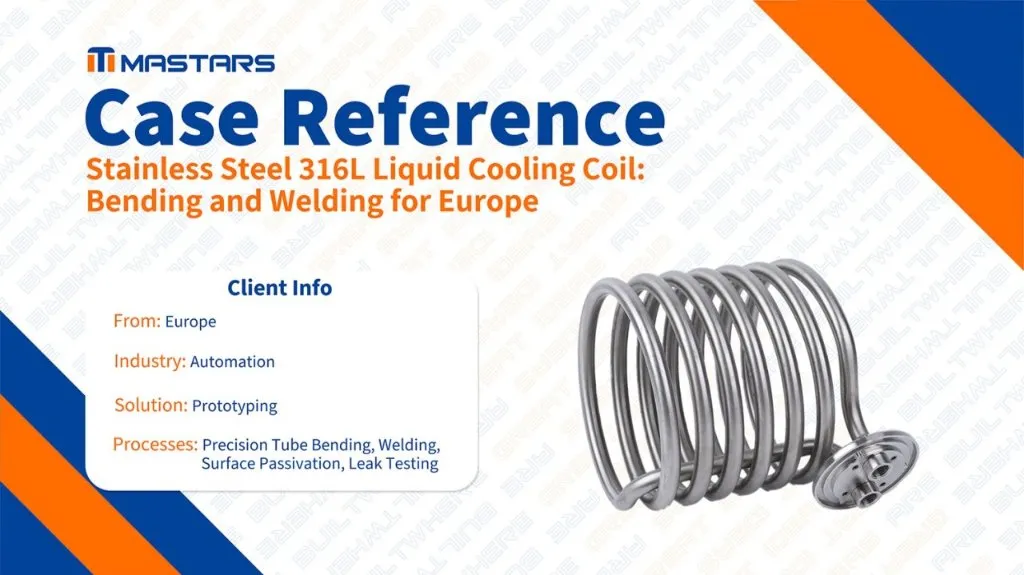
Stainless steel combines corrosion resistance, durability, cleanability, and strong cosmetic potential for welded medical, food-processing, and industrial assemblies.

Key Characteristics

High strength and corrosion resistance

Hygienic, easy-to-clean surface

Good weldability

Localized heat can cause distortion, discoloration, and visible HAZ around the weld. Cosmetic requirements should be defined before selecting weld type and post-weld treatment.

Control heat tint, surface finish, weld cleanup, and corrosion-restoration requirements on visible or cleanable surfaces.

Common Grades

304

316

Typical Applications

Medical equipment

Food-processing equipment

Industrial enclosures

Corrosion-resistant assemblies

Visible welded housings

Available Finishes

Grinding

Brushing

Polishing

Passivation

Electropolishing

Bead blasting

Steel
Steel
Steel
Steel
Steel
Steel
Steel
Steel
Steel

Carbon steel provides good weldability, structural strength, and cost efficiency for industrial frames, brackets, supports, and fabricated assemblies.

Key Characteristics

Steel supports a broad range of welding processes. Long seams and concentrated heat can still pull frames, panels, and mounting interfaces out of alignment.

Use weld sequence, balanced joints, and fixturing to control accumulated distortion.

Common Grades

Low-carbon steel

Cold-rolled steel

Hot-rolled steel

Typical Applications

Machine structures

Industrial frames

Brackets and supports

Cabinets

Fabricated assemblies

Available Finishes

Grinding

Powder coating

Painting

Zinc plating

Black oxide

Sheet Metal Welding Surface Finishing Options

Choose post-weld finishing around cosmetic requirements, corrosion resistance, coating preparation, and dimensional impact near critical interfaces.
Finish Suitable Materials Primary Benefit Weld-Specific Impact Typical Parts
Weld Grinding Steel, stainless, aluminum Removes or blends weld bead Can alter corners, wall thickness, and critical interfaces if over-ground Enclosures, frames, visible assemblies
Brushing Stainless, aluminum Restores directional surface appearance Weld blending must match existing grain direction Visible panels, covers, housings
Polishing Stainless, aluminum Smooth or reflective finish Weld areas may require progressive blending to hide transitions Medical and cosmetic assemblies
Bead Blasting Aluminum, stainless Uniform matte appearance Helps blend weld zones but can reveal distortion on broad panels Housings, equipment covers
Powder Coating Steel, aluminum Color and corrosion protection Weld spatter, scale, and grinding marks must be removed before coating Frames, cabinets, housings
Painting Steel, aluminum, stainless Color and environmental protection Weld preparation affects final coating flatness and appearance Equipment structures, panels
Passivation Stainless steel Restores corrosion resistance Useful after welding and grinding where the passive surface has been disturbed Medical, food, industrial assemblies
Electropolishing Stainless steel Cleanable, smooth, corrosion-resistant surface Reduces surface roughness around properly prepared weld areas Medical and food equipment

Sheet Metal Welding Tolerances & Limits

Use these values as process references. Final weldment tolerances depend on material, joint design, heat input, fixturing, weld length, and assembly geometry.
Metric Typical Reference Design Use Key Factor
TIG Sheet Thickness ≈0.3 mm minimum; ≥0.5 mm typical Precision thin-sheet welding Material, fit-up, heat control
MIG Sheet Thickness ≈0.8–1.0 mm+ General sheet welding Heat input and burn-through risk
Spot Welding Sheet ≈0.5–2.3 mm Repeated lap joints Material, coating, electrode access
Stitch Weld Segment ≈25–50 mm Reduce continuous heat input Strength and sealing requirements
Critical Weldment Dimensions Drawing-Specific Datums, mounting faces, assembly interfaces Heat distortion and fixture strategy
Inspection Capacity 15+ CMM Post-weld dimensional verification Drawing and FAI requirements
CMM Measurement Capability Down to 0.0017 mm Precision measurement Measurement capability, not welding tolerance

Why Choose Mastars for Sheet Metal Welding?

Quality Systems
ISO 9001, ISO 13485, and IATF 16949 systems support controlled inspection and documentation. FAI and CMM verify datums, mounting features, mating surfaces, and completed weldment geometry.
Engineering & Project Support
100+ engineers coordinate fixture strategy, weld sequence, revisions, quality, and downstream operations so fit-up and assembly requirements stay aligned through production.
Manufacturing Experience
Backed by 20+ years of manufacturing experience, Mastars supports sheet metal welding projects from prototype validation through repeat production and engineering changes.
Flexible Capacity
Supported by 5+ production bases, Mastars supports prototype weldments, pilot builds, changing volumes, and repeat production as project demand develops.
Sheet Metal Welding DFM Review
Review joint geometry, weld length, heat input, sequence, fit-up, and cosmetic requirements to control distortion, alignment, spatter, heat tint, and post-weld finishing risk.
Integrated Manufacturing
Coordinate cutting, bending, hardware insertion, welding, grinding, finishing, inspection, and assembly through one manufacturing partner instead of managing multiple suppliers.

Certifications

ISO9001:2015 Certificate

ISO9001:2015 Certificate

IATF16949:2016 Certificate

IATF16949:2016 Certificate
ISO13485:2016 Certificate

ISO13485:2016 Certificate

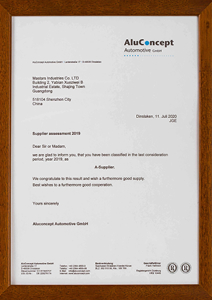
Medical A-Class Supplier

Medical A-Class Supplier

Partners

445 Projects
xylem
Bentley
Aston Martin
HARMAN
Annabella
Auer Lighting
NVIDIA
Compac
G4S
hs products
luxshareict
KK
Bioness
SGM
Nmble
Lear
LLEN&HEAT
belkin
DaAn Gene
MAGNA
pdd
Flite
simens
philips
maxwell
Land Rover

How to Work with Us

Share Your Project

Send a CAD file, drawing, or brief. Start with what you have.

Engineering Review & Quote

We review your requirements and confirm the process, price, and lead time.

We Make Your Parts

Once approved, we prepare the process and manufacture your parts.

Inspection & Delivery

We inspect, pack, and ship your finished parts.

What Our Customers Say

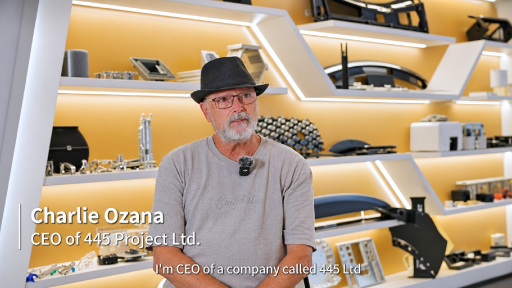
Charlie Ozana

Charlie Ozana

Company: 445 LTDJob Title: CEOBusiness: Full turnkey company
Mastars in all my projects are partners. So I get all the support that I need from engineering management, pricing, timetable, QA, everything is as a partner, not as a supplier. For me, Masters is like home.
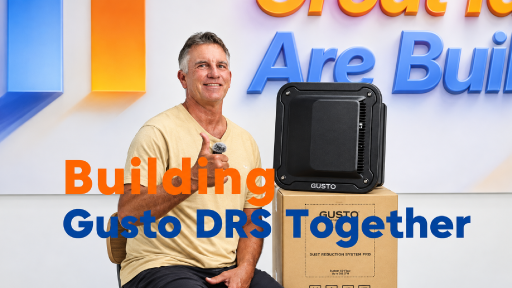
Nathan Johnson

Nathan Johnson

Company: Gusto Global IndustriesJob Title: DirectorBusiness: Dust reduction system
They were such a lovely company to deal with, and we couldn't be more happier even to today down the track with even more products moving forward. Very professional, easy to deal with, get back to you straight away, contact is easy through WeChat and email, move forward as quickly as you can.
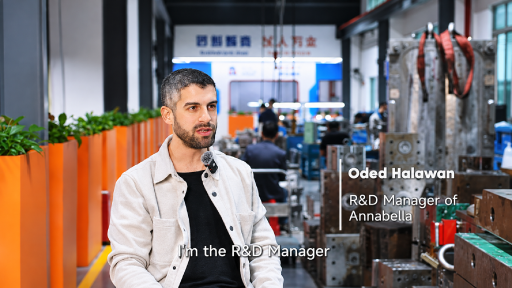
Oded Halawani

Oded Halawani

Company: Annabella Tech IsraelJob Title: R&D managerBusiness: Breast pump
We managed to make it in a very short time warm prototyping to mass production and FDA approval. That makes me feel confidence to choose Mastars.
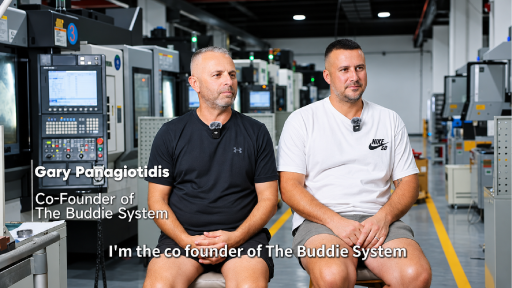
Jade Harris

Jade Harris

Company: Buddy SystemJob Title: Co-founderBusiness: Wireless instant safety alert device
We're glad that we found a company like Mastars to make the product for us because it's been so good to deal with. They're a really good company.
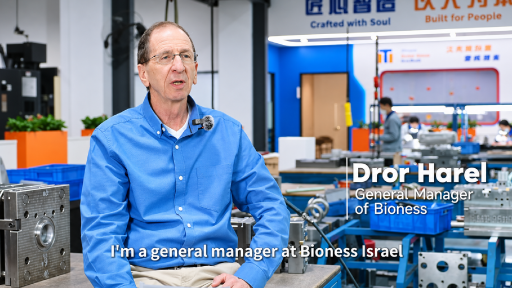
Dror Harel

Dror Harel

Company: BlonessJob Title: General ManagerBusiness: L300, H200
I think the relationship between the buyers and definitely between me the Mastars it's like a family relationship and this is why we are so happy to produce in Mastars and this is why we came for 15 years. By the way, now we came with a new product that we come to Master to produce for the new year.

Sheet Metal Welding FAQs

  • What is sheet metal welding?

    Sheet metal welding permanently joins cut or formed metal components using controlled heat and, where required, filler material. It is commonly used for frames, enclosures, chassis, brackets, cabinets, and multi-part fabricated assemblies.

  • Which welding process should I use?

    It depends on material, thickness, joint type, appearance, strength, sealing, and production quantity. MIG is efficient for many steel structures, TIG provides greater control for thin sheet and cosmetic welds, and spot welding is efficient for repeated lap joints in thin material.

  • What is the difference between MIG and TIG welding?

    MIG uses a continuously fed wire and generally provides higher welding speed. TIG uses a non-consumable tungsten electrode and gives finer control of heat and filler placement, making it useful for thin sheet, aluminum, stainless steel, and visible welds.

  • How thin can sheet metal be welded?

    As a general reference, TIG can reach approximately 0.3 mm, with ≥0.5 mm more typical for practical thin-sheet work. MIG generally becomes more challenging below approximately 0.8–1.0 mm because heat input increases burn-through and distortion risk.

  • What thickness is suitable for spot welding?

    Approximately 0.5–2.3 mm sheet is a common reference range for resistance spot welding. Actual limits depend on material, coating, electrode access, joint stack, and required weld strength.

  • How do you control welding distortion?

    Distortion is controlled through fit-up, rigid fixturing, tack welds, stitch or skip welding, balanced weld sequence, controlled heat input, backing bars, and cooling intervals. Thin panels and long continuous seams need the most attention.

  • Can welded parts hold tight dimensional tolerances?

    Yes, but critical dimensions should be identified before welding. Heat causes local expansion and contraction, so precision mounting faces, hole locations, or mating interfaces may require controlled fixtures, CMM inspection, or post-weld machining.

  • Can you provide cosmetic welded assemblies?

    Yes. Define visible surfaces, allowable weld bead, grinding requirements, heat discoloration, spatter acceptance, brushing direction, and final coating or passivation on the drawing or quote request.

  • Do you support prototypes and production welding?

    Yes. Prototype weldments validate joint fit, assembly geometry, structural behavior, and appearance. Production adds controlled fixtures, weld sequence, inspection planning, revision control, and repeatability across lots.

  • How fast can welded sheet metal parts be delivered?

    Suitable sheet metal prototype projects can be delivered in as fast as 48 hours. Weld complexity, fixture requirements, grinding, finishing, assembly, and inspection can extend the schedule.

  • How much does sheet metal welding cost?

    Cost depends on material, thickness, weld length, joint type, number of welds, fixture requirements, welding process, cosmetic cleanup, finishing, quantity, and inspection. Long continuous cosmetic welds generally require more welding and finishing time than short structural joints.

  • What information do you need for a welding quote?

    A 3D CAD file is enough to start. Add material, thickness, quantity, critical dimensions, finish, and a 2D drawing when weld symbols, weld length, joint requirements, cosmetic surfaces, sealing, GD&T, or inspection requirements must be controlled. Rough information is fine for an initial review.

Tell Us About Your Project

Share your project details and files with us. Rough information is fine to start. Our engineering consultant will contact you within 24 hours.

Verification code