

SLA

Custom SLA 3D Printing Services

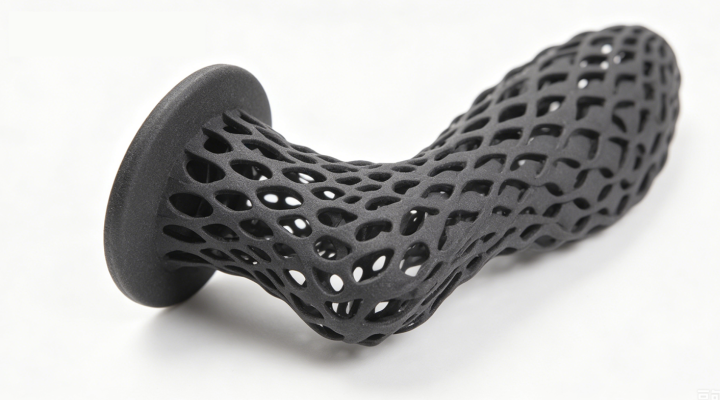
Produce smooth, high-detail parts with stereolithography (SLA) 3D printing. Ideal for visual prototypes, master patterns, and precise small features, SLA builds parts layer by layer in engineering-grade resins.

  • Smooth Surfaces & Fine Details
  • Visual Prototypes & Master Patterns
  • Engineering-Grade Resins
  • No Minimum Order Quantities
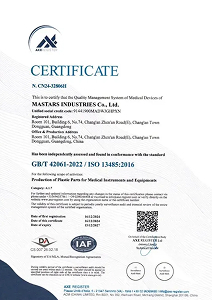
ISO 9001:2015 | ISO 13485:2016 | IATF 16949:2016

Custom SLA 3D Printing Services
800+
Global Customers Served
100+
Total Equipments
5+
Production Bases
100+
Engineering & Design Veterans
18+
Manufacturing experience of years
20+
Technical patents

Our SLA Capabilities

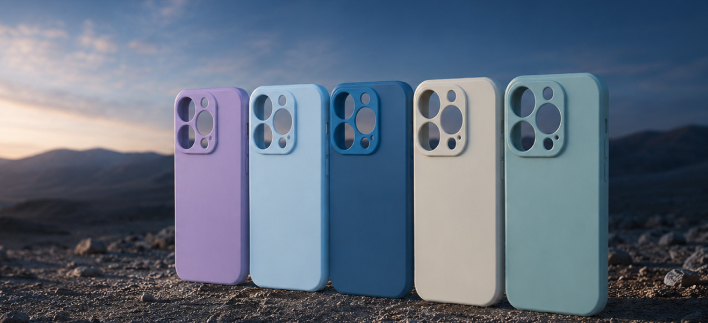
High Detail & Smooth Surface
Fine features and smooth finish straight from the printer.
Get a Quote
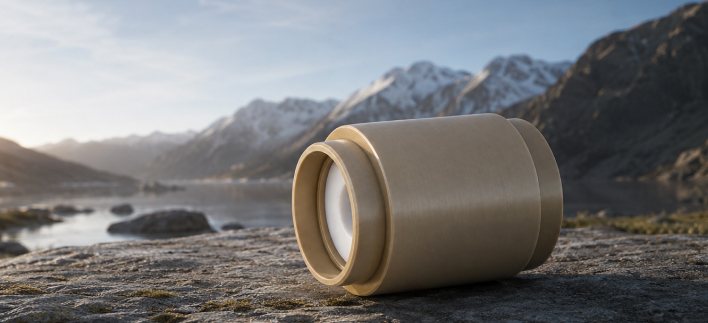
Clear & Translucent Parts
Clear resins for lenses, light guides, and fluid-flow visualization.
Get a Quote
Large Build Volumes
Large Build Volumes
Suitable for larger visual models in a single piece.
Get a Quote
Master Patterns
Master Patterns
Accurate patterns for vacuum casting and other replication processes.
Get a Quote

Choosing the Right 3D Printing Process

Each additive process has different strengths in detail, strength, material choice, and cost. Use the table as a starting point.
Comparison Factor SLA SLS / MJF FDM Metal (SLM)
Best For Fine detail and smooth surfaces Functional nylon parts Low-cost concept and large parts Strong, complex metal parts
Typical Materials Photopolymer resins Nylon powders ABS, PC, PLA and similar Aluminum, stainless steel, titanium
Surface Finish Very smooth Slightly grainy Visible layer lines Matte, usually post-processed
Typical Applications Visual models, masters Housings, clips, low-volume parts Fixtures, concept models Aerospace, medical, tooling
Appearance Models & Masters

Appearance Models & Masters

SLA parts can be sanded, painted, and polished to look like finished products, which makes them ideal for design reviews and customer presentations.

3D Printing Materials

Choose from a range of materials for prototyping and production. Our engineers can help you select the best option for strength, appearance, environment, and budget.
Photopolymer Resin
Nylon (PA12 / PA11)
TPU / Flexible Materials
ABS / ASA / PC (FDM)
Metals (Aluminum / Stainless / Titanium)
Photopolymer Resin
Photopolymer Resin
Photopolymer Resin
Photopolymer Resin
Photopolymer Resin
Photopolymer Resin
Photopolymer Resin
Photopolymer Resin
Photopolymer Resin

Resins used in SLA and PolyJet printing give smooth surfaces and fine detail, which suits visual models, masters, and transparent parts.

Key Characteristics

Smooth surface and fine feature detail

Rigid, flexible, clear, and high-temperature grades

Good for appearance models

Common Grades

Standard, tough, clear, high-temperature, flexible (confirmed during project review)

Typical Applications

Visual prototypes, master patterns, fit-check models, clear parts

Available Finishes

Sanding, painting, clear coating, vapor smoothing

Nylon (PA12 / PA11)
Nylon (PA12 / PA11)
Nylon (PA12 / PA11)
Nylon (PA12 / PA11)
Nylon (PA12 / PA11)
Nylon (PA12 / PA11)
Nylon (PA12 / PA11)
Nylon (PA12 / PA11)
Nylon (PA12 / PA11)

Nylon powders processed by SLS and MJF produce durable, functional parts without support structures, including complex and interlocking geometries.

Key Characteristics

Strong and durable for functional use

No support structures required

Good chemical and wear resistance

Common Grades

PA12, PA11, glass-filled and carbon-filled variants

Typical Applications

Functional prototypes, housings, clips, low-volume end-use parts

Available Finishes

Natural, dyed, bead blasting, vapor smoothing, painting

TPU / Flexible Materials

Flexible thermoplastics are used for gaskets, grips, seals, and parts that must bend or absorb impact.

Key Characteristics

Rubber-like flexibility

Good impact and abrasion resistance

Available in a range of hardness levels

Common Grades

TPU and flexible resins (confirmed during project review)

Typical Applications

Seals, gaskets, grips, wearable parts, vibration dampers

Available Finishes

Natural, dyed, painting

ABS / ASA / PC (FDM)

Engineering thermoplastics printed by FDM provide good strength and heat resistance for fixtures, jigs, and functional prototypes.

Key Characteristics

Strong, heat-resistant thermoplastics

Cost-effective for larger parts

Suitable for jigs and fixtures

Common Grades

ABS, ASA, PC, PETG, PLA

Typical Applications

Jigs and fixtures, enclosures, concept and functional models

Available Finishes

Sanding, vapor smoothing, painting

Metals (Aluminum / Stainless / Titanium)

Metal powders processed by SLM/DMLS create strong, complex metal parts, including internal channels and lightweight lattice structures that are difficult to machine.

Key Characteristics

Dense, high-strength metal parts

Complex internal geometry possible

Heat treatment available

Common Grades

AlSi10Mg, 316L, 17-4PH, Ti-6Al-4V, Inconel (confirmed during project review)

Typical Applications

Aerospace and medical components, tooling inserts, lightweight brackets

Available Finishes

Support removal, bead blasting, machining, polishing

Surface Finishing Options

Enhance appearance, corrosion resistance, and durability with finishing options matched to your material and application.
Finishing Option Typical Effect Suitable Materials Typical Use
As Printed Visible layer lines or grainy surface depending on the process. All printed materials Functional prototypes, internal parts
Bead Blasting Uniform matte surface that reduces layer visibility. Nylon, metals Functional and end-use parts
Sanding & Smoothing Smoother surface suitable for painting or inspection. Resin, nylon, ABS Appearance models, master patterns
Painting & Dyeing Color matching and cosmetic finishes. Resin, nylon, ABS Consumer product prototypes, demo models
Machining of Critical Features Tight-tolerance holes and mating faces finished by CNC. Metal prints Assemblies, sealing faces

SLA Tolerances & Lead Times

Typical capabilities for prototype and production parts. Contact our engineering team for requirements beyond the values below.
Capability Typical Value
General Tolerances Typically ±0.1–0.3 mm depending on process and size
Build Size Varies by process; confirmed during project review
Typical Lead Time As fast as a few business days for most prototypes
Order Quantity No minimum order quantity
* Typical values only. Accuracy depends on process, material, geometry, and orientation, and is confirmed during the DFM review.

SLA Equipment & Manufacturing Capabilities

Industrial 3D Printers

Industrial 3D Printers

Post-Processing Station

Post-Processing Station

Inspection Equipment

Inspection Equipment

Why Choose Mastars for SLA?

Multiple Additive Processes
SLA, SLS, MJF, FDM, PolyJet, and metal printing available, so each part is built with the process that fits it.
100+ Engineering Professionals
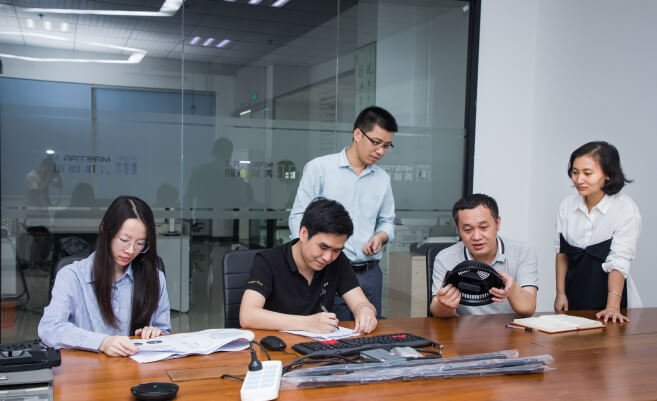
Direct access to engineers for design-for-additive advice, orientation planning, and cost optimization.
Certified Quality Systems
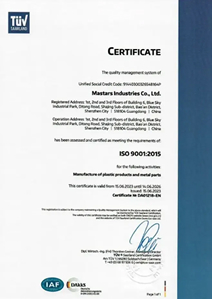
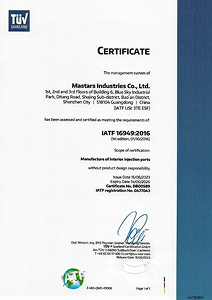
ISO 9001, ISO 13485, and IATF 16949 certified processes supported by documented inspection procedures.
Fast Turnaround
Quick-turn printing keeps design iterations moving and shortens development cycles.
DFM Review on Every Order
Feedback on wall thickness, orientation, and support strategy before printing begins.
Trusted by Global Engineering Teams
Supporting customers across medical, robotics, industrial equipment, automotive, and consumer products.

Certifications

ISO9001:2015 Certificate

ISO9001:2015 Certificate

IATF16949:2016 Certificate

IATF16949:2016 Certificate

ISO13485:2016 Certificate

ISO13485:2016 Certificate

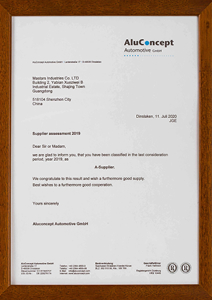
Medical A-Class Supplier

Medical A-Class Supplier

Partners

Auer Lighting
Bentley
Aston Martin
NVIDIA
Compac
Auer Lighting
Bentley
Aston Martin
NVIDIA
Compac

How SLA Works

Upload Your Design

Share your CAD files, drawings, quantity, material, and any critical requirements.

Get an Engineer-Reviewed Quote

Receive pricing, lead time, and manufacturability feedback based on your part requirements.

Production Begins

Once you approve your quote, manufacturing starts — from prototype tooling to full-scale runs.

Parts Shipped

Finished parts are inspected, packaged, and shipped with the required quality documentation.

What Our Customers Say

Jessica Malkovich

Jessica Malkovich

Company: MastarsJob Title: designerBusiness: mastars
Sofia made the entire process seamless! Her expertise and dedication helped us find our dream home quickly.
Jessica Malkovich

Jessica Malkovich

Company: MastarsJob Title: designerBusiness: mastars
Sofia made the entire process seamless! Her expertise and dedication helped us find our dream home quickly.
Jessica Malkovich

Jessica Malkovich

Company: MastarsJob Title: designerBusiness: mastars
Sofia made the entire process seamless! Her expertise and dedication helped us find our dream home quickly.
Jessica Malkovich

Jessica Malkovich

Company: MastarsJob Title: designerBusiness: mastars
Sofia made the entire process seamless! Her expertise and dedication helped us find our dream home quickly.
Jessica Malkovich

Jessica Malkovich

Company: MastarsJob Title: designerBusiness: mastars
Sofia made the entire process seamless! Her expertise and dedication helped us find our dream home quickly.

SLA Service FAQs

  • What is SLA and when should I choose it?

    SLA (stereolithography) cures liquid photopolymer resin with a laser, layer by layer, to create highly detailed parts with smooth surfaces. Choose SLA for visual models, master patterns, and parts that need fine features or a clear finish.

  • What materials can be used for SLA?

    A range of materials is available, including Photopolymer Resin, Nylon (PA12 / PA11), TPU / Flexible Materials, ABS / ASA / PC (FDM), Metals (Aluminum / Stainless / Titanium). The best choice depends on strength, appearance, operating environment, and budget. Our engineers can help you select the right one during the quote review.

  • What tolerances can SLA achieve?

    Achievable tolerances depend on material, part size, and geometry. Typical values are listed on this page, and tighter tolerances can often be held on critical features. Share your drawing and we will confirm during the DFM review.

  • Can you support both prototype and production SLA?

    Yes. We support everything from a single prototype to ongoing production programs, so you can scale without changing supplier.

  • How much does SLA cost?

    Cost depends on material, part size and complexity, quantity, tolerances, and finishing. Upload your CAD model and drawing to receive a quote, and our engineers can suggest design changes that reduce cost.

  • What file formats do you accept for SLA quotes?

    We accept common 3D CAD and 2D drawing formats, including STEP, STP, IGES, STL, SLDPRT, X_T, DXF, DWG, and PDF. If your format is not listed, please contact us.

  • How quickly can you deliver SLA parts worldwide?

    Lead time depends on process, quantity, and finishing. Prototypes can often ship within a few business days, and we ship worldwide. Contact us with your requirements for a lead-time estimate.

  • How does SLA compare with SLS or FDM?

    SLA gives the finest detail and smoothest surface. SLS produces stronger, more durable nylon parts without supports. FDM is typically the lowest cost for larger or simpler concept parts.

Tell Us About Your Project

Share your project details and files with us. Rough information is fine to start. Our engineering consultant will contact you within 24 hours.

Verification code