Over Molding

Custom Over Molding Services

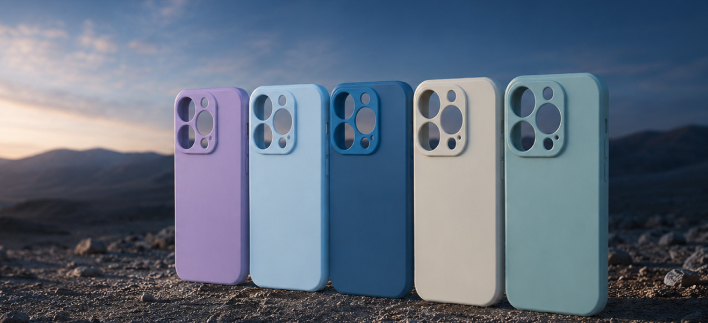
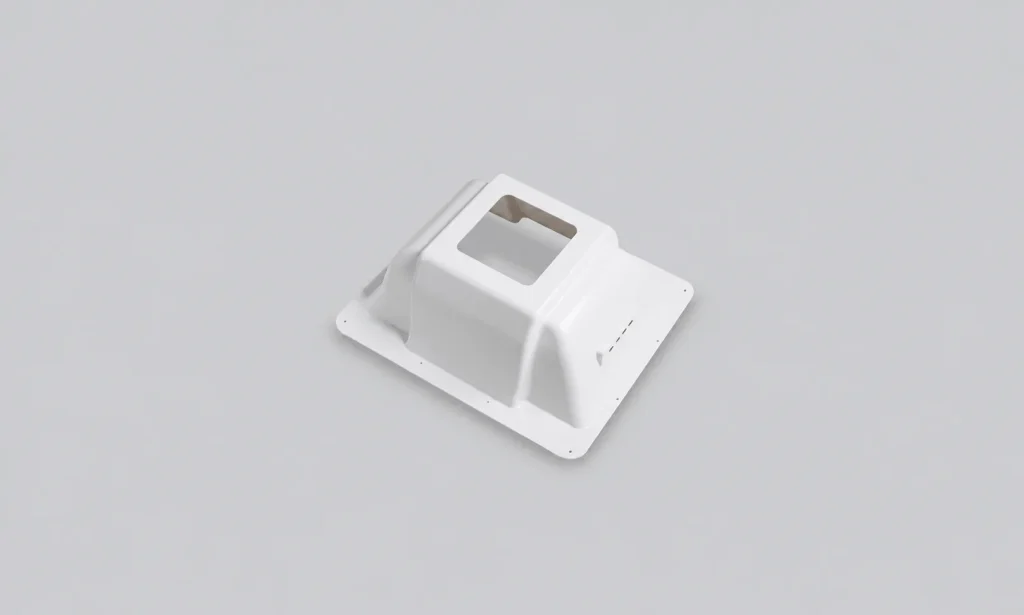
Custom multi-material molded parts combining rigid and flexible materials for grip, sealing, protection, and performance.

  • Critical dimensions down to ±0.025 mm
  • TPE, TPU, PVC, silicone & LSR overmolding
  • Plastic, metal, cable & electronic components
  • Material compatibility & bonding DFM review
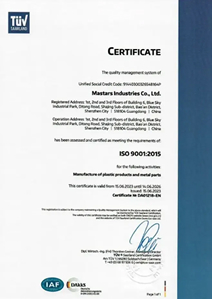
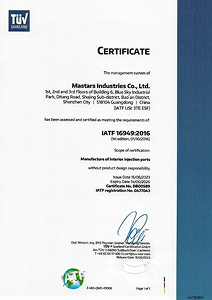
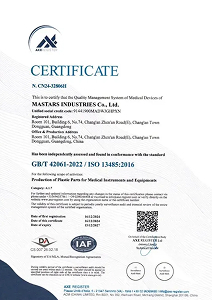
ISO 9001:2015 | ISO 13485:2016 | IATF 16949:2016

Custom Over Molding Services
±0.025 mm
Critical Tolerance
5+
Production Bases
100+
Engineering Professionals
20+
Years of Manufacturing Experience

Overmolding Capabilities

TPE & TPU Overmolding
Add soft-touch surfaces, improved grip, impact protection, and ergonomic features by molding elastomer materials over rigid substrates.
Get a Quote
PVC Overmolding
PVC Overmolding
Provide flexible insulation, protection, and strain relief solutions for cables, connectors, and industrial components.
Get a Quote
Silicone & LSR Overmolding
Create flexible, durable, and sealing components for medical, electronic, wearable, and industrial applications requiring elastic performance.
Get a Quote
Two-Shot & Multi-Material Molding
Support multi-material designs requiring integrated colors, materials, or functional features with reduced assembly operations.
Get a Quote
Overmold Design & Process Review
Evaluate material compatibility, bonding methods, wall thickness, shrinkage behavior, and mold risks before tooling with DFM support.
Get a Quote
Low-Pressure Electronics Overmolding
Protect sensitive electronic components with controlled encapsulation processes for connectors, cables, and electronic assemblies.
Get a Quote

Overmolding vs. Insert Molding vs. Two-Shot Molding

Choose the right process based on part function, material combination, production volume, and design requirements.
Comparison Factor Overmolding Insert Molding Two-Shot Molding
Best For Parts requiring soft-touch surfaces, sealing, protection, or ergonomic improvements Plastic parts requiring embedded metal or functional components High-volume parts requiring multiple materials or colors molded in one cycle
Manufacturing Process A secondary material is molded over an existing plastic substrate or component Preformed metal, ceramic, magnets, terminals, or other rigid inserts are positioned in the mold and encapsulated with plastic. Two compatible materials are injected sequentially using a specialized multi-material mold, typically suited for higher-volume production.
Typical Material Combination Rigid plastic + TPE / TPU / Silicone / LSR Plastic + metal inserts, terminals, bushings, magnets, or other components Two thermoplastics or hard/soft plastic combinations
Key Advantages Improves grip, sealing, impact resistance, and user experience while reducing secondary assembly Enhances mechanical strength, improves positioning accuracy, and integrates functional components Creates seamless multi-material parts with high consistency and reduced assembly steps
Design Considerations Material bonding, shrinkage difference, wall thickness, draft angle, and potential delamination risks Insert positioning, thermal expansion, insert retention, and mold interference Material compatibility, mold complexity, cycle time, and production volume requirements
Typical Applications Handheld devices, medical equipment, automotive controls, grips, seals, wearable products Electronic connectors, threaded components, structural reinforcement parts, industrial components Consumer electronics, automotive interior parts, complex appearance components
Production Considerations Suitable when material flexibility, soft-touch performance, or functional surfaces are required. Suitable when embedded components or mechanical reinforcement are required. Suitable for higher-volume production requiring integrated multi-material molding.
Custom Overmolding Services

Custom Overmolding Services

Every overmolded part requires the right combination ofsubstrate material, overmold material, bonding method, and mechanical interlock design. Mastars evaluates material compatibility, mold design, process conditions, and quality controls around your product requirements to achieve consistent bonding, dimensional stability, and multi-material performance.

Overmolding Materials

Material compatibility between substrate and overmold layers directly affects bonding strength, durability, and long-term reliability. Mastars evaluates material pairing, shrinkage behavior, thermal expansion, and surface conditions when selecting overmolding materials.
ABS
PC (Polycarbonate)
PA (Nylon)
TPE (Thermoplastic Elastomer)
TPU (Thermoplastic Polyurethane)
Silicone / LSR
ABS
ABS
ABS
ABS
ABS
ABS
ABS
ABS
ABS

ABS is commonly selected for overmolded parts requiring balanced strength, impact resistance, dimensional stability, and good surface appearance. It provides a reliable rigid substrate for applications requiring additional grip, protection, or soft-touch surfaces.

Key Characteristics

- Good impact resistance

- Easy processing

- Good surface finish

- Balanced strength and stiffness

Common Grades

- General-purpose ABS

- High-impact ABS

- Flame-retardant ABS

Typical Applications

- Consumer electronics housings

- Control panels

- Industrial covers

- Handheld devices

PC (Polycarbonate)
PC (Polycarbonate)
PC (Polycarbonate)
PC (Polycarbonate)
PC (Polycarbonate)
PC (Polycarbonate)
PC (Polycarbonate)
PC (Polycarbonate)
PC (Polycarbonate)

PC is selected when overmolded parts require high impact resistance, transparency, and dimensional stability under demanding conditions. It is commonly used for protective housings and electronic components where durability is important.

Key Characteristics

- High impact strength

- Good temperature resistance

- Excellent dimensional stability

- Transparent grades available

Common Grades

- Optical-grade PC

- Flame-retardant PC

- Glass-filled PC

Typical Applications

- Protective covers

- Medical device housings

- Electronic components

- Industrial parts

PA (Nylon)
PA (Nylon)
PA (Nylon)
PA (Nylon)
PA (Nylon)
PA (Nylon)
PA (Nylon)
PA (Nylon)
PA (Nylon)

PA is widely used for structural overmolded components requiring strength, wear resistance, and mechanical durability. Glass-filled grades can improve stiffness and dimensional stability for demanding applications.

Key Characteristics

- High mechanical strength

- Excellent wear resistance

- Good fatigue performance

- Reinforced grades available

Common Grades

- PA6

- PA66

- Glass-filled PA

Typical Applications

- Automotive components

- Mechanical parts

- Structural brackets

- Connectors

TPE (Thermoplastic Elastomer)

TPE is one of the most commonly used overmold materials because it provides soft-touch feel, flexibility, and improved grip while maintaining efficient injection molding performance.

Key Characteristics

- Soft-touch surface

- Good flexibility

- Slip resistance

- Wide hardness range

Common Grades

- General-purpose TPE

- Medical-grade TPE

- Flame-retardant TPE

Typical Applications

- Handles and grips

- Consumer electronics

- Sealing components

- Wearable products

TPU (Thermoplastic Polyurethane)

TPU is selected when overmolded parts require higher abrasion resistance, elasticity, and impact protection compared with standard elastomers.

Key Characteristics

- Excellent abrasion resistance

- High elasticity

- Good tear resistance

- Chemical resistance

Common Grades

- Polyester TPU

- Polyether TPU

- Medical-grade TPU

Typical Applications

- Protective cases

- Industrial grips

- Wearable devices

- Flexible protective components

Silicone / LSR
Silicone / LSR
Silicone / LSR
Silicone / LSR
Silicone / LSR
Silicone / LSR
Silicone / LSR
Silicone / LSR
Silicone / LSR

Silicone and liquid silicone rubber (LSR) are selected for applications requiring high elasticity, temperature resistance, sealing performance, or biocompatibility.

Key Characteristics

- Excellent flexibility

- Wide temperature range

- Chemical stability

- Medical-grade options available

Common Grades

- Medical-grade silicone

- Food-grade silicone

- Liquid Silicone Rubber (LSR)

Typical Applications

- Medical devices

- Sealing components

- Keypads

- Wearable products

Surface Finishing & Surface Preparation for Overmolded Parts

Surface finishing is selected based on appearance, tactile performance, identification, and functional requirements. Mastars considers material behavior, texture depth, and critical dimensions during finishing selection.
Name Applicable Materials Colors / Effects Considerations
Mold Texture ABS, PC, PA, PP, TPE, TPU Matte, grain, custom patterns Applied directly through mold surface; affects appearance, grip, and part release
Painting ABS, PC, PC/ABS, rigid plastics Custom colors, gloss, matte, metallic effects Used for cosmetic enhancement, color matching, and additional protection
UV Coating ABS, PC, PC/ABS High gloss, scratch resistance, protective coating Improves surface durability for appearance-critical parts
Laser Marking Engineering plastics, rigid substrates Logos, serial numbers, permanent marks Suitable for traceability, identification, and functional markings
Pad Printing ABS, PC, PP, TPU surfaces Text, symbols, logos, multi-color graphics Suitable for curved and irregular surfaces
Screen Printing ABS, PC, PMMA, flat plastic surfaces Graphics, labels, decorative patterns Best for flat or slightly curved surfaces with larger print areas

Overmolding Tolerances

Overmolding tolerances depend on material shrinkage, part geometry, tooling design, and molding conditions. Mastars applies tighter controls to critical interfaces, sealing areas, and functional dimensions.
Tolerance Item Typical Capability Engineering Consideration
High-Precision Critical Features Down to ±0.025 mm on critical molded features Applied to critical interfaces, mating features, and functional dimensions where required
General Injection Molding Precision Down to ±0.05 mm Suitable for controlled molded dimensions across standard production parts
Mold Manufacturing Precision Down to 0.002 mm Supports accurate cavity, core, and multi-material mold alignment
Overmold Layer Thickness 0.5–3 mm typical Affects material flow, bonding strength, flexibility, and surface appearance
Material Bonding Consistency Process-controlled Controlled through material selection, surface preparation, molding parameters, and validation
Part-to-Part Repeatability Process-controlled Maintained through stable tooling, injection parameters, and inspection procedures

Overmolding Equipment & Manufacturing Capabilities

FANUC ROBOSHOT ∂-150iA Injection Molding Machine

FANUC ROBOSHOT ∂-150iA Injection Molding Machine

OKUMA MB-66VA CNC Machining Center

OKUMA MB-66VA CNC Machining Center

Zeiss CONTURA G2 CMM

Zeiss CONTURA G2 CMM

Why Choose Mastars for Overmolding?

Quality Systems
ISO 9001, ISO 13485, and IATF 16949 systems support controlled production and documentation. Bonding checks, material verification, FAI, CMM, and in-process inspection can be applied to critical interfaces.
Engineering & Project Support
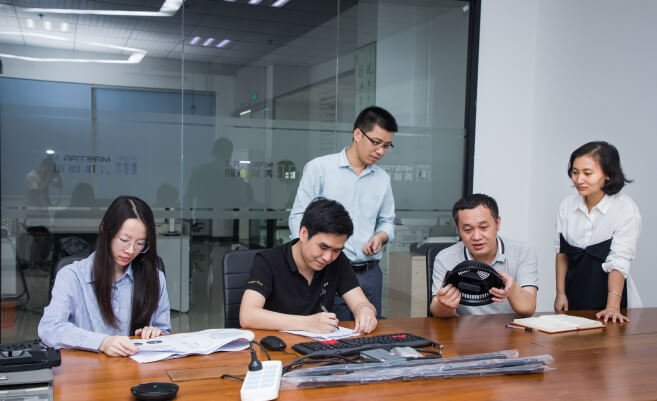
100+ engineers coordinate material selection, tooling, quality, production, and delivery so bonding requirements and design changes stay aligned through trials and production.
Manufacturing Experience
Our mold project engineers bring 20+ years of industry experience, supporting overmolding projects from DFM and mold design through trials, corrections, and production release.
Flexible Capacity
With tooling capacity of 50–60 mold sets per month and 5+ production bases, Mastars supports mold trials, pilot builds, changing volumes, and repeat overmolding production.
Overmolding DFM Review
Review substrate materials, overmold compatibility, bonding methods, wall thickness, shrinkage, and mold structure before tooling to reduce bonding failures, deformation, and avoidable mold changes.
Integrated Manufacturing
Keep tool design, mold manufacturing, trials, overmolding, finishing, inspection, and production coordination within one manufacturing program instead of managing multiple suppliers.

Certifications

ISO9001:2015 Certificate

ISO9001:2015 Certificate

IATF16949:2016 Certificate
IATF16949:2016 Certificate

ISO13485:2016 Certificate

ISO13485:2016 Certificate

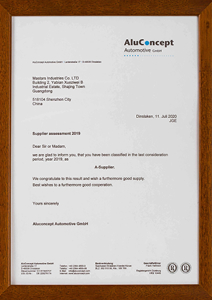
Medical A-Class Supplier

Medical A-Class Supplier

Partners

445 Projects
xylem
Bentley
Aston Martin
HARMAN
Annabella
Auer Lighting
NVIDIA
Compac
G4S
hs products
luxshareict
KK
Bioness
SGM
Nmble
Lear
LLEN&HEAT
belkin
DaAn Gene
MAGNA
pdd
Flite
simens
philips
maxwell
Land Rover

How to Work with Us

Share Your Project

Send a CAD file, drawing, or brief. Start with what you have.

Engineering Review & Quote

We review your requirements and confirm the process, price, and lead time.

We Make Your Parts

Once approved, we prepare the process and manufacture your parts.

Inspection & Delivery

We inspect, pack, and ship your finished parts.

What Our Customers Say

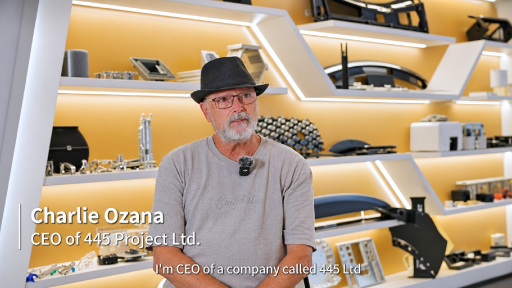
Charlie Ozana

Charlie Ozana

Company: 445 LTDJob Title: CEOBusiness: Full turnkey company
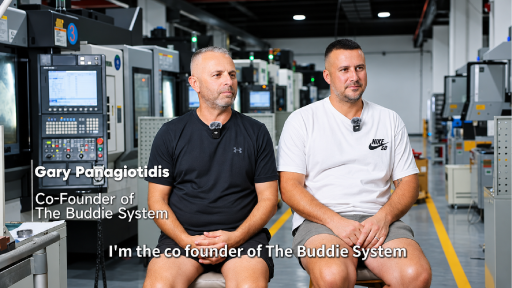
Mastars in all my projects are partners. So I get all the support that I need from engineering management, pricing, timetable, QA, everything is as a partner, not as a supplier. For me, Masters is like home.
Nathan Johnson

Nathan Johnson

Company: Gusto Global IndustriesJob Title: DirectorBusiness: Dust reduction system
They were such a lovely company to deal with, and we couldn't be more happier even to today down the track with even more products moving forward. Very professional, easy to deal with, get back to you straight away, contact is easy through WeChat and email, move forward as quickly as you can.
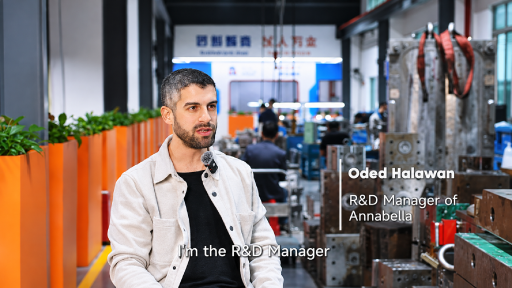
Oded Halawani

Oded Halawani

Company: Annabella Tech IsraelJob Title: R&D managerBusiness: Breast pump
We managed to make it in a very short time warm prototyping to mass production and FDA approval. That makes me feel confidence to choose Mastars.
Jade Harris

Jade Harris

Company: Buddy SystemJob Title: Co-founderBusiness: Wireless instant safety alert device
We're glad that we found a company like Mastars to make the product for us because it's been so good to deal with. They're a really good company.
Dror Harel

Dror Harel

Company: BlonessJob Title: General ManagerBusiness: L300, H200
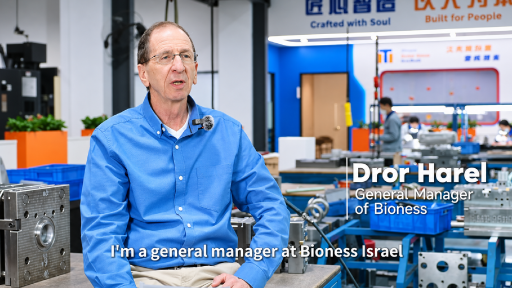
I think the relationship between the buyers and definitely between me the Mastars it's like a family relationship and this is why we are so happy to produce in Mastars and this is why we came for 15 years. By the way, now we came with a new product that we come to Master to produce for the new year.

FAQs

  • What is overmolding in injection molding?

    Overmolding is an injection molding process that combines two materials into one integrated part. A secondary material, such as TPE, TPU, silicone, or LSR, is molded over a substrate to add soft-touch surfaces, sealing, protection, or improved grip.

  • What materials can be used for overmolding?

    Common overmolding combinations include rigid plastics such as ABS, PC, PA, and PP with elastomers such as TPE, TPU, PVC, silicone, and LSR.

  • What is the difference between overmolding and insert molding?

    Overmolding combines different materials, typically to add soft-touch, sealing, or protective features. Insert molding embeds components such as metal inserts, terminals, or magnets into plastic parts to improve strength or integrate functions.

  • What is the difference between overmolding and two-shot molding?

    Overmolding usually adds a secondary material onto an existing substrate, while two-shot molding injects two materials in a specialized mold during the same molding cycle. The best choice depends on production volume, material requirements, tooling investment, and part design.

  • How do you ensure bonding between two materials?

    Bonding performance depends on material compatibility, surface conditions, mold design, and molding parameters. Mastars reviews material selection, shrinkage behavior, and process settings during DFM to reduce risks such as weak bonding or delamination.

  • Can overmolding be used for prototypes?

    Yes. Overmolding prototypes can be used to validate material feel, bonding performance, sealing, assembly fit, and product functionality before investing in production tooling.

  • How long does overmolding take?

    Lead time depends on part complexity, tooling requirements, and production quantity. Rapid tooling can typically start from around 2 weeks, while prototype and production timelines are confirmed after design review.

  • Can you support low-volume overmolding production?

    Yes. Mastars supports prototype builds and low-volume production before scaling to larger production runs. The right approach depends on tooling investment, validation needs, and expected demand.

  • What applications use overmolding?

    Overmolding is commonly used for handheld devices, medical equipment, automotive components, electronic housings, grips, seals, wearable products, and industrial tools where multiple materials provide functional advantages.

  • What files are needed to get an overmolding quote?

    A 3D CAD model, material requirements, expected quantity, surface requirements, and any critical dimensions are helpful for evaluation. Rough information is enough to start an engineering review.

  • Can overmolding parts be produced with tight tolerances?

    Yes, but achievable tolerances depend on material behavior, part geometry, shrinkage, and tooling design. Critical dimensions can be controlled more tightly, while flexible materials require consideration of deformation and material variation.

  • Does Mastars provide both tooling and overmolding production?

    Yes. Mastars supports overmolding projects from DFM review and tooling through molding trials, inspection, and production delivery within one manufacturing workflow.

  • Can you overmold silicone onto plastic parts?

    Yes. Silicone overmolding can be used on plastic substrates for sealing, soft-touch surfaces, medical devices, wearables, and electronic protection. Material compatibility, surface preparation, and bonding methods are reviewed during design evaluation.

Tell Us About Your Project

Share your project details and files with us. Rough information is fine to start. Our engineering consultant will contact you within 24 hours.

Verification code