Sports

Sports
Sports Equipment Manufacturing Services

Custom sports equipment components from prototype to production.

  • Fitness, cycling, outdoor & protective components
  • Metals, plastics & elastomers
  • DFM review for fit, assembly & manufacturability
ISO 9001:2015 | ISO 13485:2016 | IATF 16949:2016
Sports Equipment Manufacturing Services
20+
Years of Manufacturing Experience
±0.002 mm
CNC Precision
15+ CMM
Inspection Capacity
100+
Engineering Professionals

Sports Equipment: Prototype to Production

Each stage addresses a different risk—from ergonomics and fit to material behavior, tooling, process stability, and repeat production.
Prototype
EVT
DVT
PVT
Production
Prototype Development
Build early parts to evaluate form, fit, ergonomics, assembly, and basic performance before committing to production tooling or processes.
Concept & Geometry Validation
Check overall geometry, interfaces, mounting points, clearances, grip areas, protective features, and user-contact surfaces.
Fit & Ergonomic Evaluation
Produce physical prototypes to assess hand feel, body contact, athlete-specific fit, reach, comfort, and assembly interaction.
Material Evaluation
Compare metals, engineering plastics, and elastomers for weight, stiffness, flexibility, impact response, grip, wear, and outdoor exposure.
Design Iteration
Update CAD based on fit, interference, comfort, weight distribution, assembly findings, and early functional testing.
Engineering Validation Test
Verify critical interfaces, dimensions, and functional behavior using representative parts before the design is frozen.
Critical Dimension Verification
Inspect mounting holes, mating surfaces, bearing or pivot features, sealing interfaces, grip geometry, and other function-critical dimensions.
Test-Ready Prototype Builds
Manufacture parts for customer-side or third-party impact, load, fatigue, wear, movement, drop, or field evaluation.
Tolerance & Assembly Review
Evaluate accumulated variation across mating parts, fasteners, housings, frames, grips, inserts, and moving assemblies.
Manufacturing Feedback
Review wall thickness, radii, machining access, draft, ribs, bosses, insert locations, overmolding areas, and other process-dependent features.
Design Validation Test
Confirm that the product meets intended form, fit, function, material, appearance, and in-use environmental requirements before production preparation.
Form, Fit & Function Validation
Confirm final assembly compatibility, alignment, movement, grip, fastening, interfaces, and user-contact geometry.
Material & Surface Evaluation
Assess production-intent materials and finishes for wear, corrosion, sweat exposure, grip, texture, appearance, and repeated handling.
Performance-Test Preparation
Produce representative parts for impact, fatigue, environmental, ergonomic, and field testing where required by the customer or third party.
Final Design Release
Resolve remaining revisions and prepare production-intent CAD, drawings, tolerances, materials, colors, textures, and finishing specifications.
Production Validation Test
Validate tooling, fixtures, manufacturing processes, and inspection methods before production ramp-up.
Tooling & Fixture Validation
Verify molds, machining fixtures, assembly fixtures, gauges, inserts, locating features, and critical interfaces.
Process Validation
Confirm machining, molding, forming, overmolding, finishing, and assembly conditions required for repeatable production.
FAI & Inspection Planning
Define first-article checks, critical dimensions, datums, cosmetic requirements, inspection frequency, and suitable measurement methods.
Pilot Production
Run an initial batch to identify molding, machining, assembly, finishing, inspection, packaging, or supply risks before scaling volume.
Production
Move approved sports equipment components into controlled repeat production while maintaining quality, revision, and delivery requirements.
Batch Production
Support sports equipment programs from 1 to 100,000+ units, including low-volume, bridge, and repeat production as demand changes.
Revision Control
Maintain current CAD files, drawings, material specifications, colors, textures, and approved engineering changes for repeat orders.
Quality Control
Apply first-article, in-process, and final inspection according to part function, cosmetic requirements, and project specifications.
Assembly & Finishing Coordination
Coordinate molding, machining, surface finishing, printing, overmolding, assembly, and packaging where multiple processes are required.
Custom Sports Equipment Components

Custom Sports Equipment Components

Manufactured to your drawings, material specifications, tolerances, quantities, and finishing requirements—from functional prototypes to repeat production.

Sports Equipment Parts We Manufacture

Part Categories Typical Sports Equipment Components
Fitness & Training Equipment Handles, grips, pulleys, adjustment knobs, brackets, frames, guards, housings, resistance-system components
Cycling Components Pedals, hubs, mounts, clamps, frame inserts, control covers, bike-computer mounts
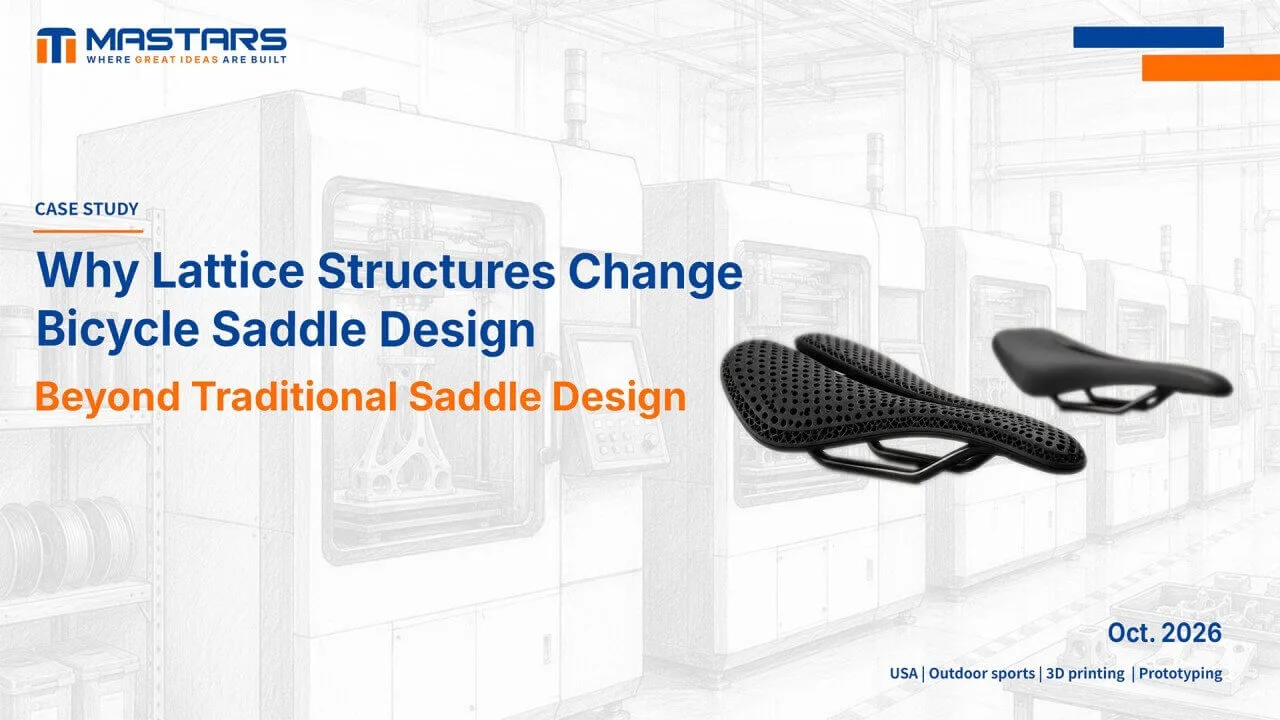
Golf & Racket-Sport Components Shaft adapters, grip inserts, handle components, training aids, sensor housings, protective guards
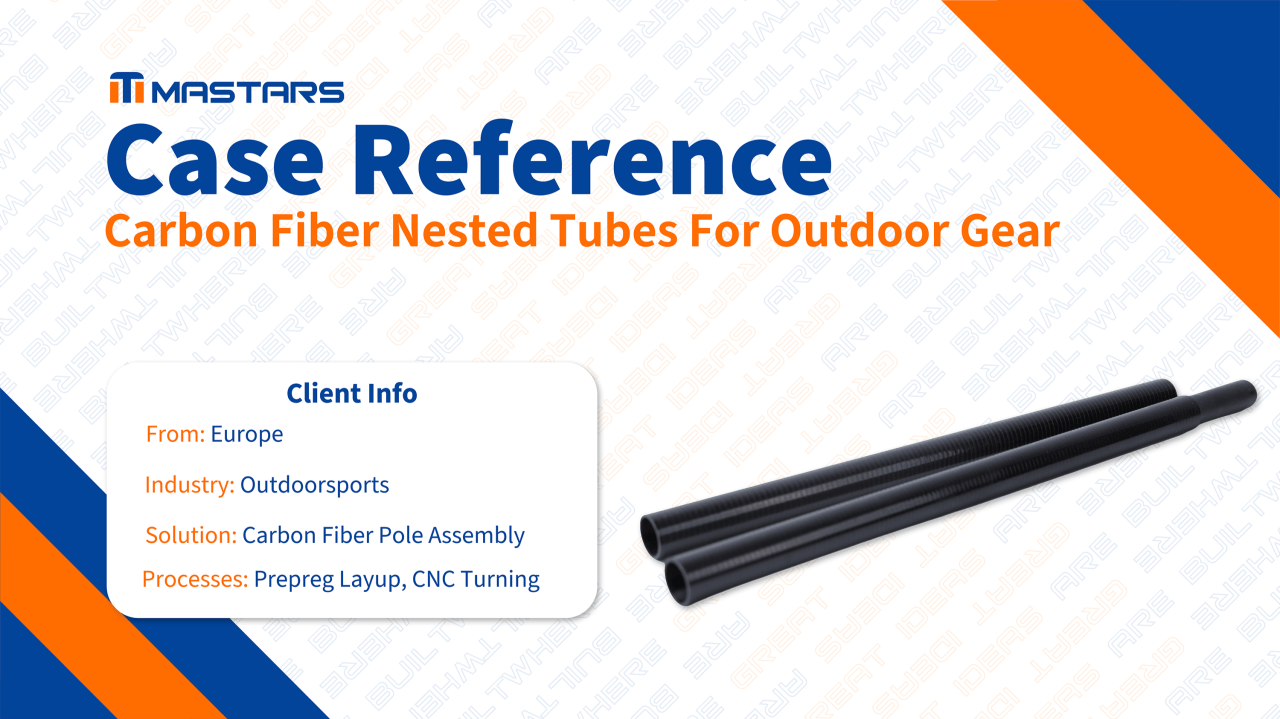
Outdoor & Water-Sport Components Buckles, clips, paddle hardware, mounts, handles, support brackets, protective covers, corrosion-resistant hardware
Protective Equipment Components Shells, guards, adjustment components, retention-system parts, padding supports, impact-absorbing inserts
Athletic Footwear & Orthotic Components Shoe-bottom prototypes, custom insoles, orthotic inserts, heel structures, clips, mounts
Sports Technology & Wearable Components Sensor housings, protective enclosures, battery compartments, mounts, cable-management parts, charging interfaces
Rehabilitation & Adaptive Sports Equipment Supports, housings, handles, adjustment parts, sensor mounts, custom-fit interfaces

Materials & Manufacturing Processes

Select materials by weight, stiffness, impact resistance, fatigue, wear, sweat or moisture exposure, grip, appearance, and production quantity.
Material Category Candidate Materials Process Options Design Considerations
Material Category Available Materials Manufacturing Processes Typical Sports Applications
Aluminum Alloys 6061, 7075 and selected grades CNC Machining; Sheet Metal Fabrication for suitable grades Pedals, brackets, mounts, lightweight frames, housings
Stainless Steel 304, 316 CNC Machining, Sheet Metal Fabrication Fasteners, pivots, brackets, corrosion-resistant hardware
Carbon & Alloy Steel Carbon Steel, selected Alloy Steels CNC Machining, Sheet Metal Fabrication Frames, high-load brackets, shafts, structural components
Casting Alloys Aluminum, Zinc, Magnesium Pressure Die Casting, CNC Post-Machining Housings, mounts, structural parts, repeat-production metal components
Titanium Alloys Ti-6Al-4V / TC4 CNC Machining, Metal 3D Printing Lightweight high-strength specialty components
POM / Acetal POM / Delrin CNC Machining, Injection Molding Bushings, guides, sliders, low-friction adjustment parts
Nylon / PA PA6, PA66 and selected reinforced grades CNC Machining, 3D Printing, Injection Molding Buckles, housings, guards, clips, structural plastic parts
PC / ABS PC, ABS, PC/ABS CNC Machining, 3D Printing, Injection Molding Protective housings, covers, electronics enclosures
TPU / TPE Selected grades by process Injection Molding, Overmolding, 3D Printing where suitable Grips, protective elements, flexible contact surfaces
Silicone Solid or liquid silicone, project-dependent Silicone Molding / LSR Molding Soft-touch parts, seals, flexible interfaces, wearable components
PU Polyurethane systems Vacuum Casting Soft or rigid prototype parts, grips, appearance models, low-volume validation

Post-Processing for Sports Equipment

Finishing should be planned around corrosion, wear, sweat or moisture exposure, grip, coating thickness, mating surfaces, threads, and user-contact areas.
Process Applicable Materials Key Features Typical Sports Applications
Anodizing Aluminum Improves corrosion and wear resistance; Type II and Type III options available Pedals, brackets, housings, mounts, visible aluminum parts
Passivation Stainless Steel Improves corrosion resistance without adding a dimensional coating Hardware, pivots, brackets, precision interfaces
Sand / Bead Blasting Metals & Selected Plastics Creates a uniform matte surface and reduces visible machining marks Housings, handles, brackets, visible components
Powder Coating Metals Durable colored protective coating; outdoor-grade systems can be selected according to exposure requirements Frames, guards, brackets, fitness equipment structures
Painting Metals & Plastics Custom color, gloss, texture, and protective finish; coating build should be considered on mating surfaces Housings, covers, guards, visible sports equipment components
Electroplating Metals & Selected Plastics Adds decorative, corrosion, wear, or conductivity properties depending on coating Hardware, decorative parts, functional metal components
PVD Coating Metals Thin, hard coating for improved wear resistance and premium appearance High-wear hardware, visible metal components, specialty parts
Polishing Metals & Plastics Reduces surface roughness and improves appearance or contact conditions Handles, contact surfaces, decorative parts
Soft-Touch / Rubberized Coating Selected Plastics Improves grip and tactile feel; wear life should be checked for high-contact applications Handles, grips, handheld sports devices
Screen / Pad Printing Metals & Plastics Adds logos, markings, graphics, or operating symbols Housings, controls, grips, branded components
Laser Marking Metals & Plastics Permanent part IDs, serial numbers, logos, and traceability markings Production identification, branded hardware, smart-sports parts
Water Transfer Printing Plastics & Selected Metals Applies decorative patterns over complex curved surfaces Outdoor equipment, protective parts, cosmetic housings
Insert Installation Metals & Plastics Adds threaded inserts and assembly hardware Housings, grips, structural interfaces, covers
Heat Treatment Metals Adjusts hardness, strength, wear resistance, or dimensional stability Shafts, pivots, wear parts, high-load components

What Our Customers Say

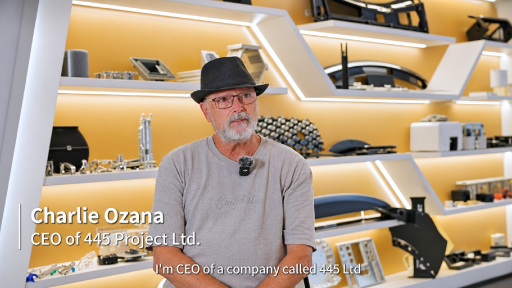
Charlie Ozana

Charlie Ozana

Company: 445 LTDJob Title: CEOBusiness: Full turnkey company
Mastars in all my projects are partners. So I get all the support that I need from engineering management, pricing, timetable, QA, everything is as a partner, not as a supplier. For me, Masters is like home.
Nathan Johnson

Nathan Johnson

Company: Gusto Global IndustriesJob Title: DirectorBusiness: Dust reduction system
They were such a lovely company to deal with, and we couldn't be more happier even to today down the track with even more products moving forward. Very professional, easy to deal with, get back to you straight away, contact is easy through WeChat and email, move forward as quickly as you can.
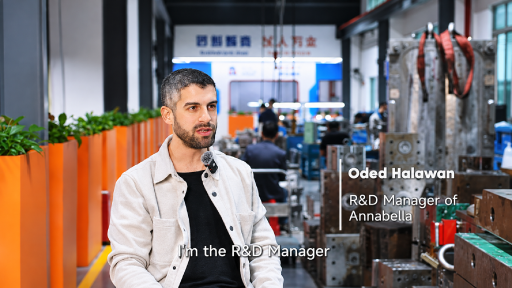
Oded Halawani

Oded Halawani

Company: Annabella Tech IsraelJob Title: R&D managerBusiness: Breast pump
We managed to make it in a very short time warm prototyping to mass production and FDA approval. That makes me feel confidence to choose Mastars.
Jade Harris

Jade Harris

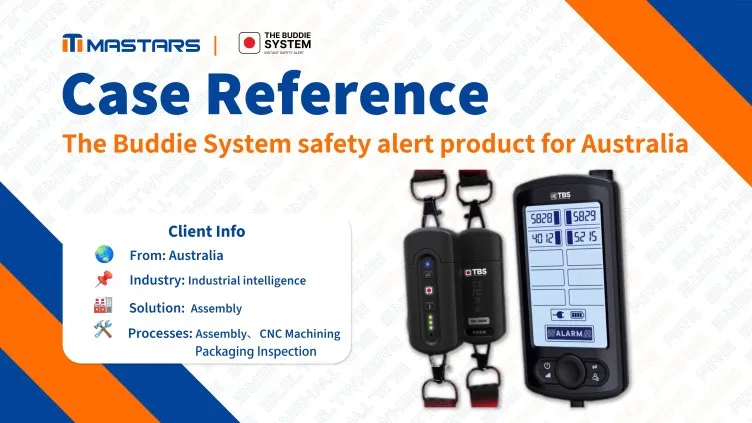
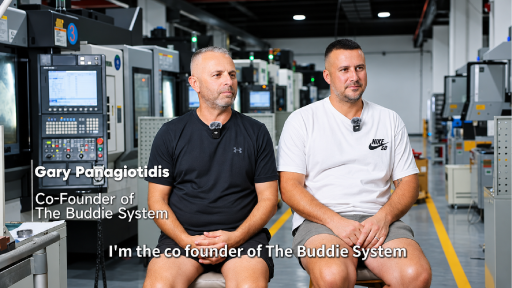
Company: Buddy SystemJob Title: Co-founderBusiness: Wireless instant safety alert device
We're glad that we found a company like Mastars to make the product for us because it's been so good to deal with. They're a really good company.
Dror Harel

Dror Harel

Company: BlonessJob Title: General ManagerBusiness: L300, H200
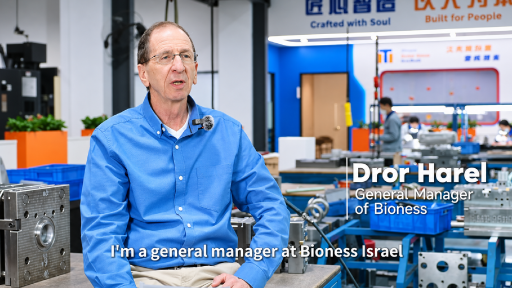
I think the relationship between the buyers and definitely between me the Mastars it's like a family relationship and this is why we are so happy to produce in Mastars and this is why we came for 15 years. By the way, now we came with a new product that we come to Master to produce for the new year.

Why Choose Mastars for Sports Equipment Manufacturing

Quality Systems
ISO 9001:2015 supports controlled manufacturing and inspection, with CMM, FAI, in-process checks, and dimensional verification for critical sports equipment components.
Engineering & Project Support
100+ engineering professionals support development and manufacturing, while tooling, quality, production planning, and delivery are coordinated across the project.
Manufacturing Experience
20+ years of manufacturing experience across prototypes, lightweight structural parts, tooling, pilot builds, assembly, and repeat production.
Flexible Capacity
5+ production bases support one-off prototypes, validation builds, pilot quantities, low-volume production, repeat orders, and changing volumes as products scale.
Sports DFM Review
Grip areas, user-contact surfaces, critical fits, wall thickness, inserts, overmolding, assembly interfaces, and manufacturing risks are reviewed before production.
Integrated Manufacturing
CNC machining, 3D printing, sheet metal, metal casting, injection molding, tooling, finishing, overmolding, assembly, and inspection are coordinated within one manufacturing program.

Start Your Sports Equipment Manufacturing Project

Sports Equipment Manufacturing FAQs

  • Can Mastars manufacture custom sports equipment parts from my CAD files?

    Yes. Mastars manufactures custom metal, plastic, and elastomer components from customer CAD files and drawings for fitness, cycling, outdoor, protective, sports technology, and rehabilitation applications.

  • What manufacturing process is best for my sports equipment component?

    It depends on the part geometry, material, quantity, and performance requirements. CNC machining is often suitable for high-strength, precision parts; 3D printing for complex or highly customized prototypes; injection molding for repeat plastic production; and sheet metal fabrication for frames, brackets, guards, and structural assemblies. We can review the design before you commit to a process.

  • Can you help select materials for lightweight and durable sports products?

    Yes. Material selection should balance weight, strength, stiffness, impact resistance, fatigue, wear, moisture or sweat exposure, grip, and manufacturability. Common options include aluminum, stainless steel, titanium, nylon, PC/ABS, POM, TPU, TPE, silicone, and other engineering materials depending on the process and application.

  • Can you make functional prototypes for fit and performance testing?

    Yes. We can manufacture functional sports product prototypes for fit, ergonomics, assembly, movement, grip, and other design evaluations. For impact, fatigue, drop, environmental, or field testing, we can produce test-ready parts to your specifications for evaluation by your team or a qualified third party.

  • Can a validated prototype move directly into production?

    Not always. A prototype can confirm fit, form, ergonomics, or function, but production may introduce different tooling, material behavior, shrinkage, tolerances, surface requirements, and process variation. Before production, we review the design again for tooling, repeatability, inspection, and production-specific risks.

  • Do you support low-volume sports equipment manufacturing?

    Yes. Mastars supports prototype quantities, pilot builds, bridge production, and repeat manufacturing. The most suitable process depends on quantity and design maturity—for example, CNC machining or 3D printing may suit early low volumes, while injection molding or die casting can become more economical as quantities increase.

  • Can you manufacture parts for smart sports and wearable products?

    Yes. We can support components such as sensor housings, protective enclosures, battery compartments, mounts, covers, cable-management parts, and molded or overmolded interfaces. Electronics integration requirements, sealing, assembly access, and heat or moisture exposure should be identified early in the design review.

  • Can you support soft-touch grips, overmolding, and cosmetic finishes?

    Yes, depending on the material and part design. Options may include TPU or TPE overmolding, silicone molding, soft-touch coatings, anodizing, powder coating, painting, polishing, pad printing, laser marking, and other finishes. High-contact grip areas should be reviewed carefully because some cosmetic or soft-touch finishes wear faster under repeated use.

  • Can Mastars achieve ±0.005 mm tolerances on sports equipment parts?

    On suitable CNC-machined features, yes. ±0.005 mm is not a default tolerance for every part or process. Actual capability depends on material, geometry, feature size, setup, machining strategy, and inspection requirements. Identify critical fits and GD&T on your drawing so we can evaluate where tight tolerances are necessary and practical.

  • What should I send to get a quote for a sports equipment project?

    Rough information is fine to start. Send your 3D CAD file if available, along with quantity, target material, and any known tolerance, finish, fit, or performance requirements. A 2D drawing is especially useful when critical dimensions, threads, GD&T, or cosmetic requirements must be controlled.

Tell Us About Your Project

Share your project details and files with us. Rough information is fine to start. Our engineering consultant will contact you within 24 hours.

Verification code