Forming

Custom Sheet Metal Forming Services

Custom formed metal parts for brackets, housings, panels, and structural components—from fast prototypes to repeat production.

  • Bending, drawing, rolling, flanging & die forming
  • Aluminum, steel, stainless steel, copper & brass
  • DFM for springback, bend radius & distortion
  • Cutting, welding, hardware, finishing & inspection
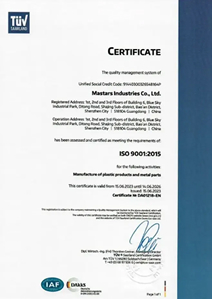
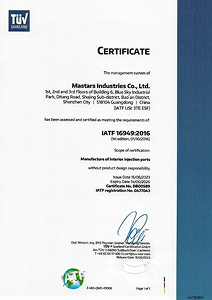
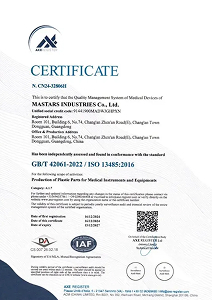
ISO 9001:2015 | ISO 13485:2016 | IATF 16949:2016

Custom Sheet Metal Forming Services
48 Hours
Fast Delivery
±0.1 mm
Cutting Tolerance
0
MOQ
100,000
Production Volume

Our Forming Capabilities

Die & Press Forming
Die & Press Forming
Ribs, beads, embossments, louvers, offsets, and repeated formed features. Tooling is selected around geometry, quantity, and repeatability.
Get a Quote
Deep Draw Forming
Deep Draw Forming
Cups, shells, recesses, and deeper contoured features. Control material flow, thinning, wrinkling, tearing, and draw depth.
Get a Quote
Roll & Radius Forming
Cylindrical sections, curved panels, and continuous-radius profiles. Control radius consistency, springback, and surface marking.
Get a Quote
Hemming, Flanging & Edge Forming
Hems, reinforced edges, return features, and formed flanges. Review edge condition, relief, material thickness, and final assembly geometry.
Get a Quote

Is Sheet Metal Forming Right for Your Part?

Choose sheet metal forming for drawn, contoured, rolled, flanged, reinforced, or die-formed 3D geometry.
Process Best For Why Choose It Key Trade-Off
Sheet Metal Forming Drawn shells, contours, ribs, beads, curved and reinforced features Creates controlled 3D geometry through plastic deformation Springback, material flow, thinning, and tooling affect final geometry
Sheet Metal Bending Brackets, channels, boxes, straight flanges Efficient for geometry defined mainly by straight bend lines Bend radius, springback, and hole-to-bend location require control
Punching Holes, slots, louvers, repeated sheet features Efficient for repeated features and production runs Tooling cost rises when feature geometry changes frequently
Welding Frames, assemblies, joined structures Combines multiple sheet-metal parts into one assembly Heat input can distort dimensions and visible surfaces
Laser Cutting Flat profiles, holes, slots, complex 2D contours Fast and flexible blank preparation Secondary forming is required for 3D geometry
Waterjet Cutting Thick or heat-sensitive flat profiles Avoids a heat-affected zone Cutting speed and edge taper may limit efficiency on thin-sheet production
Custom Formed Sheet Metal Parts & Assemblies

Custom Formed Sheet Metal Parts & Assemblies

Brackets, chassis, housings, covers, guards, panels, frames, and formed subassemblies for custom industrial applications.

Coordinate forming, hardware insertion, welding, finishing, assembly, and inspection under one project.

Materials for Sheet Metal Forming

Material grade, temper, thickness, and grain direction directly affect formability, springback, cracking risk, and achievable geometry. Select the material around final part requirements and expected forming behavior.
Aluminum
Stainless Steel
Steel
Copper
Brass
Aluminum
Aluminum
Aluminum
Aluminum
Aluminum
Aluminum
Aluminum
Aluminum
Aluminum

Aluminum combines low weight, corrosion resistance, and good strength-to-weight performance for enclosures, panels, brackets, and structural sheet-metal parts. Alloy and temper strongly influence tight-radius bends, drawn features, and cracking risk.

Key Characteristics

Lightweight and easy to form

Good corrosion resistance

Accepts anodizing and powder coating

Minimum bend radius varies with alloy, temper, thickness, grain direction, and tooling.

Common Grades

5052-H32

6061-T6

Typical Applications

Lightweight enclosures

Structural brackets

Equipment panels

Electronic housings

Industrial components

Available Finishes

Anodizing

Powder coating

Painting

Brushing

Polishing

Bead blasting

Stainless Steel
Stainless Steel
Stainless Steel
Stainless Steel
Stainless Steel
Stainless Steel
Stainless Steel
Stainless Steel
Stainless Steel

Stainless steel combines corrosion resistance, durability, cleanability, and controlled metal appearance. It is widely used in medical, food-processing, industrial, and equipment applications where formed parts must also resist corrosion or repeated cleaning.

Key Characteristics

High strength and corrosion resistance

Hygienic, easy-to-clean surface

Good weldability

Work hardening and springback become more important with tighter radii, multiple bends, and deeper formed geometry.

Common Grades

304-2B

304-#4

316-2B

Typical Applications

Medical equipment

Food-processing components

Industrial enclosures

Corrosion-resistant assemblies

Visible equipment panels

Available Finishes

Brushing

Polishing

Passivation

Electropolishing

Bead blasting

Painting / powder coating

Steel
Steel
Steel
Steel
Steel
Steel
Steel
Steel
Steel

Steel provides high strength and cost efficiency for frames, housings, brackets, and industrial structures. Cold-rolled, hot-rolled, galvanized, and galvanneal sheet differ in surface condition, coating behavior, forming force, and springback.

Key Characteristics

Strength grade directly affects bend radius, forming force, springback, and achievable draw depth.

Common Grades

CRS

HRPO

Galvanized Steel

Galvanneal

Typical Applications

Machine housings

Structural brackets

Equipment frames

Industrial panels

Automotive components

Available Finishes

Powder coating

Painting

Zinc plating

Black oxide

Galvanizing

Copper
Copper
Copper
Copper
Copper
Copper
Copper
Copper
Copper

Copper combines high electrical and thermal conductivity with good ductility, making it suitable for formed electrical connections and thermal-management parts. Its soft surface also requires careful handling through forming and secondary operations.

Key Characteristics

Define visible surfaces early when tooling marks or cosmetic handling damage matter.

Common Grades

C1010

C1100

Typical Applications

Busbars

Electrical contacts

Conductive components

Heat-transfer parts

Thermal-management components

Available Finishes

Polishing

Brushing

Tin / nickel plating

Protective coating

Natural finish

Brass
Brass
Brass
Brass
Brass
Brass
Brass
Brass
Brass

Brass combines formability, conductivity, corrosion resistance, and a distinctive metal appearance. C260 is commonly used for electrical hardware, terminals, instrument parts, and formed components with visible surfaces.

Key Characteristics

High electrical and thermal conductivity

Easy to form

Natural antimicrobial properties

Confirm temper before tooling because it directly affects bend radius and cracking risk.

Common Grades

C260

Typical Applications

Electrical terminals

Decorative hardware

Instrument components

Specialty metal parts

Visible fittings

Available Finishes

Polishing

Brushing

Nickel plating

Chrome plating

Protective clear coating

Natural finish

Sheet Metal Forming Surface Finishing Options

Choose the finish by corrosion resistance, appearance, electrical function, and its effect on critical fits.
Finish Suitable Materials Primary Benefit Dimensional / Surface Impact Typical Parts
Deburring & Edge Finishing Aluminum, steel, stainless, copper, brass Removes sharp edges and improves handling Edge break affects corner geometry and close mating interfaces Brackets, enclosures, machine parts
Powder Coating Steel, aluminum Color, corrosion protection, wear resistance Coating buildup affects holes, threads, grounding points, and tight fits Housings, panels, frames
Painting Steel, aluminum, stainless Wide color and cosmetic options Film thickness and masking requirements should be defined around critical fits Covers, housings, visible panels
Anodizing Aluminum Corrosion resistance, color, surface protection Alloy and weld areas may show different appearance; tight fits require allowance Enclosures, covers, brackets
Brushing Stainless steel, aluminum Directional cosmetic finish Grain direction and visible A-surfaces should be defined before forming Panels, covers, visible housings
Bead Blasting Aluminum, stainless steel Uniform matte texture Thin or large panels require distortion control; finish can reveal weld variation Housings, covers, equipment panels
Polishing Stainless, brass, copper, aluminum Smooth, reflective, or cleanable surface Deep forms restrict polishing access; heavy polishing can round edges Medical, decorative, visible parts
Electropolishing Stainless steel Smoother, cleaner, corrosion-resistant surface Removes a controlled surface layer and should be considered on precision features Medical, food, cleanable components
Plating Steel, copper, brass Corrosion protection, conductivity, wear resistance Coating thickness affects threads, contacts, grounding points, and mating fits Electrical and functional parts
Passivation Stainless steel Improves corrosion resistance after fabrication Minimal dimensional change; surface cleanliness remains critical Medical, food, industrial parts

Sheet Metal Forming Tolerances & Limits

Specify drawing tolerances for critical formed features. Cutting, forming, and inspection have different capability limits.
Metric Data / Reference Applies To Important Note
Cutting Tolerance Up to ±0.1 mm Suitable sheet-metal prototype cut features Bend and profile tolerances require separate review
General Tolerance Reference ISO 2768-m Suitable prototype work without individual tolerances Specify critical formed dimensions on the drawing
Material Thickness Approx. 0.1–12 mm Broader Mastars sheet-metal workflow Forming range varies with alloy, geometry, radius, and tooling
Inspection Capacity 15+ CMM Dimensional verification Supports FAI and critical-feature inspection
CMM Measurement Capability Down to 0.0017 mm Inspection equipment Equipment capability supports verification of tight drawing requirements
Formed Dimensions Drawing-Specific Bend angle, flange length, draw depth, overall profile Springback, grain direction, tooling, and forming sequence affect final variation

Why Choose Mastars for Sheet Metal Forming?

Quality Systems
ISO 9001, ISO 13485, and IATF 16949 systems support controlled inspection and documentation. FAI and CMM verify post-form holes, flanges, mounting faces, datums, and mating interfaces.
Engineering & Project Support
100+ engineers coordinate CAD, drawing, material, tooling, quality, and revision changes so forming requirements stay aligned from prototype through repeat production.
Manufacturing Experience
Backed by 20+ years of manufacturing experience, Mastars supports sheet metal forming projects from prototype and pilot builds through repeat production and engineering changes.
Flexible Capacity
Supported by 5+ production bases, Mastars supports prototype forming, pilot builds, changing volumes, and repeat orders without requiring customers to change manufacturing partners.
Sheet Metal Forming DFM Review
Review material condition, grain direction, bend radius, springback, draw depth, and feature position before forming to reduce distortion and dimensional risk.
Integrated Manufacturing
Coordinate forming, hardware insertion, welding, finishing, inspection, and assembly within one manufacturing program instead of managing multiple suppliers.

Certifications

ISO9001:2015 Certificate

ISO9001:2015 Certificate

IATF16949:2016 Certificate
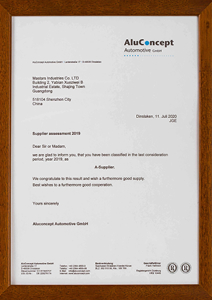
IATF16949:2016 Certificate

ISO13485:2016 Certificate

ISO13485:2016 Certificate

Medical A-Class Supplier

Medical A-Class Supplier

Partners

445 Projects
xylem
Bentley
Aston Martin
HARMAN
Annabella
Auer Lighting
NVIDIA
Compac
G4S
hs products
luxshareict
KK
Bioness
SGM
Nmble
Lear
LLEN&HEAT
belkin
DaAn Gene
MAGNA
pdd
Flite
simens
philips
maxwell
Land Rover

How to Work with Us

Share Your Project

Send a CAD file, drawing, or brief. Start with what you have.

Engineering Review & Quote

We review your requirements and confirm the process, price, and lead time.

We Make Your Parts

Once approved, we prepare the process and manufacture your parts.

Inspection & Delivery

We inspect, pack, and ship your finished parts.

What Our Customers Say

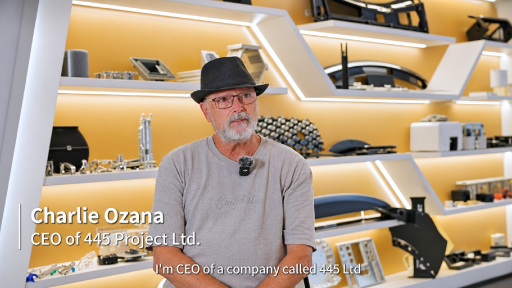
Charlie Ozana

Charlie Ozana

Company: 445 LTDJob Title: CEOBusiness: Full turnkey company
Mastars in all my projects are partners. So I get all the support that I need from engineering management, pricing, timetable, QA, everything is as a partner, not as a supplier. For me, Masters is like home.
Nathan Johnson

Nathan Johnson

Company: Gusto Global IndustriesJob Title: DirectorBusiness: Dust reduction system
They were such a lovely company to deal with, and we couldn't be more happier even to today down the track with even more products moving forward. Very professional, easy to deal with, get back to you straight away, contact is easy through WeChat and email, move forward as quickly as you can.
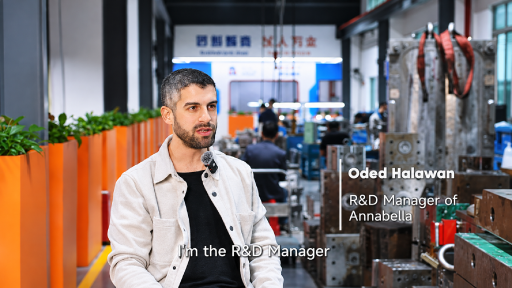
Oded Halawani

Oded Halawani

Company: Annabella Tech IsraelJob Title: R&D managerBusiness: Breast pump
We managed to make it in a very short time warm prototyping to mass production and FDA approval. That makes me feel confidence to choose Mastars.
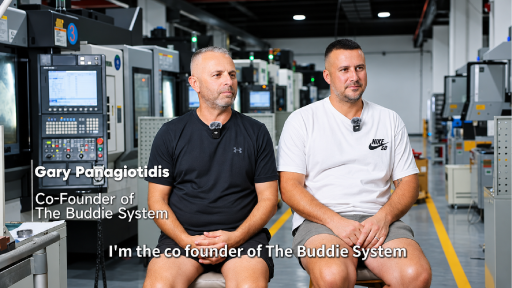
Jade Harris

Jade Harris

Company: Buddy SystemJob Title: Co-founderBusiness: Wireless instant safety alert device
We're glad that we found a company like Mastars to make the product for us because it's been so good to deal with. They're a really good company.
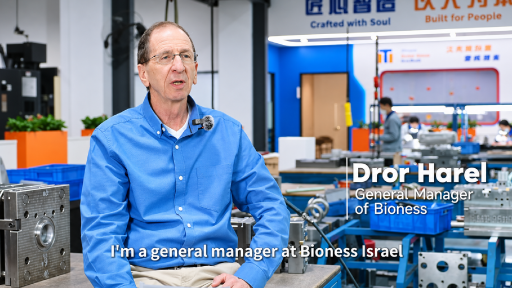
Dror Harel

Dror Harel

Company: BlonessJob Title: General ManagerBusiness: L300, H200
I think the relationship between the buyers and definitely between me the Mastars it's like a family relationship and this is why we are so happy to produce in Mastars and this is why we came for 15 years. By the way, now we came with a new product that we come to Master to produce for the new year.

Sheet Metal Forming Service FAQs

  • What is sheet metal forming?

    Sheet metal forming reshapes flat sheet through controlled plastic deformation without primarily removing material. Bending is one forming method; forming can also include die forming, drawing, rolling, flanging, hemming, and related operations. Cutting, welding, and finishing belong to the broader sheet metal fabrication workflow.

  • What sheet metal forming services do you provide?

    Mastars supports press-brake and flange forming, die forming and stamping, draw-formed features, rolling and curved forming, and related secondary fabrication. The final process route depends on geometry, material, quantity, required repeatability, and tooling economics.

  • What is the difference between sheet metal forming and sheet metal bending?

    Bending is one type of sheet metal forming. It mainly creates angles, flanges, and radii along defined bend lines. Forming is broader and can also involve material flowing into dies to create recessed, curved, drawn, reinforced, or more complex three-dimensional geometry.

  • What materials can be used for sheet metal forming?

    Aluminum, carbon steel, galvanized steel, stainless steel, copper, and brass are common choices. The grade and condition matter as much as the material family: 5052-H32 aluminum is generally easier to form than 6061-T6, while higher-strength steels and stainless grades usually require more springback compensation.

  • What sheet thicknesses can you form?

    It depends. Mastars’ broader sheet metal workflow supports material from approximately 0.1 to 12 mm, but actual forming limits depend on alloy, temper, part size, bend or draw radius, forming depth, and tooling. The same thickness can behave very differently in soft aluminum and high-strength steel.

  • What tolerances can sheet metal forming achieve?

    It depends on the feature. Suitable cut features can be controlled to approximately ±0.1 mm in prototype sheet metal work, but formed dimensions such as bend angle, flange position, drawn depth, and overall profile are affected by springback and material movement. Critical dimensions should be identified separately on the drawing.

  • Can you support tight-tolerance sheet metal forming projects?

    Yes, where the function requires it. Critical interfaces may need dedicated tooling, controlled forming parameters, first article inspection, CMM verification, or post-form machining. Tightening every formed dimension usually increases cost without improving the assembly.

  • How fast can formed sheet metal parts be delivered?

    Suitable sheet metal prototype projects can be delivered in as little as 48 hours. Parts requiring dedicated forming dies, complex welding, cosmetic finishing, or production tooling need additional time. Geometry, material, quantity, and finishing requirements are needed to confirm a realistic schedule.

  • How do you control springback during sheet metal forming?

    Springback is managed through material and temper selection, bend radius, grain orientation, tooling, overbending, test bends, and validated forming settings. Higher-strength materials generally require more compensation, so one universal springback value should not be used across different alloys.

  • Do you support both prototypes and production sheet metal parts?

    Yes. Mastars supports projects starting from one prototype with no MOQ through production quantities of 100,000+ units. Prototype tooling and process settings may differ from production tooling, so a successful prototype should still be reviewed before scaling.

  • Can sheet metal forming be combined with other fabrication processes?

    Yes. Forming can be combined with laser cutting, punching, hardware insertion, welding, riveting, deburring, surface finishing, assembly, and inspection. Sequence matters—for example, a hole located close to a bend may be better produced after forming if distortion is likely.

  • What information do you need for a sheet metal forming quote?

    A 3D CAD file is enough to start. Add a 2D drawing when critical dimensions, GD&T, bend requirements, threads, surface finish, or inspection criteria must be controlled. Material, thickness, quantity, cosmetic surfaces, welding, hardware, and finishing requirements are also helpful. Rough information is fine for an initial review.

Tell Us About Your Project

Share your project details and files with us. Rough information is fine to start. Our engineering consultant will contact you within 24 hours.

Verification code