3D Printing

3D Printing
Custom 3D Printing Services

Industrial 3D printing service for custom plastic and metal parts, from design validation to low-volume production.

  • Functional, appearance & assembly prototypes
  • Plastic, resin, elastomer & metal parts
  • DFM review for printability, orientation & critical features
  • CNC finishing, surface finishing & assembly support
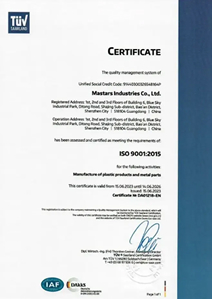
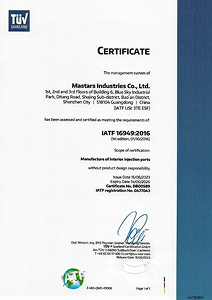
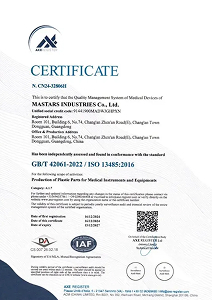
ISO 9001:2015 | ISO 13485:2016 | IATF 16949:2016

Custom 3D Printing Services
6+
3D Printing Processes
60+
Plastic & Metal Materials
3+ Days
Prototype Lead Time
0 MOQ
From 1 Part

Which 3D Printing Process Is Right for Your Part?

Compare process, material, surface, lead time, and design risks before choosing a build route.
Process Best For Material Options Surface & Detail Typical Lead Time What We Review Before Printing
SLA 3D Printing Appearance models, fine features, and transparent prototypes Standard, tough, clear, flexible, and castable resins Smooth surfaces; support-contact areas may need finishing 3–5 business days Wall thickness, curing shrinkage, support placement, and resin suitability
SLS 3D Printing Functional prototypes, snap fits, and complex nylon parts PA12, PA11, and glass-filled nylon Textured surface; enclosed cavities need powder-removal access 3–6 business days Depowdering access, assembly clearances, thin walls, and cooling-related warpage
MJF 3D Printing Repeated functional nylon parts and short production runs PA12, PA11, glass-bead-filled PA12, and TPU Matte surface; color depends on material grade and finishing 3–6 business days Build packing, orientation, thin-wall stability, and batch acceptance criteria
FDM 3D Printing Concept models, large-format prototypes, and functional fixtures PLA, ABS, PETG, ASA, PC, TPU, PEI, and reinforced nylon Visible layers; strength depends on loading direction 3–5 business days Layer orientation, unsupported spans, shrinkage, and support removal
PolyJet 3D Printing Color, texture, ergonomics, and multi-material prototypes Rigid, flexible, transparent, and colored photopolymers Fine detail and smooth surfaces; supported areas need cleanup 3–5 business days Color matching, support access, fine features, and material suitability for testing
Metal 3D Printing — SLM/DMLS Lightweight structures, internal channels, and consolidated components Aluminum, stainless steel, titanium, tool steel, and Inconel Rougher as-printed surfaces; precision interfaces may need CNC finishing 5–10 business days Powder and support removal, residual stress, machining allowances, and inspection scope
Custom 3D Printing for Complex Projects

Custom 3D Printing for Complex Projects

3D printing may be only one step in the build. Mastars combines printed parts with CNC-machined features, sheet metal, inserts, finishing, and assembly, while planning machining allowances, critical interfaces, and large-part splitting before production.

3D Printing Tolerances & Feature Sizes

Use these values for initial process selection. Final tolerance depends on part size, material, build orientation, geometry, and post-processing.
Process Dimensional Tolerance Reference Typical Minimum Feature Typical Applications
SLA 3D Printing ±0.2 mm for dimensions below 100 mm; larger parts reviewed individually Approximately 0.2 mm Appearance models, fine details, and transparent prototypes
SLS 3D Printing ±0.3 mm or ±0.3% of the dimension, whichever is greater Approximately 0.5 mm Functional nylon parts and assembly prototypes
MJF 3D Printing ±0.3 mm or ±0.3% of the dimension, whichever is greater Approximately 0.5 mm Repeated nylon components and low-volume production
FDM 3D Printing ±0.5 mm or ±0.5% of the dimension, whichever is greater Approximately 0.4 mm Concept models, large prototypes, and fixtures
PolyJet 3D Printing ±0.1 mm for rigid parts below 100 mm; larger or flexible parts reviewed individually Approximately 0.3 mm Detailed visual models and multi-material prototypes
Metal 3D Printing ±0.2 mm typical as printed; selected CNC-finished features down to ±0.01 mm Approximately 0.3 mm Internal channels, lightweight structures, and precision assemblies

3D Printing Materials

Standard Resin (SLA)
Tough Resin (SLA)
Transparent Resin (SLA)
High Temp Resin
PA12 Nylon
PA11 Nylon
Glass-filled Nylon
TPU
Aluminum AlSi10Mg
Stainless Steel 316L
Titanium Ti-6Al-4V
H13 Tool Steel
FDM Engineering Materials
Standard Resin (SLA)

Standard SLA resin suits appearance models, fine details, and fit checks before tooling. It is a photopolymer, not molded ABS or PC; sustained loads, heat, and repeated flexing may require a different material.

Key Characteristics

Excellent surface finish

High dimensional accuracy

Suitable for fine details and thin walls

Cost-effective for visual prototypes

Fast turnaround for design iterations

Common Grades

White, Grey, Black, Clear

Typical Applications

Appearance Models

Design Verification

Consumer Electronics Prototypes

Medical Device Enclosures

Concept Validation

Available Finishes

As-Printed, Sanding

Polishing, Painting, Clear Coating

Tough Resin (SLA)
Tough Resin (SLA)
Tough Resin (SLA)

Tough SLA resin supports snap-fit trials and repeated assembly checks where standard resin is too brittle. Match the grade to the load and number of cycles; it does not automatically reproduce molded-plastic fatigue performance.

Key Characteristics

Improved toughness and durability

Good impact resistance

Suitable for functional testing

High dimensional stability

Smooth surface quality

Common Grades

Grey, Black

Typical Applications

Functional Prototypes

Snap-fit Components

Assembly Validation

Consumer Products

Engineering Models

Available Finishes

Available Finishes

Sanding, Painting, Polishing

Transparent Resin (SLA)

Clear SLA resin is useful for viewing internal geometry and demonstrating light transmission. Polishing improves accessible surfaces, but enclosed channels and support-contact areas can remain hazy; optical performance must be specified separately.

Key Characteristics

High transparency after post-processing

Excellent dimensional accuracy

Smooth surface finish

Suitable for optical demonstrations

Common Grades

Clear

Typical Applications

Transparent covers, flow-visualization models, LED housings, optical demonstration models, and medical-device prototypes.

Available Finishes

As-Printed, Hand Polishing, Clear Coating

High Temp Resin

High-temperature resin suits heat-exposed prototypes and fixtures when standard resins would soften. Selection should consider temperature, load, exposure time, and curing conditions—not heat resistance alone.

Key Characteristics

High heat resistance, grade dependent

HDT varies with test load

Suitable for thermal-validation fixtures

Can be more brittle than tough resins

Continuous-use temperature requires validation

Common Grades

Grey

Typical Applications

Automotive Components

Mold Inserts

Heat-resistant Fixtures

Functional Engineering Prototypes

Industrial Equipment Validation

Available Finishes

As-Printed, Sanding, Painting

PA12 Nylon

PA12 nylon is a practical choice for functional housings, brackets, and low-volume parts made by SLS or MJF. Select the grade and process around stiffness, impact performance, environmental exposure, and the fit of mating features.

Key Characteristics

Good stiffness-to-weight balance

Good chemical resistance

Stable for functional housings and brackets

Suitable for SLS/MJF low-volume parts

Lower ductility than PA11

Common Grades

White or grey, depending on process and grade

Black by dyeing

Typical Applications

Functional housings, brackets, snap-fit enclosures, jigs and fixtures, and low-volume production parts.

Available Finishes

Natural Finish, Dyeing, Vapor Smoothing, Bead Blasting

PA11 Nylon

PA11 nylon is suited to clips, flexures, and protective components that need more ductility than typical PA12 grades. For repeatedly flexed parts, confirm cycle life in the selected material and build orientation.

Key Characteristics

Higher ductility than PA12

Good impact resistance

Better for clips, flexures & hinge prototypes

Good elongation for repeated assembly trials

Lower stiffness than PA12

Common Grades

White, grey, or black, depending on process, grade, and finish.

Typical Applications

Clips, flexible brackets, hinge prototypes, impact-resistant covers, and snap-fit assemblies.

Available Finishes

Natural Finish, Dyeing, Vapor Smoothing

Glass-filled Nylon

Glass-filled nylon suits stiff housings, fixtures, and brackets that need reduced deflection. Glass-bead and glass-fiber grades behave differently; higher stiffness does not automatically mean higher tensile strength, impact resistance, or fatigue life.

Key Characteristics

Increased stiffness compared with unfilled nylon

Good dimensional stability in suitable designs

Grade-dependent thermal performance

Useful for rigid fixtures and housings

Lower elongation can limit snap fits and hinges

Common Grades

Grey, Black

Typical Applications

Functional Production Parts

Structural Components

Industrial Equipment

Automotive Applications

Custom Fixtures and Tooling

Available Finishes

Natural Finish, Dyeing, Vapor Smoothing — qualified grades only, Bead Blasting

TPU

TPU provides flexibility for protective covers, compliant connectors, and cushioning components. Part stiffness depends on Shore hardness, wall thickness, and internal geometry; sealing applications also need compression-set and leak testing.

Key Characteristics

Flexible and elastic

Excellent wear resistance

Good tear resistance

Shock absorption capability

Lightweight performance

Common Grades

Black, Natural

Typical Applications

Protective Covers

Flexible Connectors

Wearable Devices

Seals and Gaskets

Available Finishes

Natural Finish, Dyeing

Aluminum AlSi10Mg

AlSi10Mg is a lightweight printing alloy for brackets, housings, and heat-transfer parts with complex geometry. Mechanical properties depend on build conditions and heat treatment; machined interfaces can be added where fit or sealing demands them.

Key Characteristics

Lightweight and durable

Excellent strength-to-weight ratio

Good thermal conductivity

Suitable for complex geometries

Excellent machinability after printing

Common Grades

Metallic Silver

Typical Applications

Aerospace Components

Robotics Parts

Lightweight Fixtures

Automotive Components

Functional Metal Prototypes

Available Finishes

As-Printed, Bead Blasting, CNC Machining, Polishing, Anodizing — suitability and cosmetic result confirmed by sample

Stainless Steel 316L

316L Stainless Steel provides excellent corrosion resistance and mechanical performance for industrial-grade metal 3D printed components.

Key Characteristics

Corrosion resistance in suitable environments

Good ductility for complex functional parts

Machinable bores, threads, and mating surfaces

Medical use requires application-specific material and process validation

Common Grades

Metallic Silver

Typical Applications

Medical Components

Industrial Equipment

Tooling Fixtures

Functional Production Parts

Available Finishes

As-Printed, Sand Blasting, Polishing, CNC Finishing

Titanium Ti-6Al-4V

Ti-6Al-4V suits lightweight structural parts where strength-to-weight ratio and corrosion resistance matter. Fatigue performance depends on surface condition, internal defects, and heat treatment; demanding applications require a defined inspection and validation plan.

Key Characteristics

Exceptional strength-to-weight ratio

Excellent corrosion resistance

Medical use subject to grade and process qualification

High temperature resistance

Fatigue performance requires application-specific validation

Common Grades

Metallic Grey

Typical Applications

Aerospace and UAV structures, robotics parts, sports components, and medical components subject to project qualification.

Available Finishes

As-Printed, CNC Finishing, Polishing, Bead Blasting

H13 Tool Steel

H13 is a heat-treatable tool steel for mold inserts and production tooling exposed to heat and wear. Specify the required hardness and thermal cycling conditions; print parameters, heat treatment, and finish machining determine final tool performance.

Key Characteristics

Heat-treatable hardness and wear resistance

Hot-strength capability for tooling

Suitable for complex cooling-channel inserts

CNC finishing for tooling interfaces

Tool life depends on application and processing

Common Grades

Metallic Grey

Typical Applications

Manufacturing Tooling

Injection Mold Inserts

Industrial Fixtures

High-performance Mechanical Components

Functional Production Parts

Available Finishes

As-Printed, CNC Finishing, Polishing, Heat Treatment Available

FDM Engineering Materials

FDM uses thermoplastics for concept models, functional prototypes, and fixtures. PLA suits basic shape checks; ABS, ASA, PC, PEI, and reinforced nylon serve different mechanical or thermal needs. Build orientation remains important because layer bonding affects strength.

Key Characteristics

Cost-effective for large parts

Suitable for functional prototypes

Wide range of engineering-grade materials

Ideal for quick design iterations

Supports complex assemblies and fixtures

Common Grades

PLA, ABS, PETG, ASA, Polycarbonate — PC, TPU, Carbon Fiber Reinforced Nylon, PEI — ULTEM

Typical Applications

Functional Prototypes

Manufacturing Fixtures

Product Development Models

Low-volume Production Parts

Large-format Components

Available Finishes

As-Printed, Sanding, Painting, Surface Smoothing

Surface Finishing Options for 3D Printed Parts

Finishing Option Result & Appearance Compatible Processes Typical Applications
As-Printed / Basic Cleanup Retains process texture after required cleaning, curing, and support or powder removal. Cosmetic marks may remain. SLA, SLS, MJF, FDM, PolyJet, Metal 3D Printing Concept models, internal components, functional prototypes
Sanding & Manual Finishing Reduces visible layers and support marks. Critical edges and mating surfaces need controlled material removal. SLA, FDM, PolyJet Appearance models, display prototypes, painted housings
Media Blasting Produces a more uniform matte texture and removes accessible surface powder. Internal passages need separate cleaning access. SLS, MJF, Metal 3D Printing Nylon housings, functional parts, metal components
Vapor Smoothing Smooths qualified materials and reduces surface roughness. Leak-tightness still requires application testing. Selected SLS and MJF materials Wearables, external housings, fluid-handling prototypes
Dyeing Adds color without a paint film. Available shades depend on the starting material; dark MJF parts suit black or dark finishes. SLS, MJF Housings, robotics components, end-use nylon parts
Painting Provides specified colors and textures. Coating thickness and masking matter at mating surfaces. SLA, SLS, MJF, FDM, selected PolyJet materials Presentation models, cosmetic housings, production components
Polishing Improves accessible clear-resin or metal surfaces. Edges and dimensions can change; internal passages may not be reachable. SLA, Metal 3D Printing Transparent covers, visible metal parts, appearance prototypes
Electroplating Adds a metal coating to compatible substrates. Surface preparation, coating thickness, and masking must be defined. Selected SLA resins and metal alloys Conductive surfaces, decorative parts, electronics prototypes
CNC Secondary Machining Machines specified bores, datums, threads, and mating surfaces. Tool access, fixturing, and machining allowances must be planned. Metal 3D Printing, selected plastic parts Precision assemblies, sealing interfaces, production components

3D Printing Equipment & Inspection Capabilities

Production Equipment (Demo)

Production Equipment (Demo)

Process Control Equipment (Demo)

Process Control Equipment (Demo)

Inspection Equipment (Demo)

Inspection Equipment (Demo)

Why Choose Mastars for 3D Printing?

Certified Quality Systems
ISO 9001, ISO 13485, and IATF 16949 certified processes help ensure consistent quality across industrial, medical, and automotive projects.
100+ Engineering Professionals
Work directly with experienced engineers for DFM reviews, tolerance recommendations, and manufacturing support—without unnecessary back-and-forth.
5+ Production Bases
Flexible manufacturing capacity supports both urgent prototypes and scalable production without single-site bottlenecks.
No Minimum Order Quantity
Order one part or thousands—without unnecessary volume commitments or tooling investments.
DFM Review on Every Order
Identify manufacturability risks early to reduce redesign cycles, save costs, and improve part performance before production begins.
800+ Customers Served
Trusted by global engineering teams across industrial equipment, medical devices, robotics, automotive, and consumer products.

Certifications

ISO9001:2015 Certificate

ISO9001:2015 Certificate

IATF16949:2016 Certificate

IATF16949:2016 Certificate

ISO13485:2016 Certificate

ISO13485:2016 Certificate

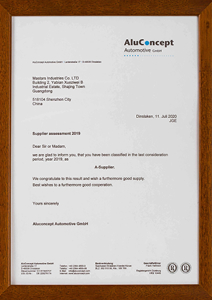
Medical A-Class Supplier

Medical A-Class Supplier

Partners

Auer Lighting
Bentley
Aston Martin
NVIDIA
Compac
Auer Lighting
Bentley
Aston Martin
NVIDIA
Compac

How 3D Printing Works

Upload Your Design

Share your CAD files, drawings, quantity, material, and any critical requirements.

Get an Engineer-Reviewed Quote

Receive pricing, lead time, and manufacturability feedback based on your part requirements.

Production Begins

Once you approve your quote, manufacturing starts — from prototype tooling to full-scale runs.

Parts Shipped

Finished parts are inspected, packaged, and shipped with the required quality documentation.

What Our Customers Say

Jessica Malkovich

Jessica Malkovich

Company: MastarsJob Title: designerBusiness: mastars
Sofia made the entire process seamless! Her expertise and dedication helped us find our dream home quickly.
Jessica Malkovich

Jessica Malkovich

Company: MastarsJob Title: designerBusiness: mastars
Sofia made the entire process seamless! Her expertise and dedication helped us find our dream home quickly.
Jessica Malkovich

Jessica Malkovich

Company: MastarsJob Title: designerBusiness: mastars
Sofia made the entire process seamless! Her expertise and dedication helped us find our dream home quickly.
Jessica Malkovich

Jessica Malkovich

Company: MastarsJob Title: designerBusiness: mastars
Sofia made the entire process seamless! Her expertise and dedication helped us find our dream home quickly.
Jessica Malkovich

Jessica Malkovich

Company: MastarsJob Title: designerBusiness: mastars
Sofia made the entire process seamless! Her expertise and dedication helped us find our dream home quickly.

3D Printing Service FAQs

  • How much does a custom 3D print cost?

    It depends. Process, material, part size, quantity, finishing, and inspection requirements all affect price. A CAD file and rough quantity are enough to start; material and finishing can be refined during engineering review.

  • How can I reduce 3D printing cost?

    Often, the best saving comes from changing the process or finishing requirement—not simply choosing cheaper material. Use FDM for basic concept models, or compare SLS and MJF for repeated functional parts. Hollow resin or powder-bed parts need access to remove uncured resin or loose powder; retain material around loaded features and critical interfaces.

  • What is the fastest 3D printing technology for rapid prototyping?

    It depends on geometry, quantity, and finish. Selected prototypes can be produced in as fast as 3 business days after files and requirements are approved. SLA or FDM may suit a small urgent build; SLS or MJF may be more efficient for a batch. Cleaning, cooling, curing, and finishing affect production time; transit is additional.

  • What materials can you 3D print?

    We support SLA and PolyJet photopolymers, nylon, FDM thermoplastics, TPU, aluminum, stainless steel, titanium, and tool steels. Specify temperature, loading, flexibility, and environmental exposure so the material can be matched to the application. ABS-like resin is not ABS, and rubber-like photopolymer should not be treated as production silicone.

  • Do you offer low-volume production or only rapid prototyping?

    Yes. We support single prototypes, bridge batches, and repeat production of suitable 3D printed parts. Production requires validated materials, build settings, and inspection criteria—not just an approved visual sample. As volume increases, we compare printing with CNC machining or injection molding to match unit cost and batch size to actual demand.

  • How do you ensure the precision and quality of your 3D printed parts?

    We agree critical dimensions, datums, surface requirements, and inspection scope before manufacturing. Visual and dimensional checks follow that plan; FAI reports and CMM measurement can be specified for suitable features. Build orientation, material selection, and finishing are also reviewed because acceptable appearance alone does not confirm fit or function.

Tell Us About Your Project

Share your project details and files with us. Rough information is fine to start. Our engineering consultant will contact you within 24 hours.

Verification code