



 English





Connecting sourcing, molding, assembly, and testing for a marine pump
Xylem is a leading global water technology and solutions company serving customers in approximately 150 countries. Its expertise spans water transport, treatment, and digital water management, helping customers improve water efficiency and address complex water challenges. Mastars provides ongoing manufacturing support for its marine pump products, bringing together tooling development, injection molding, component sourcing, assembly, and testing.
A marine pump looks straightforward from the outside. Inside, its plastic housing, motor, capacitor, shaft seal, and O-rings each perform a different role and may come from different suppliers. Sourcing all these parts is only the beginning. We must verify housing fit, motor operation, water flow, and sealing performance in the assembled product.
This is the work behind our ongoing support: making sure sourced components fit together, carrying engineering requirements through manufacturing and assembly, and verifying performance through individual testing. The customer receives more than an assembled pump. Each unit comes with a traceable record of its test results.
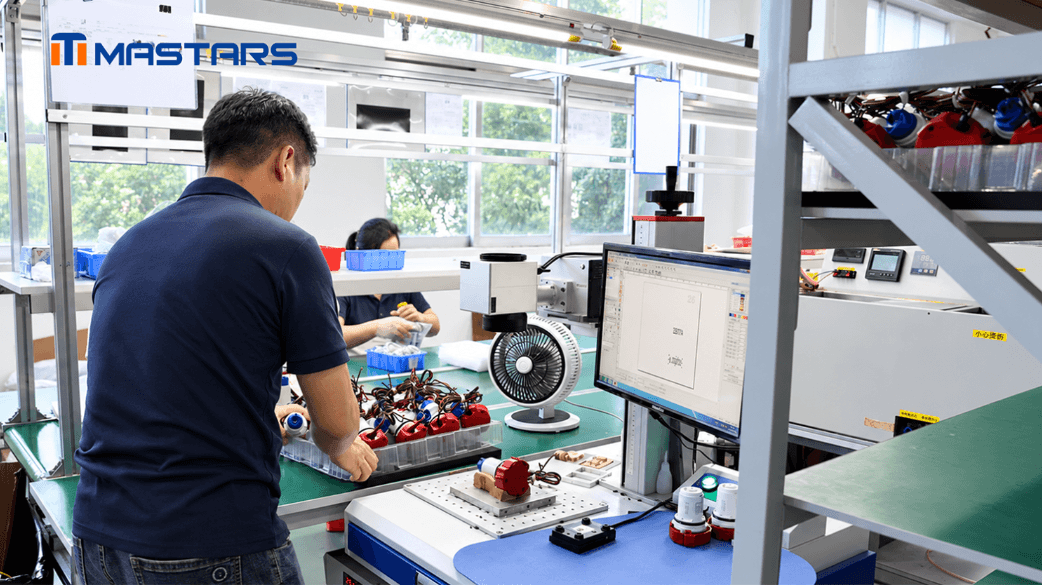
One Product Series, Different Flow Rate Requirements
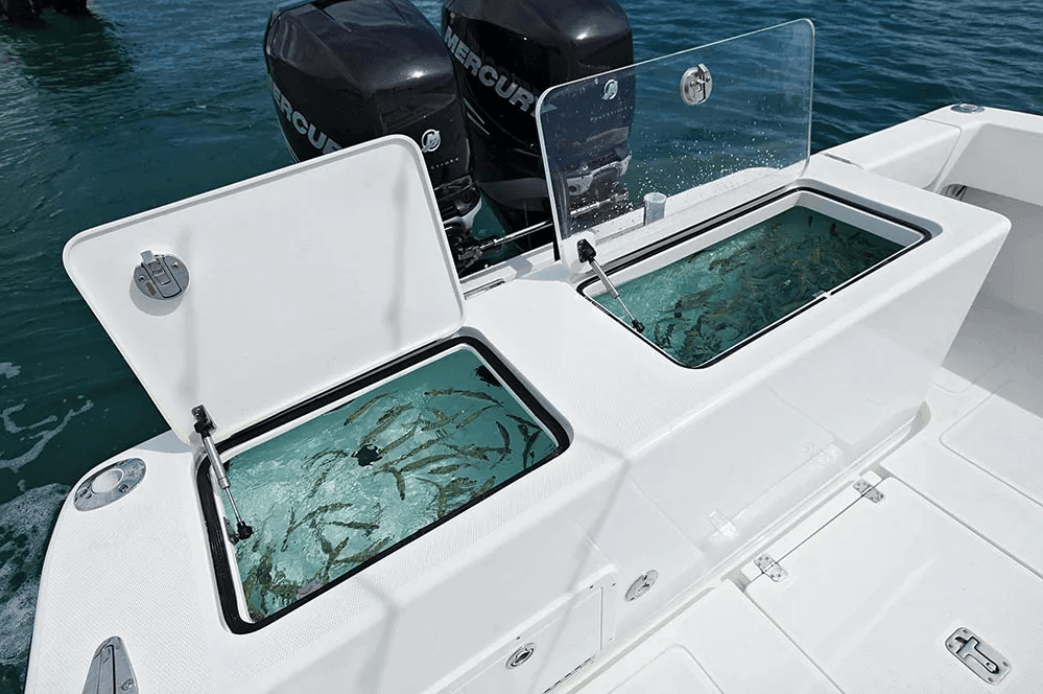
Xylem developed this pump series for livewell water circulation in marine applications, offering different flow rate options to meet varying water circulation needs. Each model follows Xylem’s own product design, with differences in housing structure, connection interfaces, and internal component configurations to suit different installation and operating requirements.
From a manufacturing perspective, producing a product series does not mean every model can follow exactly the same production and assembly process. Each version has its own component configuration and assembly requirements. From the internal pump cartridge to the external plastic housing, inlet connections, and plumbing fittings, every part needs to match Xylem’s design specifications.
Even when different models look similar, their components and configurations need to be clearly identified and managed throughout production. Assembly requirements also need to be controlled, with each finished pump undergoing the appropriate operational and sealing tests to ensure it meets the relevant design specifications.
For this product series, Mastars coordinates mold development, injection molding, component sourcing, pump cartridge assembly, and functional testing. By bringing these processes together under one manufacturing workflow, we help ensure consistent production and delivery across different model configurations.
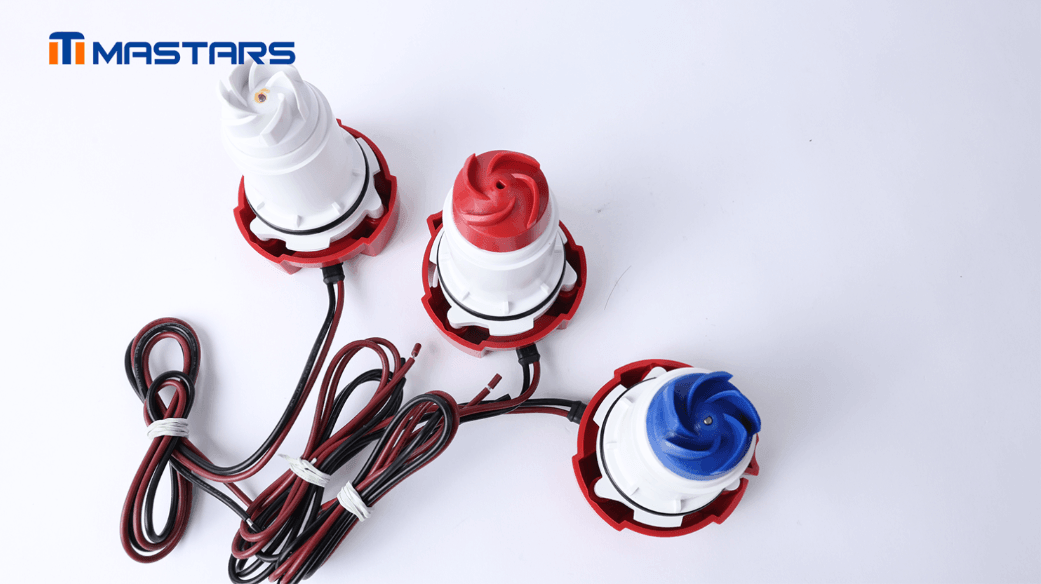
Making the Parts Fit Together
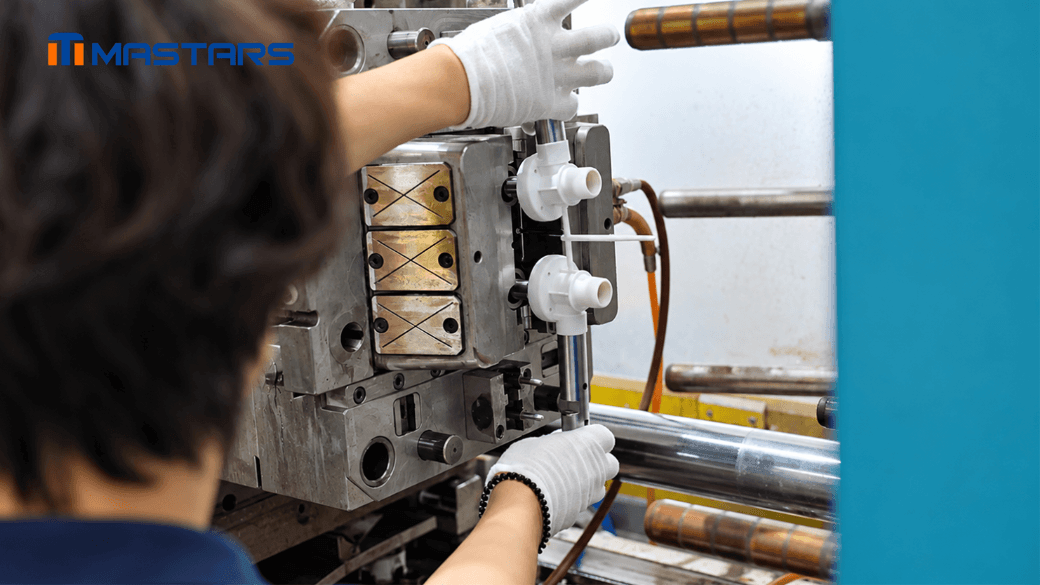
Mastars developed the tooling and injection-molded the housing, while components including capacitors, shaft seals, and O-rings were sourced overseas.
These activities had to connect early. The housing needed suitable space and interfaces for the internal components, while the sealing parts needed the correct fit after assembly. Tooling development therefore had to account for how the molded part would be used, as well as how it would be produced.
By bringing assembly requirements into tooling and sourcing decisions, Mastars gave the different parts a common set of requirements before they reached assembly.
From Assembly to Operating Data
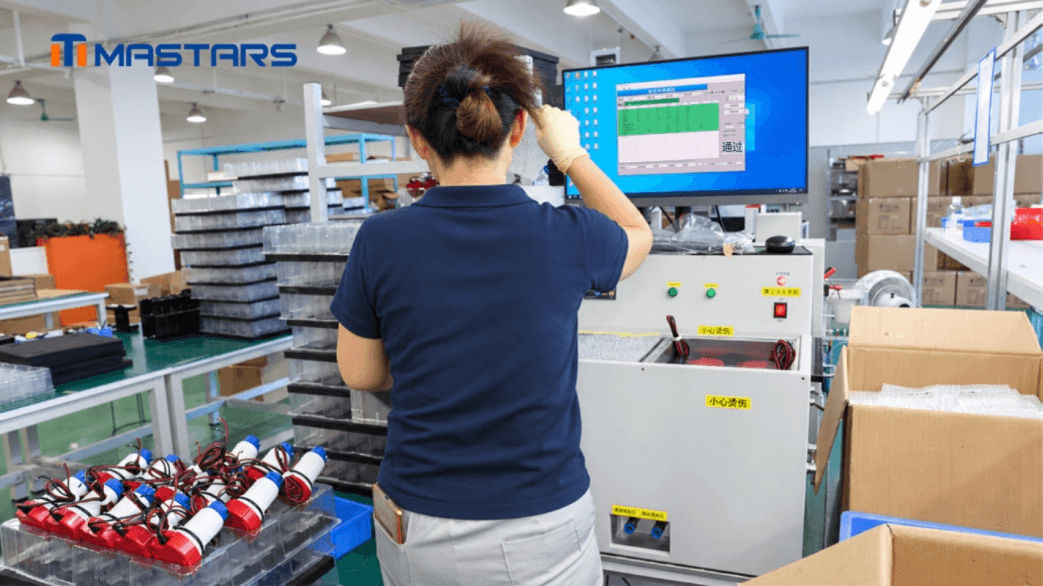
A completed assembly can show that the parts are in place. Its operating condition still needs to be tested.
Mastars developed a dedicated test fixture and incorporated voltage, current, flow, and leakage checks into the verification process.
The available records show test voltages of 11.94–11.96 V and operating currents of 2.896–3.354 A. Flow and leakage readings were also retained, alongside each unit’s individual barcode, test time, and result.
This gives the customer a practical way to look up a specific unit: when it was tested, what was measured, and what result was recorded.
What the Customer Gains
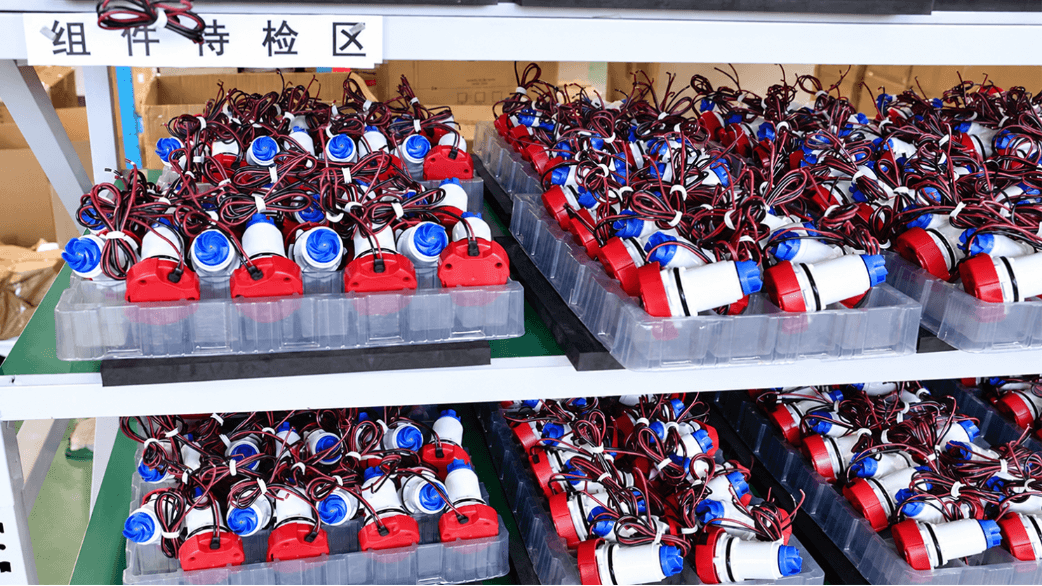
The manufacturing process delivers three concrete benefits:
- 5 major stages coordinated in one workflow. Tooling, molding, sourcing, assembly, and testing are managed around the complete product, reducing the need to relay requirements between separate activities.
- 4 types of test data linked to each unit. Voltage, current, flow, and leakage readings provide a documented basis for functional verification.
- An individual barcode for every product. Quality reviews and investigations can begin with the relevant unit’s own record.
The value continues after delivery. When a question arises, the customer has a specific record to consult and a clearer starting point for investigation.
Pump Components Support Installation and Maintenance
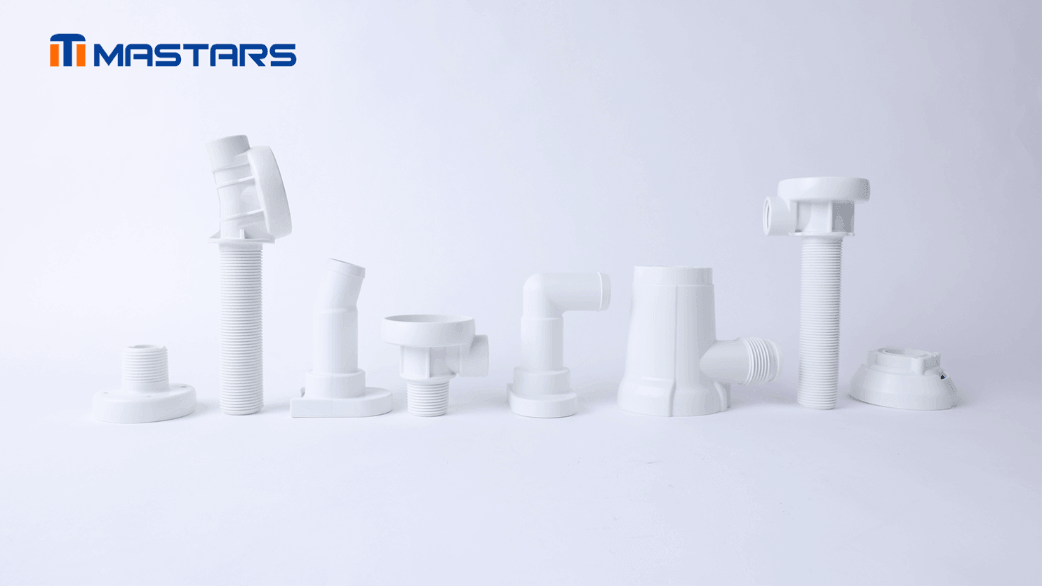
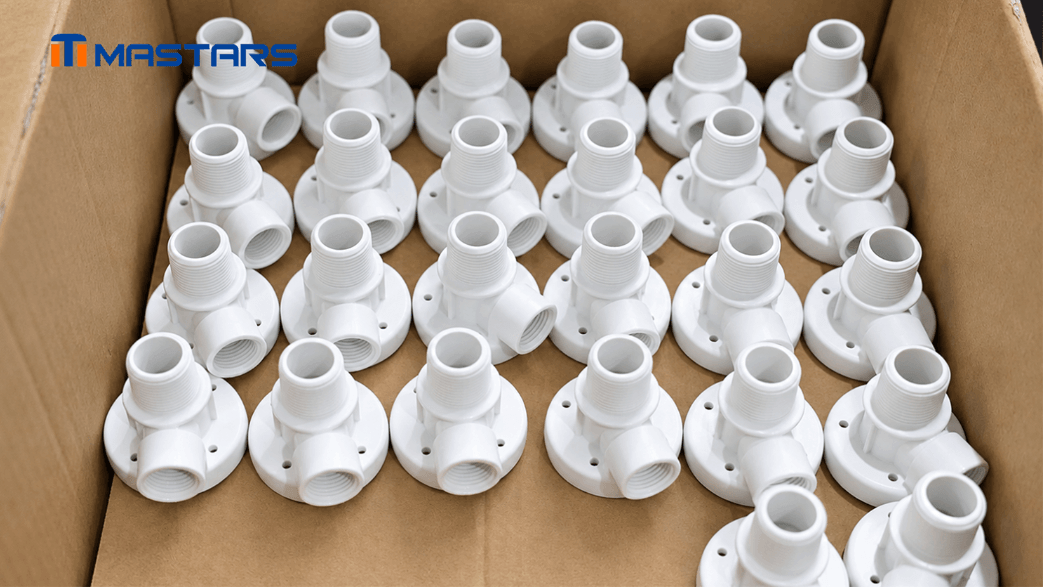
Installing a pump on a boat means working with the available space and plumbing layout. These white plastic components house and locate the pump cartridge, connect the inlet and outlet, and secure the pump in place. Straight, angled, and short inlet configurations suit different installation spaces, while straight fittings and elbows help route the plumbing and connect the cartridge to the boat’s water system.
Each connection needs to fit correctly. Threads must match the mounting fittings, the housing must accommodate the cartridge and its seals, and the side outlet must connect to the appropriate plumbing. The customer assembles these external components locally with the pump cartridges manufactured by Mastars to complete the pump.
The removable cartridge also makes maintenance easier. For the initial installation, the cartridge and external plastic components are supplied together. When a replacement is needed, the motor and impeller can be removed as one cartridge assembly. As long as the outer housing and fittings remain in good condition, boat owners can keep the existing installation and fit a matching replacement cartridge with less disruption to the plumbing.
Consistent fit matters both during initial assembly and when parts need replacing. Maintaining the right dimensions across the housing, fittings, and cartridge helps the pump go together smoothly and makes future maintenance more straightforward.
Where This Approach Applies
The same approach can support other products combining custom plastic parts, sourced components, and functional testing:
- Marine & Fluid Handling: pump housings, circulation components, sealing assemblies.
- Agricultural Equipment: irrigation parts, spraying components, water management assemblies.
- Industrial Equipment: fluid control parts, protective housings, electromechanical assemblies.
- Consumer & Outdoor Products: durable enclosures, mechanical components, multi-part assemblies.
Considering sourcing, manufacturing, assembly, and testing together creates opportunities to address fit and verification issues before production begins.
Developing a similar product? Mastars supports prototype validation, tooling development, assembly, and small-to-medium batch production, helping turn component requirements into a complete manufacturing plan.
Mastars, where great ideas are built.
Contact us to learn more about our one-stop small-to-medium batch manufacturing solution.

Mastars, the most trusted one-stop manufacturing services provider for low-volume production worldwide!
 Headquarters


