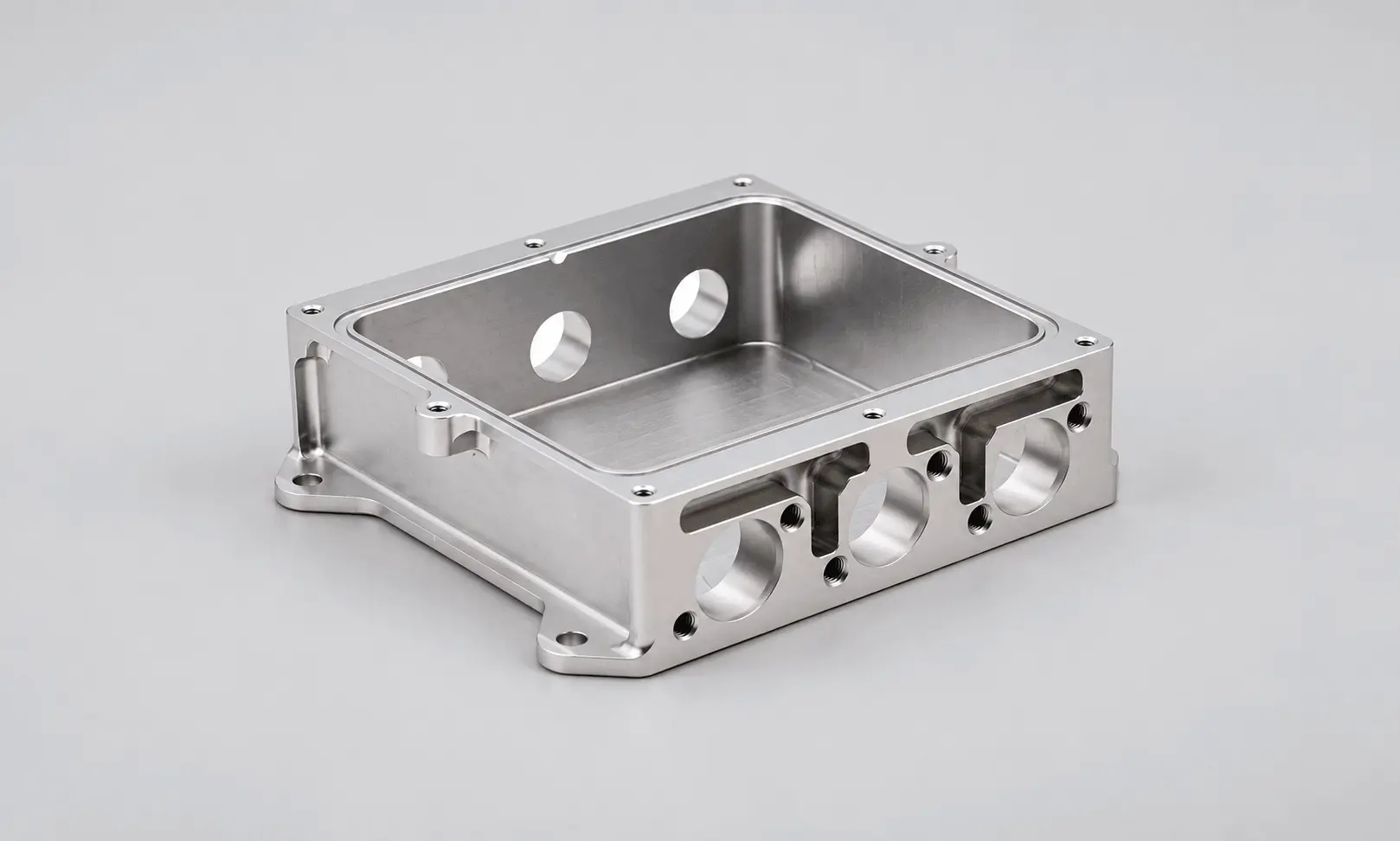
Prototyping

Prototyping
Rapid Prototyping 3D Printing Services

Rapid 3D printing for concept, appearance, and functional prototypes before tooling or production.

  • Form, fit, assembly & functional validation
  • SLA, SLS, MJF, FDM, PolyJet & metal 3D printing
  • Materials matched to visual, mechanical & thermal test goals
  • Finishing, inspection & production-transition support
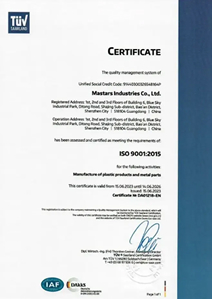
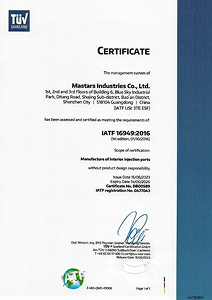
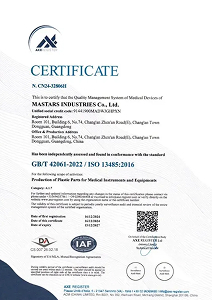
ISO 9001:2015 | ISO 13485:2016 | IATF 16949:2016
Rapid Prototyping 3D Printing Services
3 Days
Fast Delivery
1 Piece
No MOQ
100+
Engineering Professionals
800+
Global Customers

3D Printing Processes for Rapid Prototyping

SLA Rapid Prototyping
High-detail resin prototypes with smooth surfaces for appearance models, fine features, dimensional checks, and fit or assembly validation.
Get a Quote
SLS Rapid Prototyping
Durable nylon prototypes with complex, support-free geometry for snap fits, assemblies, functional testing, and repeated handling.
Get a Quote
MJF Rapid Prototyping
Functional nylon prototypes with consistent geometry and efficient multi-part builds for assemblies, product testing, and repeat validation.
Get a Quote
FDM Rapid Prototyping
Cost-effective thermoplastic prototypes for larger parts, structural evaluation, jigs, fixtures, and early functional testing.
Get a Quote
PolyJet Rapid Prototyping
High-fidelity, full-color and multi-material prototypes for CMF, ergonomics, soft-touch features, and overmolding simulation.
Get a Quote
Metal 3D Printing Prototypes
Metal prototypes for structural, thermal, assembly, and functional testing when polymer models cannot represent the required behavior.
Get a Quote

Which 3D Printing Process Is Right for Your Prototype?

3D Printing Process Best For Typical Materials Advantages Limitations
SLA Appearance models, fine details, fit and assembly checks Photopolymer resins Smooth surface, high detail, good dimensional definition Resin properties may not match final production thermoplastics
SLS Functional prototypes and complex nylon parts PA12, PA11, TPU and filled nylons No dedicated supports, durable parts, complex geometries Surface is generally rougher than SLA
MJF Functional prototypes, assemblies, and multiple-part builds Nylon, TPU and other supported powder materials Good consistency, durable parts, efficient batch builds Surface and color options are more limited than resin processes
FDM Engineering thermoplastic prototypes and larger functional models ABS, PC, Nylon, PEI and other thermoplastics Engineering materials, large-format capability, practical functional testing Visible layer lines and lower fine-feature resolution
PolyJet Appearance, CMF, ergonomic, and multi-material validation Rigid, transparent and elastomeric photopolymers Smooth finish, color and multi-material simulation Photopolymer properties may not represent final production plastics under sustained mechanical load or elevated temperatures.
Metal 3D Printing Functional metal prototypes and complex metal structures Aluminum, stainless steel, titanium, nickel alloys and other metals Real metal parts, complex internal features, lightweight structures Generally higher cost and post-processing requirements than polymer 3D printing processes.

From 3D Printed Prototypes to Production

Use prototypes to reduce design uncertainty first, then choose the production route around final material, quantity, repeatability, cost, and quality requirements.
Prototype Development

Prototype Development

Validate appearance, fit, assembly, function, and material behavior before committing to tooling or a production process.

  • 3-Day Fast Delivery
  • 1-Piece Start
  • Critical Dimensions Review
  • Fit / Assembly / Function
3D Printing Prototypes for Design Validation & Product Development

3D Printing Prototypes for Design Validation & Product Development

Rapid prototyping is most useful when the prototype answers a clear engineering question. Mastars uses SLA, SLS, MJF, FDM, PolyJet, and metal 3D printing to produce concept, appearance, assembly, and functional prototypes based on what the design actually needs to validate.

Process and material selection should follow the test goal. A looks-like prototype for color, surface, or presentation may require a different route from a works-like prototype for snap fits, load, temperature, flexibility, or repeated assembly. Critical dimensions, wall thickness, build orientation, supports, material behavior, and finishing are reviewed where they affect the result.

Once the prototype has answered the required questions, the next step is not automatically more 3D printing. Mastars can support further iterations, low-volume builds, or transition the design into CNC machining, vacuum casting, tooling, injection molding, or another production route based on final material, quantity, repeatability, cost, and inspection requirements.

3D Printing Prototype Materials

Standard Resin
Tough Resin
Clear Resin
Rubber-Like Photopolymer
PA12 Nylon
PA11 Nylon
TPU
ABS
Polycarbonate (PC)
PEI (ULTEM)
Aluminum
Stainless Steel
Titanium
Standard Resin
Standard Resin
Standard Resin
Standard Resin
Standard Resin
Standard Resin
Standard Resin
Standard Resin
Standard Resin

Standard photopolymer resin provides fine detail, smooth surfaces, and good visual definition for early appearance and fit-check prototypes.

Recommended For

Models where geometry, surface quality, and appearance matter more than long-term mechanical performance.

Key Characteristics

• Fine detail

• Smooth surface

• Good dimensional definition

• Cost-effective visual prototyping

Typical Applications

Appearance Models

Fit Checks

Detailed Housings

Design Presentation

Tough Resin
Tough Resin
Tough Resin
Tough Resin
Tough Resin
Tough Resin
Tough Resin
Tough Resin
Tough Resin

Tough resin provides greater impact resistance and durability than standard photopolymer resin for prototypes that need more handling or basic functional evaluation.

Recommended For

Parts requiring higher toughness while retaining SLA detail and surface quality.

Key Characteristics

• Improved toughness

• Better impact resistance

• Fine feature capability

• Suitable for functional prototypes

Typical Applications

Functional Housings

Assembly Prototypes

Clips

Engineering Models

Clear Resin
Clear Resin
Clear Resin
Clear Resin
Clear Resin
Clear Resin
Clear Resin
Clear Resin
Clear Resin

Clear resin is used when transparency, internal feature visibility, or light transmission needs to be evaluated in the prototype.

Recommended For

Parts requiring transparent or translucent features for visual or functional review.

Key Characteristics

• Transparent appearance

• Internal feature visibility

• Fine detail

• Can be polished or clear coated

Typical Applications

Transparent Covers

Fluid Paths

Light Guides

Visual Models

Rubber-Like Photopolymer

Rubber-like PolyJet photopolymers simulate different levels of softness, flexibility, and tactile response for soft-touch and multi-material prototypes.

Recommended For

Prototypes where grip feel, compression, hardness, or rigid-to-flexible transitions need to be evaluated.

Key Characteristics

Strong, heat-resistant thermoplastics

Cost-effective for larger parts

Suitable for jigs and fixtures

Typical Applications

Soft-Touch Grips

Buttons

Seals & Gaskets

Overmolding Prototypes

PA12 Nylon
PA12 Nylon
PA12 Nylon
PA12 Nylon
PA12 Nylon
PA12 Nylon
PA12 Nylon
PA12 Nylon
PA12 Nylon

PA12 provides a balanced combination of strength, stiffness, dimensional stability, and durability for functional prototypes and repeat handling.

Recommended For

Functional parts requiring reliable mechanical behavior and complex geometry.

Key Characteristics

• Balanced strength & stiffness

• Good dimensional stability

• Durable functional behavior

• Suitable for complex parts

Typical Applications

Functional Prototypes

Housings

Snap Fits

Mechanical Assemblies

PA11 Nylon

PA11 provides greater ductility and impact resistance than PA12, making it useful for flexible snap features and parts exposed to repeated deformation.

Recommended For

Functional prototypes requiring toughness, flexibility, or repeated movement.

Key Characteristics

• Higher ductility

• Good impact resistance

• Flexible mechanical behavior

• Suitable for moving features

Typical Applications

Snap Fits

Living Hinges

Wearable Parts

Impact-Resistant Components

TPU

TPU provides flexible and elastic behavior for prototypes that bend, compress, absorb impact, or require a soft-touch response.

Recommended For

Flexible parts requiring repeated deformation or elastomer-like behavior.

Key Characteristics

• Flexible

• Elastic recovery

• Impact absorption

• Repeated deformation capability

Typical Applications

Seals

Flexible Covers

Grips

Protective Components

ABS

ABS is a practical engineering thermoplastic for durable, cost-effective functional prototypes with good impact resistance and easy post-processing.

Recommended For

Functional parts requiring balanced toughness and straightforward finishing.

Key Characteristics

• Good impact resistance

• Balanced strength & toughness

• Easy sanding and finishing

• Practical engineering material

Typical Applications

Product Housings

Functional Prototypes

Fixtures

Engineering Models

Polycarbonate (PC)

Polycarbonate provides higher impact strength and thermal resistance for demanding functional prototypes and engineering tests.

Recommended For

Parts requiring stronger mechanical or thermal performance than common prototyping plastics.

Key Characteristics

• High impact resistance

• Good heat resistance

• Strong mechanical performance

• Suitable for demanding tests

Typical Applications

Structural Prototypes

Protective Housings

Industrial Components

Functional Testing Parts

PEI (ULTEM)

PEI is a high-performance thermoplastic used when prototypes require elevated temperature resistance, chemical stability, or specialty industrial performance.

Recommended For

High-temperature functional prototypes where ABS, nylon, or PC is insufficient.

Key Characteristics

• High heat resistance

• Chemical resistance

• Good strength-to-weight ratio

• Specialty grades available

Typical Applications

Aerospace Prototypes

Industrial Tooling

High-Temperature Parts

Functional Engineering Components

Aluminum

AlSi10Mg provides low density, practical strength, and thermal conductivity for lightweight functional metal prototypes.

Recommended For

Metal prototypes requiring low weight, structural performance, or thermal functionality.

Key Characteristics

• Low density

• Good strength-to-weight ratio

• Good thermal conductivity

• Suitable for complex geometry

Typical Applications

Aerospace Brackets

Automotive Components

Heat Management Parts

Lightweight Structures

Stainless Steel

316L stainless steel provides corrosion resistance, ductility, and practical mechanical performance for functional metal prototypes.

Recommended For

Metal parts requiring corrosion resistance and durable functional behavior.

Key Characteristics

• Corrosion resistance

• Good ductility

• Practical strength

• Suitable for machining and finishing

Typical Applications

Industrial Components

Fluid Components

Functional Metal Prototypes

Mechanical Assemblies

Titanium

Ti6Al4V provides high strength-to-weight ratio, low density, and corrosion resistance for demanding lightweight metal prototypes.

Recommended For

High-performance parts where weight reduction and strength are both important.

Key Characteristics

• High strength-to-weight ratio

• Low density

• Corrosion resistance

• Suitable for complex lightweight geometry

Typical Applications

Aerospace Components

Medical Prototypes

Performance Parts

Lightweight Structures

3D Printing Prototype Tolerances & Accuracy

Prototype accuracy depends on process, material, geometry, orientation, and finishing. Apply tighter control only where dimensions affect the intended test.
3D Printing Process Typical Prototype Tolerance Best Used For Best Used For
SLA XY: ±0.05 mm for the first 25.4 mm + 0.1% nominal length; Z: ±0.127 mm + 0.1% Fine details, appearance, fit & assembly Resin behavior, supports and post-curing can affect dimensions.
PolyJet ±0.10 mm for the first 25.4 mm + 0.1% nominal length CMF, multi-material and soft-touch prototypes Support-contact surfaces and material combinations affect final results.
SLS PA12: ±0.38 mm or ±0.2%; PA11: ±0.51 mm or ±0.3%, whichever is greater Functional nylon parts, snap fits and assemblies Thermal behavior, geometry and orientation influence dimensions.
MJF ±0.30 mm + 0.1% of nominal length Functional prototypes and repeat nylon builds Geometry, cooling and orientation affect final variation.
FDM Prototyping: ±0.5%, min. ±0.5 mm; Industrial: ±0.3%, min. ±0.3 mm Large functional prototypes and thermoplastic parts Layer direction, shrinkage, supports and warpage matter.
Metal 3D Printing / LPBF XY: ±0.075 mm for the first 25.4 mm + 0.1%; Z: ±0.15 mm + 0.1% Functional metal prototypes and complex structures Thermal distortion, residual stress, supports and CNC finishing affect final accuracy.

3D Printing Prototype Surface Finishing & Post-Processing Options

Prototype Goal Recommended Process / Finish What It Helps Validate
Smooth Appearance Model SLA or PolyJet; sanding, polishing, painting Surface quality, color, appearance, and presentation
Fit & Assembly Prototype SLA, SLS, MJF, or FDM; local finishing where required Mating features, clearances, hole locations, and assembly relationships
Functional Nylon Prototype SLS or MJF; as printed, bead blasted, or dyed Mechanical function, repeated handling, snap fits, and structural behavior
Engineering Thermoplastic Prototype FDM; as printed, sanding, or painting Functional testing, larger assemblies, thermal or structural evaluation
Transparent Prototype SLA or PolyJet; polishing or clear finishing Internal features, fluid paths, light transmission, and visual inspection
Flexible / Soft-Touch Prototype PolyJet or TPU-based SLS / MJF / FDM Grip, compression, sealing, flexibility, and overmold behavior
Functional Metal Prototype Metal 3D printing; bead blasting, polishing, heat treatment, or CNC machining Metal performance, critical interfaces, thermal behavior, and structural testing

3D Printing Prototyping Equipment

Fanuc a-D14MIA/a-D21 CNC Machining Center

Mitutoyo CRYSTA-Apex V 544 CMM

Rational VMS-3020G CMM

Why Choose Mastars for 3D Printing Prototyping?

Quality Systems
ISO 9001, ISO 13485, and IATF 16949 systems support controlled inspection and documentation. CMM, optical measurement, and dimensional checks verify fit, alignment, and assembly requirements.
Engineering & Project Support
100+ engineers help define prototype goals across appearance, fit, function, and material validation, selecting the right process when one prototype cannot represent every requirement.
Manufacturing Experience
Backed by 20+ years of manufacturing experience, Mastars identifies where printed materials, orientation, surfaces, or features may differ from final molded, machined, or production parts.
Flexible Capacity
After validation, projects can transition into CNC machining, vacuum casting, tooling, injection molding, finishing, assembly, and repeat production without rebuilding the manufacturing path with another supplier.
Prototype DFM Review
Review mating surfaces, hole locations, snap fits, sealing features, moving interfaces, and test-critical dimensions before printing.
Integrated Manufacturing
Coordinate printing with painting, polishing, dyeing, machining, threaded inserts, coating, and assembly within one prototype manufacturing program.

Certifications

ISO9001:2015 Certificate

ISO9001:2015 Certificate

IATF16949:2016 Certificate
IATF16949:2016 Certificate

ISO13485:2016 Certificate

ISO13485:2016 Certificate
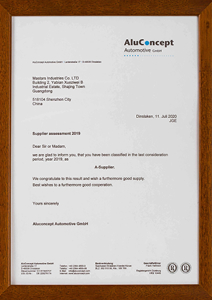
Medical A-Class Supplier

Medical A-Class Supplier

Partners

445 Projects
xylem
Bentley
Aston Martin
HARMAN
Annabella
Auer Lighting
NVIDIA
Compac
G4S
hs products
luxshareict
KK
Bioness
SGM
Nmble
Lear
LLEN&HEAT
belkin
DaAn Gene
MAGNA
pdd
Flite
simens
philips
maxwell
Land Rover

How to Work with Us

Share Your Project

Send a CAD file, drawing, or brief. Start with what you have.

Engineering Review & Quote

We review your requirements and confirm the process, price, and lead time.

We Make Your Parts

Once approved, we prepare the process and manufacture your parts.

Inspection & Delivery

We inspect, pack, and ship your finished parts.

What Our Customers Say

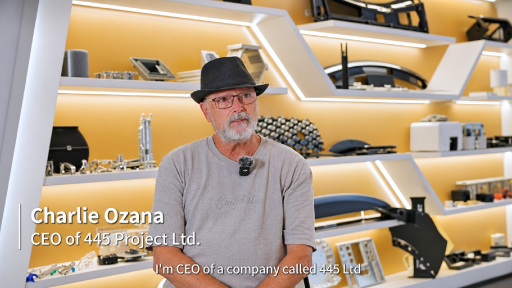
Charlie Ozana

Charlie Ozana

Company: 445 LTDJob Title: CEOBusiness: Full turnkey company
Mastars in all my projects are partners. So I get all the support that I need from engineering management, pricing, timetable, QA, everything is as a partner, not as a supplier. For me, Masters is like home.
Nathan Johnson

Nathan Johnson

Company: Gusto Global IndustriesJob Title: DirectorBusiness: Dust reduction system
They were such a lovely company to deal with, and we couldn't be more happier even to today down the track with even more products moving forward. Very professional, easy to deal with, get back to you straight away, contact is easy through WeChat and email, move forward as quickly as you can.
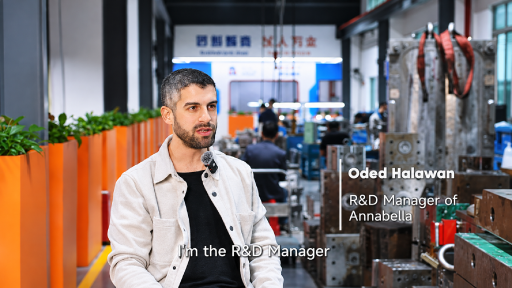
Oded Halawani

Oded Halawani

Company: Annabella Tech IsraelJob Title: R&D managerBusiness: Breast pump
We managed to make it in a very short time warm prototyping to mass production and FDA approval. That makes me feel confidence to choose Mastars.
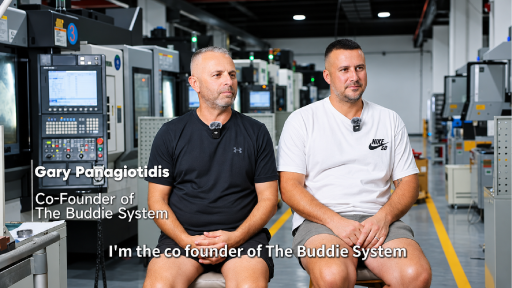
Jade Harris

Jade Harris

Company: Buddy SystemJob Title: Co-founderBusiness: Wireless instant safety alert device
We're glad that we found a company like Mastars to make the product for us because it's been so good to deal with. They're a really good company.
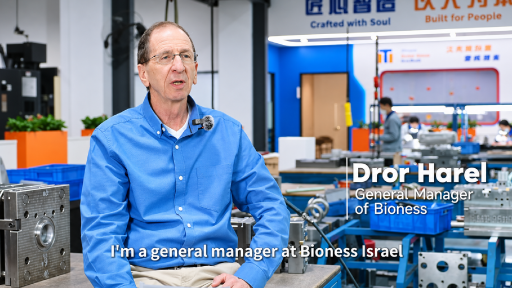
Dror Harel

Dror Harel

Company: BlonessJob Title: General ManagerBusiness: L300, H200
I think the relationship between the buyers and definitely between me the Mastars it's like a family relationship and this is why we are so happy to produce in Mastars and this is why we came for 15 years. By the way, now we came with a new product that we come to Master to produce for the new year.

Rapid Prototyping 3D Printing FAQs

  • Which 3D printing process should I use for my prototype?

    It depends on what the prototype needs to prove. Use SLA for fine detail and smooth appearance, SLS or MJF for durable nylon and functional testing, FDM for thermoplastic and large-format parts, PolyJet for CMF and multi-material validation, and metal 3D printing when the test requires a metal component.

  • Can one prototype validate appearance, fit, and function?

    Not always. An appearance prototype may not reproduce the material behavior needed for functional testing, while a durable functional prototype may not provide the surface or color fidelity needed for CMF approval. When the requirements conflict, two purpose-built prototypes can provide better answers than forcing one part to do everything.

  • Are 3D printed prototype materials the same as production materials?

    Not necessarily. SLA and PolyJet photopolymers can simulate many visual or mechanical characteristics but are not automatically equivalent to molded production plastics. SLS and MJF nylon, FDM thermoplastics, and metal AM materials also have process-specific behavior. Use the prototype material that best represents the test you need to perform.

  • What tolerance should I specify for a 3D printed prototype?

    Apply tighter tolerances only where they affect the test. Mating surfaces, hole locations, moving interfaces, sealing features, and assembly dimensions deserve focused control; tightening every dimension can increase cost or restrict process choices without improving the prototype's value.

  • How fast can I get a 3D printed prototype?

    Suitable projects can be delivered in as fast as 3 days. Material, geometry, quantity, support removal, painting, polishing, machining, and inspection can extend the schedule, so lead time should include the complete prototype—not only printing time.

  • How much does a 3D printing prototype cost?

    Cost depends on process, material, part size, build orientation, support requirements, quantity, tolerance, and finishing. The lowest print price is not always the lowest-cost prototype if the selected process cannot validate the feature or material behavior that matters.

  • Can 3D printing be used for low-volume production?

    Often yes. SLS, MJF, FDM, metal additive manufacturing, and selected other processes can support bridge builds, customized parts, pilot quantities, or low-volume production when tooling is difficult to justify. As volume increases, CNC machining, molding, casting, or another process may become more economical.

  • What happens after the first prototype?

    The next step depends on what testing shows. If the prototype exposes a problem, revise the CAD and test again. If the design is validated, the project can move into another prototype stage, low-volume production, CNC machining, tooling, injection molding, or another production route.

  • What do I need for a rapid prototyping quote?

    A 3D CAD file is enough to start. Add quantity, critical dimensions, material or performance requirements, and surface requirements when they matter to the test. You do not need to choose the printing process in advance—rough project information is fine for an initial review.

Tell Us About Your Project

Share your project details and files with us. Rough information is fine to start. Our engineering consultant will contact you within 24 hours.

Verification code