| Comparison Factor |
Investment Casting |
Sand Casting |
Die Casting |
CNC Machining |
| Best For |
Complex metal parts, thin walls, fine details, internal features, and near-net-shape components |
Large or relatively simple castings where tooling cost and size matter more than surface finish |
Repeat, higher-volume non-ferrous parts requiring fast cycle times |
Prototypes and precision parts where direct machining from solid stock is practical |
| Geometry Capability |
Very high; suitable for intricate shapes and features that would otherwise require multiple operations |
Good for large and complex shapes, but finer details are more difficult to reproduce |
High, but geometry must allow reliable die filling and part release |
High where cutting tools can physically access the required features |
| Typical Materials |
Stainless steel, carbon steel, alloy steel, aluminum, nickel, cobalt, copper alloys, brass and bronze |
Broad ferrous and non-ferrous alloy range |
Mainly aluminum, zinc, and magnesium alloys |
Most machinable metals and engineering alloys |
| Tooling Investment |
Moderate; wax injection tooling is typical for repeat production, while printed patterns can reduce prototype tooling |
Low to moderate |
High due to hardened production dies |
Low; no casting mold required, although fixtures may be needed |
| Tolerance & Surface |
Better as-cast dimensional control and surface finish than sand casting; typical benchmarks can reach about ±0.005 in/in and 125 RMS |
Looser tolerances and rougher surfaces; machining allowance is commonly required |
Good repeatability and smooth cast surfaces once the process is stable |
Tightest control on critical machined dimensions |
| Production Volume |
Prototype and low-volume builds through repeat production |
Best suited to low-to-medium volume and larger parts |
Usually most economical at higher production volumes |
Best suited to prototypes, low-to-medium volumes, or critical finishing operations |
| Key Advantages |
Combines complex geometry, broad alloy choice, near-net shape, and reduced machining |
Lower tooling cost and good scalability to large castings |
Fast production cycles and low unit cost at sufficient volume |
No casting tooling, fast design changes, and direct control of critical dimensions |
| Main Limitations |
More process steps than sand casting; shell building, shrinkage, gating, and solidification must be controlled |
Rougher surfaces, wider dimensional variation, and greater machining demand |
High tooling investment, material limitations, draft requirements, and potential porosity |
Material waste, machining time, tool access, and cost increase as geometry and volume rise |
| Choose It When… |
Complex geometry or material requirements make machining alone inefficient, but die-casting tooling is difficult to justify |
The part is large, volumes are moderate, and fine cosmetic or dimensional detail is less critical |
The design is stable and production volume is high enough to justify dedicated tooling |
Quantity is low, geometry is machinable, or specific interfaces need very tight tolerances |




 English



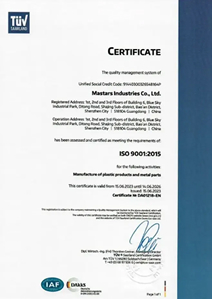
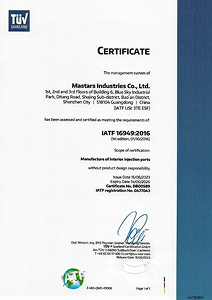
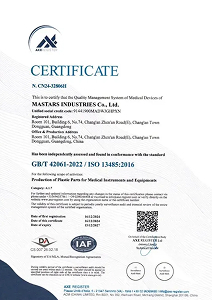
 ISO 9001:2015 | ISO 13485:2016 | IATF 16949:2016






































 Headquarters


