

Stereolithography (SLA)

Stereolithography (SLA)
SLA 3D Printing Services

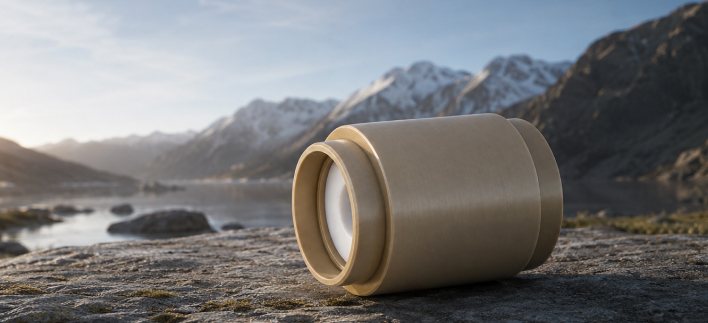
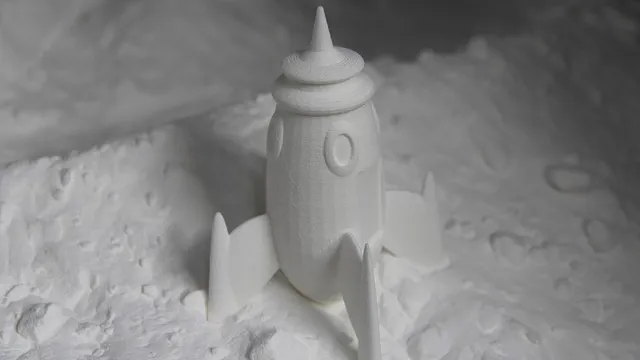
High-detail Stereolithography (SLA) 3D printing for smooth resin prototypes, appearance models, clear parts, and form-and-fit validation.

  • Fine details, thin features & smooth cosmetic surfaces
  • Clear, ABS-like, tough, durable & high-temperature resins
  • Complex geometries, housings, channels & detailed models
  • Sanding, painting, polishing, clear coating & texturing
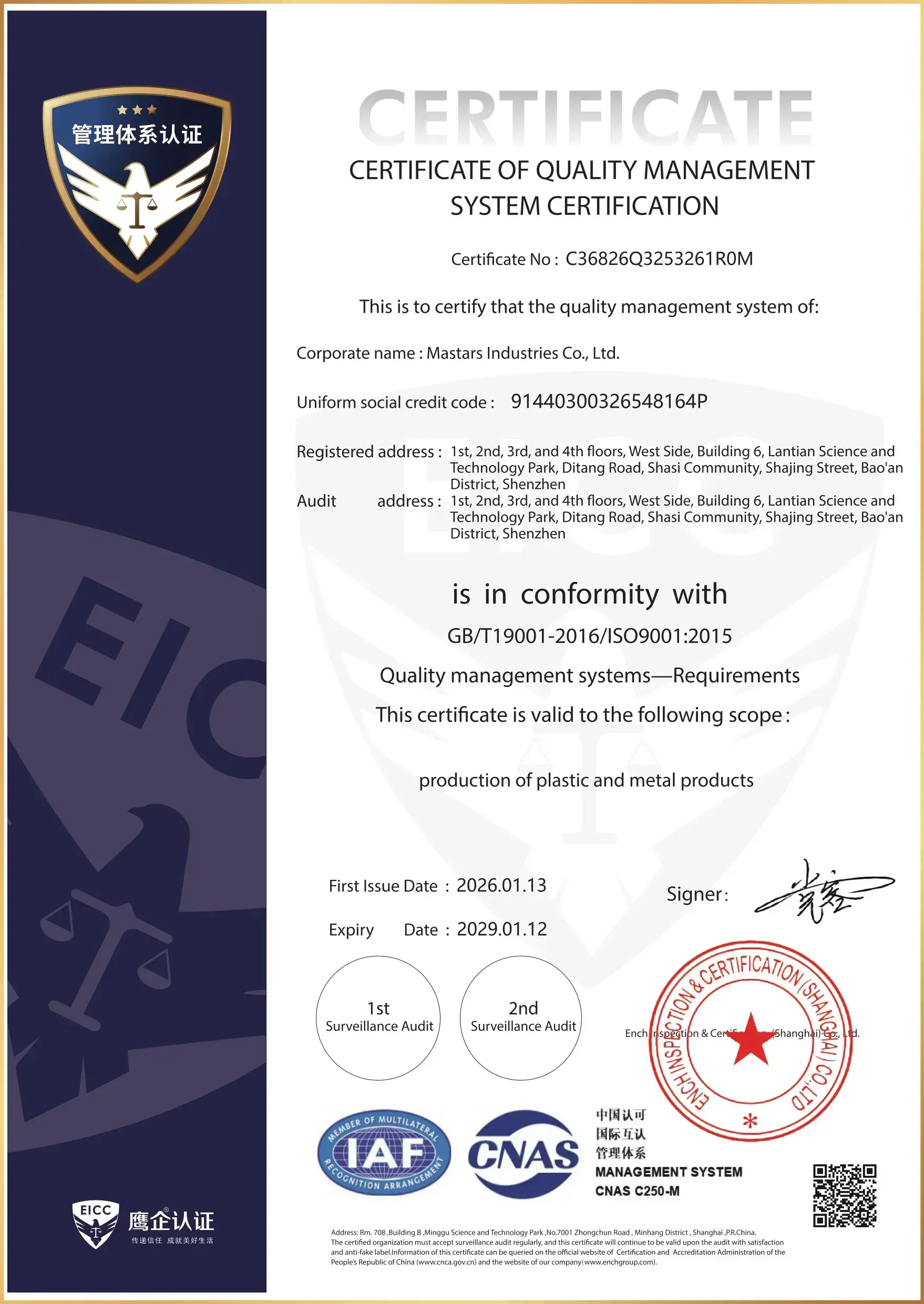
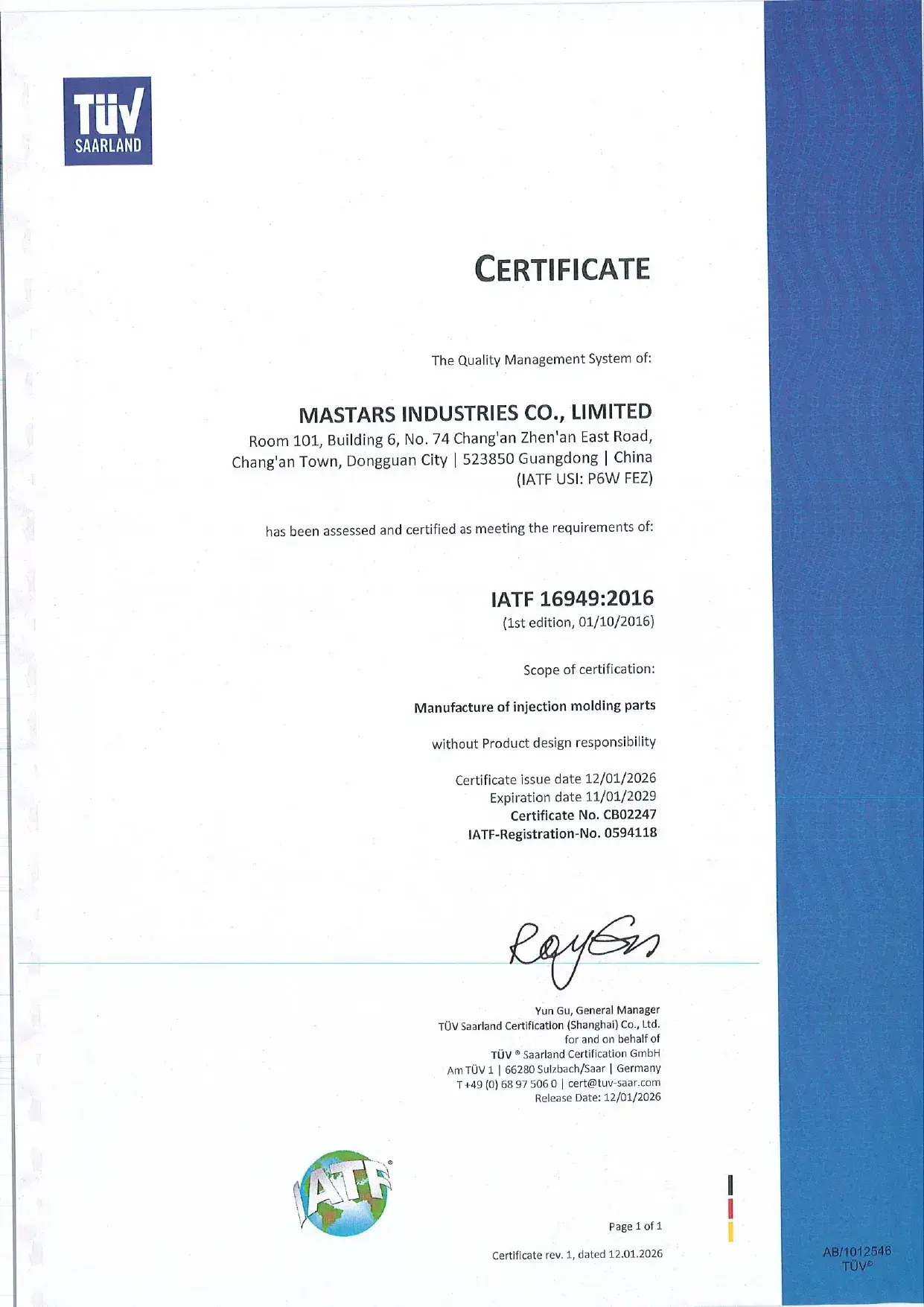
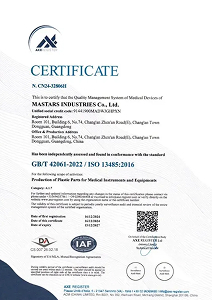
ISO 9001:2015 | ISO 13485:2016 | IATF 16949:2016

SLA 3D Printing Services
25μm
Layer Height
≤600 mm
Part Size
3 Days
Fast Delivery
0
MOQ

SLA 3D Printing Capabilities

High-Resolution SLA Printing
Produce detailed resin parts with fine features, sharp edges, and smooth surfaces for design and appearance validation.
Get a Quote
Clear & Cosmetic Parts
Produce transparent covers, flow-visualization models, light-pipe prototypes, and cosmetic parts where clarity and visible surface quality matter.
Get a Quote
Functional Resin Prototypes
Build tough, durable, heat-resistant, and ABS-like resin parts for fit checks, assembly testing, snap features, and functional evaluation.
Get a Quote
Complex & Large SLA Parts
Produce housings, curved surfaces, thin walls, internal channels, and complex resin parts up to 600 mm.
Get a Quote
Why Choose SLA 3D Printing?

Why Choose SLA 3D Printing?

SLA is best suited to fine details, smooth cosmetic surfaces, clear parts, and form-and-fit validation. It is less suitable when long-term thermoplastic strength, fatigue, or UV resistance is the main requirement.

Ideal Applications:

• Cosmetic housings & appearance models

• Clear covers & flow-visualization models

• Form-and-fit & assembly prototypes

• Master patterns & fine-detail models

Custom SLA 3D Printing Services

Custom SLA 3D Printing Services

Custom SLA projects are planned around what the part needs to prove. We review wall thickness, enclosed volumes, drain paths, build orientation, support-contact areas, mating surfaces, small holes, inserts, and finishing allowances before printing.

For cosmetic or fit-critical parts, support placement and finishing are planned around visible surfaces and critical interfaces to reduce support marks and dimensional changes.

SLA 3D Printing Materials

Choose SLA resin by what the prototype must validate—appearance, fit, toughness, flexibility, transparency, heat resistance, or casting performance. ABS-like and PP-like resins simulate selected behaviors but are not direct substitutes for molded thermoplastics.
Standard SLA Resin
ABS-Like SLA Resin
Tough SLA Resin
Durable / PP-Like SLA Resin
Transparent SLA Resin
Castable SLA Resin
Standard SLA Resin
Standard SLA Resin
Standard SLA Resin
Standard SLA Resin
Standard SLA Resin
Standard SLA Resin
Standard SLA Resin
Standard SLA Resin
Standard SLA Resin

Standard Resin provides crisp details and smooth surfaces for early design and cosmetic evaluation. It is generally more brittle than engineered tough or durable grades.

Key Characteristics

• Fine feature reproduction

• Smooth cosmetic surfaces

• Good visual detail

• Cost-effective early validation

Typical Applications

Concept Models

Appearance Validation

Master Patterns

Presentation Prototypes

Available Finishes

Sanding

Painting

Texturing

Coating

ABS-Like SLA Resin
ABS-Like SLA Resin
ABS-Like SLA Resin
ABS-Like SLA Resin
ABS-Like SLA Resin
ABS-Like SLA Resin
ABS-Like SLA Resin
ABS-Like SLA Resin
ABS-Like SLA Resin

ABS-Like Resin provides a useful balance of stiffness, toughness, and cosmetic quality for housings and assembly prototypes. “ABS-like” does not mean it will reproduce all impact, creep, UV, chemical, or fatigue behavior of molded ABS.

Key Characteristics

• Good dimensional stability

• Improved toughness over standard resin

• Suitable for fit and assembly checks

• Production-like plastic appearance

Typical Applications

Housing Prototypes

Assembly Testing

Engineering Validation

Product Development

Available Finishes

Sanding

Painting

Texture Finishing

Tough SLA Resin
Tough SLA Resin
Tough SLA Resin
Tough SLA Resin
Tough SLA Resin
Tough SLA Resin
Tough SLA Resin
Tough SLA Resin
Tough SLA Resin

Tough Resin is intended for parts that need more impact resistance and elongation than standard SLA materials.

Key Characteristics

• Higher toughness

• Improved impact resistance

• Better suited to mechanical evaluation

• Resin-specific flexibility and elongation

Typical Applications

Mechanical Prototypes

Snap-Fit Testing

Assembly Features

Functional Evaluation

Available Finishes

Sanding

Painting

Surface Coating

Durable / PP-Like SLA Resin

Durable or PP-like resins provide greater ductility and flexibility for parts that bend, move, or experience repeated handling. Long-term fatigue, creep, and wear behavior should still be validated against the actual production material.

Key Characteristics

• Higher flexibility

• Better ductility than standard resin

• Suitable for moving features

• Useful for PP-like functional evaluation

Typical Applications

Living-Hinge Concepts

Clips

Flexible Components

Functional Testing

Available Finishes

Sanding

Polishing

Coating

Transparent SLA Resin

Clear SLA resin is used where engineers need to see internal geometry, fluid paths, or transparent product features. As-printed parts may retain layer texture or support marks and often require polishing or clear coating for higher clarity.

Key Characteristics

• Clear or translucent appearance

• Smooth finish after post-processing

• Internal structure visibility

• Suitable for flow visualization

Typical Applications

Transparent Covers

Fluid Channels

Light-Pipe Mockups

Appearance Models

Available Finishes

Fine Sanding

Polishing

Clear Coating

Castable SLA Resin

Castable Resin is designed for investment casting patterns where fine geometry and controlled burnout are more important than long-term mechanical strength.

Key Characteristics

• Fine detail reproduction

• Complex geometry capability

• Suitable for investment casting workflows

• Controlled burnout behavior

Typical Applications

Precision Casting Patterns

Small Detailed Components

Investment Casting Applications

SLA 3D Printing Surface Finishing & Post-Processing

Post-processing controls surface quality and can also affect dimensions. Define cosmetic surfaces, mating faces, and critical interfaces before finishing.
Finishing Option Typical Appearance / Performance Suitable SLA Materials Engineering Consideration
Washing & UV Post-Cure Removes residual resin and completes the specified curing cycle. All SLA Resins Cure conditions affect final material behavior and dimensional stability.
Support Removal & Cleaning Removes supports and leaves the basic printed surface for rapid validation. Most SLA Resins Support-contact areas may retain small marks or a different surface texture.
Sanding & Surface Smoothing Reduces support marks and visible layer texture for smoother cosmetic surfaces. Most SLA Resins Excessive sanding can round edges or alter mating features.
Painting & Color Finishing Adds specified colors and production-like cosmetic appearance. Standard, ABS-Like, Tough, Transparent Coating thickness should be considered on tight fits and interfaces.
Polishing Improves gloss and clarity on transparent or appearance-focused parts. Transparent, Standard Local polishing can affect edges and small features.
Clear Coating Improves transparency, gloss, and surface uniformity. Transparent Resin Improves visual clarity but does not automatically create optical-grade performance.
Texturing Simulates molded or production surface textures. Standard, ABS-Like Fine details and critical interfaces may need masking or protection.
Assembly Preparation Includes drilling, fitting, inserts, or local adjustments for assembly testing. ABS-Like, Tough, Durable Secondary operations should be controlled around critical dimensions.

SLA 3D Printing Accuracy & Design Considerations

Final SLA accuracy depends on part size, resin, orientation, supports, and post-processing. Identify critical dimensions and mating features before printing.
Specification Typical SLA Capability Engineering Consideration
Layer Height 25–100 μm Thinner layers improve detail but increase build time.
Typical Dimensional Accuracy ±0.2%, minimum ±0.13 mm Final accuracy varies with geometry, resin, orientation, and part size.
High-Resolution XY Tolerance ±0.05 mm for the first 25.4 mm + 0.1% of nominal length Applies to suitable high-resolution builds and geometry.
Minimum Feature Size Down to 0.063 mm with micro SLA Very fine features require the appropriate resolution and orientation.
Minimum Wall Thickness Down to 0.063 mm with micro SLA; ≥0.5 mm typical for supported walls Long or unsupported thin walls are more sensitive to distortion.
Minimum Hole Size Down to 0.381 mm with micro SLA Very small holes may require orientation or post-processing adjustments.
Hollow Part Escape Hole ≥4 mm recommended Allows uncured resin and cleaning fluid to drain from enclosed cavities.
Finished Part Size Up to 600 mm Maximum size and highest resolution are not normally achieved in the same build setup.

SLA 3D Printing Equipment

HEXAGON elobal silver classic sr CMM

HEXAGON elobal silver classic sr CMM

Haoxinda HR-150A CMM

Haoxinda HR-150A CMM

Hexagon RA 85307 AXIS CMM

Hexagon RA 85307 AXIS CMM

Why Choose Mastars for SLA 3D Printing?

Quality Systems
ISO 9001, ISO 13485, and IATF 16949 systems support controlled inspection and documentation. Dimensional checks, optical measurement, and project-specific verification confirm critical features.
Engineering & Project Support
100+ engineers evaluate material requirements, functional needs, and validation goals to determine whether SLA or another process is the better fit.
Manufacturing Experience
Backed by 20+ years of manufacturing experience, Mastars supports SLA prototypes through validation, iteration, and transition into production manufacturing.
Flexible Capacity
Starting from one-piece prototypes, Mastars supports rapid SLA iterations, small-batch validation, and manufacturing transition based on project requirements.
SLA DFM Review
Review build orientation, support placement, visible surfaces, mating features, small openings, and finishing allowances before printing.
Integrated Manufacturing
Move from SLA prototypes into CNC machining, urethane casting, tooling, injection molding, finishing, assembly, and production through one coordinated program.

Certifications

ISO 9001:2015

ISO 9001:2015

IATF 16949:2016

IATF 16949:2016

ISO 13485:2016

ISO 13485:2016

Medical A-Class Supplier

Medical A-Class Supplier

Partners

445 Projects
xylem
Bentley
Aston Martin
HARMAN
Annabella
Auer Lighting
NVIDIA
Compac
G4S
hs products
luxshareict
KK
Bioness
SGM
Nmble
Lear
LLEN&HEAT
belkin
DaAn Gene
MAGNA
pdd
Flite
simens
philips
maxwell
Land Rover

How to Work with Us

Share Your Project

Send a CAD file, drawing, or brief. Start with what you have.

Engineering Review & Quote

We review your requirements and confirm the process, price, and lead time.

We Make Your Parts

Once approved, we prepare the process and manufacture your parts.

Inspection & Delivery

We inspect, pack, and ship your finished parts.

What Our Customers Say

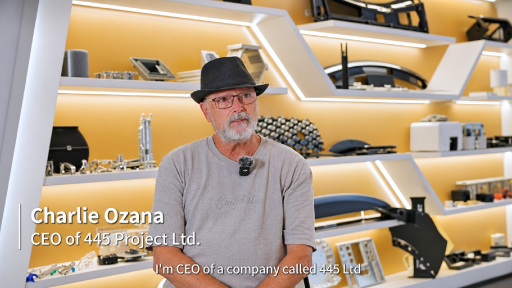
Charlie Ozana

Charlie Ozana

Company: 445 LTDJob Title: CEOBusiness: Full turnkey company
Mastars in all my projects are partners. So I get all the support that I need from engineering management, pricing, timetable, QA, everything is as a partner, not as a supplier. For me, Masters is like home.
Nathan Johnson

Nathan Johnson

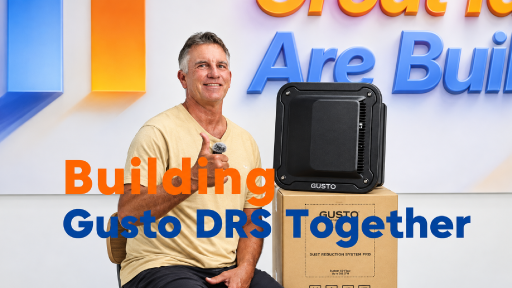
Company: Gusto Global IndustriesJob Title: DirectorBusiness: Dust reduction system
They were such a lovely company to deal with, and we couldn't be more happier even to today down the track with even more products moving forward. Very professional, easy to deal with, get back to you straight away, contact is easy through WeChat and email, move forward as quickly as you can.
Oded Halawani

Oded Halawani

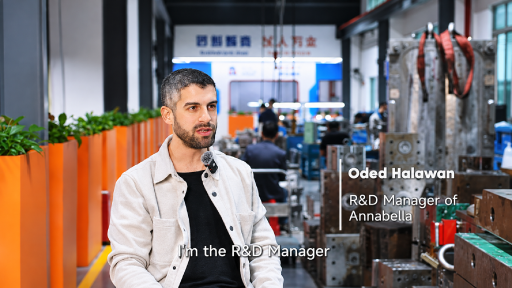
Company: Annabella Tech IsraelJob Title: R&D managerBusiness: Breast pump
We managed to make it in a very short time warm prototyping to mass production and FDA approval. That makes me feel confidence to choose Mastars.
Jade Harris

Jade Harris

Company: Buddy SystemJob Title: Co-founderBusiness: Wireless instant safety alert device
We're glad that we found a company like Mastars to make the product for us because it's been so good to deal with. They're a really good company.
Dror Harel

Dror Harel

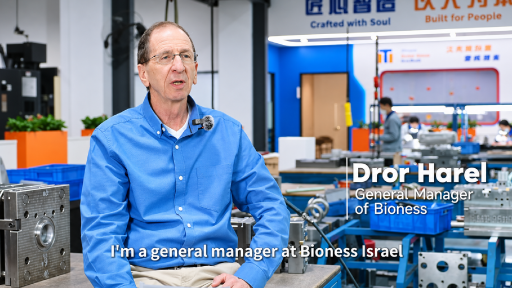
Company: BlonessJob Title: General ManagerBusiness: L300, H200
I think the relationship between the buyers and definitely between me the Mastars it's like a family relationship and this is why we are so happy to produce in Mastars and this is why we came for 15 years. By the way, now we came with a new product that we come to Master to produce for the new year.

SLA Printing Service FAQs

  • How does SLA compare with SLS, MJF, or FDM for prototyping?

    SLA is usually the better choice when fine detail, smooth cosmetic surfaces, transparency, or precise form-and-fit are the priority. SLS and MJF are generally better for tougher nylon parts and complex unsupported geometry, while FDM is useful for lower-cost concept models or larger parts where visible layer texture is acceptable.

  • What SLA resin materials are available?

    We support standard, ABS-like, tough, durable or PP-like, transparent, high-temperature, and castable SLA resins, with specialty materials reviewed by project. Resin selection should be based on what you need to validate—appearance, impact behavior, flexibility, transparency, temperature exposure, or casting performance.

  • Can SLA parts be fully clear?

    Not directly from the printer. Clear SLA resin can achieve high transparency, but support marks and layer texture normally require controlled orientation, sanding, polishing, and/or clear coating. If optical transmission, haze, or lens-quality surfaces are critical, include those requirements in the drawing or project specification.

  • What tolerances and minimum feature sizes can SLA achieve?

    It depends on the SLA system, resin, part size, orientation, and finishing. Typical industrial SLA accuracy is around ±0.2% with a minimum near ±0.13 mm. Fine features around 0.2 mm are practical starting points, while specialized high-resolution or micro builds can go smaller. Critical dimensions should always be reviewed from the CAD model.

  • Will there be support marks on my SLA parts?

    Usually yes. SLA normally requires support structures, and support-contact areas can retain small nibs or show a different surface after sanding. We position supports away from visible faces and mating surfaces where geometry allows, but completely eliminating support evidence is not always realistic.

  • How fast can I get an SLA prototype?

    Suitable SLA parts can be delivered in as fast as 3 days. Part size, quantity, resin, high-resolution settings, clear-part polishing, painting, and inspection requirements can extend the lead time, so cosmetic or large parts may require additional processing time.

  • Can SLA prototypes be used for fit, assembly, or snap-fit testing?

    Yes, with the right resin. Tough or durable grades are better for clips, snaps, and repeated handling than standard SLA resin. SLA is very useful for validating geometry and interfaces, but it does not automatically predict the fatigue, creep, or long-term behavior of the final molded thermoplastic.

  • Are ABS-like or PP-like SLA resins the same as molded ABS or PP?

    No. They are photopolymers designed to reproduce selected behaviors of engineering plastics, not identical materials. Impact resistance, UV stability, chemical resistance, fatigue, creep, flammability, and long-term performance can differ. Use CNC-machined production plastic or molded samples when those properties must be validated directly.

  • What files do you need for an SLA quote?

    A 3D CAD file is enough to start. We accept STEP/STP, IGES, and STL files. Add a 2D drawing when critical dimensions, GD&T, threads, surface requirements, or inspection criteria must be controlled. Rough project information is fine for an initial review.

Tell Us About Your Project

Share your project details and files with us. Rough information is fine to start. Our engineering consultant will contact you within 24 hours.

Verification code