

Liquid Silicone Rubber Molding

Liquid Silicone Rubber Molding
Liquid Silicone Rubber Molding Services

Custom LSR injection molding for flexible, heat-resistant silicone parts, from tooling and design validation to repeat production.

  • Thin-wall & complex flexible parts
  • Medical- & food-contact LSR
  • DFM for flash, shrinkage & demolding
  • Critical sealing & mating features
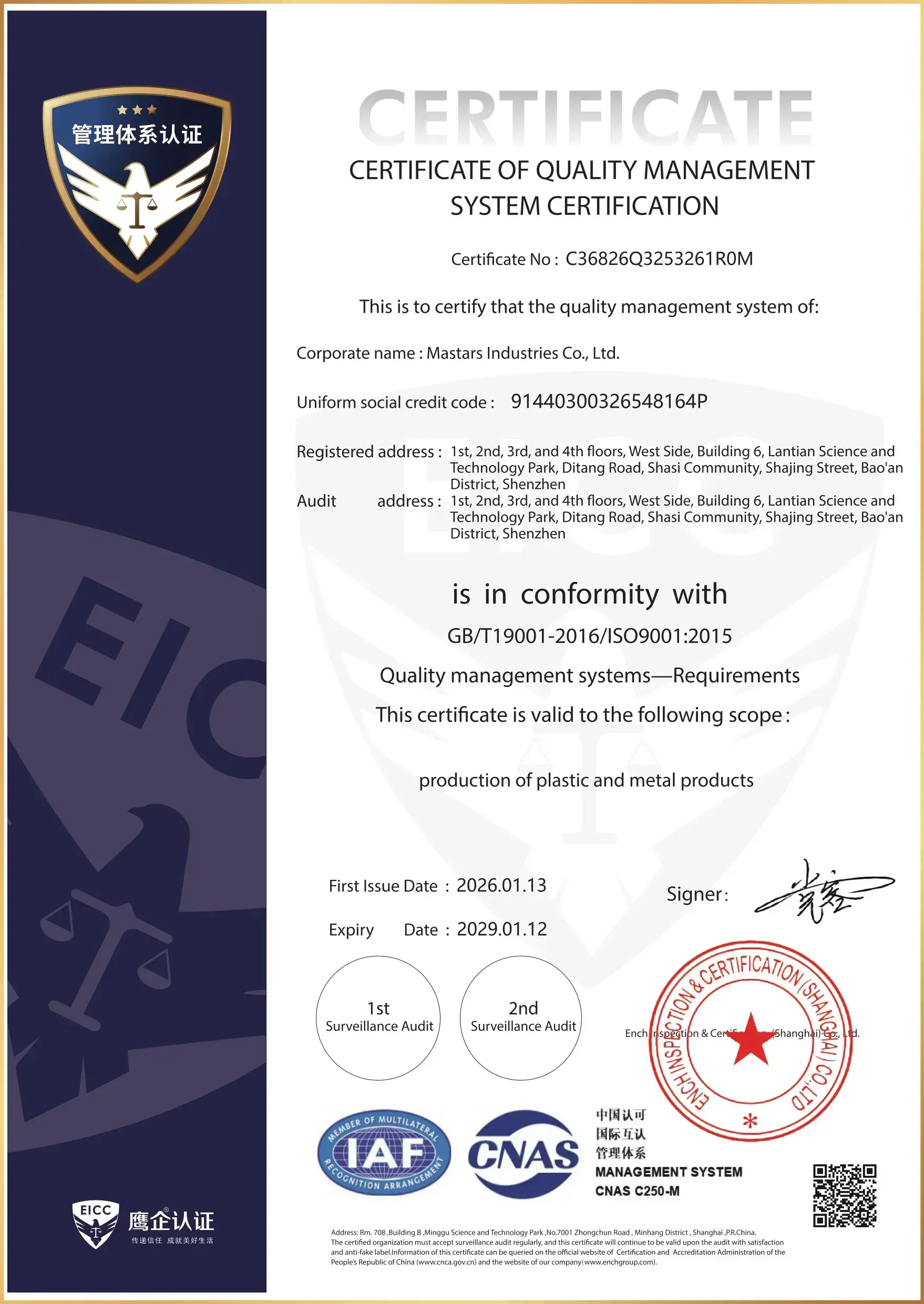
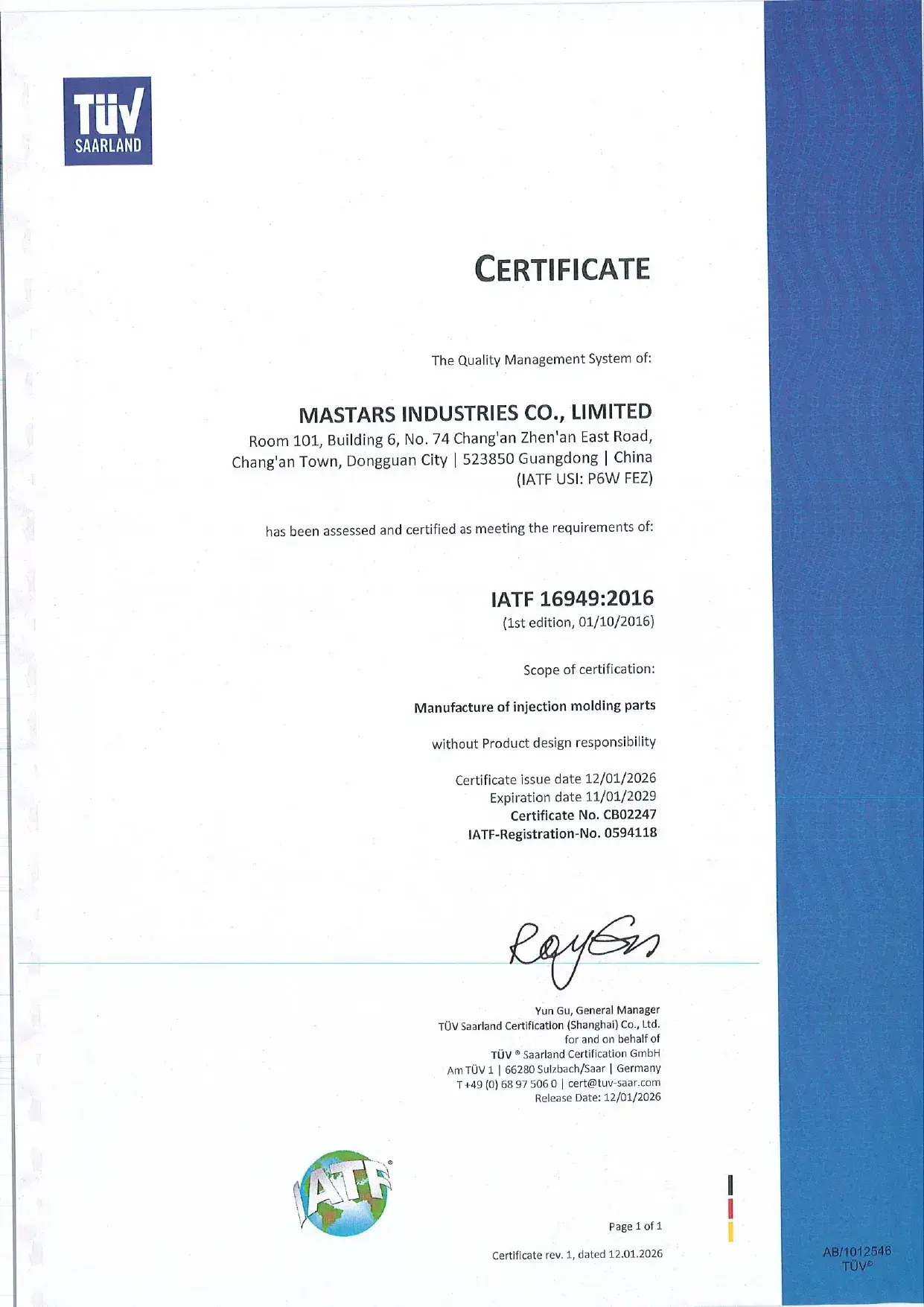
ISO 9001:2015 | ISO 13485:2016 | IATF 16949:2016

Liquid Silicone Rubber Molding Services
±0.01 mm
Critical Feature Tolerance
≤0.10 mm
Thin-Wall Capability
15 Days
Fast Delivery
100+
Engineering Professionals

Liquid Silicone Rubber Molding Capabilities

Thin-Wall LSR Molding
Mold thin sections and fine flexible features where flow, venting, and consistent filling are critical.
Get a Quote
Cold-Runner Tooling
Cold-Runner Tooling
Control LSR flow through cold-runner tooling to reduce material waste and improve filling consistency across multi-cavity molds.
Get a Quote
Seals & Gaskets
Seals & Gaskets
Manufacture flexible sealing components requiring stable compression, edge definition, and repeatable geometry.
Get a Quote
Membranes & Diaphragms
Mold thin flexible membranes where uniform thickness and controlled deformation affect functional performance.
Get a Quote
Complex Flexible Parts
Produce undercuts, soft features, and complex geometries that can take advantage of silicone's flexible demolding behavior.
Get a Quote
Multi-Cavity LSR Molding
Support repeat production where cavity balance, fill consistency, flash control, and part-to-part repeatability matter.
Get a Quote

LSR Molding vs HCR Molding

LSR and HCR suit different silicone part requirements, production volumes, and tooling strategies.
Comparison Factor LSR Injection Molding HCR Molding
Material Form Two-part liquid silicone High-consistency solid silicone
Best For Thin walls, complex features, seals, membranes Simpler and thicker silicone parts
Tooling Precision injection tooling, typically cold runner Compression or transfer tooling
Automation High Lower to moderate
Flash Control Tight shut-offs and venting are critical Secondary trimming is more common
Production Fit Repeat production with higher automation potential Lower-volume or simpler silicone production
Cost Trade-Off Higher tooling investment, efficient at scale Simpler tooling, more manual processing
Custom Liquid Silicone Rubber Molding

Custom Liquid Silicone Rubber Molding

Every silicone part has different requirements for durometer, sealing, geometry, environment, and compliance. Mastars matches the LSR grade, tooling, flash control, post-curing, and inspection to required part performance.

Liquid Silicone Rubber Materials & Grades

Material selection depends on durometer, operating temperature, transparency, chemical exposure, compliance requirements, and the required behavior of the molded part.
Standard LSR
Medical-Grade LSR
Food-Contact LSR
Optical-Grade LSR
Fluorosilicone
Standard LSR
Standard LSR
Standard LSR
Standard LSR
Standard LSR
Standard LSR
Standard LSR
Standard LSR
Standard LSR

Standard liquid silicone rubber is suitable for general-purpose molded parts requiring flexibility, heat resistance, electrical insulation, and reliable elastic recovery.

Key Characteristics

High elasticity

Good heat resistance

Low compression set

Good electrical insulation

Weather and moisture resistance

Common Grades

30A, 40A, 50A, 60A, 70A

Typical Applications

Seals, gaskets, membranes, keypads, buttons, protective covers

Medical-Grade LSR
Medical-Grade LSR
Medical-Grade LSR
Medical-Grade LSR
Medical-Grade LSR
Medical-Grade LSR
Medical-Grade LSR
Medical-Grade LSR
Medical-Grade LSR

Medical-grade LSR is selected for components requiring controlled material properties and documented medical or skin-contact grades. Final suitability depends on the specified grade, contact type, sterilization method, and validation requirements.

Key Characteristics

Biocompatible grades available

Sterilization-compatible grades available

Stable elastic response

Good sealing performance

Documented material options

Typical Applications

Medical seals, valves, masks, diaphragms, wearable and device components

Food-Contact LSR
Food-Contact LSR
Food-Contact LSR
Food-Contact LSR
Food-Contact LSR
Food-Contact LSR
Food-Contact LSR
Food-Contact LSR
Food-Contact LSR

Food-contact LSR is selected for parts used around food, beverages, or processing equipment where applicable material compliance, cleanliness, temperature resistance, and repeated sealing matter.

Key Characteristics

Food-contact grades available

Good temperature resistance

Flexible and resilient

Low odor

Suitable for repeated sealing

Typical Applications

Food-processing seals, dispensing components, gaskets, valves, flexible contact parts

Optical-Grade LSR
Optical-Grade LSR
Optical-Grade LSR
Optical-Grade LSR
Optical-Grade LSR
Optical-Grade LSR
Optical-Grade LSR
Optical-Grade LSR
Optical-Grade LSR

Optical-grade LSR is formulated for applications where transparency, light transmission, and optical stability are functional requirements rather than purely cosmetic features.

Key Characteristics

High transparency

Good optical stability

Flexible molded geometry

Heat and UV resistance

Suitable for fine optical features

Typical Applications

Light guides, optical seals, lenses, transparent covers, lighting components

Fluorosilicone

Fluorosilicone is used when standard LSR does not provide enough resistance to fuels, oils, solvents, or aggressive chemical environments.

Key Characteristics

Excellent fuel resistance

Improved oil resistance

Good chemical resistance

Flexible sealing performance

Suitable for harsh operating environments

Typical Applications

Automotive seals, fuel-system components, industrial gaskets, chemical-resistant protective parts

LSR Mold Surface Finishes & Textures

LSR closely reproduces the mold cavity surface. Mold polishing and texturing therefore control the molded part’s gloss, matte appearance, grip, optical clarity, and surface feel.
Mold Surface Option Mold Treatment Molded LSR Result Best For Engineering Considerations
As-Machined Finish Standard machined cavity Functional, non-cosmetic surface Hidden surfaces, internal features, functional parts Machining marks may transfer to the silicone surface
EDM Finish EDM-textured cavity Uniform technical matte texture Functional parts where appearance is secondary EDM texture is reproduced directly on the molded LSR
SPI-C1 600-grit stone Fine matte / low-gloss surface Seals, housings, general functional silicone parts Suitable where a controlled matte surface is required
Light Bead-Blast Texture Fine bead blasting over prepared mold surface Light matte texture with more grip Soft-touch areas, buttons, grips Texture depth and draft should be checked for demolding
Medium Bead-Blast Texture Medium bead blasting Stronger matte / textured finish Grip surfaces and tactile components Deeper texture can increase demolding resistance
SPI-B1 600-grit paper Smooth semi-gloss surface Cosmetic parts and smooth sealing surfaces Useful where both appearance and surface smoothness matter
SPI-A2 Grade #2 diamond buff High-gloss polished surface Transparent, optical, and premium cosmetic LSR parts Mold polish quality is especially important for optical-grade LSR

Liquid Silicone Rubber Tolerances & Precision

LSR tolerances vary with geometry, durometer, shrinkage, curing, and measurement method. Apply tighter control where sealing, mating, or assembly actually requires it.
Precision Factor Typical Capability Engineering Considerations
Standard Molded Dimensions ±0.10–0.20 mm Depends on geometry, material grade, durometer, wall thickness, and shrinkage
Critical Functional Features Down to ±0.01 mm for qualified features Best suited to sealing, mating, or assembly-critical dimensions
Linear Tolerance ±0.025 mm/mm Variation increases with nominal length and material shrinkage
Thin-Wall / Membrane Features Down to 0.10 mm Requires suitable flow, venting, cure control, and demolding
LSR Material Shrinkage Typically 2–3% Compensated in tooling based on grade, geometry, and post-curing
Micro-Part Capability Below 10 mg Depends on metering, cavity design, material behavior, and demolding
Tolerance Standard DIN ISO 3302-1 Tolerance class should be confirmed against geometry, material, and functional requirements

LSR Equipment & Manufacturing Capabilities

FANUC ROBOSHOT ∂-150iA Injection Molding Machine

FANUC ROBOSHOT ∂-150iA Injection Molding Machine

AgieCharmilles FORM20 EDM Machine

AgieCharmilles FORM20 EDM Machine

Zeiss CONTURA G2 CMM

Zeiss CONTURA G2 CMM

Why Choose Mastars for LSR Molding?

Quality Systems
ISO 9001, ISO 13485, and IATF 16949 systems support controlled production and documentation. FAI, CMM, optical, and in-process inspection verify sealing, mating, and assembly-critical dimensions.
Engineering & Project Support
100+ engineers support DFM, tooling, molding, quality, and production coordination, helping engineering changes move through the project without getting lost between teams.
Manufacturing Experience
Our mold project engineers bring 20+ years of industry experience, supporting LSR projects from DFM and mold design through trials, corrections, and production release.
Flexible Capacity
Supported by 5+ production bases, Mastars can support LSR mold trials, pilot builds, changing volumes, and repeat production as project demand develops.
LSR DFM Review
Review wall thickness, shrinkage, gates, vents, parting lines, sealing features, and demolding before tooling to reduce flash, filling defects, and avoidable mold changes.
Integrated Manufacturing
Keep tool design, mold manufacturing, trials, LSR molding, inspection, and production coordination within one manufacturing program instead of managing multiple suppliers.

Certifications

ISO 9001:2015

ISO 9001:2015

IATF 16949:2016

IATF 16949:2016

ISO 13485:2016

ISO 13485:2016

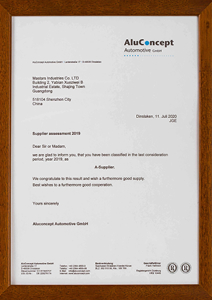
Medical A-Class Supplier

Medical A-Class Supplier

Partners

445 Projects
xylem
Bentley
Aston Martin
HARMAN
Annabella
Auer Lighting
NVIDIA
Compac
G4S
hs products
luxshareict
KK
Bioness
SGM
Nmble
Lear
LLEN&HEAT
belkin
DaAn Gene
MAGNA
pdd
Flite
simens
philips
maxwell
Land Rover

How to Work with Us

Share Your Project

Send a CAD file, drawing, or brief. Start with what you have.

Engineering Review & Quote

We review your requirements and confirm the process, price, and lead time.

We Make Your Parts

Once approved, we prepare the process and manufacture your parts.

Inspection & Delivery

We inspect, pack, and ship your finished parts.

What Our Customers Say

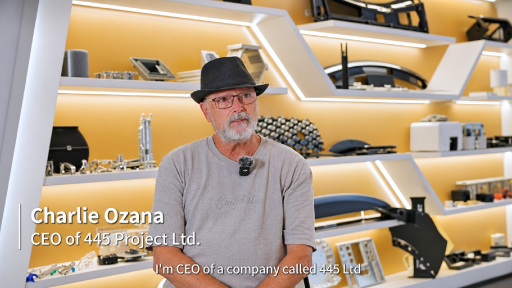
Charlie Ozana

Charlie Ozana

Company: 445 LTDJob Title: CEOBusiness: Full turnkey company
Mastars in all my projects are partners. So I get all the support that I need from engineering management, pricing, timetable, QA, everything is as a partner, not as a supplier. For me, Masters is like home.
Nathan Johnson

Nathan Johnson

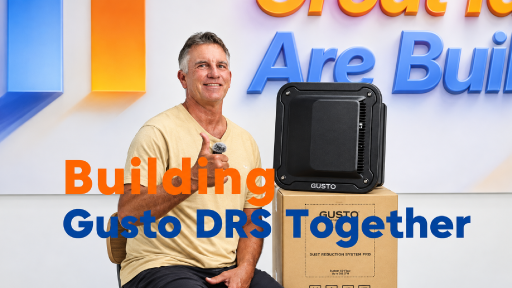
Company: Gusto Global IndustriesJob Title: DirectorBusiness: Dust reduction system
They were such a lovely company to deal with, and we couldn't be more happier even to today down the track with even more products moving forward. Very professional, easy to deal with, get back to you straight away, contact is easy through WeChat and email, move forward as quickly as you can.
Oded Halawani

Oded Halawani

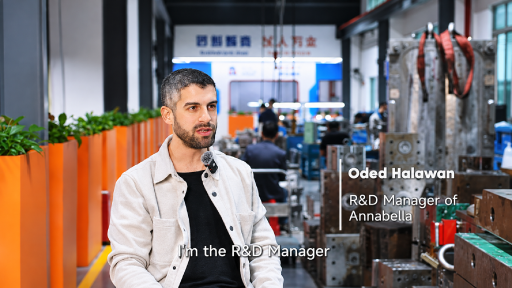
Company: Annabella Tech IsraelJob Title: R&D managerBusiness: Breast pump
We managed to make it in a very short time warm prototyping to mass production and FDA approval. That makes me feel confidence to choose Mastars.
Jade Harris

Jade Harris

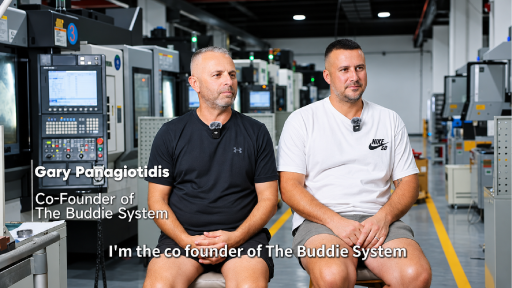
Company: Buddy SystemJob Title: Co-founderBusiness: Wireless instant safety alert device
We're glad that we found a company like Mastars to make the product for us because it's been so good to deal with. They're a really good company.
Dror Harel

Dror Harel

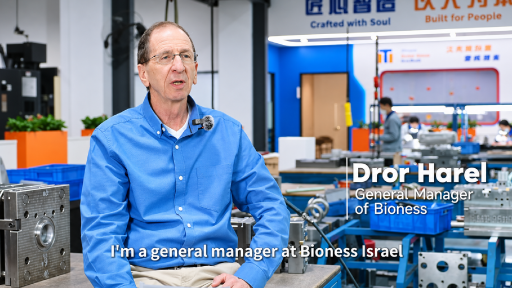
Company: BlonessJob Title: General ManagerBusiness: L300, H200
I think the relationship between the buyers and definitely between me the Mastars it's like a family relationship and this is why we are so happy to produce in Mastars and this is why we came for 15 years. By the way, now we came with a new product that we come to Master to produce for the new year.

FAQs

  • Is LSR molding right for my part?

    Often yes, if your part needs flexibility, sealing, heat resistance, electrical insulation, or fine molded features. LSR is especially suitable for seals, gaskets, membranes, valves, keypads, and flexible protective components. Very simple or thick silicone parts may be more economical with another molding process.

  • What is liquid silicone rubber injection molding?

    Liquid silicone rubber injection molding is a process where two-part liquid silicone is mixed, injected into a heated mold, and cured into a flexible silicone component.

  • What Shore A hardness can you mold?

    Common LSR options range from 30A to 70A. Softer grades provide greater flexibility, while harder grades offer more shape retention. Selection should be based on sealing load, compression, wall thickness, movement, and operating conditions.

  • How do you control LSR shrinkage and flash?

    LSR typically shrinks around 2–3%, so compensation begins in the mold design. Flash is controlled through parting-line design, shut-offs, venting, mold fit, and molding parameters—especially around sealing edges and critical interfaces.

  • Can you mold medical-grade and food-contact silicone parts?

    Yes. Medical-grade and food-contact LSR options are available. The exact grade, material documentation, inspection, traceability, and validation requirements are confirmed against the intended application.

  • Can I prototype silicone parts before production tooling?

    Yes. Prototype or bridge tooling can be used to evaluate fit, sealing, flexibility, appearance, and material behavior before committing to full production tooling. A validated prototype still needs production-tooling and process review before scale-up.

  • Can LSR be overmolded onto plastic or metal?

    Often yes, but adhesion must be validated. Depending on the substrate, bonding may rely on bondable LSR, primer-assisted adhesion, mechanical retention, or a combination of methods.

  • How long does liquid silicone rubber molding take?

    Selected fast-turn LSR projects can be completed in 15 days or less, depending on tooling complexity and validation requirements.

  • What affects the cost of custom LSR parts?

    The main factors are material grade, tooling complexity, cavity count, cure cycle, production volume, flash requirements, post-curing, inspection, and secondary operations. Prototype or bridge tooling may reduce initial investment, while higher-volume programs can justify more durable or multi-cavity production tooling.

  • What do you need for an LSR molding quote?

    A 3D CAD file is the best starting point. Add a 2D drawing for critical dimensions, plus durometer or material requirements, quantity, expected annual volume, color, sealing features, surface requirements, regulatory needs, overmolding requirements, and target delivery date. Rough information is fine to start.

Tell Us About Your Project

Share your project details and files with us. Rough information is fine to start. Our engineering consultant will contact you within 24 hours.

Verification code