


 English



Search Results
Vacuum Forming vs Injection Molding: Key Differences, Costs & Applications
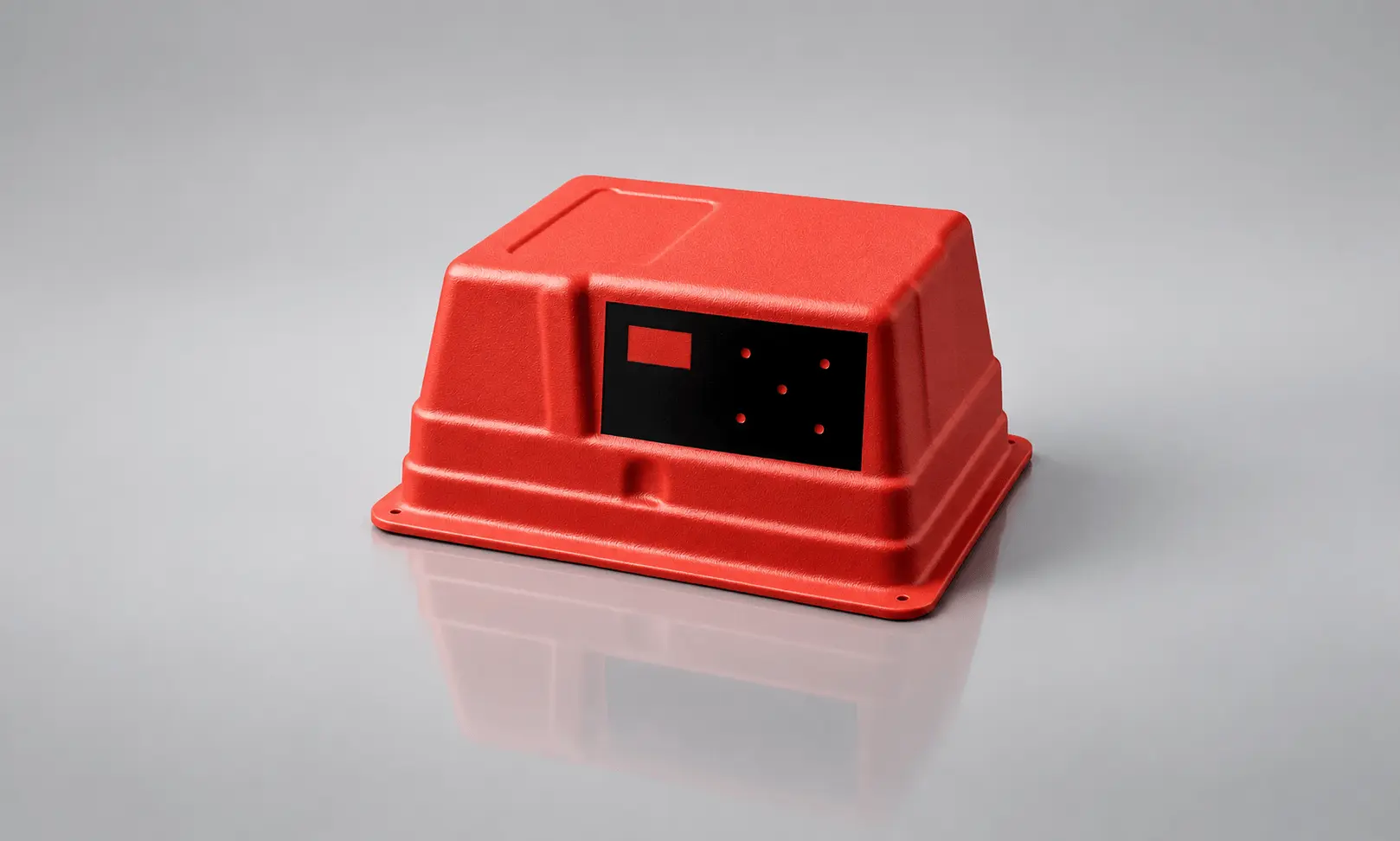
Vacuum forming and injection molding can both produce plastic housings, covers, panels, and enclosures, but they fit different part requirements. Vacuum forming is often a practical choice for large, relatively...
View More
A Working Prototype Is Not Yet Production-Ready
A prototype can fit correctly and still be unsuitable for die-cast production.
View More 
Is a 3D Printer a CNC Machine? The Engineering Answer Explained
Learn why 3D printing uses CNC principles but differs from CNC machining, and how engineers choose the right process for prototypes.
View More 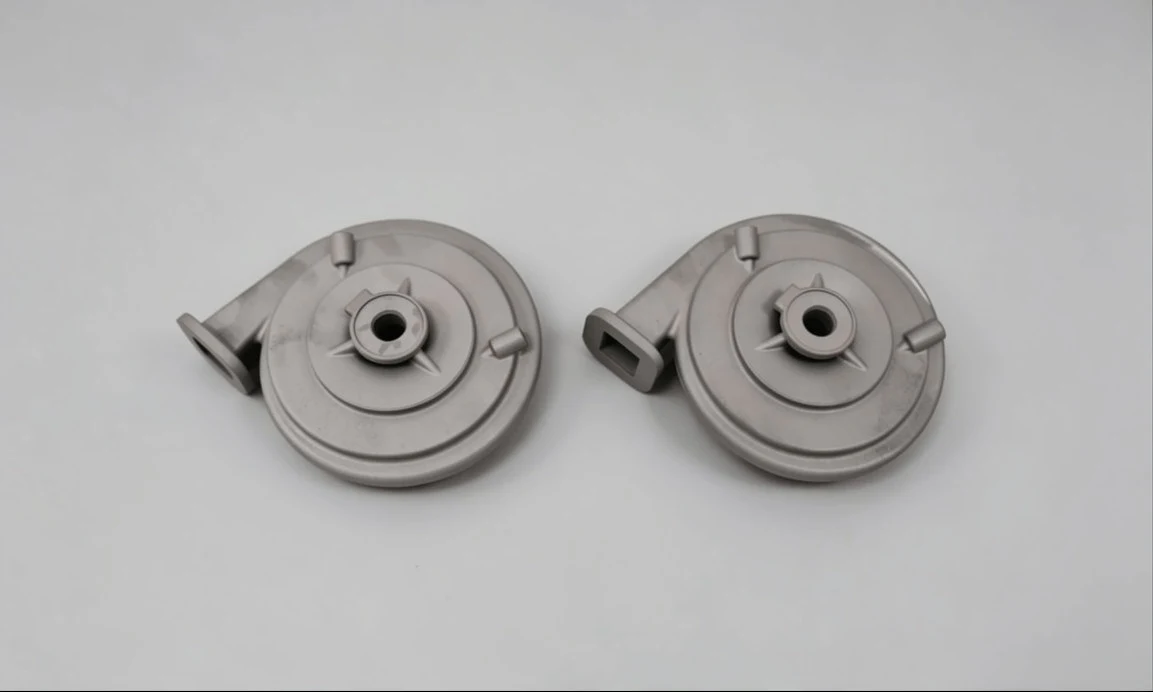
T0 to T3 Injection Mold Trials: Samples, Tool Corrections & Approval
An injection mold trial is a controlled molding run used to check how the tool, material, machine, and process work together before production. The trial generates evidence through molded samples,...
View More 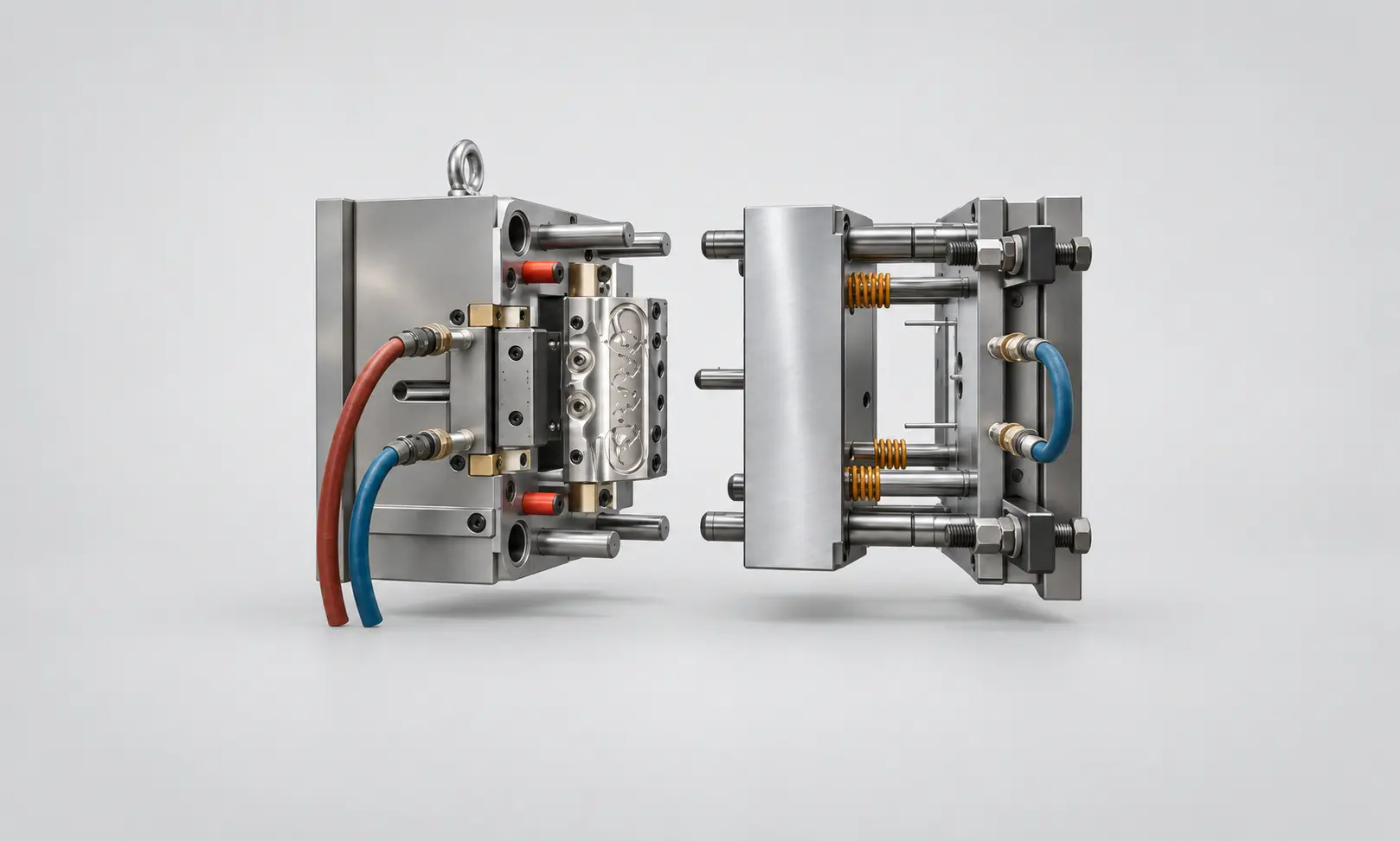
From Die Stability to Assembly Fit: Manufacturing a Stage-Light Pan Shaft
Assembly Stability Starts Before Final Assembly Mastars supported a customer in manufacturing a die-cast Pan Shaft component for stage-lighting equipment, including tooling, die casting, trimming, secondary machining, and dimensional verification...
View More 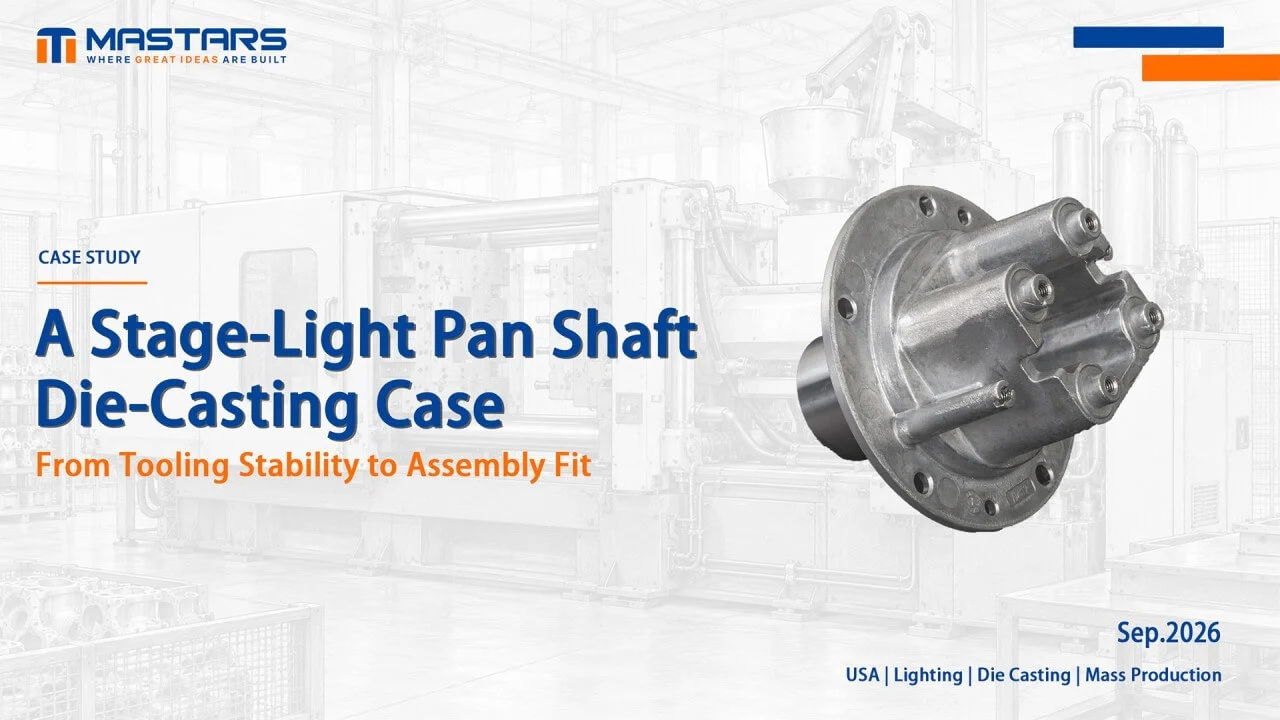
Vacuum Forming vs Pressure Forming: Differences, Costs, Materials, and Design Considerations
A thermoformed part can look correct on the first sample and still create problems later. Wall thickness may fall off in a deep draw, a textured surface may not reproduce...
View More 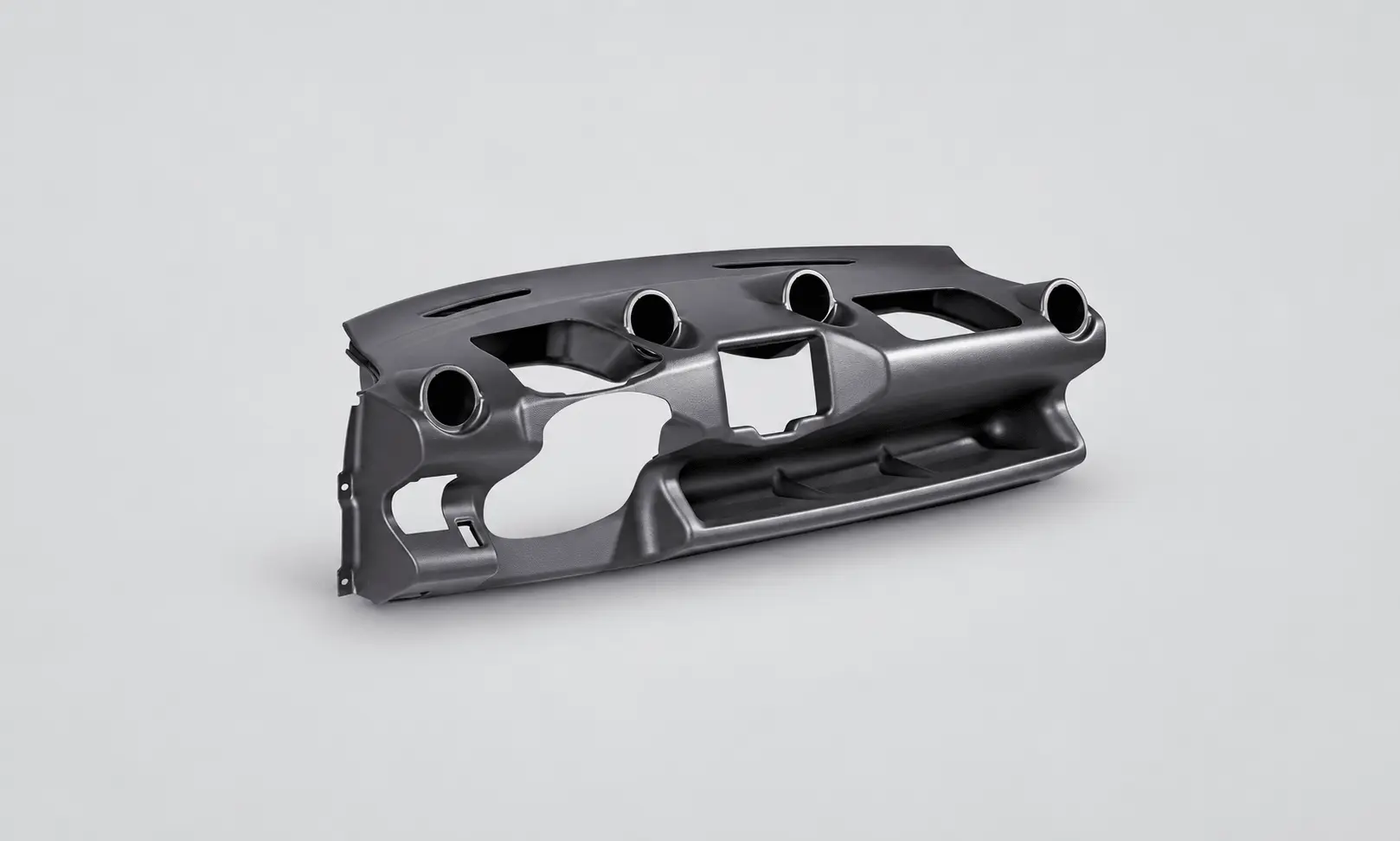
Brass vs Bronze vs Copper: Start With the Alloy
Copper, brass, and bronze are all copper-based materials, but they behave very differently in service and during manufacturing. Copper is usually chosen for electrical and thermal conductivity, brass for machinability...
View More 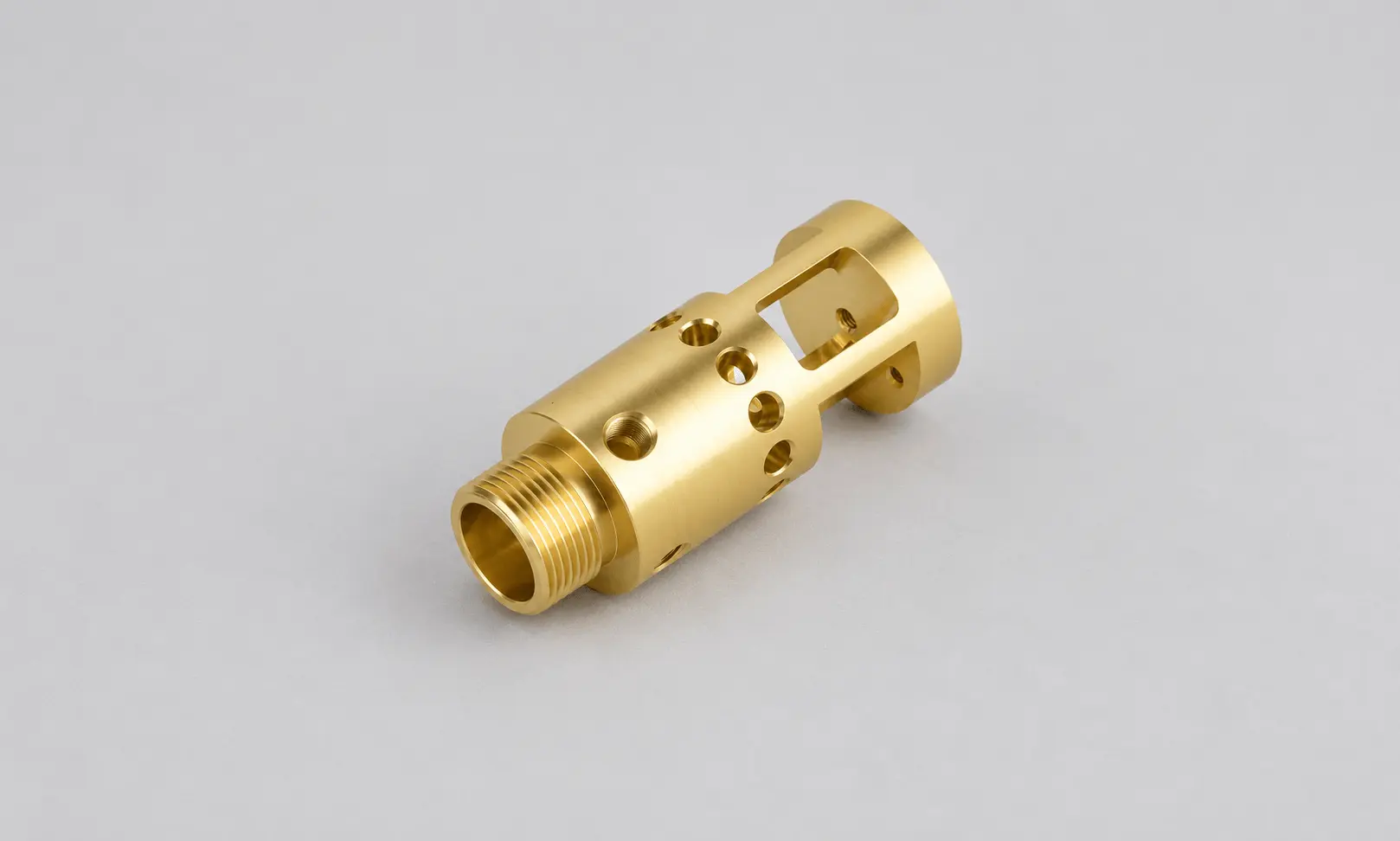
Tapping and Threading: What Is a Tapped Hole and How Does It Differ From a Threaded Hole?
Tapping is used to make internal threads with a tap. Threading is the broader term and includes processes such as tapping, thread milling, and thread inserts. On a CNC-machined part,...
View More 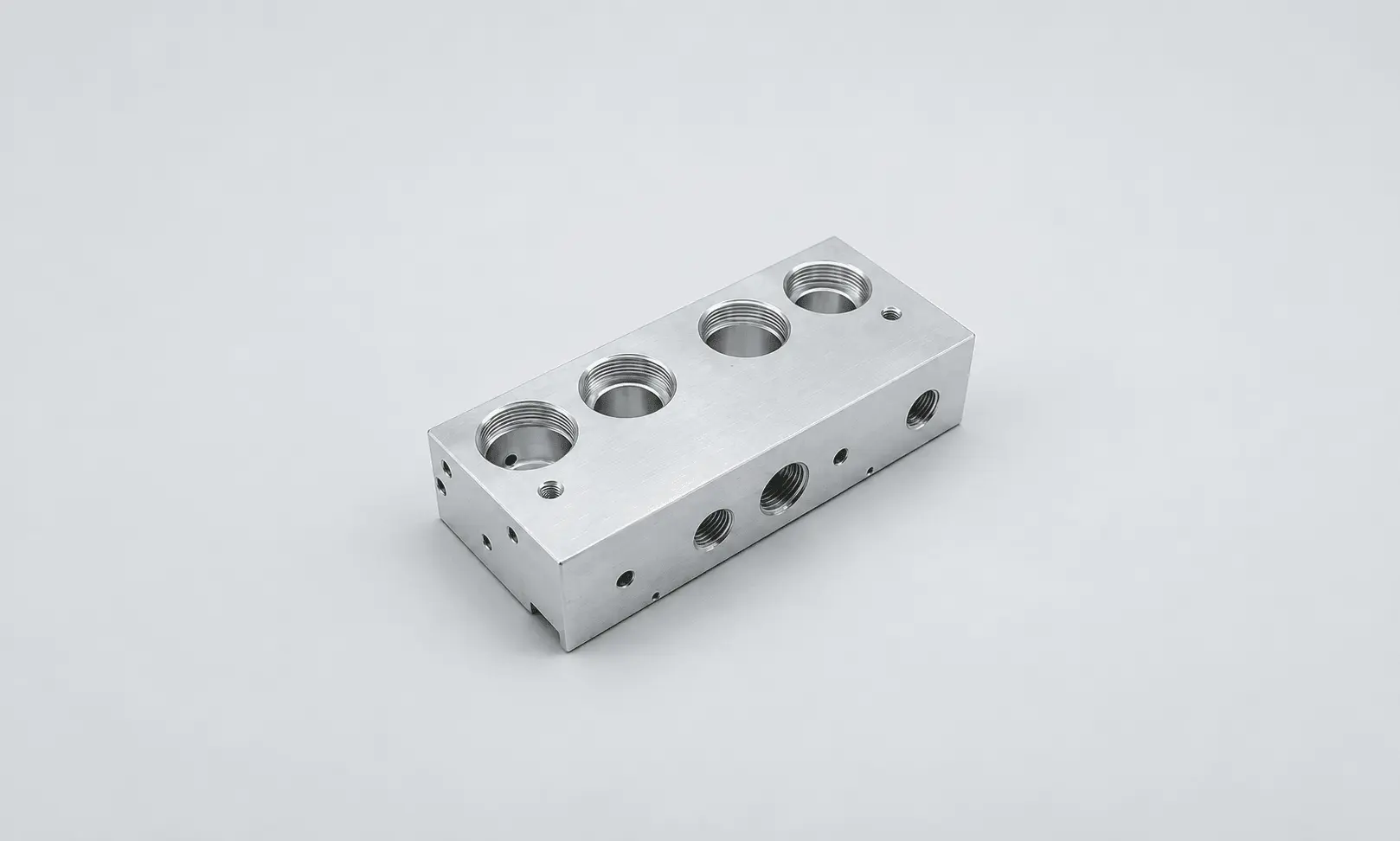
Multi-Process Manufacturing of a Professional Digital Mixer Chassis
One Chassis, Several Functional Requirements Mastars manufactured a sheet-metal chassis for a customer’s professional digital mixer project, connecting sheet metal fabrication, bending, painting, and printing within one coordinated delivery route....
View More 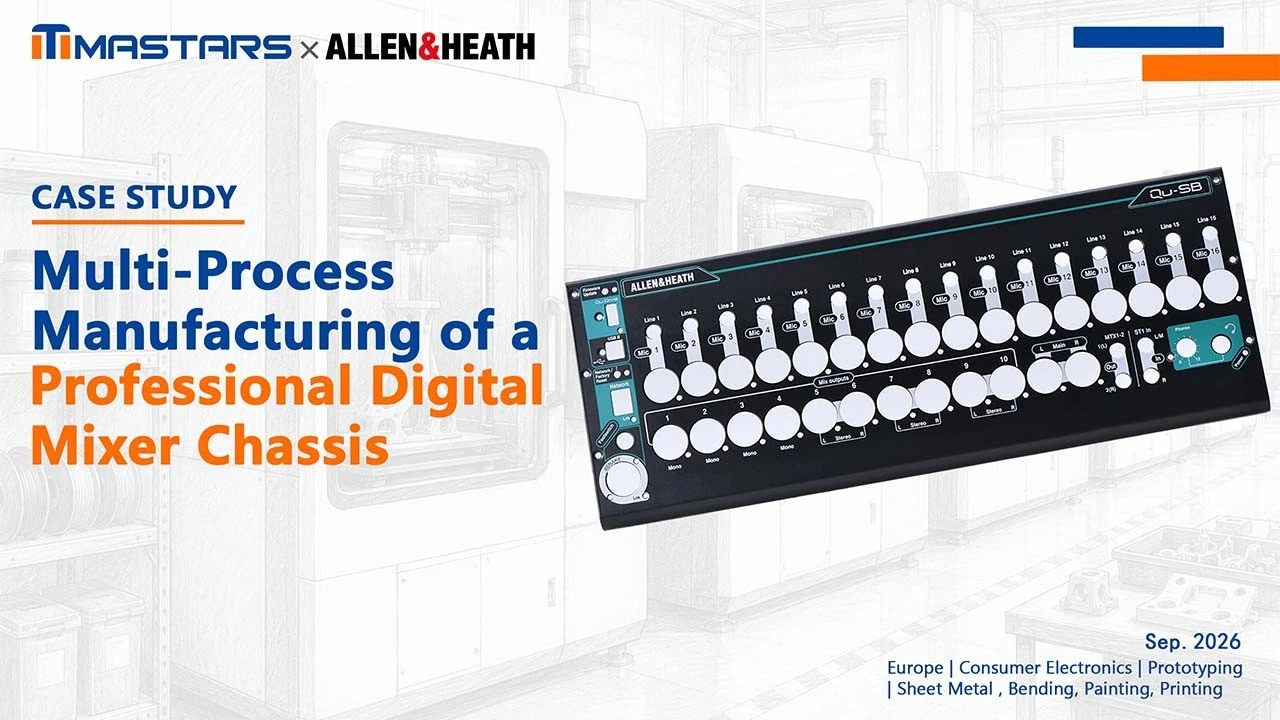
How to Find Yield Strength From Test Data and a Stress-Strain Curve
You can find yield strength from a tensile test by converting the load at yield into engineering stress using the specimen's original cross-sectional area: Yield strength: σy =FyA0 where Fy...
View More 
 Headquarters


