Industrial Equipments

Industrial Equipments
Industrial Equipment Manufacturing Services

Custom parts for equipment OEMs and machine builders, manufactured to your CAD files, drawings, and specifications.

  • Industrial, automation & agricultural equipment parts
  • Prototype, pilot & repeat production
  • MRO & legacy replacement parts
  • DFM review for fit, tolerances & assembly
ISO 9001:2015 | ISO 13485:2016 | IATF 16949:2016
Industrial Equipment Manufacturing Services
20+
Years of Manufacturing Experience
±0.002 mm
CNC Precision
15+ CMM
Inspection Capacity
100+
Engineering Professionals

Industrial Equipment: Prototype to Production

Each stage addresses a different risk—from fit and service access to operating conditions, process stability, and repeat production.
Prototype
EVT
DVT
PVT
Production
Prototype Development
Build early parts to evaluate geometry, assembly, access, and basic mechanical layout before committing to production tooling or processes.
Concept & Geometry Validation
Check overall part geometry, mounting positions, clearances, interfaces, and equipment packaging.
Fit & Assembly Checks
Verify housings, brackets, shafts, fasteners, panels, guards, and mating components during physical assembly.
Material Evaluation
Compare candidate metals and engineering plastics for stiffness, weight, wear, corrosion resistance, and expected operating conditions.
Design Iteration
Update CAD based on assembly findings, interference, accessibility, and early mechanical testing.
Engineering Validation Test
Verify critical interfaces and functional requirements using representative parts before the design is frozen.
Critical Dimension Verification
Inspect bearing seats, shaft fits, mounting holes, datums, sealing interfaces, and other assembly-critical dimensions.
Functional Prototype Builds
Produce components for load, stiffness, movement, fastening, sealing, and mechanical integration evaluations.
Tolerance Stack-Up Review
Evaluate accumulated variation across frames, housings, shafts, brackets, panels, and mating assemblies.
Manufacturing Feedback
Adjust tolerances, wall thickness, radii, machining access, bend geometry, draft, and other process-dependent features.
Design Validation Test
Confirm that the equipment components meet intended form, fit, function, material, and environmental requirements before production preparation.
Form, Fit & Function Validation
Confirm final assembly compatibility, alignment, mechanical interfaces, fastening, and service access.
Material & Surface Evaluation
Assess wear, friction, corrosion resistance, coating requirements, and surface conditions on functional or exposed areas.
Operating-Environment Review
Review material and finish requirements for vibration, moisture, dust, temperature, outdoor exposure, and other application conditions before design release.
Final Design Release
Resolve remaining revisions and prepare production-intent CAD, drawings, tolerances, materials, and finishing specifications.
Production Validation Test
Validate tooling, fixtures, manufacturing processes, and inspection methods before repeat production or production ramp-up.
Tooling & Fixture Validation
Verify molds, machining fixtures, welding fixtures, assembly fixtures, gauges, and locating features.
Process Validation
Confirm machining, molding, casting, forming, welding, finishing, and assembly parameters required for repeatable production.
FAI & Inspection Planning
Define first-article checks, critical dimensions, datums, inspection frequency, and suitable measurement methods.
Pilot Production
Run an initial batch to identify manufacturing, assembly, finishing, inspection, or supply risks before production ramp-up.
Production & Service Support
Move approved components into controlled repeat production while maintaining revision, quality, delivery, and replacement-part requirements.
Batch Production
Support low-volume, bridge, and ongoing production for industrial machinery, automation systems, and agricultural equipment.
Revision Control
Maintain current CAD files, drawings, specifications, and approved engineering changes for repeat orders.
Quality Control
Apply first-article, in-process, and final inspection according to part function and project requirements.
Replacement & Service Parts
Support repeat orders and replacement components for equipment maintenance, upgrades, and legacy machinery where drawings or reference parts are available.
Custom Industrial Equipment Components

Custom Industrial Equipment Components

Manufactured to your drawings, material specifications, tolerances, quantity, and finishing requirements—from one-off prototypes to repeat production and replacement parts.

Industrial Equipment Parts We Manufacture

Part Categories Typical Industrial & Agricultural Equipment Components
Machine & Mechanical Components Shafts, Bearing Housings, Bushings, Couplings, Gear Housings, Mounting Blocks, Machine Plates, Wear Parts
Pumps & Fluid-Handling Components Pump Housings, Valve Bodies, Manifolds, Flanges, Fluid-System Brackets
Jigs, Fixtures & Tooling Assembly Fixtures, Machining Fixtures, Inspection Fixtures, Gauges, Locating Plates
Housings & Control Enclosures Equipment Housings, Electronic Enclosures, Control Cabinets, Covers, Panels
Frames, Brackets & Guards Machine Frames, Structural Brackets, Mounting Plates, Guards, Support Structures
Conveying & Material-Handling Components Conveyor Brackets, Guide Components, Mounting Plates, Supports, Equipment Covers
Automation Equipment Components Sensor Mounts, Actuator Brackets, Motor Mounts, Machine Bases, Control Panels, Protective Covers
Agricultural & Heavy Equipment Components Tractor and Implement Parts, Harvester Components, Heavy-Duty Mounts, Hydraulic-System Components, Protective Guards
MRO & Replacement Parts Legacy Machine Parts, Wear Components, Replacement Brackets, Housings, Fixtures, and Service Parts

Materials & Manufacturing Processes

Select materials by load, wear, corrosion, temperature, operating environment, production quantity, and manufacturing process.
Material Category Available Materials Manufacturing Processes Typical Industrial Applications
Aluminum 6061, 7075 and selected grades CNC Machining; Sheet Metal Fabrication for suitable grades and conditions Housings, brackets, machine plates, lightweight frames, automation components
Stainless steel 304, 316 CNC Machining, Sheet Metal Fabrication Shafts, fluid-system parts, corrosion-resistant housings, brackets
Carbon & Alloy Steel Carbon Steel, selected Alloy Steels CNC Machining, Sheet Metal Fabrication Shafts, high-load brackets, structural parts, wear components
Die-Casting Alloys Aluminum, Zinc, Magnesium Pressure Die Casting, CNC Post-Machining Housings, covers, structural components, repeat-production metal parts
Titanium Alloys Ti-6Al-4V / TC4 CNC Machining, Metal 3D Printing Lightweight high-strength components and corrosion-resistant specialty parts
POM / Acetal POM / Delrin CNC Machining, Injection Molding Bushings, guides, sliding parts, low-friction mechanical components
Nylon / PA PA and selected reinforced grades CNC Machining, 3D Printing, Injection Molding Guides, housings, covers, brackets, functional plastic components
PC / ABS PC, ABS, PC/ABS CNC Machining, 3D Printing, Injection Molding Equipment housings, control covers, protective components
High-Performance Plastics PEEK and selected engineering grades CNC Machining, Injection Molding Heat-resistant, wear-resistant, insulating, and specialty mechanical parts
Elastomers Silicone, TPU, PU; process-dependent LSR / Silicone Molding, TPU 3D Printing, PU Vacuum Casting Seals, protective elements, flexible covers, grips, vibration-isolation parts
Tool Steel Selected grades by project CNC Machining, Heat Treatment Jigs, gauges, wear inserts, tooling components

Post-Processing for Industrial Equipment

Finishing should be planned around corrosion, wear, outdoor exposure, coating thickness, threads, sealing surfaces, and critical fits.
Process Applicable Materials Key Features Typical Industrial Applications
Anodizing Aluminum Improves corrosion and wear resistance; Type II and Type III options available Housings, brackets, machine plates, automation components
Passivation Stainless Steel Improves corrosion resistance without adding a dimensional coating Shafts, fluid-system parts, housings, precision interfaces
Sand / Bead Blasting Metals & Selected Plastics Creates a uniform matte surface and reduces visible machining marks Housings, covers, panels, visible machine components
Powder Coating Metals Durable protective coating with color options; outdoor-grade systems can be selected according to exposure requirements Frames, guards, cabinets, enclosures, agricultural equipment
Painting Metals & Plastics Provides custom color and additional cosmetic or environmental protection Covers, housings, panels, exterior equipment components
E-Coating Steel & Selected Metals Provides relatively uniform corrosion-resistant coating, including recessed and complex areas Brackets, frames, structural components, corrosion-sensitive parts
Chromate Conversion Coating Aluminum & Selected Alloys Thin conversion layer for corrosion protection with limited dimensional impact Housings, brackets, panels, electrical and mechanical components
Electroplating Metals Provides coating-dependent corrosion, wear, conductivity, or surface properties Hardware, shafts, functional metal parts, service components
PVD Coating Metals Thin, hard coating for improved wear and corrosion resistance Wear surfaces, precision components, specialty tooling
Polishing Metals & Plastics Reduces surface roughness and improves appearance or contact conditions Shafts, sliding parts, visible surfaces, selected mating areas
Laser Marking Metals & Plastics Permanent serial numbers, part IDs, and traceability markings Production identification, assembly tracking, replacement parts
Insert Installation Metals & Plastics Adds threaded inserts, fasteners, and assembly hardware Housings, panels, brackets, covers
Heat Treatment Metals Adjusts hardness, strength, wear resistance, or dimensional stability Shafts, wear parts, tooling, high-load mechanical components

What Our Customers Say

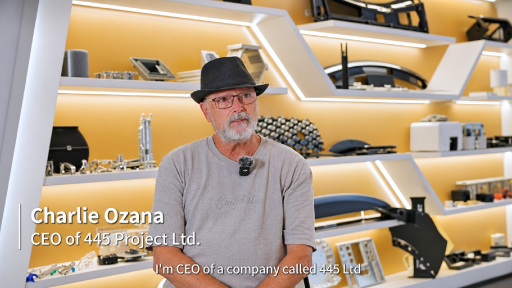
Charlie Ozana

Charlie Ozana

Company: 445 LTDJob Title: CEOBusiness: Full turnkey company
Mastars in all my projects are partners. So I get all the support that I need from engineering management, pricing, timetable, QA, everything is as a partner, not as a supplier. For me, Masters is like home.
Nathan Johnson

Nathan Johnson

Company: Gusto Global IndustriesJob Title: DirectorBusiness: Dust reduction system
They were such a lovely company to deal with, and we couldn't be more happier even to today down the track with even more products moving forward. Very professional, easy to deal with, get back to you straight away, contact is easy through WeChat and email, move forward as quickly as you can.
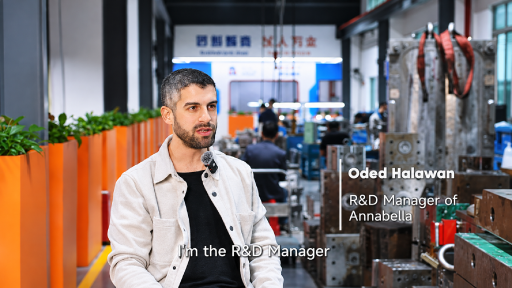
Oded Halawani

Oded Halawani

Company: Annabella Tech IsraelJob Title: R&D managerBusiness: Breast pump
We managed to make it in a very short time warm prototyping to mass production and FDA approval. That makes me feel confidence to choose Mastars.
Jade Harris

Jade Harris

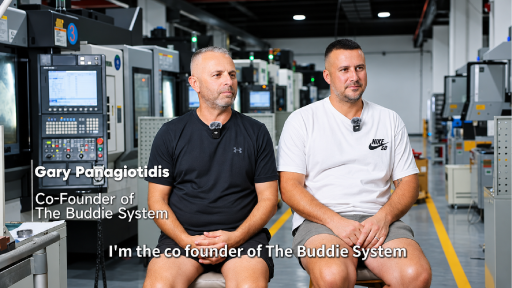
Company: Buddy SystemJob Title: Co-founderBusiness: Wireless instant safety alert device
We're glad that we found a company like Mastars to make the product for us because it's been so good to deal with. They're a really good company.
Dror Harel

Dror Harel

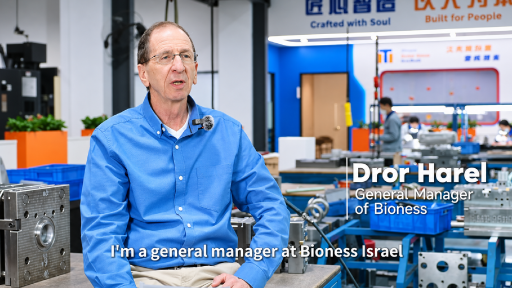
Company: BlonessJob Title: General ManagerBusiness: L300, H200
I think the relationship between the buyers and definitely between me the Mastars it's like a family relationship and this is why we are so happy to produce in Mastars and this is why we came for 15 years. By the way, now we came with a new product that we come to Master to produce for the new year.

Why Choose Mastars?

Quality Systems
ISO 9001:2015 supports controlled manufacturing and inspection, with CMM, FAI, in-process checks, and dimensional verification according to drawing and project requirements.
Engineering & Project Support
100+ engineering professionals support development and manufacturing, while tooling, quality, production planning, and delivery are coordinated across the project.
Manufacturing Experience
20+ years of manufacturing experience across new equipment development, fixtures, pilot builds, replacement parts, and repeat production.
Flexible Capacity
5+ production bases support one-off prototypes, pilot quantities, low-volume production, repeat orders, and MRO replacements as demand changes.
Industrial DFM Review
Fits, sealing areas, machining and weld access, bend geometry, wall thickness, datums, coating allowance, fastening, and service access are reviewed before manufacturing.
Integrated Manufacturing
CNC machining, sheet metal, metal casting, injection molding, 3D printing, tooling, finishing, assembly, and inspection are coordinated within one manufacturing program.

Ready to Manufacture Your Industrial Equipment Parts?

Industrial Equipment Manufacturing FAQs

  • What is industrial equipment manufacturing?

    Industrial equipment manufacturing is the production of custom parts, tooling, fixtures, subassemblies, and replacement components used in machinery, automation, material-handling systems, and agricultural equipment. For Mastars, it means manufacturing to customer CAD files, drawings, and specifications—not designing complete machines, controls, or automation systems from scratch.

  • What types of industrial equipment parts can Mastars manufacture?

    We manufacture shafts, bearing and gear housings, brackets, machine plates, pump and valve components, frames, guards, panels, enclosures, fixtures, gauges, conveyor components, agricultural equipment parts, and MRO replacements. Feasibility depends on geometry, size, material, tolerances, quantity, and required processes.

  • Do you manufacture agricultural equipment and farm machinery parts?

    Yes. We support components for tractors, implements, harvesting equipment, irrigation and fluid systems, material-handling equipment, guards, mounts, frames, and replacement parts. Agricultural applications often require additional attention to vibration, impact, wear, moisture, dirt, corrosion, outdoor exposure, and serviceability.

  • Which manufacturing process is best for my industrial equipment part?

    It depends on the part. CNC machining suits shafts, precision housings, valve components, and critical interfaces. Sheet metal is better for frames, guards, cabinets, and panels. Injection molding suits repeat-production plastic parts, while die casting suits repeat-production metal housings and structural components. 3D printing works well for prototypes, fixtures, and low-volume complex components.

  • Can you support both prototypes and low-volume production?

    Yes. Mastars supports one-off prototypes, engineering builds, pilot quantities, low-volume production, and repeat orders. A successful prototype does not automatically mean the design is production-ready; tooling, production materials, tolerances, process stability, finishing, and inspection requirements may still need to be validated.

  • Can Mastars manufacture jigs, fixtures, gauges, and production tooling?

    Yes. We can manufacture machining fixtures, assembly fixtures, welding fixtures, locating plates, inspection fixtures, gauges, drill guides, and other production aids. Datum strategy, locating features, clamping access, repeatability, and wear surfaces usually matter more than cosmetic appearance for these parts.

  • Can you reproduce a legacy part if the original CAD is unavailable?

    Often yes. A suitable reference part can help us assess geometry and functional interfaces when drawings are incomplete or unavailable. We do not simply copy worn dimensions: critical fits, intended function, material, heat treatment, coatings, and visible wear should be reviewed before a replacement design is released.

  • What tolerances can you achieve on industrial equipment components?

    It depends on the process, material, geometry, part size, and feature. CNC machining capability can reach approximately ±0.002 mm on suitable features, but this should not be treated as a blanket tolerance for every part. Critical interfaces should be identified on the drawing and toleranced according to function.

  • Can you manufacture large industrial enclosures, guards, or frames?

    Yes, subject to part size, material thickness, tolerances, fabrication route, and available equipment capacity. Large assemblies may involve cutting, bending, welding, machining, hardware installation, and finishing. Send the CAD model or drawing so bend access, weld distortion, handling, and inspection requirements can be reviewed first.

  • What materials and finishes are suitable for harsh industrial or agricultural environments?

    It depends on the exposure. Aluminum, stainless steel, alloy steel, engineering plastics, and elastomers can be selected according to load, wear, corrosion, temperature, moisture, and chemical exposure. Finishes such as anodizing, passivation, powder coating, E-coating, plating, and conversion coating can add protection where appropriate.

  • How does DFM review reduce industrial equipment manufacturing risk?

    DFM identifies features that can increase cost, distortion, lead time, or inspection difficulty before production begins. Typical checks include tolerance selection, machining access, wall thickness, bend geometry, draft, weld access, fastening, datum structure, coating allowance, sealing interfaces, and assembly relationships.

  • How do you control quality and material traceability?

    Quality control is defined around the drawing and part function. Mastars can apply first-article inspection, CMM measurement, in-process inspection, final inspection, and dimensional verification according to project requirements. If material certificates or traceability records are required, specify them during quotation so availability can be confirmed for the selected material and process.

  • Can you support repeat orders after a design change?

    Yes. Updated CAD files, drawings, specifications, and approved revisions should be clearly identified before each repeat order. Revision control is especially important for industrial equipment because visually similar components may belong to different machine generations or configurations.

  • How quickly can industrial equipment parts be produced?

    Suitable prototype parts can be delivered in as fast as 3 days. Actual lead time depends on the manufacturing route, geometry, material, quantity, tolerances, finishing, and inspection requirements. Welded assemblies, tooling, molded or cast parts, heat treatment, and multi-step finishes typically require more time.

  • What information should I send for a quote?

    Rough information is fine to start. STEP/STP or IGES files are preferred for most 3D machined or molded parts, DWG/DXF for sheet metal geometry, PDF for technical drawings, and STL for suitable additive prototypes. Include material, quantity, critical dimensions or GD&T, finishes, and operating requirements where available.

  • How should I choose a manufacturer for industrial equipment parts?

    Look beyond the machine list. Check whether the supplier can manufacture your actual part types, combine the required processes, review DFM, inspect critical interfaces, control drawing revisions, support your quantities, and provide the required quality documentation. For MRO projects, also ask how obsolete parts and repeat orders are handled.

Tell Us About Your Project

Share your project details and files with us. Rough information is fine to start. Our engineering consultant will contact you within 24 hours.

Verification code