



 English





A Refined Finish Starts with Manufacturing Planning
Core77 is an international design community that brings together designers, design studios, and creative professionals worldwide. With a long-standing focus on industrial design and other creative disciplines, Core77 provides a platform through its Design Awards for outstanding designers and teams to showcase their work and gain industry recognition.
As an important part of this design event, the trophies represent more than recognition of outstanding achievements. Their design and manufacturing must also meet high standards for structural precision, material quality, and attention to detail. Mastars is honored to have been involved in manufacturing the trophies for this year’s Core77 Design Awards, turning design concepts into physical pieces that combine precision and refined aesthetics. We extend our sincere congratulations to all the award-winning designers and teams, celebrating their creativity and outstanding design achievements.
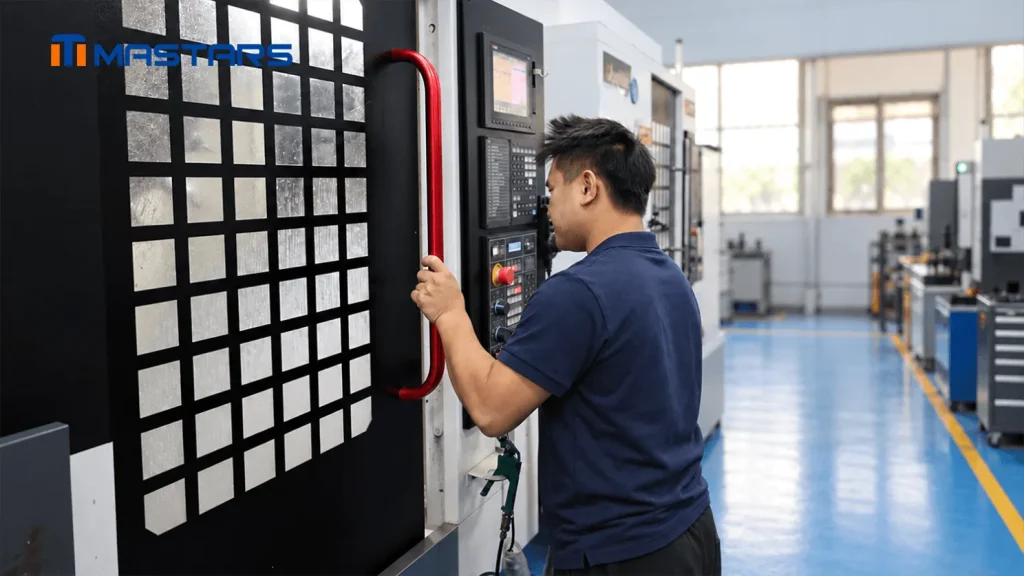 A Mastars operator oversees CNC machine operation and monitors the machining process.
These aluminum trophies required not only accurate structural dimensions but also a refined and consistent appearance. Surface texture, edge details, and personalized engraving all play an important role in determining the quality of the finished pieces.
Using 6061-T6 aluminum as the raw material, Mastars provided a one-stop manufacturing solution, coordinating CNC machining, bead blasting, anodizing, secondary precision machining, polishing, and personalized engraving to complete the entire process from raw material to finished trophies.
The key to this project was coordinating and integrating different manufacturing processes within a unified production plan. By maintaining consistent requirements at each stage, we ensured control over dimensional accuracy, surface finish, and engraving details, aligning the original design requirements with final product quality.
Why Sequence Matters
The product combines bead blasting, anodizing, and polishing to achieve the required appearance. Each operation changes the surface, making the manufacturing sequence essential.
Initial CNC machining establishes the exterior geometry while leaving stock inside the cavity. Bead blasting and anodizing follow, treating both the exterior and the cavity.
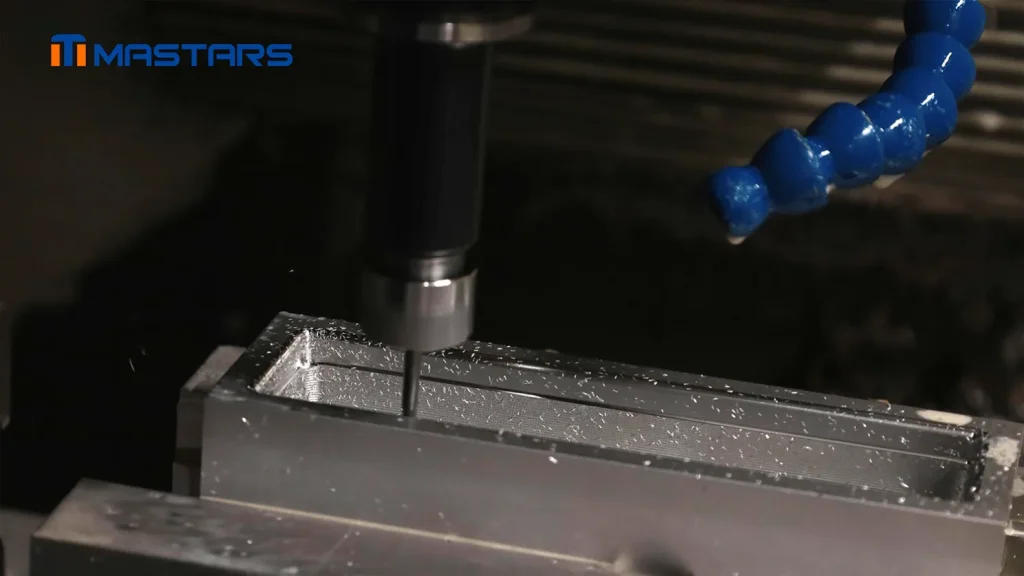
The workpiece then returns for secondary CNC milling to remove the remaining cavity stock and interior anodic coating. Throughout this operation, the finished exterior requires protection.
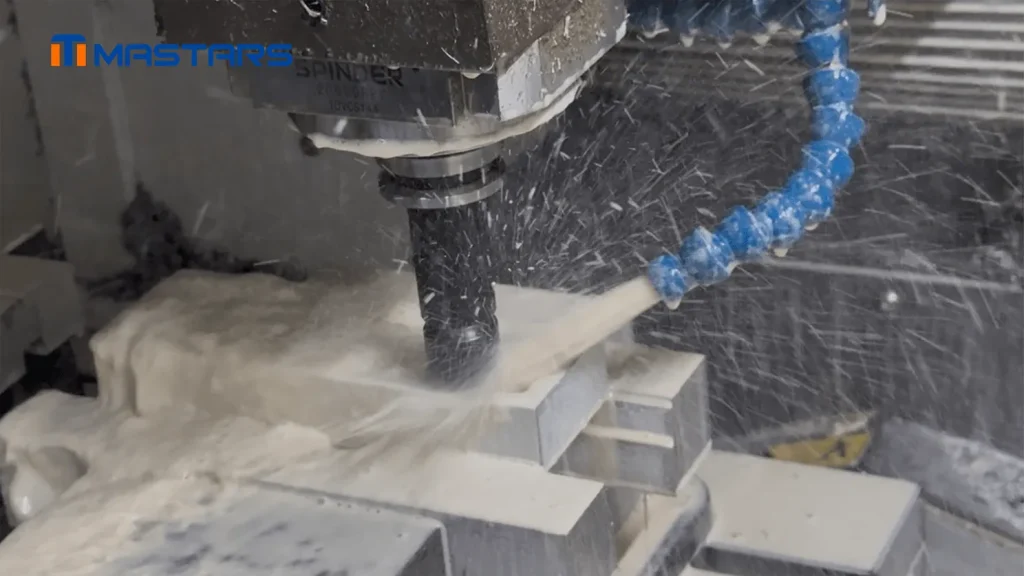 Coolant-assisted CNC machining, with cutting fluid directed at the workpiece during the milling process.
After the remaining machining is complete, the product is cleaned, degreased, and polished according to its appearance requirements. Personalized engraving comes last, protecting the lettering from subsequent cutting or polishing.
The sequence directly affects the dimensions and appearance of the finished trophy.
How Mastars Connects the Processes
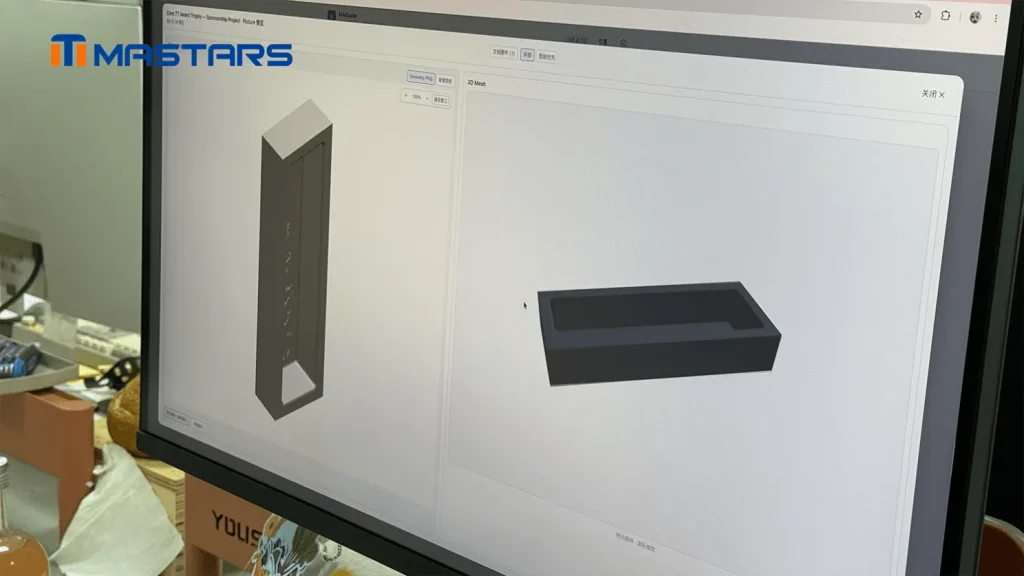
Mastars incorporates finishing requirements into the machining plan through allowance control, fixture planning, and surface protection.
Cavity allowances account for anodizing and secondary milling. Surfaces requiring polishing are planned around both machining and polishing removal to preserve the final dimensions.
For the elongated workpiece, controlled clamping force helps limit deformation. Protective pads reduce marking, while orientation checks before reverse-side machining help prevent setup errors.
Suitable aluminum finishing tools, adequate coolant, and controlled feed rates help reduce tool marks and material buildup. Burr removal prepares the workpiece for subsequent finishing.
The coordinated route includes:
- Initial CNC machining — Established the exterior and retained cavity stock.
- Bead blasting and anodizing — create the required exterior texture.
- Secondary CNC machining — removed cavity stock and anodic coating, then completed the remaining finish machining.
- Cleaning and degreasing — remove cutting oil, chips, and machining residue.
- Product polishing — finished on the designated surfaces while controlling material removal.
- Personalized engraving — verify and apply the text assigned to each piece.
- Final inspection — check dimensions, appearance, and lettering.
Identical Geometry, Individual Lettering
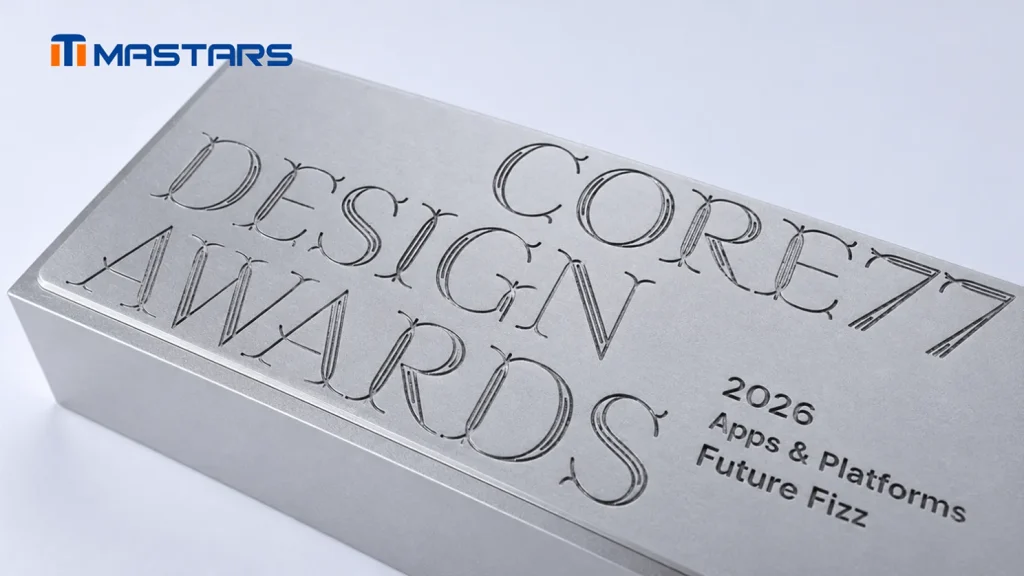
Although the trophies share the same geometry, each carries different text.
Mastars uses individual identification and controlled handling to keep every workpiece matched to its engraving instructions. Text is verified before engraving, followed by checks for clarity, completeness, and consistency.
Personalization is part of the finished product’s quality and requires the same attention as machining and surface finishing.
From Raw Material to Finished Product
Final inspection covers cavity dimensions, relevant surface flatness, clamping deformation, and appearance. The anodized exterior is checked for uniformity and surface damage; The remachined cavity is checked for remaining anodic coating. Polished surfaces and lettering are verified against their respective requirements.
By coordinating material, machining, finishing, and personalization, Mastars gives the customer one connected manufacturing route and reduces the work of managing separate process handoffs.
Does your metal product combine multiple machining and finishing requirements?
Share your drawings and appearance specifications with Mastars to plan a one-stop route from raw material to finished product.

Mastars, the most trusted one-stop manufacturing services provider for low-volume production worldwide!
 Headquarters


