
Personal Care Molds

Personal Care Mold Manufacturing Services

Custom industrial injection molds for personal care products and cosmetic packaging.

  • Closures, dispensing & personal-care components
  • 1K, 2K, overmolding, LSR & multi-cavity molds
  • High-cavitation, hot-runner & complex ejection
  • Cosmetic surface, sealing & assembly control
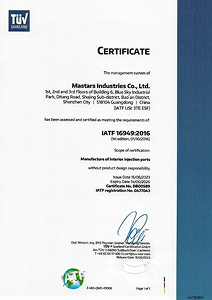
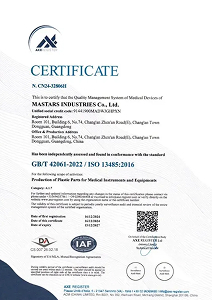
ISO 9001:2015 | ISO 13485:2016 | IATF 16949:2016

Personal Care Mold Manufacturing Services
0.002 mm
Critical Tooling Precision
≤ 48 Hours
DFM Report
5+
Production Bases
100+
Engineering Professionals

Personal Care Mold Manufacturing Capabilities

Caps & Closure Molds
Tooling for shampoo and conditioner caps, flip-top closures, screw caps, wide-mouth caps, tamper-evident closures, and child-resistant closures, with threads, hinges, sealing, and ejection designed together.
Get a Quote
Cosmetic Packaging Molds
Personal care packaging molds for cosmetic jars, cream containers, body-care packaging, lids, and visible components requiring controlled gloss, texture, parting lines, gate marks, and dimensional consistency.
Get a Quote
Pump, Dropper & Applicator Molds
Tooling for lotion and foam pumps, sprayers, droppers, pipettes, valves, dispensers, and applicators requiring small functional features and repeatable assembly.
Get a Quote
Toothbrush & Razor Molds
1K, 2K, and overmolding tooling for toothbrush components, razor handles, soft-touch grips, and other hygiene products using rigid plastics, TPE, TPU, or silicone.
Get a Quote
High-Cavitation & Hot-Runner Molds
Multi-cavity, stack, and hot-runner tooling with valve-gate and In-Mold Closing options for high-volume caps and closures where cavity balance, cycle time, and gate appearance matter.
Get a Quote
Unscrewing & Complex Ejection Molds
Tooling with unscrewing cores, collapsible cores, side actions, and servo-driven unscrewing for threaded closures, undercuts, internal features, and parts that cannot release with straight ejection.
Get a Quote

Personal Care Mold Design & Validation Considerations

Personal care tooling often combines thin walls, visible surfaces, closures, frequent color changes, and high-volume production. Filling, cooling, gating, ejection, material interfaces, cavity balance, and wear should be reviewed before steel is cut.
Engineering Area What We Review Why It Matters
Threads & Closures Threads, snap-fits, tamper bands and sealing surfaces Controls closure fit, sealing and opening performance
Flip-Top Hinges Hinge thickness, flex zone, filling and ejection Reduces hinge damage, flash and inconsistent opening
Hot Runner & Valve Gates Runner layout, gate position, melt balance and vestige Supports high-cavity filling while reducing visible gate marks
Thin Walls & Filling Wall thickness, flow length, pressure and fill balance Reduces short shots and uneven filling
Cooling & Warpage Hot spots, wall transitions, cooling layout and shrinkage Improves roundness, flatness and dimensional stability
Multi-Cavity Balance Runner balance and cavity-to-cavity variation Improves repeatability at higher production volumes
2K & Overmolding Material compatibility, interface geometry and shutoffs Supports soft-touch grips, seals and multi-material parts
Complex Ejection Threads, undercuts, sliders, collapsible cores and unscrewing Prevents damage during release from complex tooling
Color Change & Purging Runner volume, dead spots, material residence time and purge path Reduces color carryover and downtime between SKUs
Cosmetic Surfaces Gloss, texture, parting lines, weld lines, flash and gate marks Protects visible branded surfaces
Maintenance & Wear Gates, sliders, threads, hinge inserts, cores and replaceable inserts Reduces dimensional drift and downtime during repeat production
Custom Personal Care Mold Tooling

Custom Personal Care Mold Tooling

Mold configuration is matched to part geometry, resin, annual volume, cosmetic requirements, closure or dispensing function, and target tool life. Mastars adjusts steel, cavitation, runner and cooling, ejection, and replaceable wear components to balance cycle time, consistency, maintenance, and piece-part cost.

Personal Care Tooling Materials

Common molded materials include PP, PE, PET, SAN, ABS, PC, TPE/TPU, and LSR. Mold steel should be selected with resin, surface finish, annual volume, corrosion risk, wear, and target tool life—harder steel is not automatically the better choice.
S136 Stainless Steel
NAK80 Steel
718H Steel
H13 / SKD61 Steel
S136 Stainless Steel

S136 combines corrosion resistance, high polishability, and hardened performance for long-life cosmetic and closure tooling.

Key Characteristics

• Approx. HRC 48–52 after hardening

• High corrosion resistance

• Excellent polishability

• Good dimensional stability

A strong choice for visible surfaces and long production runs. High-wear gates, threads, and shutoffs may still benefit from replaceable hardened inserts.

Typical Applications

Cosmetic jars, high-gloss caps, closures, transparent parts, precision cavities, and molds exposed to corrosive additives or frequent cleaning.

NAK80 Steel
NAK80 Steel
NAK80 Steel
NAK80 Steel
NAK80 Steel
NAK80 Steel
NAK80 Steel
NAK80 Steel
NAK80 Steel

NAK80 is a pre-hardened mold steel with good machining stability and excellent surface finishing for cosmetic personal care parts.

Key Characteristics

• Approx. HRC 37–43 pre-hardened

• Excellent polishability

• Good EDM response

• Stable machining performance

Well suited to cosmetic tooling, but very high-volume or abrasive applications may require harder steel or localized wear inserts.

Typical Applications

Beauty packaging, cosmetic housings, caps, lids, applicators, and molds requiring polished or textured visible surfaces.

718H Steel
718H Steel
718H Steel
718H Steel
718H Steel
718H Steel
718H Steel
718H Steel
718H Steel

718H balances machinability, mold stability, polishability, and cost for general personal care production tooling.

Key Characteristics

• Approx. HRC 33–37 pre-hardened

• Good machinability

• Good polishability

• Stable for larger cavities

A practical choice for medium- to high-volume tooling. Critical threads, shutoffs, gates, and high-wear areas may need harder inserts for longer runs.

Typical Applications

Bottles, jars, lids, razor handles, toothbrush components, housings, and general-purpose production molds.

H13 / SKD61 Steel
H13 / SKD61 Steel
H13 / SKD61 Steel
H13 / SKD61 Steel
H13 / SKD61 Steel
H13 / SKD61 Steel
H13 / SKD61 Steel
H13 / SKD61 Steel
H13 / SKD61 Steel

H13 / SKD61 provides high toughness and wear resistance for localized tooling components exposed to repeated pressure and mechanical contact.

Key Characteristics

• Approx. HRC 48–52 after hardening

• High toughness

• Good wear resistance

• Good hot hardness

Usually more valuable in localized wear areas than as the entire mold. Geometry, cooling, alignment, lubrication, and maintenance still strongly affect component life.

Typical Applications

Core pins, gate inserts, threads, sliders, unscrewing components, shutoffs, and replaceable wear parts in high-cavity molds.

Surface Finishing Options

For personal care products, surface finish is part of the tooling decision. Texture, gloss, coating, and decoration can affect draft, mold release, gate visibility, wear, and mating dimensions.
Finish / Process Best For Engineering Consideration
Mold Texture (Mold-Tech) Matte, fine grain and patterned surfaces Deeper texture requires more draft and affects release
High-Gloss Polishing Cosmetic jars, caps, lids and glossy packaging Mold surface quality transfers directly to the part
Painting Custom colors and branded packaging Resin and surface preparation affect adhesion and color consistency
UV Coating High-gloss and scratch-resistant cosmetic surfaces Coating buildup should be controlled near fits and interfaces
Soft-Touch Coating Tactile housings and handheld surfaces Suitable for feel; for durable grip or elastomer performance, 2K or overmolding is usually more appropriate
Screen Printing Logos, text and larger graphics Best on flat or slightly curved areas
Pad Printing Small logos and curved cosmetic parts Suitable for irregular geometry but limited print area
Laser Marking Permanent logos, codes and identification Contrast depends on resin, pigment and additives
Electroplating Metallic cosmetic finishes and decorative parts Confirm electroplatable resin, pretreatment and masking; coating thickness can affect mating areas

Personal Care Mold Tolerances & Precision

Tooling precision and molded-part tolerance are not the same. Final part variation depends on resin shrinkage, geometry, wall thickness, cavity layout, and molding conditions. Tight control is most useful on closure, sealing, dispensing, and assembly interfaces.
Precision Area Typical Capability Personal Care Applications Engineering Consideration
Critical Tooling Precision Down to 0.002 mm Selected cavity, core, shutoff and closure tooling features Tooling capability; not a molded-part tolerance
CNC Mold Machining Down to 0.005 mm Core and cavity inserts, sliders and mold components Depends on feature depth, material and setup
EDM Machining 0.003–0.005 mm Deep ribs, narrow slots, shutoffs and cavity details Useful where milling access is limited
Critical Molded Dimensions Down to ±0.05 mm Threads, snap-fits, seals and assembly interfaces Resin, geometry and process stability still affect variation
General Molded Dimensions ±0.10–0.30 mm Jars, caps, housings and packaging components Depends on resin, size and geometry
Hole & Boss Features ±0.05–0.10 mm Pump, applicator and assembly features Local shrinkage and cooling affect position and diameter
CMM Measurement Accuracy 0.0017 mm Mold components and critical dimensional inspection Supports verification of selected critical features

Personal Care Tooling Equipment & Manufacturing Capabilities

CNC Mold Machining

CNC Mold Machining

EDM & Wire-Cut Machines

EDM & Wire-Cut Machines

Mold Trial & Inspection

Mold Trial & Inspection

Why Choose Mastars for Personal Care Mold Tooling?

DFM Within 48 Hours
Review threads, hinges, walls, draft, gates, cavity balance, cooling, ejection, flash, warpage, and cosmetic surfaces before steel is cut.
20+ Years of Tooling Experience
Project engineers with 20+ years of industry experience support design review, mold trials, corrections, and production release with direct English technical communication.
In-House Toolmaking
CNC, EDM, grinding, fitting, polishing, assembly, and mold trials are managed within one tooling workflow.
Mold Flow & Cavity Review
Autodesk mold-flow analysis supports filling, runner balance, cooling, and warpage review before mold design is released.
T0/T1/T2 + FAI Validation
Trial parts are checked for dimensions, closure function, appearance, flash, warpage, and assembly before production release.
Maintenance-Ready Tooling
Replaceable inserts and serviceable gates, sliders, threads, cores, and other wear areas help reduce downtime during repeat production.

Certifications

ISO9001:2015 Certificate

ISO9001:2015 Certificate

IATF16949:2016 Certificate

IATF16949:2016 Certificate

ISO13485:2016 Certificate

ISO13485:2016 Certificate

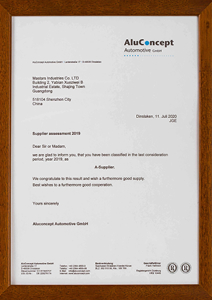
Medical A-Class Supplier

Medical A-Class Supplier

Partners

445 Projects
xylem
Bentley
Aston Martin
HARMAN
Annabella
Auer Lighting
NVIDIA
Compac
G4S
hs products
luxshareict
KK
Bioness
SGM
Nmble
Lear
LLEN&HEAT
belkin
DaAn Gene
MAGNA
pdd
Flite
simens
philips
maxwell
Land Rover

How to Work with Us

Share Your Project

Send a CAD file, drawing, or brief. Start with what you have.

Engineering Review & Quote

We review your requirements and confirm the process, price, and lead time.

We Make Your Parts

Once approved, we prepare the process and manufacture your parts.

Inspection & Delivery

We inspect, pack, and ship your finished parts.

What Our Customers Say

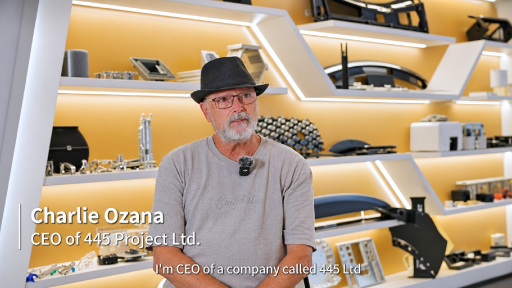
Charlie Ozana

Charlie Ozana

Company: 445 LTDJob Title: CEOBusiness: Full turnkey company
Mastars in all my projects are partners. So I get all the support that I need from engineering management, pricing, timetable, QA, everything is as a partner, not as a supplier. For me, Masters is like home.
Nathan Johnson

Nathan Johnson

Company: Gusto Global IndustriesJob Title: DirectorBusiness: Dust reduction system
They were such a lovely company to deal with, and we couldn't be more happier even to today down the track with even more products moving forward. Very professional, easy to deal with, get back to you straight away, contact is easy through WeChat and email, move forward as quickly as you can.
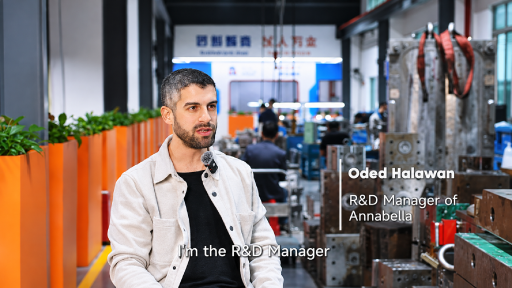
Oded Halawani

Oded Halawani

Company: Annabella Tech IsraelJob Title: R&D managerBusiness: Breast pump
We managed to make it in a very short time warm prototyping to mass production and FDA approval. That makes me feel confidence to choose Mastars.
Jade Harris

Jade Harris

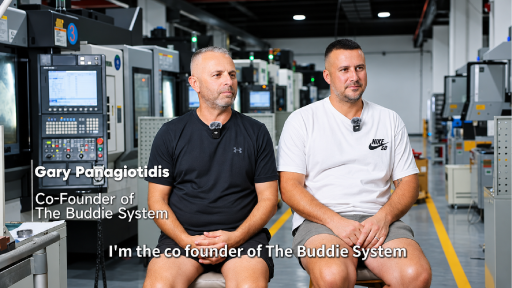
Company: Buddy SystemJob Title: Co-founderBusiness: Wireless instant safety alert device
We're glad that we found a company like Mastars to make the product for us because it's been so good to deal with. They're a really good company.
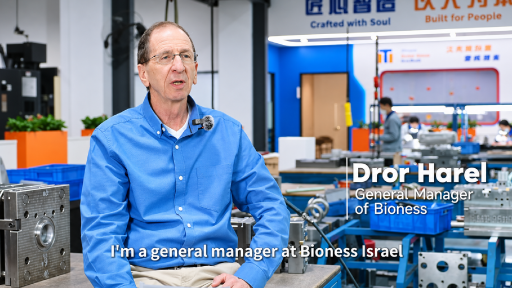
Dror Harel

Dror Harel

Company: BlonessJob Title: General ManagerBusiness: L300, H200
I think the relationship between the buyers and definitely between me the Mastars it's like a family relationship and this is why we are so happy to produce in Mastars and this is why we came for 15 years. By the way, now we came with a new product that we come to Master to produce for the new year.

Personal Care Mold Tooling FAQs

  • What types of personal care molds do you manufacture?

    We manufacture personal care injection molds for cosmetic packaging, shampoo caps, closures, jars, droppers, dispensers, toothbrush components, razor handles, applicators, and other beauty and hygiene products. Tooling includes 1K, 2K, overmolding, LSR, and multi-cavity configurations.

  • Do you make molds for handmade soap or bath bombs?

    No. This page focuses on industrial tooling for injection-molded personal care products and packaging. Silicone molds for handmade soap, bath bombs, and craft products are a different product category.

  • How long does a personal care injection mold take?

    It depends on complexity. T1 samples can be available in as fast as 10 days, with typical tooling and T1 lead times around 2–4 weeks. Multi-cavity tooling, textures, unscrewing, side actions, hot runners, or design revisions can extend the timeline.

  • What do you need to quote a personal care mold?

    A 3D CAD file is enough to start. For a more accurate quote, include resin, annual volume, critical dimensions, surface requirements, color, expected tool life, and any sealing or assembly requirements. Rough information is fine for an initial review.

  • What materials are commonly used for personal care molded parts?

    Common options include PP and PE for many closures and packaging components, PET and SAN where clarity or rigidity is important, ABS and PC for housings, TPE or TPU for soft-touch areas, and LSR for flexible valves and seals. Material choice also affects shrinkage, gating, cooling, surface finish, and mold steel selection.

  • Can you make 2K or overmolded personal care products?

    Yes. We support 2K molds, overmolding, and LSR tooling for products such as soft-touch razor handles, two-color toothbrush handles, TPE applicators, silicone valves, soft grips, and multi-material closures.

  • When should I use multi-cavity or high-cavitation tooling?

    Usually when the design is stable and annual volume justifies the added tooling investment. Multi-cavity, stack, hot-runner, or valve-gate tooling can increase output and reduce piece-part cost, but cavity balance, cooling, gate appearance, and maintenance become more important as complexity increases.

  • How long can a production personal care mold last?

    Typically 100,000 to 1,000,000+ cycles, depending on mold steel, resin, cavitation, molding conditions, wear areas, and maintenance. Long-running caps, closures, cosmetic packaging, toothbrush parts, and razor components may justify harder or replaceable wear components.

  • What happens if T1 samples do not meet my requirements?

    The mold or process is corrected based on what the samples show. We review dimensions, closure or assembly fit, filling, flash, warpage, and appearance, then adjust tooling or molding parameters before production approval. Additional trial rounds are normal when meaningful issues are identified.

Tell Us About Your Project

Share your project details and files with us. Rough information is fine to start. Our engineering consultant will contact you within 24 hours.

Verification code