

Vacuum Casting (Urethane Casting)

Vacuum Casting (Urethane Casting)
Vacuum Casting Services

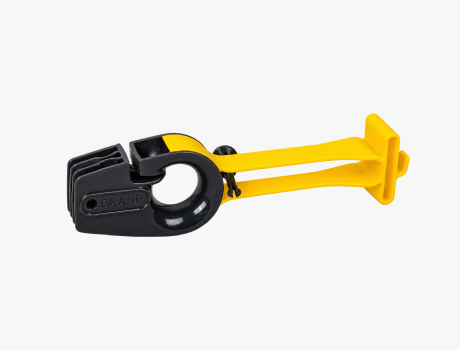
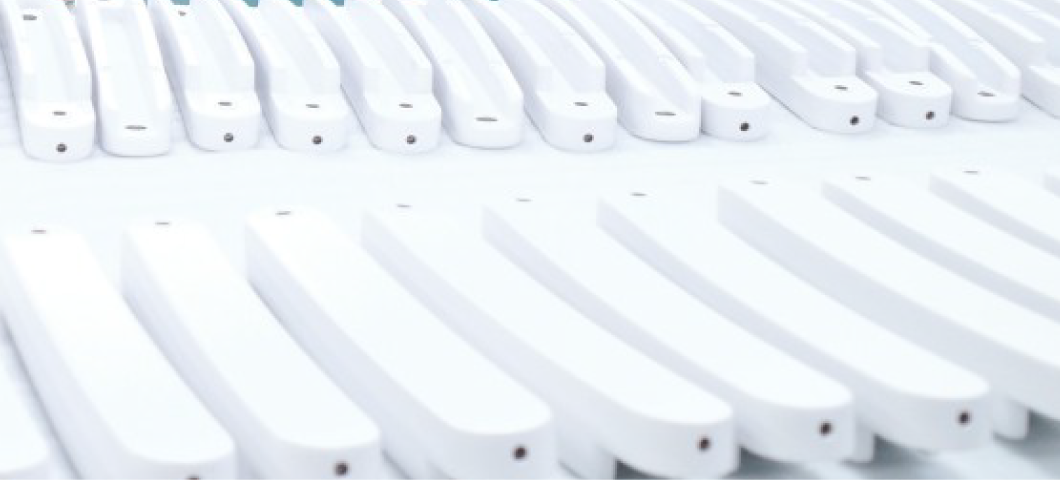
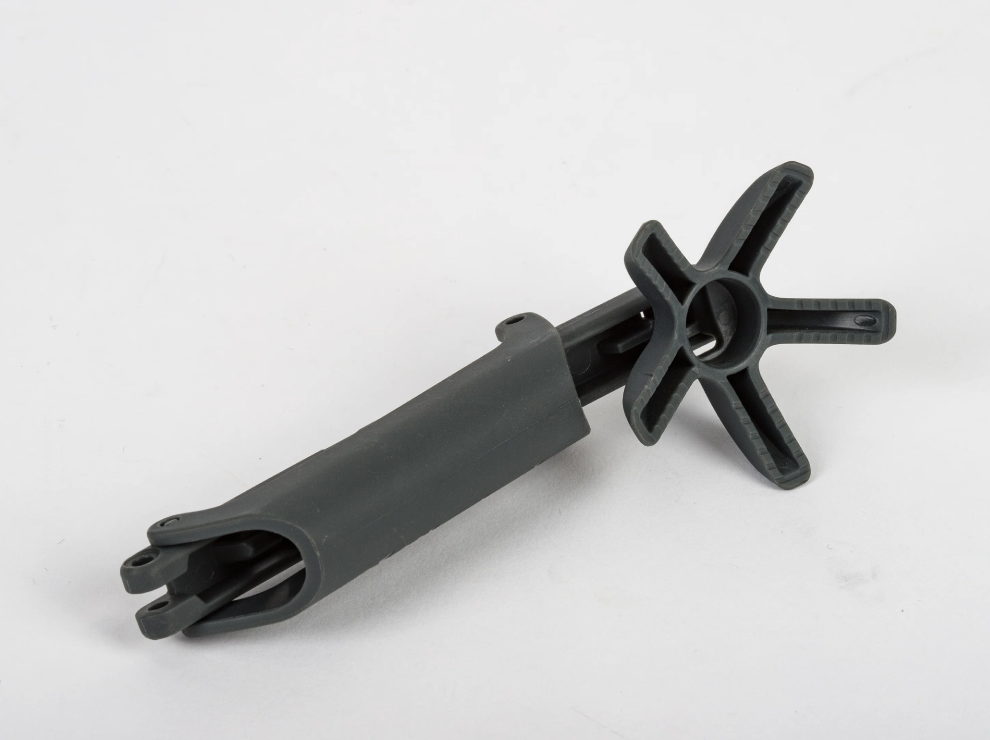
Urethane casting for production-like plastic and elastomer parts, from functional prototypes to low-volume builds without hard tooling.

  • ABS-like, PC-like, PP-like, clear & rubber-like resins
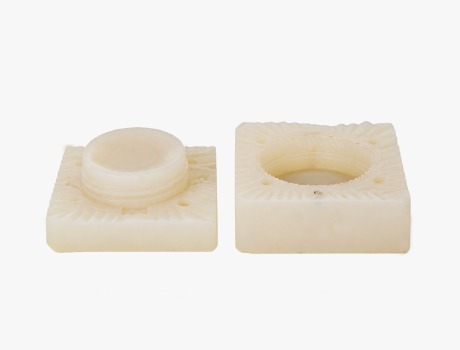
  • SLA/CNC masters with RTV silicone soft tooling
  • Complex undercuts, inserts & overmold-style features
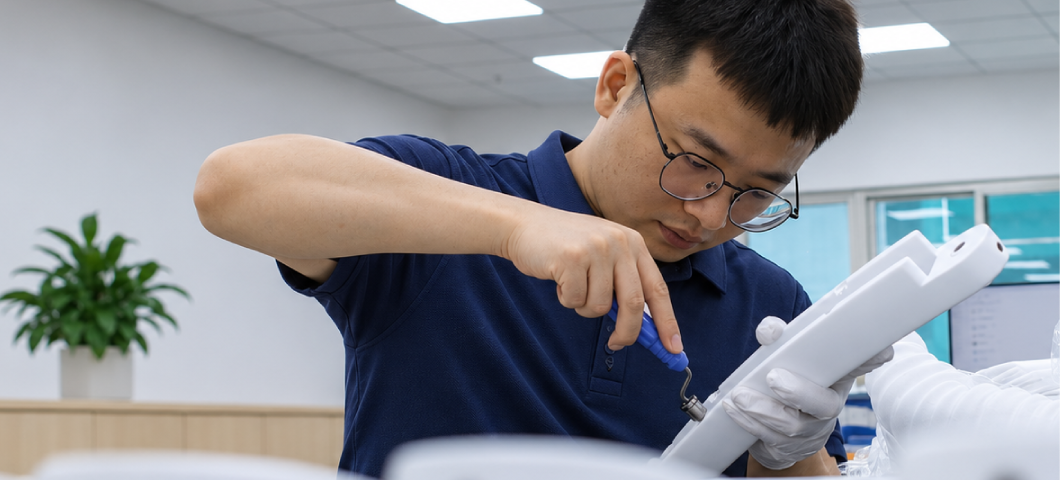
  • Color matching, texture, painting & polishing
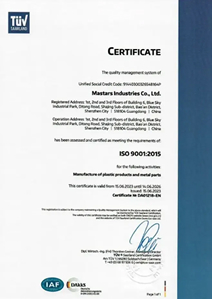
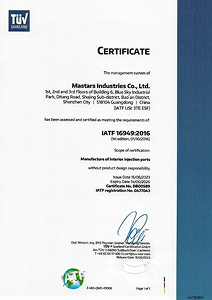
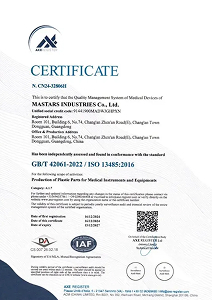
ISO 9001:2015 | ISO 13485:2016 | IATF 16949:2016
Vacuum Casting Services
800+
Global Customers
±0.3%
Casting Tolerance
7 Days
First Parts
100+
Engineering Professionals

Vacuum Casting Capabilities

Rigid Urethane Parts
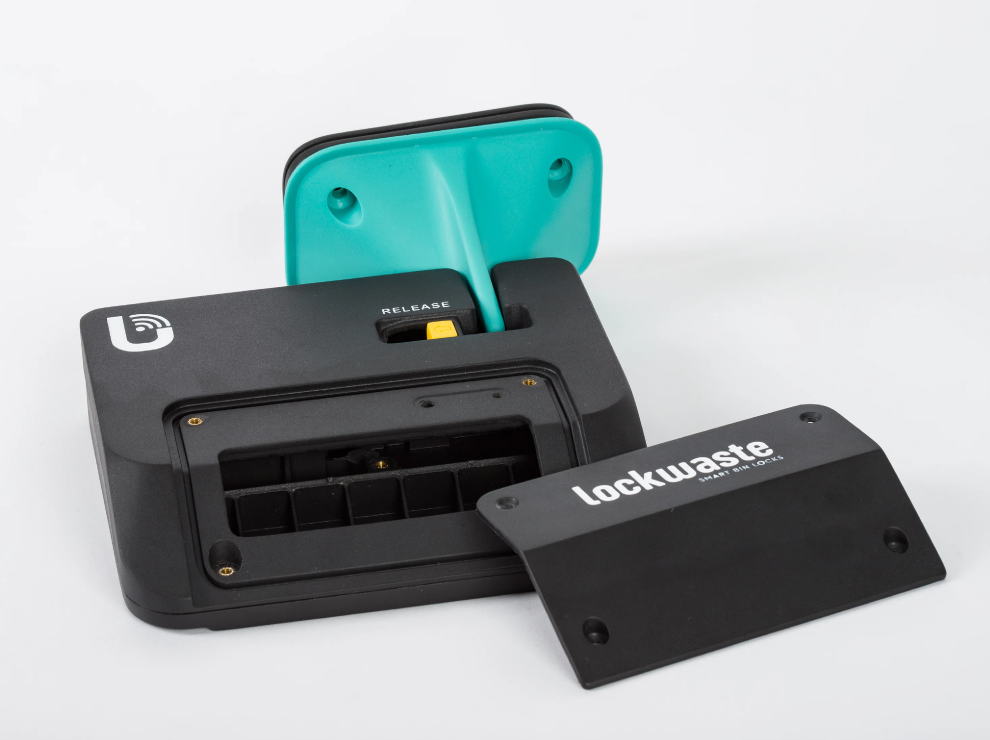
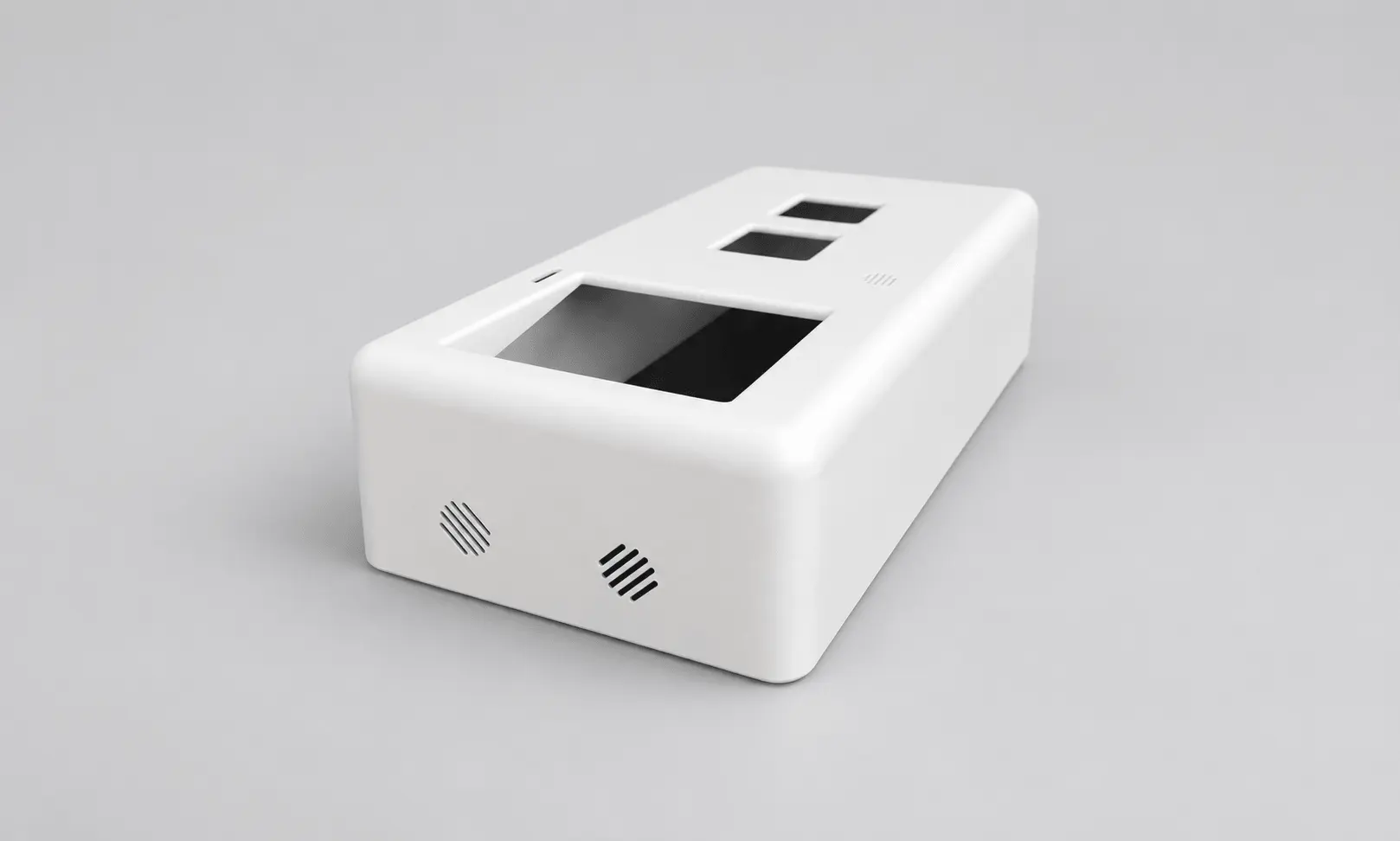
Cast housings, covers, brackets, and functional parts using ABS-like, PC-like, PP-like, nylon-like, and other rigid polyurethane systems.
Get a Quote
Flexible & Elastomeric Parts
Produce seals, pads, grips, boots, and soft-touch components with elastomeric systems across approximately Shore A 20–95.
Get a Quote
Large Vacuum Cast Parts
Support larger housings, covers, and prototype components up to approximately 2,200 × 1,200 × 1,000 mm and 7 kg, depending on geometry and resin.
Get a Quote
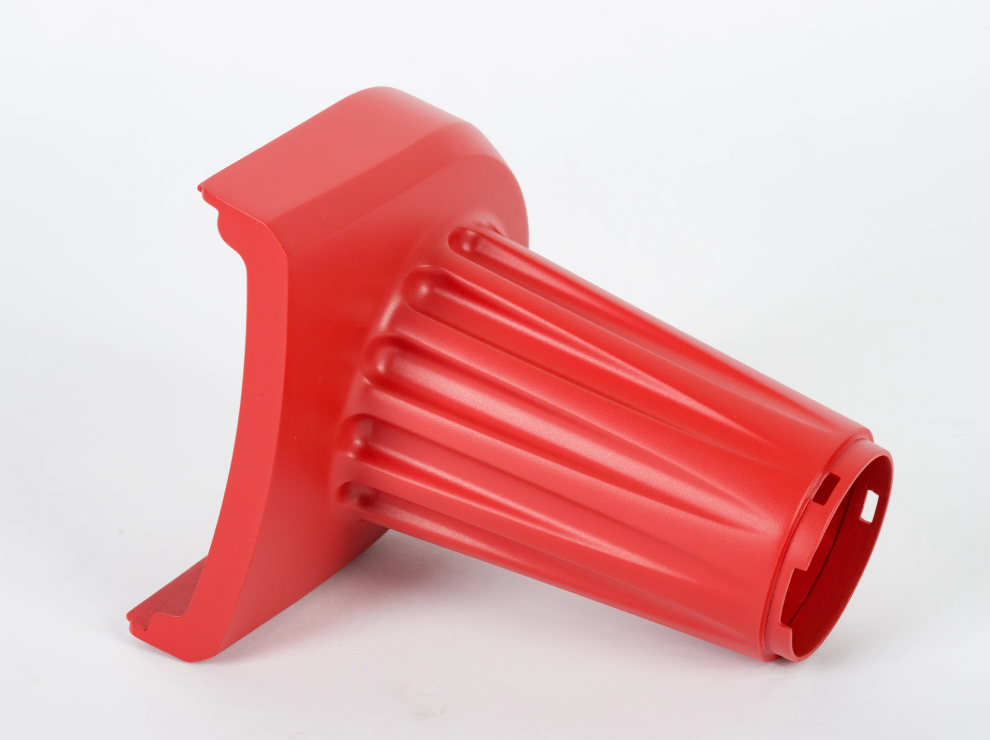
Complex Geometry & Thin Walls
Reproduce undercuts, curved surfaces, fine details, and wall sections down to about 0.75 mm, with 1.5 mm+ preferred for more stable casting.
Get a Quote
Inserts & Overmolded Features
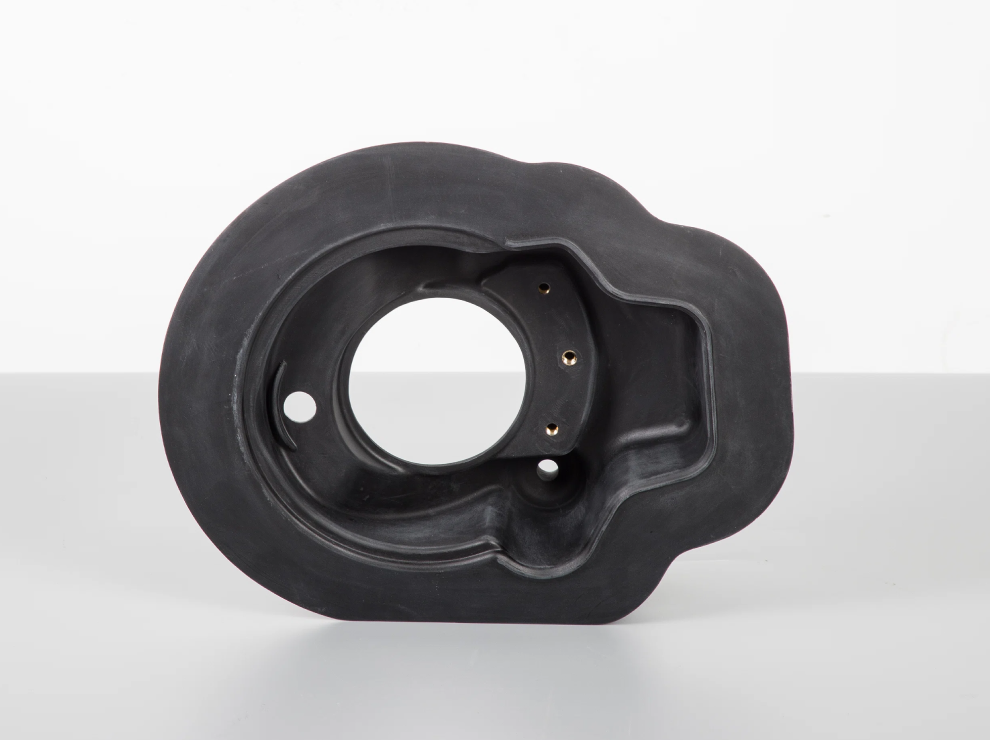
Cast around threaded inserts, metal components, or secondary materials where the prototype needs integrated hardware or multi-material functionality.
Get a Quote
Master Pattern & Soft Tooling
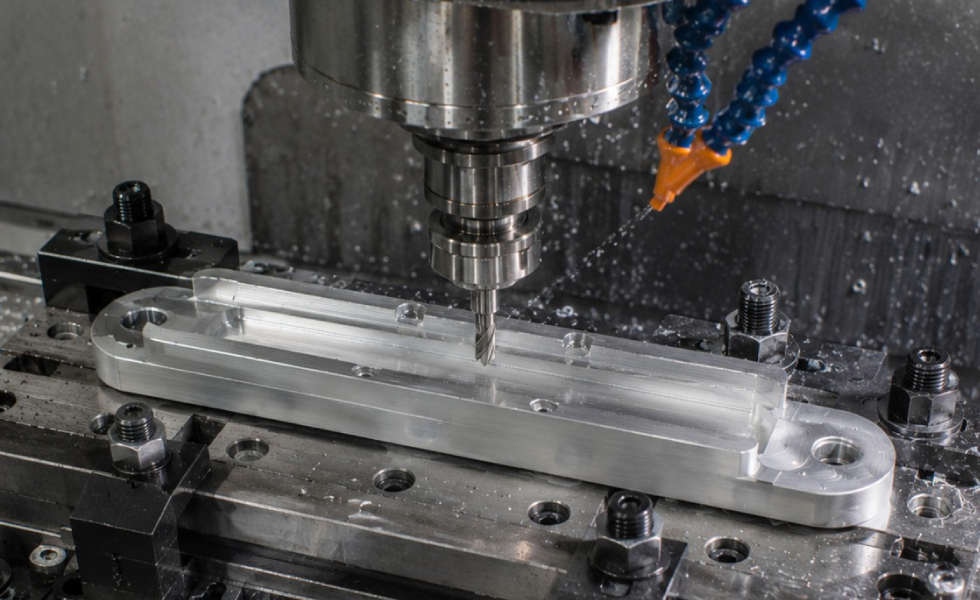
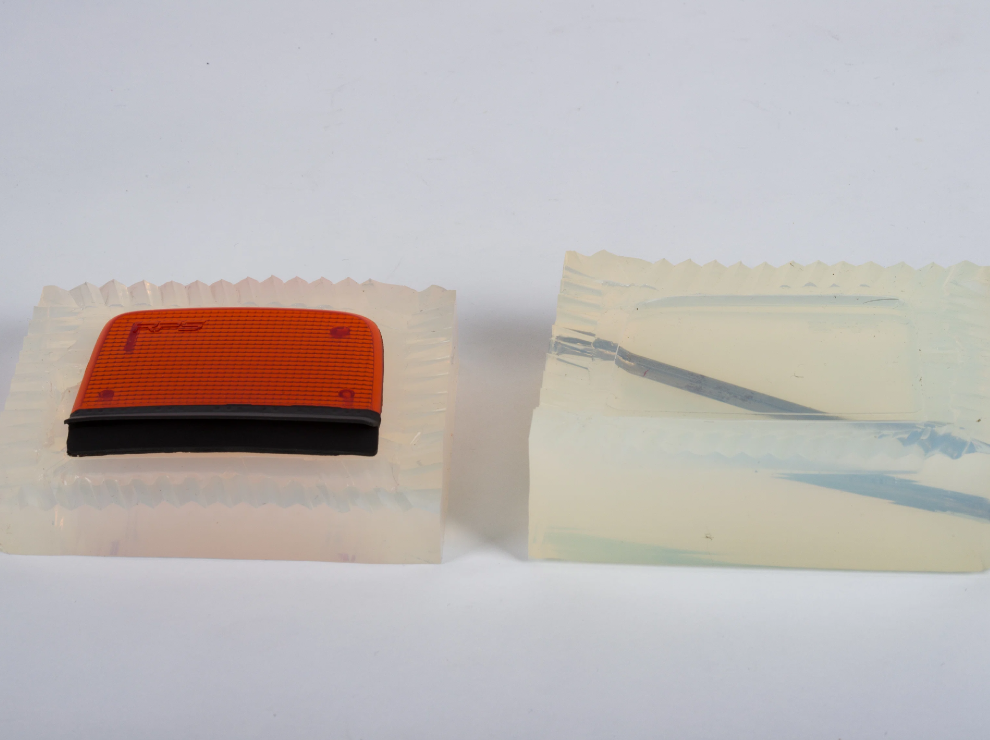
Create SLA or CNC master patterns, then build RTV silicone molds with parting, venting, and casting strategies matched to the geometry.
Get a Quote

Urethane Casting vs Injection Molding

Urethane casting is usually the better choice for production-like parts in low volumes before hard tooling makes economic sense. Injection molding is better once the design is stable and repeat production requires higher consistency, capacity, and lower unit cost.
Comparison Factor Urethane Casting Injection Molding
Best For Functional prototypes, EVT builds, customer samples, market testing & bridge production Stable designs and repeat production
Tooling RTV silicone soft molds from a master pattern Machined aluminum or steel molds
Typical Volume Typically 1–200 parts Medium- to high-volume production
Tool Life Typically 15–25 castings per silicone mold Thousands to millions of cycles, depending on tooling
Material Polyurethane systems that simulate ABS, PC, PP, nylon, rubber, and other materials Actual production thermoplastic resins
Upfront Tooling Cost Lower Higher
Design Changes Faster and less costly while geometry is still evolving Changes may require mold modification or new tooling
Undercuts Flexible molds can release many undercuts directly Often require sliders, lifters, side actions, or inserts
Repeatability & Scale Best for short runs and bridge builds Better for long-term repeatability and production scale
Custom Vacuum Casting

Custom Vacuum Casting

Match the master pattern, polyurethane system, silicone mold, hardness, color, finish, and casting quantity to the part’s functional and cosmetic requirements. Mastars adjusts mold splitting, venting, casting parameters, and post-processing around your design.

Vacuum Casting Materials

Choose the casting resin based on what the prototype needs to prove—rigidity, impact resistance, flexibility, clarity, heat resistance, or surface appearance. Urethane casting materials can simulate many production plastics, but they do not duplicate the full long-term behavior of injection-molded thermoplastics.
ABS-Like Urethane
PC-Like Urethane
PP-Like Urethane
Nylon-Like Urethane
Clear Urethane
Rubber-Like Elastomer
Silicone
ABS-Like Urethane
ABS-Like Urethane
ABS-Like Urethane

ABS-like urethane is a general-purpose choice for rigid prototypes requiring balanced strength, impact resistance, dimensional stability, and a production-like cosmetic surface.

Key Characteristics

- Balanced strength and stiffness

- Good impact resistance

- Good paintability and surface finish

- Suitable for functional and cosmetic testing

Common Grades

- General-purpose ABS-like

- High-impact grades

- Flame-retardant grades

- High-temperature grades

Typical Applications

- Electronic housings

- Equipment covers

- Control panels

- Functional prototypes

PC-Like Urethane
PC-Like Urethane
PC-Like Urethane

PC-like urethane is suited to rigid functional prototypes that need higher impact resistance and temperature performance than general-purpose casting resins.

Key Characteristics

- High impact resistance

- High rigidity

- Higher heat resistance

- Good dimensional stability

Common Grades

- High-impact PC-like

- High-temperature PC-like

- Rigid engineering urethane

Typical Applications

- Protective housings

- Equipment covers

- Functional brackets

- Electronic components

PP-Like Urethane
PP-Like Urethane
PP-Like Urethane

PP-like urethane provides lower stiffness and greater flexibility than ABS-like or PC-like systems, making it useful when a prototype needs some bending, impact absorption, or resilient behavior.

Key Characteristics

- Lower rigidity

- Good flexibility

- Good wear resistance

- Useful for flexible functional testing

Common Grades

Shore D 65–75

Typical Applications

- Flexible housings

- Covers and guards

- Clips and light-duty flexing features

- Fit and assembly prototypes

Nylon-Like Urethane
Nylon-Like Urethane
Nylon-Like Urethane

Nylon-like urethane is used for structural prototypes that need higher stiffness, strength, and wear resistance. Reinforced systems can provide additional rigidity for brackets and mechanical components.

Key Characteristics

- High stiffness

- Good mechanical strength

- Good wear resistance

- Reinforced options available

Common Grades

- Nylon-like

- Glass-filled nylon-like

Typical Applications

- Structural brackets

- Mechanical components

- Equipment parts

Clear Urethane
Clear Urethane
Clear Urethane

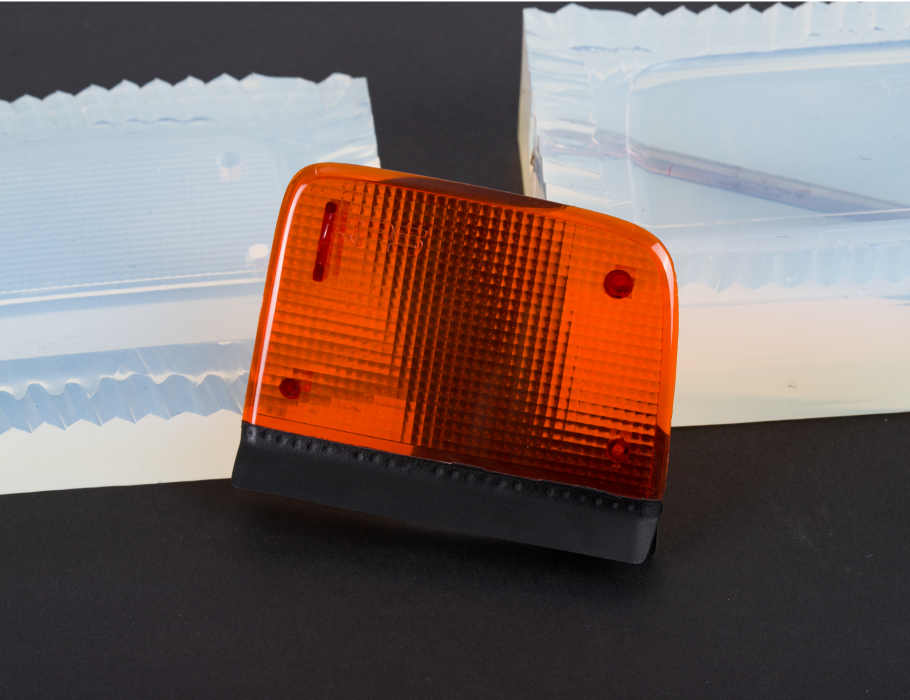
Clear urethane is selected when transparency or internal visibility matters, such as light covers, transparent housings, fluid-path models, and display prototypes.

Key Characteristics

- Transparent appearance

- Can be polished for higher clarity

- Color tinting available

- Suitable for visual and transparency evaluation

Common Grades

- Rigid clear urethane

- Tinted transparent resin

- Clear elastomer

- Clear silicone

Typical Applications

- Light covers

- Transparent housings

- Fluid-flow models

- Display prototypes

Rubber-Like Elastomer

Rubber-like polyurethane is used when the part needs controlled softness, compression, cushioning, grip, or elastic recovery rather than rigid plastic behavior.

Key Characteristics

- Wide hardness range

- High elongation

- Flexible and resilient

- Soft-touch options available

Common Grades

Shore A 25–95

Typical Applications

- Gaskets and seals

- Grips

- Protective boots

- Pads and bumpers

- Flexible covers

Silicone

Cast silicone is useful for very soft, flexible parts where tactile feel, elastic recovery, sealing, or transparent elastomeric behavior needs to be evaluated.

Key Characteristics

- Soft and highly flexible

- Good elastic recovery

- Clear options available

- Multiple hardness levels

Common Grades

- General-purpose silicone

- Clear silicone

- Soft-touch silicone

- Medical / food-contact grades where documentation is available

Typical Applications

- Seals

- Soft grips

- Flexible covers

- Wearable prototypes

- Soft-touch components

Vacuum Casting Surface Finishing Options

Vacuum cast parts can reproduce the master pattern’s surface and be further finished for color, texture, clarity, graphics, or functional coatings. Cosmetic surfaces should be defined early because polishing, paint, texture, and coatings can change appearance and local dimensions.
Finish Best For Engineering Consideration
Matte Functional prototypes, housings, low-glare surfaces Hides minor surface variation well; final appearance depends on the master and mold surface
Semi-Gloss Consumer products, covers, presentation prototypes Provides a balanced cosmetic finish without the preparation required for full high gloss
High-Gloss / Polishing Premium cosmetic parts and clear components Requires a high-quality master and careful polishing; scratches and mold defects are more visible
Texture Grips, housings, molded-look cosmetic surfaces Fine texture can be reproduced from the master; texture depth and geometry affect replication consistency
Painting Production-like color and cosmetic evaluation Surface preparation affects adhesion; paint thickness should be considered around mating and critical surfaces
Pantone / RAL Color Matching Brand colors, appearance models, customer samples Color should be specified by code or physical reference; substrate color and gloss level can affect final appearance
Clear / Frosted Finish Lenses, covers, fluid-path models, display parts Clear surfaces require tighter control of bubbles, polishing, and scratches; frosted finishes reduce optical clarity
Pad Printing Small logos, symbols, and graphics on curved parts Well suited to localized markings; print area and geometry affect registration
Silk Screening Logos, labels, and larger graphics on flatter surfaces Better for relatively flat or gently curved areas; ink thickness and alignment should be controlled
EMI Shielding Coating Electronic housings requiring conductive shielding Coating coverage and thickness should be defined around grounding points and assembly interfaces

Vacuum Casting Tolerances & Precision

Vacuum casting accuracy depends on master pattern quality, resin shrinkage, part size, wall thickness, geometry, and silicone mold condition. Identify mating, sealing, and assembly dimensions on the drawing so tighter control can be focused where it affects function.
Tolerance / Design Item Typical Capability Engineering Consideration
General Dimensional Tolerance ±0.3% For dimensions below 100 mm, approximately ±0.3 mm is a practical minimum reference
Tight-Tolerance Reference Down to ±0.005 in / ±0.127 mm on the first inch Suitable geometry only; add approximately ±0.003 in / ±0.076 mm per additional inch
Minimum Feature / Hole / Pin Down to 0.025 in / 0.635 mm Very small features are more sensitive to resin flow, master quality, and demolding
Minimum Wall Thickness Down to 0.75 mm 1.5 mm+ recommended for more stable filling and dimensional consistency
Typical Resin Shrinkage Approximately 0.15% Actual shrinkage varies with resin system, geometry, wall section, and cure conditions

Vacuum Casting Equipment & Manufacturing Capabilities

Fanuc a-D14MIA/a-D21 CNC Machining Center

Fanuc a-D14MIA/a-D21 CNC Machining Center

Rational VMS-3020G CMM

Rational VMS-3020G CMM

Zeiss CONTURA G2 CMM

Zeiss CONTURA G2 CMM

Why Choose Mastars for Vacuum Casting?

Quality Systems
ISO 9001:2015, ISO 13485:2016, and IATF 16949:2016 support controlled inspection and documentation, with 15+ CMM systems supporting FAI and critical dimensional checks.
Engineering & Project Support
100+ engineering professionals support material selection, master preparation, appearance validation, and tolerance review before hard-tooling decisions.
Manufacturing Experience
Backed by 20+ years of manufacturing experience, Mastars supports vacuum casting from prototype validation through repeat builds and transition to hard tooling.
Flexible Capacity
5+ production bases support prototype, pilot, and bridge builds; each silicone mold typically produces 15–25 castings depending on geometry and material.
Vacuum Casting DFM Review
Review master quality, wall thickness, undercuts, parting, venting, inserts, and critical dimensions before silicone tooling to catch casting risks early.
One-Stop Manufacturing
Master finishing, silicone tooling, casting, color matching, painting, polishing, graphics, inspection, and assembly are coordinated through one manufacturing partner—without managing multiple suppliers.

Certifications

ISO9001:2015 Certificate

ISO9001:2015 Certificate

IATF16949:2016 Certificate

IATF16949:2016 Certificate

ISO13485:2016 Certificate
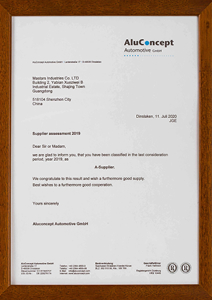
ISO13485:2016 Certificate

Medical A-Class Supplier

Medical A-Class Supplier

Partners

445 Projects
xylem
Bentley
Aston Martin
HARMAN
Annabella
Auer Lighting
NVIDIA
Compac
G4S
hs products
luxshareict
KK
Bioness
SGM
Nmble
Lear
LLEN&HEAT
belkin
DaAn Gene
MAGNA
pdd
Flite
simens
philips
maxwell
Land Rover

How to Work with Us

Share Your Project

Send a CAD file, drawing, or brief. Start with what you have.

Engineering Review & Quote

We review your requirements and confirm the process, price, and lead time.

We Make Your Parts

Once approved, we prepare the process and manufacture your parts.

Inspection & Delivery

We inspect, pack, and ship your finished parts.

What Our Customers Say

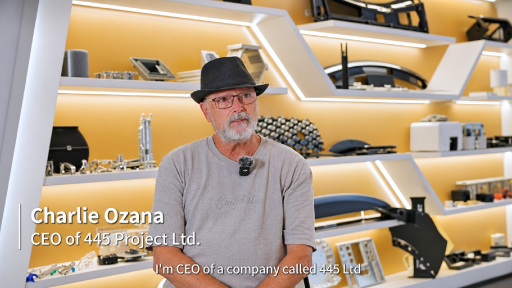
Charlie Ozana

Charlie Ozana

Company: 445 LTDJob Title: CEOBusiness: Full turnkey company
Mastars in all my projects are partners. So I get all the support that I need from engineering management, pricing, timetable, QA, everything is as a partner, not as a supplier. For me, Masters is like home.
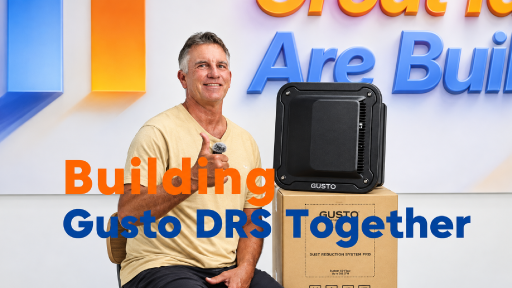
Nathan Johnson

Nathan Johnson

Company: Gusto Global IndustriesJob Title: DirectorBusiness: Dust reduction system
They were such a lovely company to deal with, and we couldn't be more happier even to today down the track with even more products moving forward. Very professional, easy to deal with, get back to you straight away, contact is easy through WeChat and email, move forward as quickly as you can.
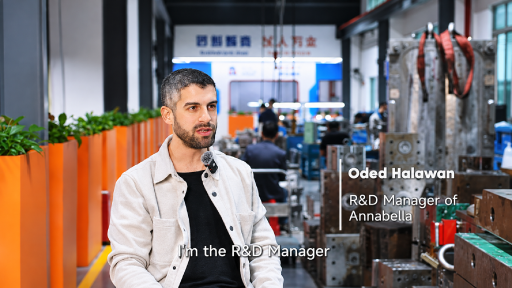
Oded Halawani

Oded Halawani

Company: Annabella Tech IsraelJob Title: R&D managerBusiness: Breast pump
We managed to make it in a very short time warm prototyping to mass production and FDA approval. That makes me feel confidence to choose Mastars.
Jade Harris

Jade Harris

Company: Buddy SystemJob Title: Co-founderBusiness: Wireless instant safety alert device
We're glad that we found a company like Mastars to make the product for us because it's been so good to deal with. They're a really good company.
Dror Harel

Dror Harel

Company: BlonessJob Title: General ManagerBusiness: L300, H200
I think the relationship between the buyers and definitely between me the Mastars it's like a family relationship and this is why we are so happy to produce in Mastars and this is why we came for 15 years. By the way, now we came with a new product that we come to Master to produce for the new year.

Vacuum Casting FAQs

  • What materials can you use for vacuum casting?

    We support rigid, flexible, clear, and elastomeric casting materials. Common options include ABS-like, PC-like, PP-like, nylon-like, POM-like, clear urethane, rubber-like polyurethane, and silicone. Depending on the resin system, hardness can range approximately from Shore A 10–95 to Shore D 65–86.

  • Are urethane cast parts the same as injection-molded plastic parts?

    No. Urethane can simulate the stiffness, flexibility, impact behavior, clarity, or feel of production plastics, but it is not the same thermoplastic material. Final production resin should still be validated after moving to injection molding.

  • What tolerances can vacuum casting achieve?

    Typical dimensional tolerance is around ±0.3%. For dimensions below 100 mm, approximately ±0.3 mm is a practical minimum reference. Master quality, resin, geometry, wall thickness, and mold condition all affect the final result.

  • How many parts can one silicone mold produce?

    Typically about 15–25 castings. Resin chemistry, undercuts, texture, geometry, and demolding stress affect mold life. Additional silicone molds can be made for repeat low-volume builds.

  • What quantities are best for vacuum casting?

    Typically 1–200 parts. Vacuum casting works well for functional prototypes, EVT builds, customer samples, market testing, and bridge production. Stable repeat volumes should be evaluated for injection molding.

  • How much does vacuum casting cost?

    It depends on the part and quantity. Cost is mainly driven by the master pattern, part size and geometry, resin, number of silicone molds, quantity, finish, inserts, secondary operations, and inspection requirements. Soft tooling keeps upfront investment lower than aluminum or steel injection molds.

  • How fast can I get vacuum-cast parts?

    First parts can be available in as fast as 7 days. Lead time depends on master preparation, silicone mold creation, quantity, resin, curing, and finishing requirements. Complex cosmetic work or multiple molds may extend the schedule.

  • Can you make clear vacuum-cast parts?

    Yes. Clear urethane and clear elastomer systems can be used for transparent housings, covers, display models, and fluid-path prototypes. Bubble control, master finish, polishing, and cure conditions affect clarity, while long-term yellowing depends on the selected resin.

  • Can you match production colors and finishes?

    Yes. Options include matte, semi-gloss, high-gloss, texture, painting, Pantone/RAL color matching, polishing, pad printing, silk screening, and logo application. Define visible surfaces and mating areas early because coatings can affect local dimensions.

  • When should I choose vacuum casting instead of 3D printing or injection molding?

    Choose vacuum casting when you need a small batch of production-like parts with better cosmetic consistency, elastomeric behavior, or material simulation than many early-stage prints. Use 3D printing when rapid CAD iteration matters most; move to injection molding when stable repeat volume justifies hard tooling.

  • How does vacuum casting work?

    A finished SLA or CNC master is used to create an RTV silicone mold. Liquid polyurethane or silicone is then cast under controlled vacuum conditions, cured, demolded, trimmed, finished, and inspected.

  • What do you need for a vacuum casting quote?

    A 3D CAD file is enough to start. For a more accurate quote, include quantity, target material behavior or Shore hardness, critical dimensions, 2D drawings, finish, color code, transparency requirements, inserts, and inspection needs. Rough information is fine for an initial review.

Tell Us About Your Project

Share your project details and files with us. Rough information is fine to start. Our engineering consultant will contact you within 24 hours.

Verification code