



 English



From Product Concept to Physical Prototype with 3D Printing
Turning a CAD design into a physical part helps product development teams evaluate geometry, fit, and functionality before committing to more advanced manufacturing processes.
Challenges
During product development, digital designs do not always reveal practical issues with geometry, assembly, or component fit. Building physical prototypes through conventional manufacturing can also require additional tooling, setup, and lead time, making design iterations more difficult.
Solutions
Mastars uses industrial 3D printing technologies to produce prototypes directly from CAD files, supporting different design requirements, geometries, and material needs. Our manufacturing team can also help review part geometry, identify potential printing constraints, and select suitable build approaches.
Outcomes
Physical prototypes give development teams a practical way to evaluate their designs, identify potential improvements, and make informed adjustments before moving forward. This creates a clearer path from initial concept validation to subsequent manufacturing stages.
A physical prototype helps turn design assumptions into something engineers can inspect, measure, and evaluate. The earlier potential design and manufacturing issues are identified, the easier it is to plan the next development stage.
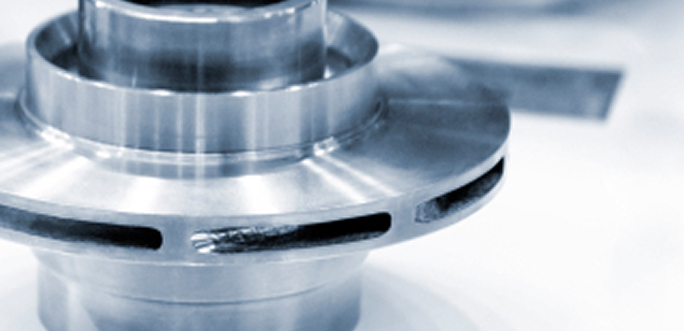
Product development involves more than creating a design that looks right on a screen. Engineers also need to understand how individual components fit together, whether the geometry can be manufactured as intended, and how the part behaves in practical applications.
3D printing provides a flexible way to answer these questions. By producing physical parts directly from digital models, teams can examine complex features, check assembly interfaces, and evaluate design details without first investing in production tooling.
At Mastars, we support different prototype requirements through technologies such as SLA, SLS, FDM, MJF, and metal 3D printing. The appropriate process depends on the part's geometry, material requirements, surface expectations, and intended testing conditions.
Once a prototype is produced, it can be used to assess dimensions, fit, appearance, and functional requirements. Feedback from these evaluations can then inform CAD revisions and subsequent prototype builds.
When a design is ready to move beyond prototyping, manufacturing requirements may change. Production materials, dimensional consistency, process repeatability, and inspection criteria need to be considered separately. Mastars also provides CNC machining, vacuum casting, injection molding, and other manufacturing processes to support different stages of product development.
 Headquarters


