



 English





The global materials landscape is evolving at an unprecedented pace, with over 8 million synthetic compounds and 500,000 materials identified—growing at 5% annually. Among these, advanced metal materials are emerging as cornerstones of innovation, driving progress in high-tech sectors and redefining possibilities for mechanical engineers and designers.
Key Trends Reshaping the Industry
High-Performance Magnetic Materials Neodymium-iron-boron (NdFeB) magnets, vital for EVs, wind turbines, and robotics, are seeing surging demand. Projections indicate global high-performance NdFeB usage will hit 224,000 tons by 2025, fueled by the shift to clean energy and automation. For engineers, this means designing with stronger, lighter magnets to enhance efficiency—whether in motor systems or energy storage.

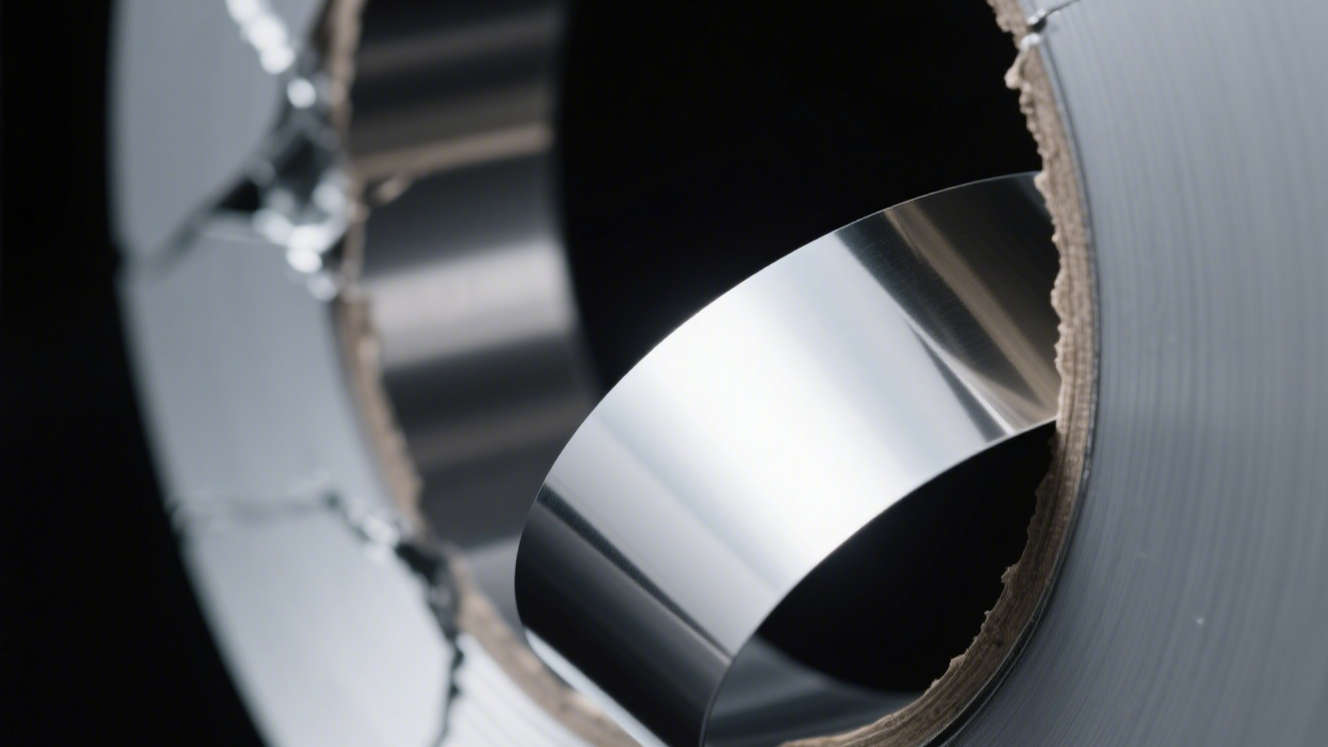
Soft magnetic materials, including amorphous ribbons and nanocrystalline alloys, are another focus. Amorphous ribbons, with 60-80% lower no-load loss than silicon steel, are revolutionizing power transformers, aligning with global energy efficiency mandates. Nanocrystalline materials, meanwhile, are replacing ferrites in 20-50kHz applications, offering superior thermal stability—a boon for high-frequency electronics design.

Implications for Engineers and Designers
These advancements demand a shift in material selection strategies. Engineers must prioritize:
The Road Ahead
As industries pivot to high-end manufacturing, metal new materials will underpin breakthroughs in EVs, renewable energy, and aerospace. For professionals in mechanical engineering and design, staying abreast of these trends isn’t just advantageous—it’s essential to driving innovation.
The future belongs to those who can merge material science with design ingenuity. Let’s build it together.
 Headquarters


