



 English




Before Small-Batch Production Begins
When a medical equipment assembly part moves beyond prototype approval, what should the customer confirm first? Not only whether the part looks correct, but whether the design can survive repeated production, assembly handling, surface treatment, inspection, and shipment without creating new risks.
These white powder-coated structural parts were custom-manufactured by Mastars for a U.S. customer. After the prototype was approved, Mastars helped the customer review the part from a production-readiness perspective: which features needed tooling control, which holes and mounting areas required CNC accuracy, where powder coating could affect fit, and how the finished parts should be inspected, protected, packed, and shipped. The goal was to give the customer a clearer route from prototype validation to stable low-volume production.
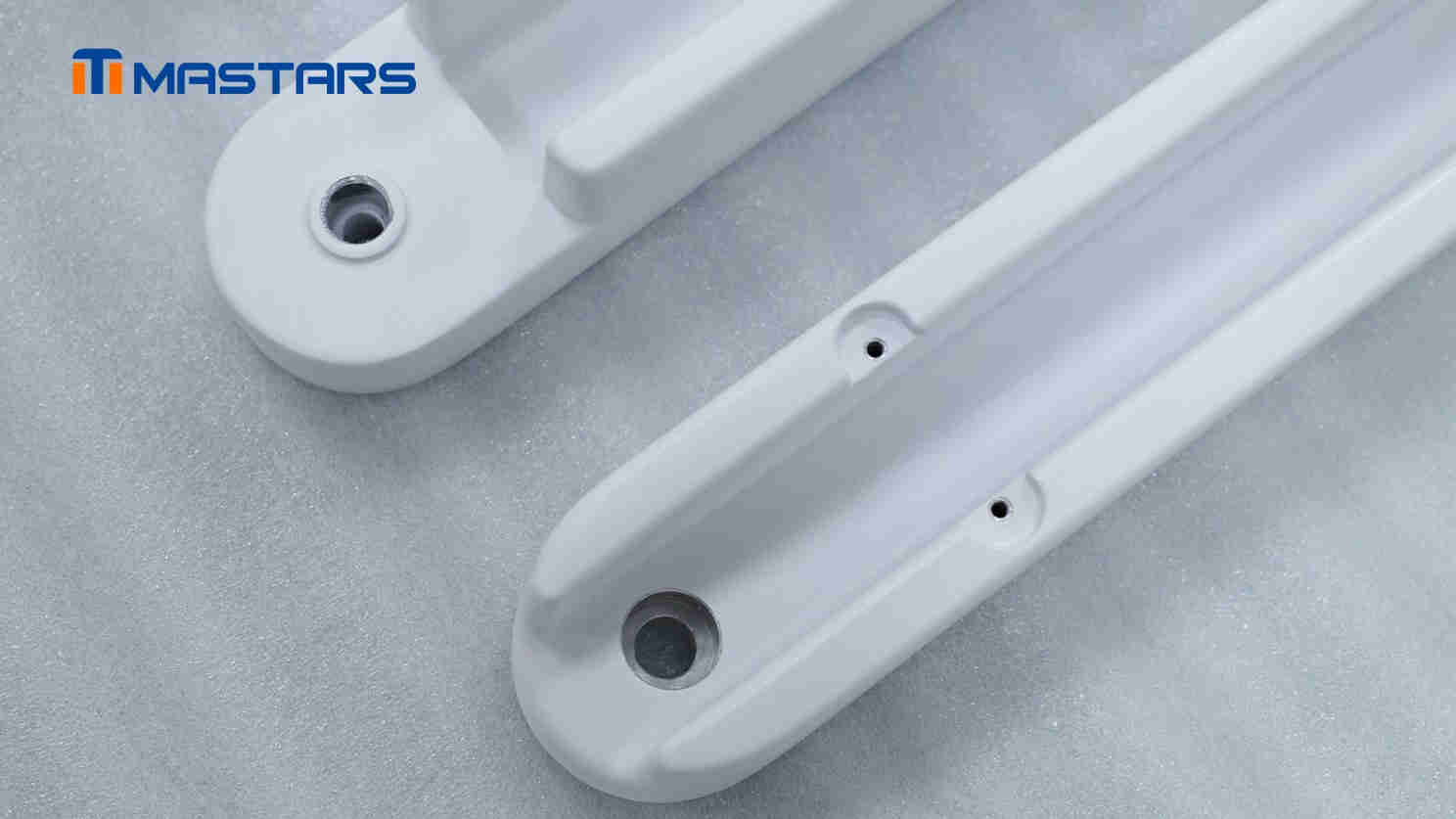
Powder-Coated Assembly Component.
Process Links That Matter
For this type of part, the risk is not in one single process. Die casting forms the main structure, but shrinkage, deformation, and surface marks need to be considered before tooling is locked. CNC machining then brings the critical features back under control, especially holes, inserts, mounting faces, and assembly-related positions.
Powder coating improves surface protection and appearance, but it also adds thickness. If coating buildup is not considered around holes, edges, grooves, and assembly areas, the part may look clean but still create fitting issues during final use. That is why Mastars connects die casting, CNC machining, powder coating, inspection, packaging, and shipment as one controlled production route.
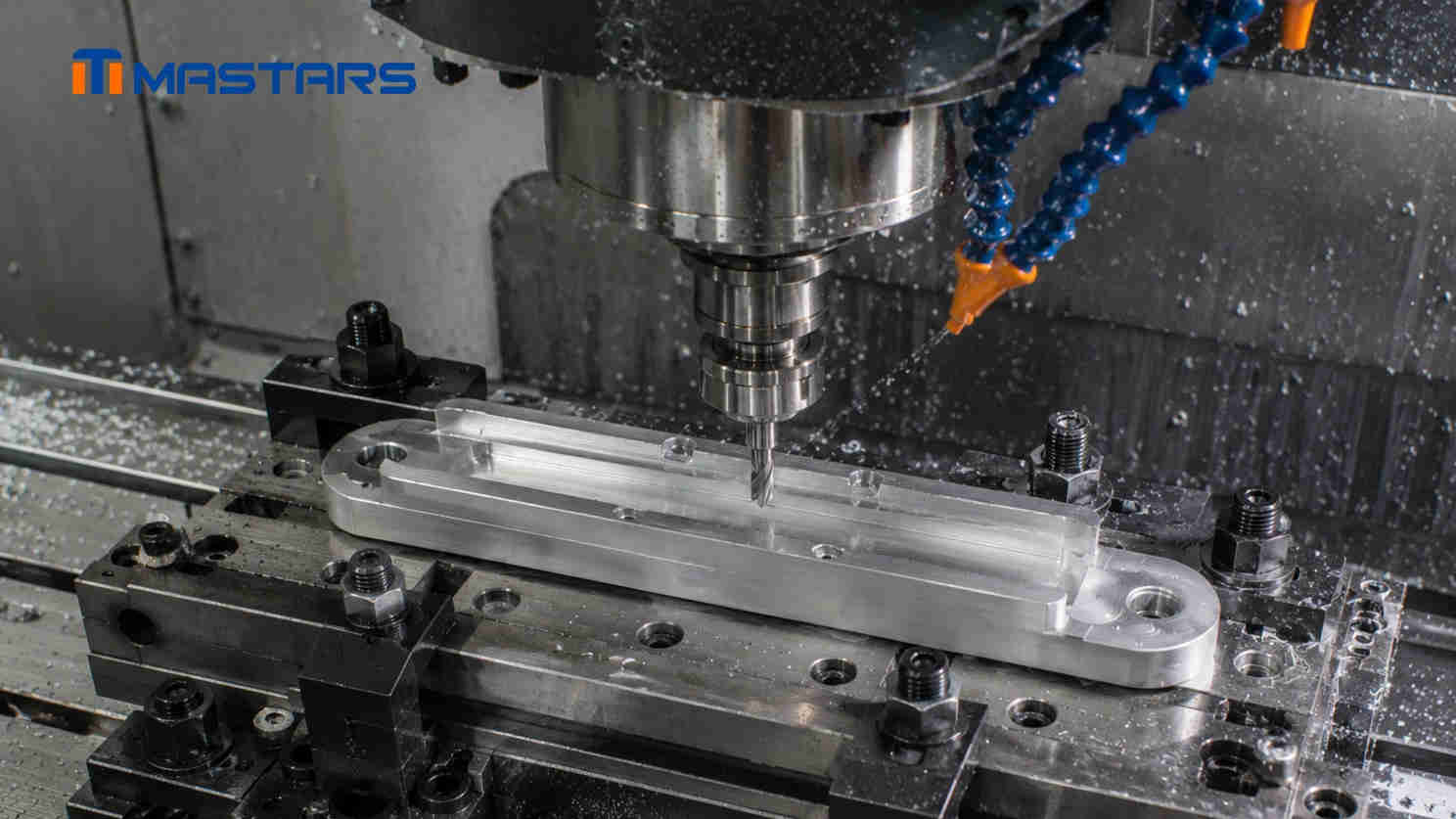
Consistent production starts with every process.
Production Value Customers Can See
Client core value: Mastars helps customers turn approved medical equipment prototypes into low-volume production parts that are easier to manufacture, inspect, protect, and deliver.
In practice, the value shows up in several key areas:
✅ Early confirmation rounds can be reduced by around 1–2 before production tooling
✅ Assembly mismatch risk can be reduced by around 30% through better control of die-cast structure, machined holes, and mounting features
✅ Powder coating and final inspection help reduce rework risk caused by coating buildup
✅ After inspection approval, parts can enter packaging and shipment preparation within 24 hours at the fastest
✅ One-stop coordination across tooling, die casting, CNC machining, powder coating, inspection, and delivery
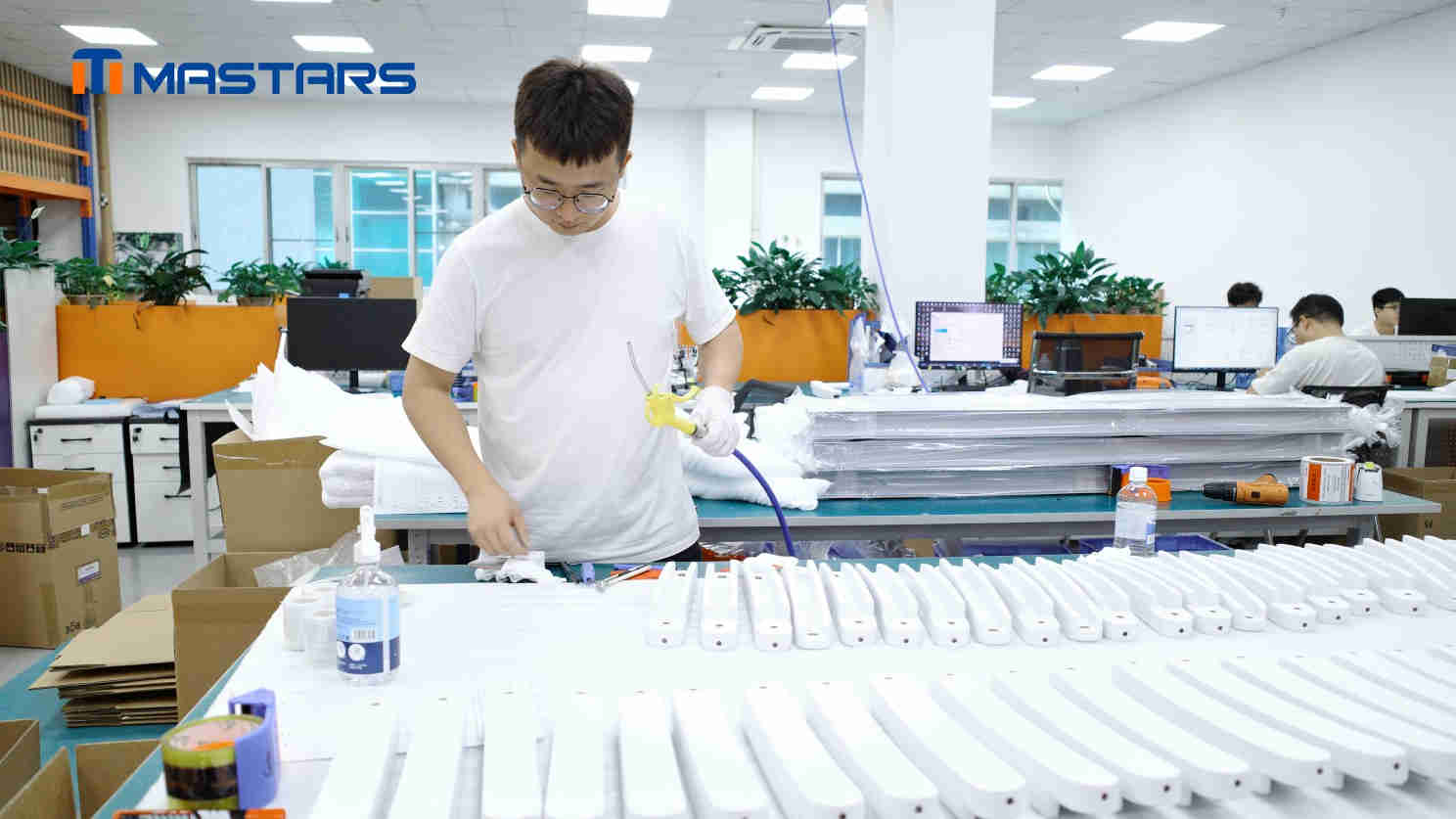
Ready for Packaging and Shipment.
Ready For Similar Assembly Parts
This need is common when a customer has already confirmed the prototype, but still needs a reliable path into low-volume production. At that stage, the supplier must understand more than the part shape. They need to control how the part will be produced, finished, inspected, protected, and delivered.
Similar needs appear in these applications:
Mobility products — lightweight coated support parts
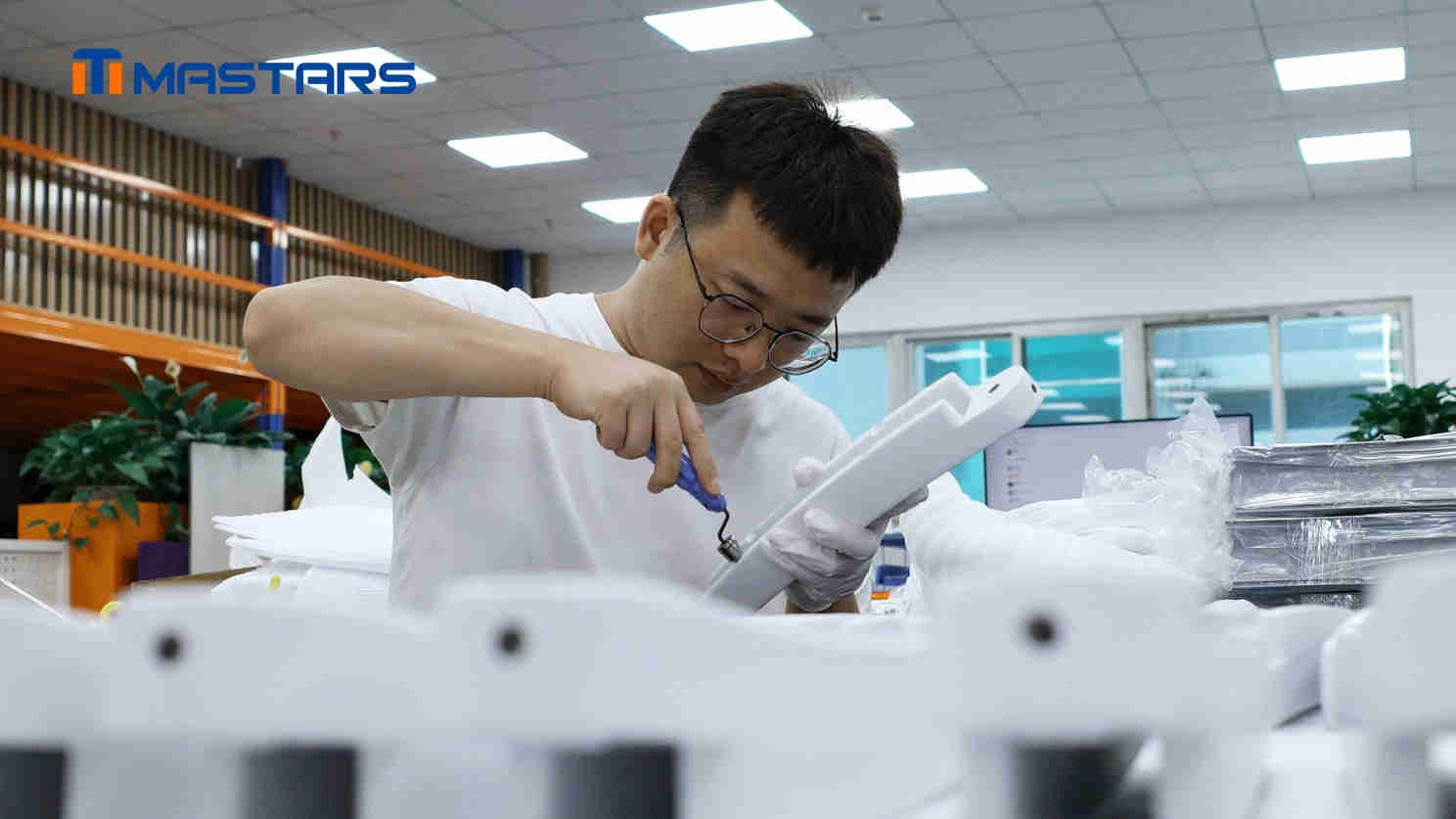
Final Visual Inspection Before Shipment.

Mastars, the most trusted one-stop manufacturing services provider for low-volume production worldwide!
 Headquarters


