Medical

Medical
Medical Device Prototyping & Manufacturing Services

From functional prototypes to repeat production, Mastars manufactures custom medical device components with DFM support, controlled inspection, and ISO 13485 quality management.

  • Rapid Prototyping & Validation
  • Medical-Grade Material Options Available
  • ISO 13485 & ISO 9001 Quality Systems
  • Class 10,000 Cleanroom Injection Molding
ISO 9001:2015 | ISO 13485:2016 | IATF 16949:2016
Medical Device Prototyping & Manufacturing Services
20+
Years Manufacturing Experience
100+
Engineering Professionals
800+
Global Customers
5+
Global Production Bases

From Medical Device Prototyping to Production

Each stage reduces a different risk—from fit and function to process stability and repeat production.
Prototype
EVT
DVT
PVT
Production
Prototype Component Development
Accelerate early medical device development with prototypes for design evaluation, fit testing, and functional verification.
Proof-of-Concept Models
Validate overall form, product envelope, ergonomics, and basic interfaces.
Functional Prototypes
Test fit, assembly, motion, sealing, load paths, and key functions.
Appearance Models
Review visible surfaces, CMF, user-facing details, and design intent.
Design Iterations
Apply test results before locking critical geometry or investing in tooling.
Engineering Validation Test
Verify engineering designs through functional prototypes before committing to production tooling.
Mechanical Verification
Evaluate strength, stiffness, movement, sealing, and functional loads.
Assembly Validation
Check mating interfaces, tolerance stack-up, fasteners, snaps, connectors, and moving features.
Material Evaluation
Use production-intent materials where performance depends on material behavior.
Engineering Optimization
Resolve wall thickness, tool access, draft, undercuts, support, and critical-dimension risks.
Design Validation Test
Validate product design maturity using production-representative parts and processes.
Design Verification
Build parts against controlled drawings, revisions, and defined acceptance criteria.
Tolerance Validation
Measure critical dimensions and GD&T and confirm assembly fit across mating components.
Surface & Appearance Review
Confirm finishes, visible surfaces, markings, and dimensional impact from secondary operations.
Design Improvement
Close remaining design risks before pilot manufacturing.
Production Validation Test
Prepare medical devices for manufacturing through pilot builds and process validation.
Pilot Production
Run initial builds using the intended tooling, materials, process settings, and inspection plan.
Process Validation
Verify process stability, repeatability, work instructions, and key manufacturing parameters.
Quality Verification
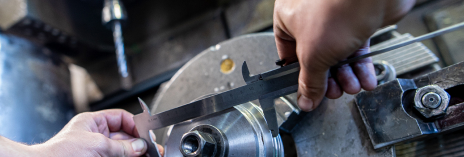
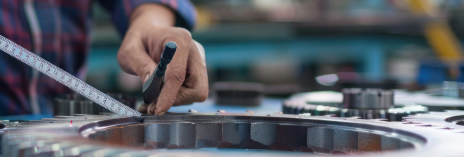
Confirm critical dimensions and acceptance requirements using FAI, CMM, or other specified inspection methods.
Production Preparation
Lock revisions, inspection criteria, documentation, packaging, and production release requirements.
Medical Device Production
Transition validated designs into repeat production with controlled processes, inspection, and revision control.
Production Manufacturing
Support flexible production from 1 to 100,000+ units as program demand changes.
Quality Control
Control critical dimensions, appearance, assembly, and functional requirements across production lots.
Supply Support
Coordinate materials, tooling maintenance, production scheduling, assembly, and delivery.
Continuous Improvement
Use production data and issue feedback to improve process stability, cost, and repeatability.
Custom Medical Device Manufacturing Solutions

Custom Medical Device Manufacturing Solutions

Medical devices often combine parts with different materials, tolerances, finishes, cleanliness requirements, and production volumes. Mastars coordinates CNC machining, 3D printing, sheet metal, metal casting, tooling, injection molding, silicone molding, finishing, assembly, and inspection around the same design revision and acceptance criteria.

For patient-contact, sterilizable, or otherwise regulated components, material grade, required documentation, and process qualification should be defined at the start of the project.

Medical Components We Manufacture

Component Categories Typical Medical Components
Diagnostic & Monitoring Components Diagnostic Equipment Housings, Portable Testing Device Enclosures, Sensor Mounts, Monitoring System Components, Laboratory Analyzer Parts
Surgical & Medical Instrument Components Surgical Instrument Handles, Endoscopic Components, Medical Tool Housings, Precision Instrument Assemblies, Orthopedic Instrument Parts
Medical Device Enclosures Medical Equipment Housings, Device Covers, Portable Healthcare Device Enclosures, Control Unit Casings, Protective Covers
Laboratory & Life Science Components Laboratory Instrument Components, Sample Handling Fixtures, Fluid Management Components, Test System Assemblies
Wearable Healthcare Components Wearable Device Enclosures, Health Monitoring Components, Sensor Integration Parts, Portable Healthcare Device Housings
Medical Fixtures & Manufacturing Aids Assembly Fixtures, Testing Fixtures, Inspection Gauges, Validation Tooling, Production Jigs
Development & Validation Components Prototype Components, Engineering Validation Units, Design Verification Parts, Functional Testing Components

Medical Device Materials & Manufacturing Processes

Select materials and processes based on function, geometry, sterilization, dimensional stability, production volume, and required documentation.
Materials Material Processes Benefits Applications
Metals Aluminum CNC Machining, Sheet Metal, Metal Casting Lightweight, easy to machine, and suitable for dimensionally controlled housings, fixtures, and equipment structures. Device housings, fixtures, equipment structures
Metals Stainless Steel CNC Machining, Sheet Metal Corrosion-resistant and durable. 304 and 316 are common options, with passivation or electropolishing available where required. Surgical instrument components, laboratory equipment, cleanable hardware
Metals Titanium CNC Machining, 3D Printing High strength-to-weight ratio and corrosion resistance. Biocompatibility depends on the specific alloy, grade, application, and required documentation. Surgical instrument components, orthopedic development parts, lightweight precision hardware
Engineering Plastics & Elastomers Polycarbonate (PC) CNC Machining, Injection Molding High impact strength with transparent grades available. Sterilization compatibility depends on resin grade, method, cycle count, and molded stress. Diagnostic equipment, transparent covers, device housings
Engineering Plastics & Elastomers PEEK CNC Machining, Injection Molding High heat resistance, chemical resistance, strength, and dimensional stability, but with higher material and processing cost. High-performance medical device components, fixtures, precision parts
Engineering Plastics & Elastomers Silicone Silicone Molding Flexible and suitable for seals, soft interfaces, and wearable components. Biocompatibility depends on the selected medical-grade formulation and documentation. Seals, wearable healthcare products, masks, flexible interfaces
Engineering Plastics & Elastomers ABS CNC Machining, Injection Molding, 3D Printing Lightweight, impact-resistant, easy to machine and finish, and cost-effective for housings and functional development parts. Not suitable for every sterilization or patient-contact requirement. Diagnostic enclosures, equipment housings, handheld devices, laboratory equipment
Engineering Plastics & Elastomers Nylon (PA) CNC Machining, Injection Molding, 3D Printing High strength, wear resistance, and fatigue performance. Moisture absorption can affect dimensions; glass-filled grades improve stiffness but increase directional shrinkage and warpage risk. Medical fixtures, guide components, mechanical assemblies, laboratory automation parts
Engineering Plastics & Elastomers Acetal (POM / Delrin) CNC Machining, Injection Molding Low friction, low moisture absorption, good wear resistance, and dimensional stability for precision moving components. Instrument mechanisms, valve components, sliding parts, precision assemblies

Medical Device Finishing & Secondary Operations

Finishing can affect dimensions, cleanability, markings, and critical mating or sealing surfaces.
Surface Finishing Passivation & Electropolishing Laser Marking Assembly Services Ultrasonic Welding Pad Printing & Silk Screening Controlled Packaging Custom Secondary Operations
Applicable To CNC machined metals and plastics Stainless steel medical components Metal and plastic parts Multi-component medical products Compatible thermoplastic components Plastic and metal housings Finished components and assemblies Based on project requirements
Primary Benefit Improve appearance, corrosion resistance, cleanability, or surface condition while controlling dimensional impact Remove surface contamination, improve corrosion resistance, and create smoother stainless-steel surfaces Permanent identification, serial numbers, 2D codes, and traceability markings Reduce supplier handoffs while controlling fit, fastening, and functional assembly Create repeatable thermoplastic joints without adhesives when the joint geometry is suitable Add user-interface graphics, instructions, identification, and cosmetic markings Protect part condition and cleanliness during handling, transportation, and storage Integrate project-specific finishing, assembly, inspection, or handling requirements
Typical Medical Applications Device housings, diagnostic equipment, fixtures, instrument components Surgical instruments, laboratory equipment, fluid-handling hardware Serial numbers, identification codes, UDI-ready marking applications Diagnostic devices, wearable products, instrument assemblies Plastic housings, fluid-management components, disposable device assemblies Handheld devices, equipment panels, user interfaces Diagnostic components, medical assemblies, production parts Specialized prototypes and production programs
Regulatory / Documentation Consideration Finish specification, chemistry, masking, and dimensional effect should be defined Material grade and process specification should be confirmed Customer marking content and verification requirements should be supplied Approved BOM, work instructions, and test criteria should be defined Weld validation may be required depending on the application Ink compatibility, adhesion, cleaning, and durability should be qualified where relevant Cleanliness, barrier, labeling, or sterility requirements must be specified; packaging does not imply sterilization Defined by the individual project
Available For Prototypes & Production Prototypes & Production Prototypes & Production Production & Assembly Programs Prototypes & Production Prototypes & Production Production Programs Custom Programs

What Our Customers Say

Charlie Ozana

Charlie Ozana

Company: 445 LTDJob Title: CEOBusiness: Full turnkey company
Mastars in all my projects are partners. So I get all the support that I need from engineering management, pricing, timetable, QA, everything is as a partner, not as a supplier. For me, Masters is like home.
Nathan Johnson

Nathan Johnson

Company: Gusto Global IndustriesJob Title: DirectorBusiness: Dust reduction system
They were such a lovely company to deal with, and we couldn't be more happier even to today down the track with even more products moving forward. Very professional, easy to deal with, get back to you straight away, contact is easy through WeChat and email, move forward as quickly as you can.
Oded Kalawanl

Oded Kalawanl

Company: Annabella Tech IsraelJob Title: R&D managerBusiness: Breast pump
We managed to make it in a very short time warm prototyping to mass production and FDA approval. That makes me feel confidence to choose Mastars.
Jade Harris

Jade Harris

Company: Buddy SystemJob Title: Co-founderBusiness: Wireless instant safety alert device
We're glad that we found a company like Mastars to make the product for us because it's been so good to deal with. They're a really good company.
Dror Harel

Dror Harel

Company: BlonessJob Title: General ManagerBusiness: L300, H200
I think the relationship between the buyers and definitely between me the Mastars it's like a family relationship and this is why we are so happy to produce in Mastars and this is why we came for 15 years. By the way, now we came with a new product that we come to Master to produce for the new year.

Why Medical Manufacturers Choose Mastars

Medical Quality Systems
ISO 13485:2016 and ISO 9001:2015 support documented processes, inspection, revision control, and project-specific quality records for medical manufacturing.
Engineering & Project Support
100+ engineers work across engineering, tooling, quality, production planning, and manufacturing issues from prototype validation through production.
Manufacturing Experience
20+ years of manufacturing experience across prototype validation, tooling, precision parts, pilot builds, assembly, and repeat production.
Flexible Capacity
5+ production bases support validation builds, pilot production, repeat orders, and changing volumes as medical programs scale.
Medical DFM Review
Wall thickness, draft, undercuts, shrinkage, sealing surfaces, critical dimensions, and assembly interfaces are reviewed before tooling or production release.
Integrated Manufacturing
CNC machining, 3D printing, sheet metal, metal casting, injection molding, finishing, assembly, and inspection are coordinated within one manufacturing program.

Start Your Medical Device Manufacturing Project

Medical Manufacturing FAQs

  • What manufacturing processes do you offer for medical devices?

    Yes. We support CNC machining, 3D printing, sheet metal fabrication, metal casting, injection molding, silicone molding, and vacuum casting, plus finishing, assembly, and inspection. The right process depends on geometry, material, quantity, validation goals, and production requirements.

  • Are your manufacturing facilities certified for medical device production?

    Yes. Mastars maintains ISO 13485:2016 and ISO 9001:2015 quality management system certifications. Inspection plans, material documentation, FAI/CMM records, and traceability requirements can be defined by project. Certification does not make every material or component automatically approved for clinical or patient-contact use.

  • What medical-grade materials can you machine or mold?

    It depends on the application. We work with stainless steel, titanium, aluminum, PEEK, polycarbonate, nylon, POM, silicone, and other engineering materials. For patient-contact, sterilizable, or regulated components, specify the exact material grade, sterilization method, and required certificates. “Medical-grade” should be confirmed at the material and project level.

  • What tolerances can you achieve for medical components?

    For suitable CNC features, Mastars can achieve tolerances down to ±0.005 mm. Tighter or highly critical requirements should be reviewed feature by feature because material, geometry, wall thickness, workholding, finishing, and inspection method all affect achievable tolerance. Critical dimensions can be verified with CMM and first article inspection when required.

  • Can you support medical device development from prototype to production?

    Yes. We support concept prototypes, EVT, DVT, PVT, pilot builds, and repeat production. A prototype that passes fit or functional testing is not automatically production-ready; tooling, process window, shrinkage, inspection criteria, material documentation, and revision control still need to be confirmed before scale-up.

  • What is your typical lead time for medical prototypes and production parts?

    Often as fast as 3 days for suitable prototype parts. Tooling, molded validation builds, and production lead times depend on geometry, material, finish, inspection or documentation requirements, and quantity. We confirm the schedule after reviewing the files rather than applying one standard lead time to every medical project.

  • How do you protect the intellectual property (IP) of our medical device designs?

    Yes. We can work under NDA and restrict project information to the teams involved in quoting, engineering, manufacturing, and quality. If your project has additional file-handling or access-control requirements, include them with the RFQ so they can be agreed before data transfer.

Tell Us About Your Project

Share your project details and files with us. Rough information is fine to start. Our engineering consultant will contact you within 24 hours.

Verification code