



 English



Low Volume Manufacturing Services
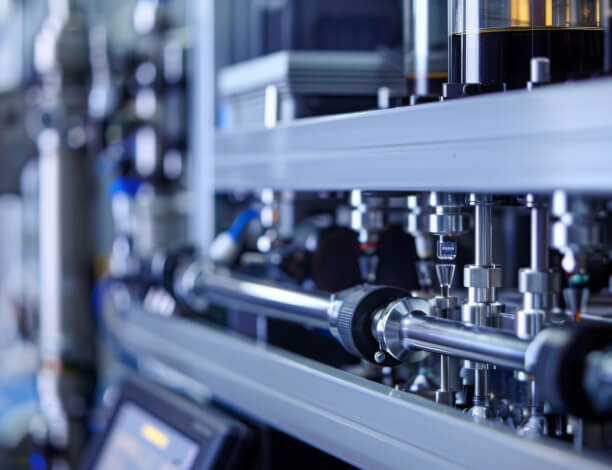
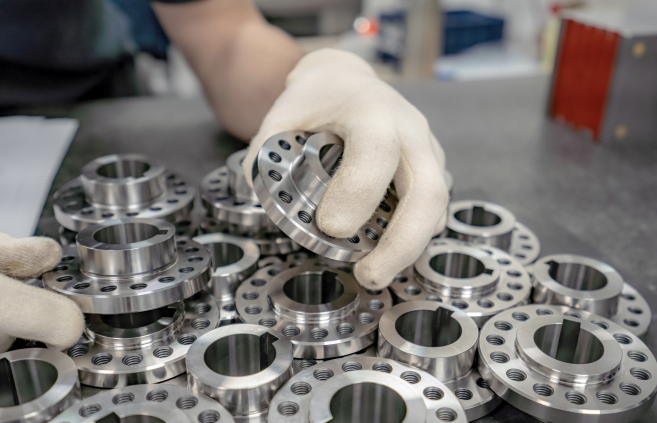
Move validated designs into low-to-medium volume production, including pilot builds, bridge production, market launches, and recurring small-batch demand.
- Pilot builds, bridge production & market launch quantities
- Flexible volumes for changing demand and product revisions
- DFM review for cost, tooling & production-transition risks
 ISO 9001:2015 | ISO 13485:2016 | IATF 16949:2016













 Headquarters


