

On-Demand Manufacturing

On-Demand Manufacturing
On-Demand Manufacturing for Custom Parts

Manufacture custom parts when you need them—without unnecessary inventory, fixed high-volume commitments, or fragmented supplier management.

  • MRO, replacement parts & urgent replenishment
  • Flexible quantities without fixed volume commitments
  • Engineer-reviewed manufacturing from CAD or approved specifications
ISO 9001:2015 | ISO 13485:2016 | IATF 16949:2016
On-Demand Manufacturing for Custom Parts
100+
Engineering Experts
20+
Years Manufacturing
5+
Production Bases
0 MOQ
Flexible Orders
What Is On-Demand Manufacturing?

What Is On-Demand Manufacturing?

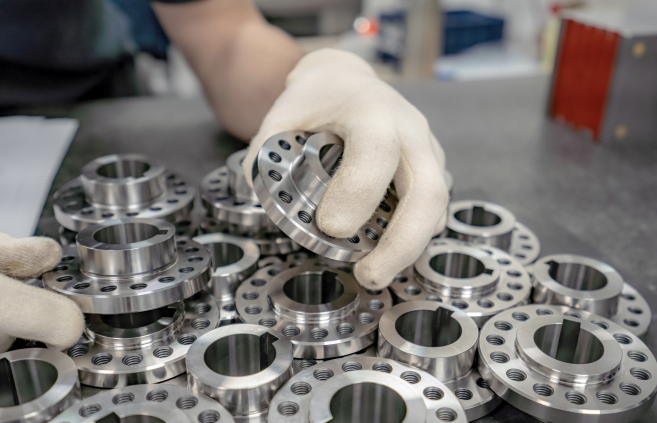
On-demand manufacturing produces custom parts when they are needed instead of building large inventories in advance. It is commonly used for MRO, replacement parts, urgent replenishment, short-run orders, engineering changes, and irregular repeat demand.

Unlike prototyping, on-demand manufacturing starts from an existing part requirement. Mastars reviews CAD files, drawings, materials, finishes, and specifications to determine the right process, quantity, inspection requirements, and delivery plan.

When On-Demand Manufacturing Makes Sense

When On-Demand Manufacturing Makes Sense

On-demand manufacturing is suitable when part requirements are known but demand timing or quantity changes over time. Common applications include replacement parts, MRO, service inventory, engineering changes, legacy equipment support, and irregular repeat orders.

By manufacturing when needed instead of holding excess inventory, teams can reduce stock risk, obsolescence, and unnecessary upfront investment.

How We Manage On-Demand Manufacturing

From approved files to delivered parts, Mastars manages process selection, production, inspection, and repeat-order requirements.
Request & Engineering Review
Review CAD files, drawings, materials, tolerances, finishes, quantity, and requirements before confirming the manufacturing route.
Manufacture & Replenish
Coordinate CNC, sheet metal, molding, casting, finishing, and assembly based on quantity, urgency, and part requirements.
Inspection & Repeat Orders
Maintain approved revisions, inspection requirements, and production information for consistent repeat orders.

Choosing the Right Process for On-Demand Manufacturing

The best on-demand manufacturing process depends on part geometry, material, tolerance, required quantity, tooling availability, and how quickly production needs to restart. For repeat orders, approved drawings, materials, finishes, and revisions can also affect which process offers the most practical replenishment route.
Manufacturing Process Best On-Demand Fit Typical Lead Time Suitable Materials Best For Tooling
CNC Machining Urgent and repeat custom parts Days to weeks Metals & engineering plastics Replacement parts, brackets, housings, machine components No dedicated tooling
Injection Molding Repeat replenishment with existing tooling Weeks after tooling Production-grade thermoplastics & elastomers Recurring molded parts Required
Sheet Metal Fabrication Short-run and repeat structural parts Days to weeks Aluminum, stainless steel, carbon steel Brackets, panels, covers, enclosures Minimal tooling
3D Printing Medium to High Days Engineering polymers, resins & metals Fixtures, adapters, complex parts No tooling
Vacuum Casting Small plastic batches Days to weeks Polyurethane materials Service parts and short-run replacements Silicone tooling
Metal Casting Recurring metal parts Project dependent Aluminum and castable alloys Complex housings and near-net-shape parts Process dependent

Why Choose Mastars for Production Manufacturing

Engineering Review
DFM, drawing, material, tolerance, and finish requirements are reviewed before production to reduce manufacturability and repeatability risks.
Multi-Process Coordination
CNC machining, molding, sheet metal, casting, finishing, and assembly can be coordinated within one production project.
Quality Control
FAI, in-process inspection, dimensional verification, and final inspection help control variation throughout production.
Repeatability
Revisions, materials, finishes, and inspection requirements are managed to support consistent results across repeat orders.
Flexible Capacity
Production can scale from repeat low-volume builds to higher-volume manufacturing as quantity, tooling, and demand change.
Production Transition Support
Manage engineering changes, quantity adjustments, and production updates while keeping requirements aligned.

What Our Customers Say

Charlie Ozana

Charlie Ozana

Company: 445 LTDJob Title: CEOBusiness: Full turnkey company
Mastars in all my projects are partners. So I get all the support that I need from engineering management, pricing, timetable, QA, everything is as a partner, not as a supplier. For me, Masters is like home.
Nathan Johnson

Nathan Johnson

Company: Gusto Global IndustriesJob Title: DirectorBusiness: Dust reduction system
They were such a lovely company to deal with, and we couldn't be more happier even to today down the track with even more products moving forward. Very professional, easy to deal with, get back to you straight away, contact is easy through WeChat and email, move forward as quickly as you can.
Oded Kalawanl

Oded Kalawanl

Company: Annabella Tech IsraelJob Title: R&D managerBusiness: Breast pump
We managed to make it in a very short time warm prototyping to mass production and FDA approval. That makes me feel confidence to choose Mastars.
Jade Harris

Jade Harris

Company: Buddy SystemJob Title: Co-founderBusiness: Wireless instant safety alert device
We're glad that we found a company like Mastars to make the product for us because it's been so good to deal with. They're a really good company.
Dror Harel

Dror Harel

Company: BlonessJob Title: General ManagerBusiness: L300, H200
I think the relationship between the buyers and definitely between me the Mastars it's like a family relationship and this is why we are so happy to produce in Mastars and this is why we came for 15 years. By the way, now we came with a new product that we come to Master to produce for the new year.

Start Your Production Project

On-Demand Manufacturing FAQs

  • What is on-demand manufacturing?

    On-demand manufacturing means producing custom parts when an actual need or order occurs instead of manufacturing large quantities in advance and holding inventory. It is commonly used for MRO, replacement parts, urgent replenishment, short-run orders, engineering changes, and irregular repeat demand, helping reduce unnecessary stock and obsolescence risk.

  • What parts are commonly made with on-demand manufacturing?

    Typical parts include replacement components, brackets, mounts, housings, covers, panels, fixtures, jigs, adapters, service parts, and production spares. The best process depends on geometry, material, tolerance, quantity, tooling availability, finish, and expected service conditions.

  • Can you manufacture replacement or legacy parts without a CAD file?

    Sometimes, but the available information must be reviewed first. Existing drawings, dimensions, approved specifications, or samples may help us assess whether a replacement part can be manufactured.

    A physical sample alone may not contain enough information to reproduce every functional requirement. Critical dimensions, material, tolerance, finish, and service conditions should be understood before the manufacturing route is confirmed.

  • Is there a minimum order quantity for on-demand manufacturing?

    No. Mastars supports flexible manufacturing without a fixed MOQ. The practical quantity depends on the process, part requirements, and tooling economics. CNC machining or 3D printing may suit very small quantities, while molding or casting may become more practical when repeat demand justifies tooling.

  • How do repeat orders work?

    Repeat orders are easier when the approved manufacturing information is clearly controlled. Drawings, revision levels, materials, finishes, tolerances, and inspection requirements can be referenced to reduce specification errors and unnecessary requalification when the same part is reordered.

    If the design changes, the updated revision should be reviewed before the next manufacturing release.

  • What quality inspection is available for on-demand parts?

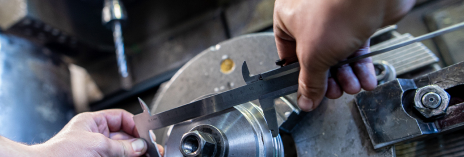
    Inspection depends on the part and project requirements. Mastars supports FAI, in-process inspection, dimensional verification, final inspection, CMM, optical measuring equipment, height gauges, and other inspection tools. The inspection scope should focus on critical dimensions, fit, finish, and customer-defined requirements.

  • Can you provide quality documentation for urgent or repeat orders?

    Yes, depending on project requirements. Available documentation can include FAI, dimensional inspection, CMM inspection, and production quality records. If you require material certificates, CoC, PPAP, or other specific documents, include those requirements during quoting so availability and scope can be confirmed before manufacturing.

  • How long does on-demand manufacturing take?

    It depends on the process and part requirements. CNC machining, sheet metal fabrication, or 3D printing may start faster when no dedicated tooling is required, while molding, casting, special materials, complex finishes, or detailed inspection can add lead time. Once we review your files, quantity, and requirements, we can confirm the manufacturing route and estimated delivery timeline.

Tell Us About Your Project

Share your project details and files with us. Rough information is fine to start. Our engineering consultant will contact you within 24 hours.

Verification code