



Key Considerations for Selecting a Medical Product Mold Manufacturer: A Comprehensive Guide


The medical device industry is one of the most regulated and precision-driven sectors globally, where even the smallest defect can have life-threatening consequences. Medical product molds serve as the foundation for producing critical components—from disposable syringes and implantable devices to diagnostic equipment housings and surgical instruments. Unlike molds used in consumer goods or automotive industries, medical molds must adhere to stringent quality standards, regulatory compliance requirements, and exacting precision specifications. Selecting the right medical product mold manufacturer is therefore not just a procurement decision; it is a strategic choice that directly impacts product safety, regulatory approval, production efficiency, and long-term business success.
In an increasingly competitive market, medical device companies face numerous challenges when choosing a mold manufacturing partner. With a wide range of manufacturers offering varying levels of expertise, technology, and compliance capabilities, navigating the selection process can be overwhelming. This comprehensive guide aims to demystify the key factors that medical device companies must consider when selecting a medical product mold manufacturer, providing actionable insights to help businesses make informed decisions that align with their product goals, regulatory obligations, and operational needs.
1. Introduction: The Critical Role of Medical Product Molds in Healthcare
Medical product molds are specialized tools used to shape materials—such as plastics, metals, and elastomers—into precise medical components. These molds are essential for mass production, ensuring consistency, accuracy, and repeatability in every part produced. Unlike molds for non-medical applications, medical molds must meet unique requirements driven by the industry’s focus on patient safety, sterility, and biocompatibility. For example, a mold used to produce a surgical instrument must be designed to prevent contamination, maintain tight tolerances to ensure the instrument functions correctly, and be made from materials that do not react with human tissue or bodily fluids.
The consequences of choosing an inadequate mold manufacturer are far-reaching. A poorly designed or manufactured mold can lead to defective components, which may result in product recalls, regulatory penalties, damage to brand reputation, and even harm to patients. In contrast, a reliable mold manufacturer can serve as a strategic partner, helping medical device companies accelerate product development, reduce time-to-market, ensure regulatory compliance, and maintain consistent product quality.
This guide will break down the selection process into actionable steps, focusing on the most critical factors that differentiate high-quality medical mold manufacturers from their competitors. From regulatory compliance and technical expertise to quality control and supply chain reliability, each factor plays a vital role in ensuring that the chosen manufacturer can meet the unique demands of the medical device industry.
2. Regulatory Compliance: The Non-Negotiable Foundation
Regulatory compliance is the cornerstone of medical device manufacturing, and mold manufacturers are no exception. Medical device companies must ensure that their mold partners adhere to all relevant local and international regulations, as non-compliance can result in delayed product approvals, fines, or even market exclusion. The specific regulatory requirements vary by region, but the most widely recognized standards include the U.S. Food and Drug Administration (FDA) regulations, the European Union’s Medical Device Regulation (MDR), ISO 13485 (Quality Management Systems for Medical Devices), and ISO 9001 (Quality Management Systems).
2.1 Understanding Key Regulatory Standards
ISO 13485 is perhaps the most critical standard for medical mold manufacturers. This standard specifies the requirements for a quality management system (QMS) that ensures medical devices are consistently designed, developed, produced, and distributed to meet customer and regulatory requirements. A manufacturer certified to ISO 13485 has demonstrated a commitment to quality and compliance, with processes in place to control design, production, testing, and documentation.
In the United States, the FDA regulates medical devices under the Federal Food, Drug, and Cosmetic Act (FD&C Act) and the Quality System Regulation (QSR), also known as 21 CFR Part 820. The QSR requires medical device manufacturers—including mold makers—to establish and maintain a QMS that covers all aspects of production, from design control to corrective and preventive actions (CAPA). Mold manufacturers that supply components for FDA-regulated devices must comply with these requirements, as their molds directly impact the safety and effectiveness of the final product.
In the European Union, the MDR (Regulation (EU) 2017/745) replaced the previous Medical Device Directive (MDD) in 2021, imposing stricter requirements for medical device safety and performance. Mold manufacturers supplying to the EU market must ensure that their processes and products meet the MDR’s requirements, including documentation of conformity, risk management, and post-market surveillance.
2.2 Verifying Compliance Credentials
When evaluating a mold manufacturer, medical device companies should request and verify the manufacturer’s compliance credentials. This includes ISO 13485 certification, FDA registration (if applicable), and any other relevant certifications or regulatory approvals. It is also important to review the manufacturer’s QMS documentation, including their quality manual, standard operating procedures (SOPs), and records of internal audits and corrective actions.
Additionally, companies should inquire about the manufacturer’s experience with regulatory audits. A reputable manufacturer will have a history of successfully passing FDA, EU, or other regulatory audits, demonstrating their ability to maintain compliance over time. It is also beneficial to ask for references from other medical device companies that have worked with the manufacturer, as this can provide insights into the manufacturer’s compliance track record.
2.3 Compliance in Design and Production
Regulatory compliance is not just about certifications; it must be integrated into every stage of the mold design and production process. For example, mold design must be documented in accordance with design control requirements, including design inputs, design outputs, design reviews, and design validation. The manufacturer should have processes in place to ensure that all design changes are properly evaluated and approved, with documentation maintained to demonstrate compliance.
In production, the manufacturer must implement process controls to ensure that molds are produced to the required specifications. This includes monitoring and documenting key production parameters, such as temperature, pressure, and cycle time, to ensure consistency and repeatability. The manufacturer should also have a robust inspection and testing program to verify that each mold meets the required quality standards before it is delivered to the customer.
3. Technical Expertise and Specialization in Medical Molds
Medical product molds require a high level of technical expertise due to their complex designs, tight tolerances, and unique material requirements. Unlike consumer goods molds, which may prioritize cost and speed over precision, medical molds must be designed and manufactured to meet exacting standards to ensure the safety and effectiveness of the final medical device. Therefore, the technical expertise and specialization of the mold manufacturer are critical factors in the selection process.
3.1 Mold Design Capabilities
The design phase is the foundation of a high-quality medical mold. A reputable mold manufacturer should have a team of experienced design engineers who specialize in medical mold design. These engineers should be familiar with the unique requirements of medical devices, including biocompatibility, sterility, and tight tolerances. They should also be proficient in using advanced design software, such as CAD (Computer-Aided Design) and CAE (Computer-Aided Engineering), to optimize mold design for performance, durability, and ease of production.
Key design considerations for medical molds include:
• Tolerance Control: Medical components often require tight tolerances (sometimes as low as ±0.001 inches) to ensure proper fit and function. The mold design must account for material shrinkage, thermal expansion, and other factors that can affect dimensional accuracy.
• Sterility: Molds used to produce sterile medical devices must be designed to prevent contamination. This includes features such as smooth surfaces, minimal crevices, and easy cleaning and sterilization.
• Biocompatibility: The materials used in the mold must be biocompatible if they come into contact with human tissue or bodily fluids. The mold design should also prevent leaching of harmful substances from the mold into the medical component.
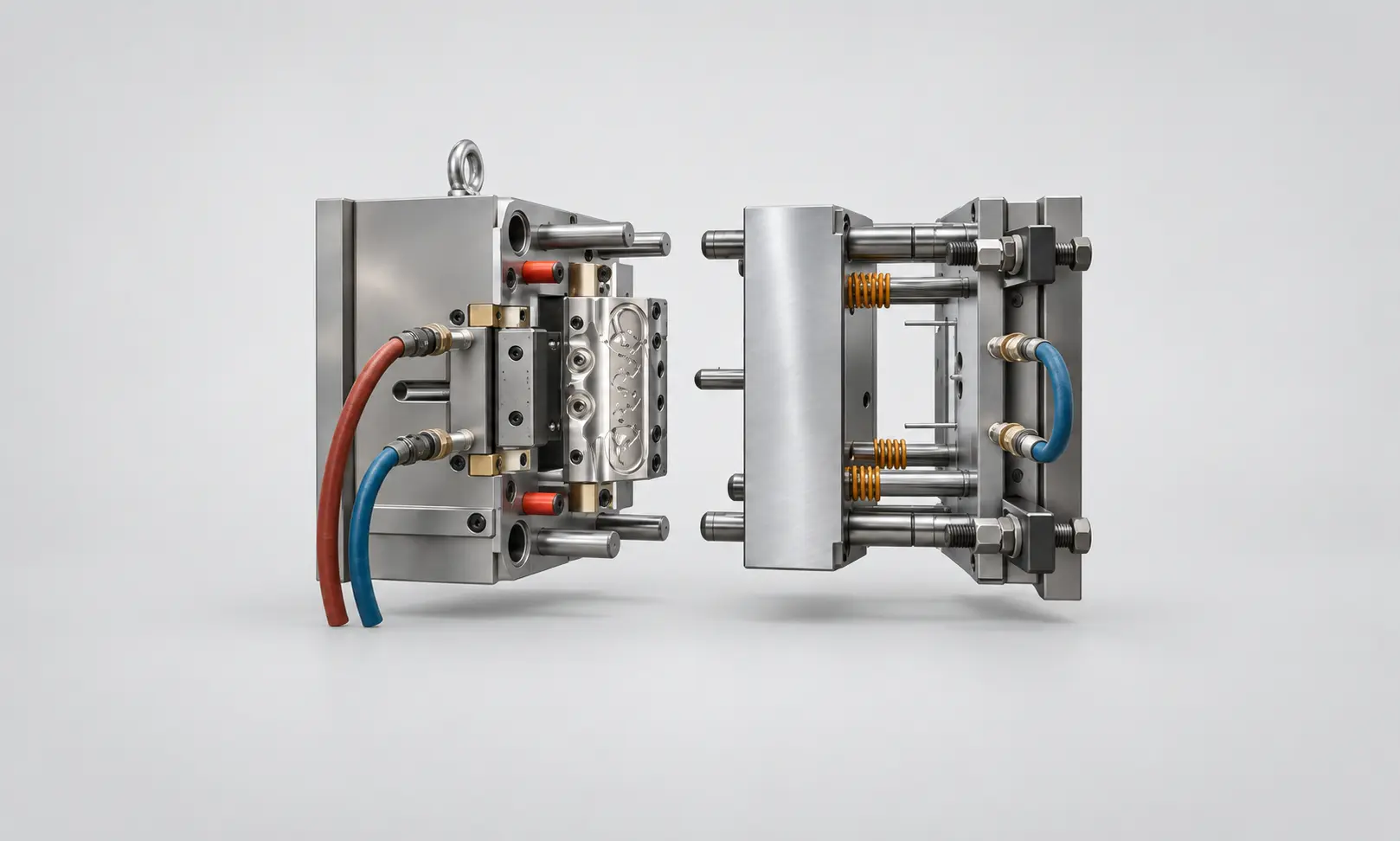
• Production Efficiency: The mold should be designed to maximize production efficiency, with features such as multi-cavity designs, hot runner systems, and automated ejection to reduce cycle times and increase output.
When evaluating a manufacturer’s design capabilities, medical device companies should review examples of past medical mold designs, inquire about the engineer’s experience in the medical industry, and ask about the manufacturer’s design validation processes. A manufacturer that can provide detailed design documentation, including finite element analysis (FEA) reports and design reviews, demonstrates a commitment to technical excellence.
3.2 Manufacturing Capabilities and Technology
The manufacturing process is just as important as the design phase in ensuring the quality of medical molds. A reputable mold manufacturer should have state-of-the-art manufacturing equipment and processes to produce molds with the required precision and consistency. Key manufacturing capabilities to look for include:
• CNC Machining: Computer Numerical Control (CNC) machining is essential for producing precise mold components. The manufacturer should have a range of CNC machines, including vertical and horizontal machining centers, wire EDM (Electrical Discharge Machining), and sinker EDM, to handle complex mold geometries.
• EDM Technology: EDM is used to produce intricate mold details that are difficult to achieve with traditional machining. Wire EDM is ideal for cutting complex shapes and tight tolerances, while sinker EDM is used for creating cavities and other internal features.
• Polishing and Finishing: Medical molds require a high-quality surface finish to prevent contamination and ensure the smooth release of the medical component. The manufacturer should have specialized polishing equipment and processes to achieve the required surface roughness (often measured in Ra values).
• Material Selection: The materials used in the mold must be compatible with the medical component material and meet biocompatibility requirements. Common mold materials for medical applications include stainless steel, tool steel (such as H13 and S7), and copper alloys. The manufacturer should have expertise in selecting the right material for each application, considering factors such as durability, corrosion resistance, and cost.
In addition to equipment, the manufacturer should have a skilled workforce with experience in medical mold manufacturing. This includes machinists, polishers, and quality control technicians who are trained in the specific requirements of the medical industry. Companies should also inquire about the manufacturer’s process control systems, such as statistical process control (SPC), which helps ensure that production processes are stable and consistent.
3.3 Specialization in Medical Applications
Not all mold manufacturers have experience in medical applications. It is important to select a manufacturer that specializes in medical product molds, as they will have a deeper understanding of the industry’s unique requirements. A manufacturer that focuses on medical molds will be familiar with the latest regulatory standards, material requirements, and design best practices for medical devices.
When evaluating a manufacturer’s specialization, companies should ask about their experience with similar medical products. For example, if a company is developing an implantable device, they should look for a manufacturer that has experience producing molds for implantable components. Similarly, if the product is a disposable medical device, the manufacturer should have experience with high-volume, cost-effective mold designs.
It is also beneficial to inquire about the manufacturer’s research and development (R&D) capabilities. A manufacturer with strong R&D capabilities can help medical device companies innovate, develop new mold designs, and improve production processes. This is particularly important for companies developing cutting-edge medical devices that require custom mold solutions.
4. Quality Control and Testing: Ensuring Consistency and Reliability
Quality control (QC) and testing are critical components of medical mold manufacturing, as they ensure that each mold meets the required specifications and quality standards. A robust QC program should be implemented throughout the entire mold design and production process, from raw material inspection to final mold testing.
4.1 Raw Material Inspection
The quality of the mold starts with the quality of the raw materials. A reputable mold manufacturer should have a strict raw material inspection process to ensure that all materials used in the mold meet the required specifications. This includes testing for material composition, hardness, corrosion resistance, and biocompatibility (if applicable). The manufacturer should maintain documentation of all raw material inspections, including certificates of analysis (COA) from material suppliers.
4.2 In-Process Quality Control
In-process QC involves monitoring and testing the mold during the manufacturing process to identify and correct any defects early. This includes inspecting mold components after each machining operation, verifying dimensional accuracy using precision measuring tools (such as coordinate measuring machines (CMMs), micrometers, and calipers), and testing surface finish using profilometers.
The manufacturer should have a documented in-process QC plan that outlines the inspection points, testing methods, and acceptance criteria. This plan should be followed consistently to ensure that all mold components meet the required standards. In addition, the manufacturer should use statistical process control (SPC) to monitor production processes and identify any trends or variations that could affect quality.
4.3 Final Mold Testing and Validation
Before a mold is delivered to the customer, it must undergo final testing and validation to ensure that it performs as intended. This includes mold tryouts, where the mold is used to produce sample parts that are then inspected for dimensional accuracy, surface finish, and other quality characteristics. The sample parts should be tested to ensure that they meet the medical device’s specifications and regulatory requirements.
Mold validation is a critical step in the process, as it demonstrates that the mold can consistently produce high-quality parts. The manufacturer should provide a validation report that includes details of the mold tryout, test results, and any corrective actions taken. This report can be used by the medical device company to support their own regulatory submissions.
4.4 Quality Documentation
Documentation is a key component of quality control in the medical industry. A reputable mold manufacturer should maintain comprehensive quality documentation, including:
Raw material inspection recordsIn-process inspection reportsFinal mold testing and validation reportsDesign documentation (including design inputs, outputs, and reviews)Corrective and preventive action (CAPA) recordsThis documentation is essential for regulatory compliance, as it provides evidence that the mold was manufactured in accordance with quality standards. Medical device companies should review this documentation to ensure that it is complete, accurate, and meets their regulatory requirements.
5. Material Expertise: Selecting the Right Materials for Medical Molds
The selection of materials for medical molds is a critical decision that impacts the performance, durability, and biocompatibility of the mold and the final medical device. Medical molds must be made from materials that are compatible with the medical component material, resistant to corrosion and wear, and meet biocompatibility requirements if they come into contact with human tissue or bodily fluids.
5.1 Common Materials for Medical Molds
The choice of mold material depends on several factors, including the type of medical component, the production volume, the material of the component, and the required tolerances. Some of the most common materials used in medical mold manufacturing include:
• Tool Steel: Tool steel is a popular choice for medical molds due to its high hardness, wear resistance, and durability. Common types of tool steel used in medical molds include H13, S7, and P20. H13 is particularly well-suited for high-temperature applications, such as injection molding of thermoplastics, while S7 is ideal for molds that require high impact resistance.
• Stainless Steel: Stainless steel is used for molds that require corrosion resistance, such as those used in the production of sterile medical devices. Austenitic stainless steels (such as 316L) are often used due to their excellent corrosion resistance and biocompatibility.
• Copper Alloys: Copper alloys, such as beryllium copper, are used for molds that require good thermal conductivity. This is particularly important for injection molding of materials that require rapid cooling, such as high-performance plastics.
• Aluminum: Aluminum is used for low-volume production molds or prototype molds, as it is lightweight and easy to machine. However, aluminum is not as durable as tool steel or stainless steel, so it is not suitable for high-volume production.
5.2 Biocompatibility Considerations
For medical molds that come into contact with human tissue or bodily fluids (such as molds used to produce implantable devices or disposable medical products), biocompatibility is a critical requirement. The mold material must be non-toxic, non-irritating, and non-carcinogenic, and it must not leach harmful substances into the medical component.
The manufacturer should have expertise in selecting biocompatible materials and should be able to provide documentation of biocompatibility testing, such as ISO 10993 (Biological Evaluation of Medical Devices). This standard outlines the requirements for evaluating the biocompatibility of medical devices and their components, including mold materials.
5.3 Material Compatibility with Medical Component Materials
The mold material must also be compatible with the material of the medical component. For example, if the medical component is made from a high-temperature plastic, the mold material must be able to withstand the high temperatures used in the injection molding process. Similarly, if the component is made from a corrosive material, the mold material must be resistant to corrosion.
The manufacturer should have experience working with a wide range of medical component materials, including thermoplastics (such as polyethylene, polypropylene, and polycarbonate), thermosets, elastomers (such as silicone and latex), and metals. They should be able to recommend the best mold material for each application based on the component material and production requirements.
6. Supply Chain Reliability and Lead Time Management
In the medical device industry, time-to-market is critical, and delays in mold production can have a significant impact on product launch schedules. Therefore, supply chain reliability and lead time management are important factors to consider when selecting a mold manufacturer. A reliable manufacturer should have a robust supply chain, efficient production processes, and a proven track record of meeting delivery deadlines.
6.1 Lead Time Estimation and Management
The lead time for medical mold production can vary depending on the complexity of the mold, the materials used, and the manufacturer’s production capacity. A reputable manufacturer should be able to provide a detailed lead time estimate upfront, including the time required for design, manufacturing, testing, and validation. They should also have processes in place to manage lead times, such as prioritizing medical orders, optimizing production schedules, and maintaining adequate inventory of raw materials.
It is important to discuss lead time expectations with the manufacturer early in the selection process. Medical device companies should ask about the manufacturer’s typical lead times for similar molds and inquire about their ability to meet tight deadlines if needed. They should also ask about the manufacturer’s contingency plans in case of production delays, such as equipment breakdowns or material shortages.
6.2 Supply Chain Resilience
A robust supply chain is essential for ensuring that the manufacturer can source raw materials and components in a timely manner. The manufacturer should have multiple suppliers for critical raw materials to avoid disruptions due to supplier issues. They should also have processes in place to monitor supplier performance and ensure that suppliers meet quality and delivery requirements.
Medical device companies should inquire about the manufacturer’s supply chain management practices, including their supplier qualification process, inventory management systems, and risk mitigation strategies. A manufacturer with a resilient supply chain is better able to handle unexpected disruptions and ensure that mold production stays on track.
6.3 Communication and Transparency
Effective communication is key to managing lead times and ensuring supply chain reliability. The manufacturer should provide regular updates on the progress of mold production, including design milestones, manufacturing status, and any potential delays. They should also be responsive to customer inquiries and provide clear and transparent information about the production process.
Medical device companies should evaluate the manufacturer’s communication processes during the selection process. This includes asking about how often they will provide updates, who the primary contact will be, and how they handle customer feedback. A manufacturer that prioritizes communication and transparency is more likely to meet the customer’s expectations and deliver molds on time.
7. Cost Considerations: Balancing Quality and Affordability
Cost is always a consideration in any procurement decision, but in the medical device industry, quality and regulatory compliance must never be compromised for cost savings. However, this does not mean that cost should be ignored. Medical device companies must balance the need for high-quality molds with the need to maintain a competitive cost structure.
7.1 Understanding Mold Cost Drivers
The cost of a medical mold is influenced by several factors, including:
Mold Complexity: Complex molds with intricate designs, tight tolerances, or multi-cavity configurations will be more expensive to produce than simple molds.Material Selection: High-quality materials, such as tool steel and stainless steel, are more expensive than lower-quality materials, but they offer better durability and performance.Production Volume: Molds for high-volume production may require more robust designs and materials, which can increase costs. However, the cost per part may be lower due to the higher production volume.Testing and Validation: The cost of testing and validating the mold to meet regulatory requirements can add to the overall cost.Medical device companies should work with the manufacturer to understand the cost drivers and identify opportunities to optimize costs without compromising quality. For example, simplifying the mold design (if possible) or using alternative materials that meet the required specifications can help reduce costs.
7.2 Avoiding Hidden Costs
When evaluating mold manufacturers, it is important to look beyond the initial mold cost and consider potential hidden costs. These can include:
Maintenance Costs: Poorly designed or manufactured molds may require more frequent maintenance, which can increase long-term costs.Defect Costs: Molds that produce defective parts can lead to additional costs, such as rework, scrap, and product recalls.Regulatory Costs: Non-compliant molds can result in regulatory penalties, which can be costly for medical device companies.A reputable mold manufacturer will provide a detailed cost quote that includes all aspects of mold design, production, testing, and validation. They should also be transparent about any potential additional costs, such as maintenance or design changes.
7.3 Value Over Cost
While cost is an important factor, medical device companies should prioritize value over the lowest initial cost. A high-quality mold from a reliable manufacturer may cost more upfront, but it can save money in the long run by reducing maintenance costs, minimizing defects, and ensuring regulatory compliance. Investing in a high-quality mold can also help accelerate time-to-market, which can lead to increased revenue and market share.
8. Customer Support and After-Sales Service
The relationship with the mold manufacturer does not end when the mold is delivered. Medical device companies require ongoing support and after-sales service to ensure that the mold continues to perform optimally. A reputable manufacturer should provide comprehensive customer support, including technical assistance, maintenance services, and mold repair.
8.1 Technical Support
The manufacturer should provide technical support to help the medical device company optimize the mold for production. This includes assistance with mold setup, process optimization, and troubleshooting. The manufacturer should have a team of technical experts who are available to answer questions and provide guidance when needed.
8.2 Maintenance and Repair Services
Medical molds require regular maintenance to ensure their longevity and performance. The manufacturer should offer maintenance services, such as cleaning, polishing, and part replacement, to keep the mold in good condition. They should also provide prompt repair services in case of mold damage or breakdowns, to minimize production downtime.
8.3 Long-Term Partnership
Selecting a mold manufacturer is a long-term decision, and medical device companies should look for a manufacturer that is committed to building a long-term partnership. This includes understanding the customer’s needs, providing proactive support, and continuously improving their products and services. A manufacturer that views the customer as a partner is more likely to go above and beyond to meet their needs and help them succeed.
9. Case Studies: Lessons Learned from Successful Mold Manufacturer Partnerships
To illustrate the importance of selecting the right medical product mold manufacturer, let’s look at two case studies of successful partnerships between medical device companies and mold manufacturers.
9.1 Case Study 1: Implantable Device Manufacturer
A medical device company specializing in implantable orthopedic devices was developing a new hip implant. The company needed a mold that could produce the implant with tight tolerances (±0.0005 inches) and meet biocompatibility requirements. They selected a mold manufacturer with ISO 13485 certification and extensive experience in implantable device molds.
The manufacturer worked closely with the medical device company to design the mold, using advanced CAD/CAE software to optimize the mold geometry for dimensional accuracy and biocompatibility. They used 316L stainless steel for the mold material to ensure corrosion resistance and biocompatibility. The manufacturer also implemented a rigorous quality control program, including in-process inspection and final mold validation, to ensure that the mold met the required specifications.
As a result, the mold produced high-quality hip implants that met all regulatory requirements. The medical device company was able to launch the product on time, and the mold performed reliably for years, with minimal maintenance required. The partnership between the two companies continued, with the mold manufacturer providing ongoing support and helping the medical device company develop new implant designs.
9.2 Case Study 2: Disposable Medical Device Manufacturer
A company producing disposable syringes needed a high-volume mold that could produce 100,000 syringes per day. The company required a mold that was cost-effective, durable, and easy to clean and sterilize. They selected a mold manufacturer with experience in high-volume disposable medical device molds.
The manufacturer designed a multi-cavity mold with a hot runner system to maximize production efficiency. They used H13 tool steel for the mold material to ensure durability and wear resistance. The mold was designed with smooth surfaces and minimal crevices to facilitate cleaning and sterilization. The manufacturer also provided training to the medical device company’s production team on mold setup and maintenance.
The mold exceeded the company’s expectations, producing high-quality syringes at the required volume. The manufacturer provided prompt maintenance services when needed, ensuring minimal production downtime. The partnership helped the medical device company reduce production costs and increase market share.
10. Conclusion: A Strategic Approach to Selecting a Medical Product Mold Manufacturer
Selecting the right medical product mold manufacturer is a critical decision that requires a strategic approach. Medical device companies must prioritize regulatory compliance, technical expertise, quality control, material expertise, supply chain reliability, cost-effectiveness, and customer support. By carefully evaluating these factors, companies can select a manufacturer that not only meets their immediate needs but also serves as a long-term partner in their success.
The medical device industry is constantly evolving, with new technologies, materials, and regulatory requirements emerging regularly. A reputable mold manufacturer should be able to adapt to these changes, continuously improving their products and services to meet the evolving needs of the industry. By partnering with such a manufacturer, medical device companies can ensure that they have the tools and support they need to develop and produce safe, effective, and compliant medical devices.
In summary, the key steps to selecting a medical product mold manufacturer are:
Verify regulatory compliance credentials, including ISO 13485 certification and FDA registration (if applicable).Evaluate the manufacturer’s technical expertise and specialization in medical mold design and production.Assess the manufacturer’s quality control and testing processes to ensure consistency and reliability.Review the manufacturer’s material expertise and ability to select biocompatible, high-quality materials.Evaluate supply chain reliability and lead time management to ensure on-time delivery.Balance cost considerations with quality and value to avoid hidden costs.Assess the manufacturer’s customer support and after-sales service to ensure ongoing support.By following these steps, medical device companies can make informed decisions that align with their product goals, regulatory obligations, and operational needs, ultimately ensuring the success of their medical device products in the global market.
Hot Articles
Hot Tags
Stay Connected!


Manufacturing on Demand
Please fill in the following information to obtain plan details (information is confidential and not disclosed publicly), we will contact you within 24 hours, please keep your phone available!
Upload a 3D/2D model to see instant pricing, lead time, and DFM feedback.