Liquid Silicone Injection Molding Service
Get custom silicone rubber parts in just days.
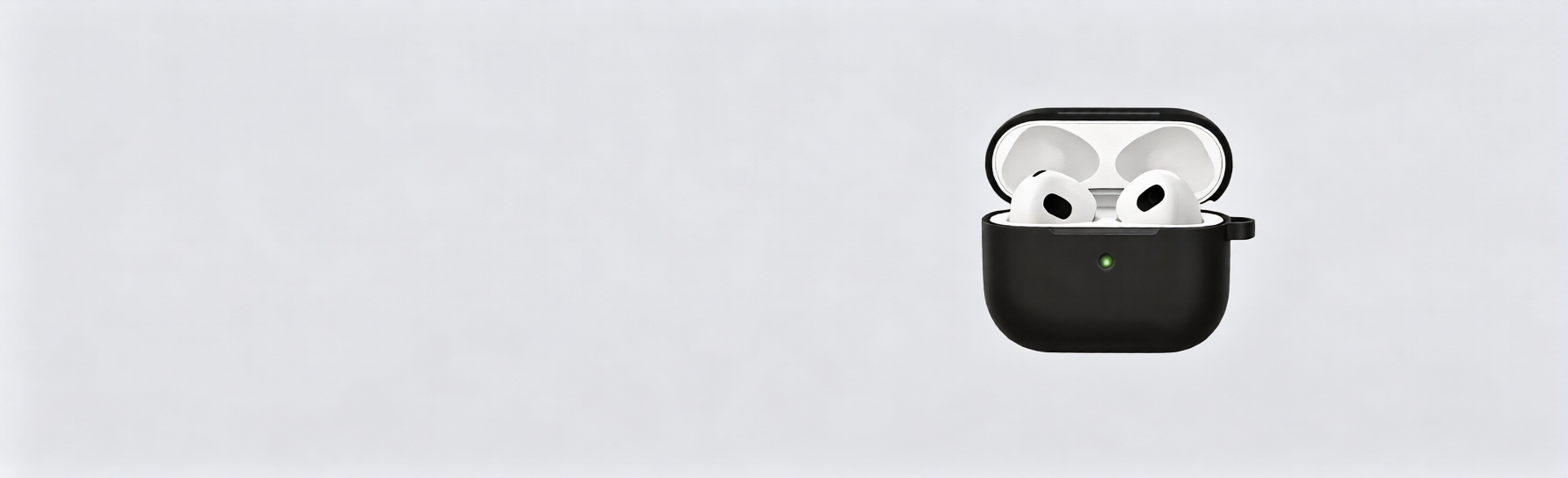
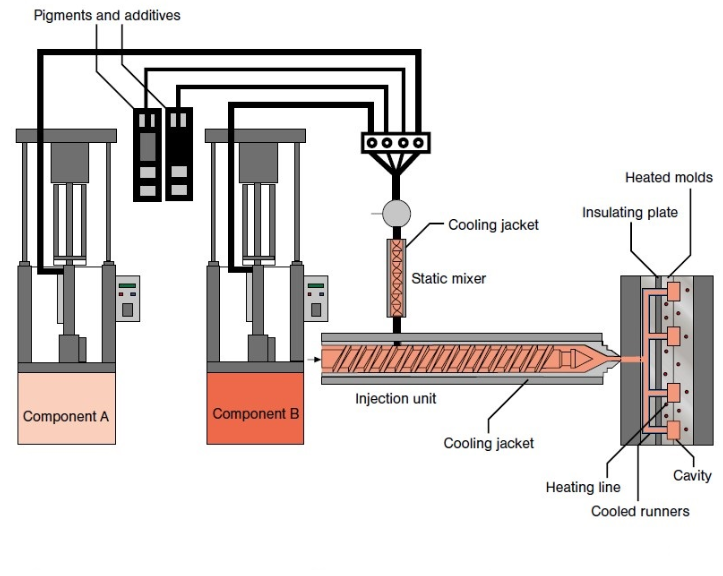
Liquid Silicone Rubber (LSR) injection molding uses two‑part liquid silicone cured in a heated mold to produce precise, durable parts. The material’s flexibility, heat resistance, and biocompatibility suit demanding applications. The cycle—metering and mixing A/B, injecting into a preheated mold, and high‑temperature curing—yields consistent quality with complex geometries and tight tolerances.
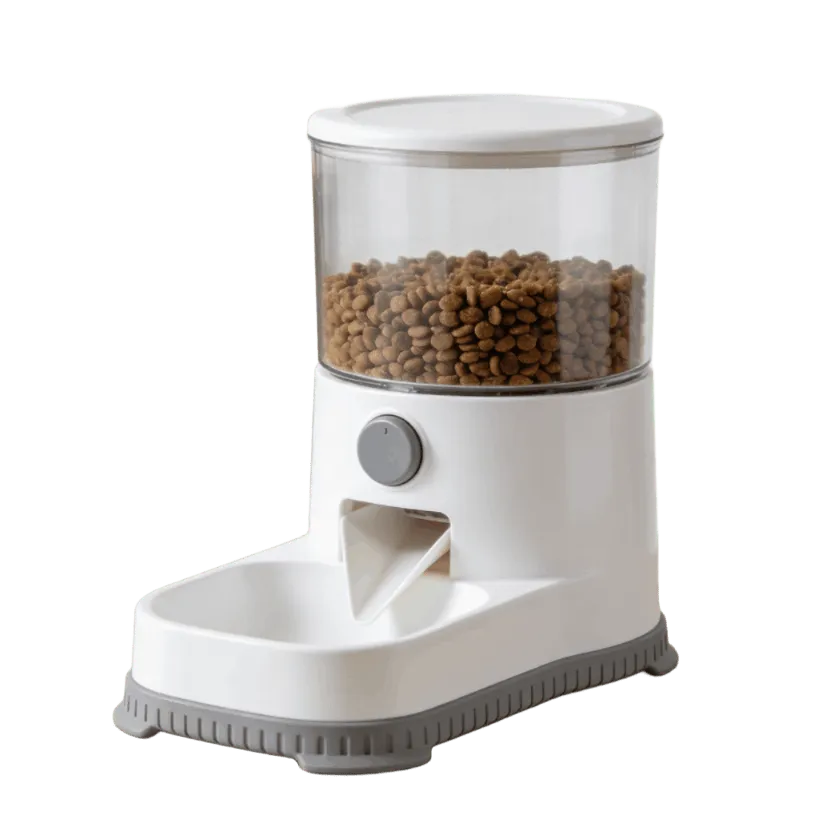
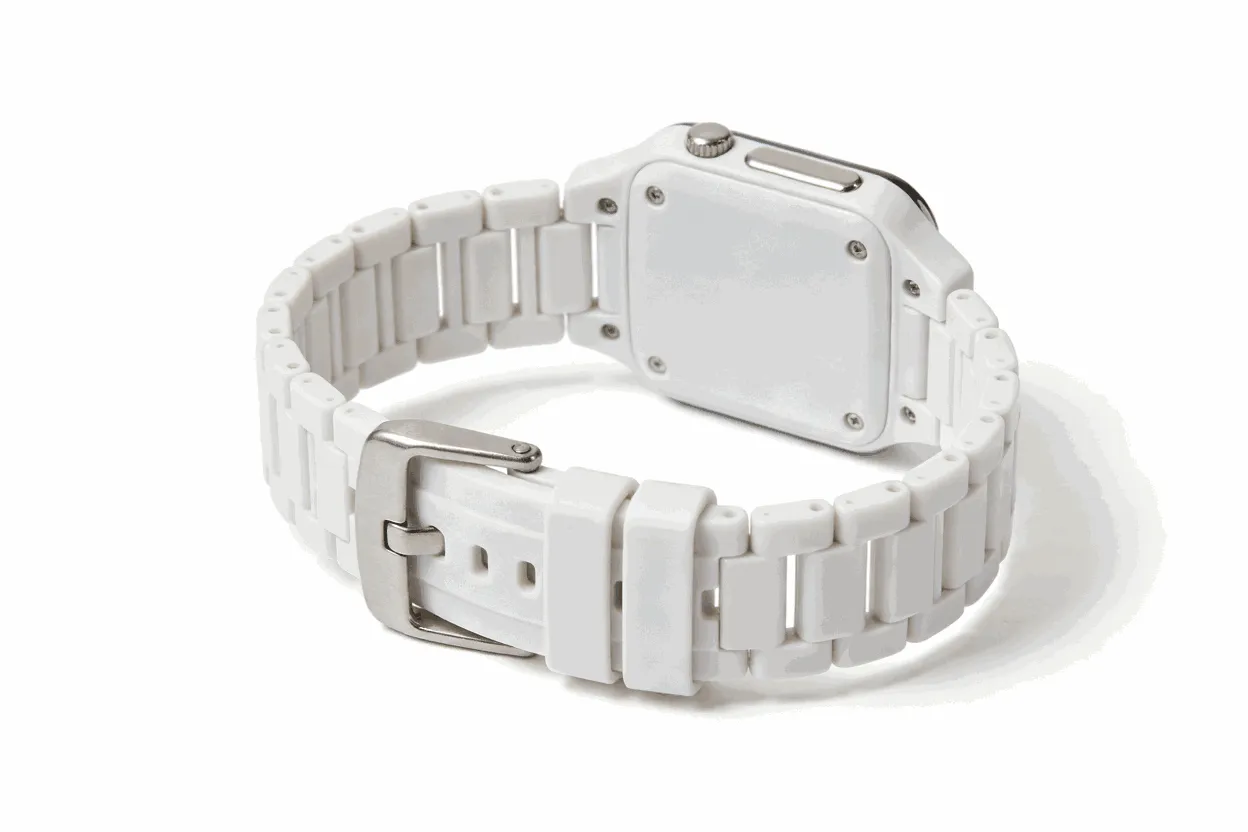
Used across automotive (seals, gaskets, dampers), medical devices (implants, tubing), consumer goods (baby and kitchenware), and electronics (heat‑resistant components), LSR molding ensures biocompatibility, high‑temperature performance, and dimensional accuracy for high‑volume, repeatable production.

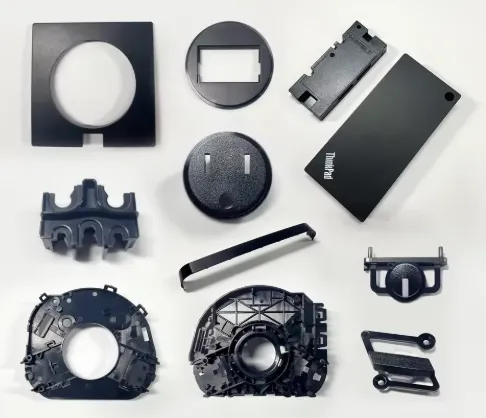
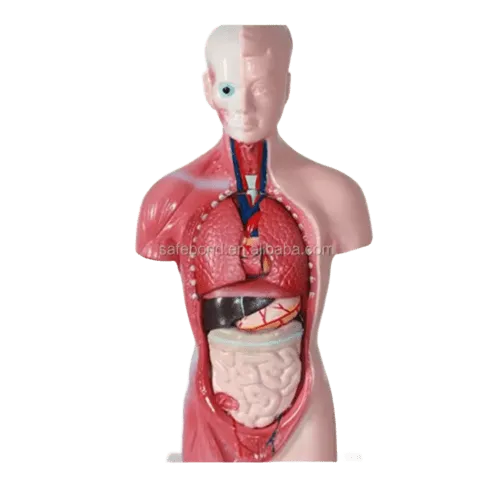
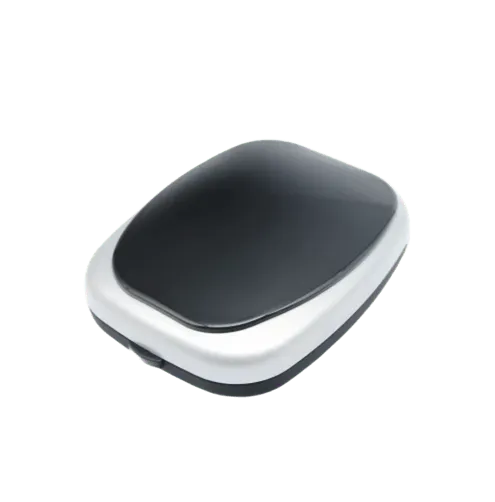
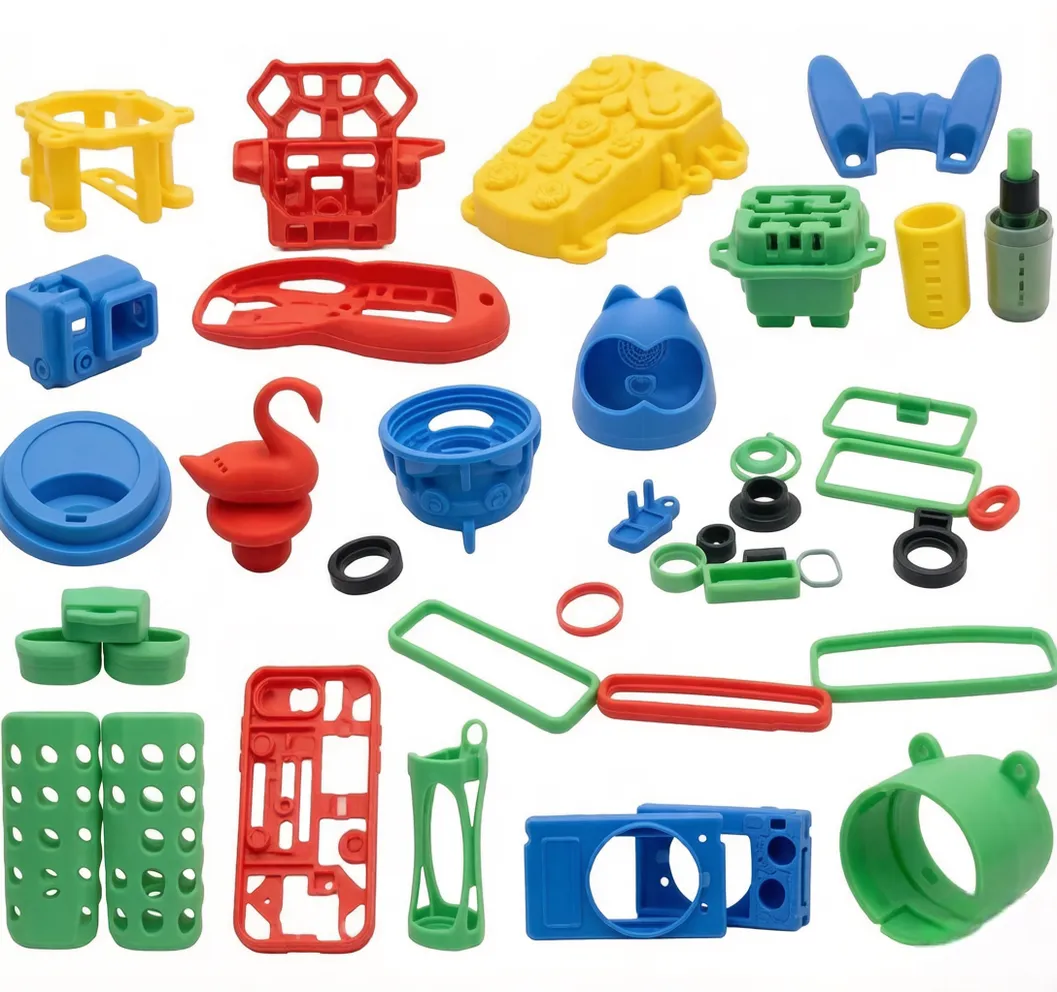
Products of Mastars LSR Injection Molding
How Does Liquid Silicone Rubber Injection Molding Work?


Mastars Injection Molding Capabilities
| Service | Details | |||
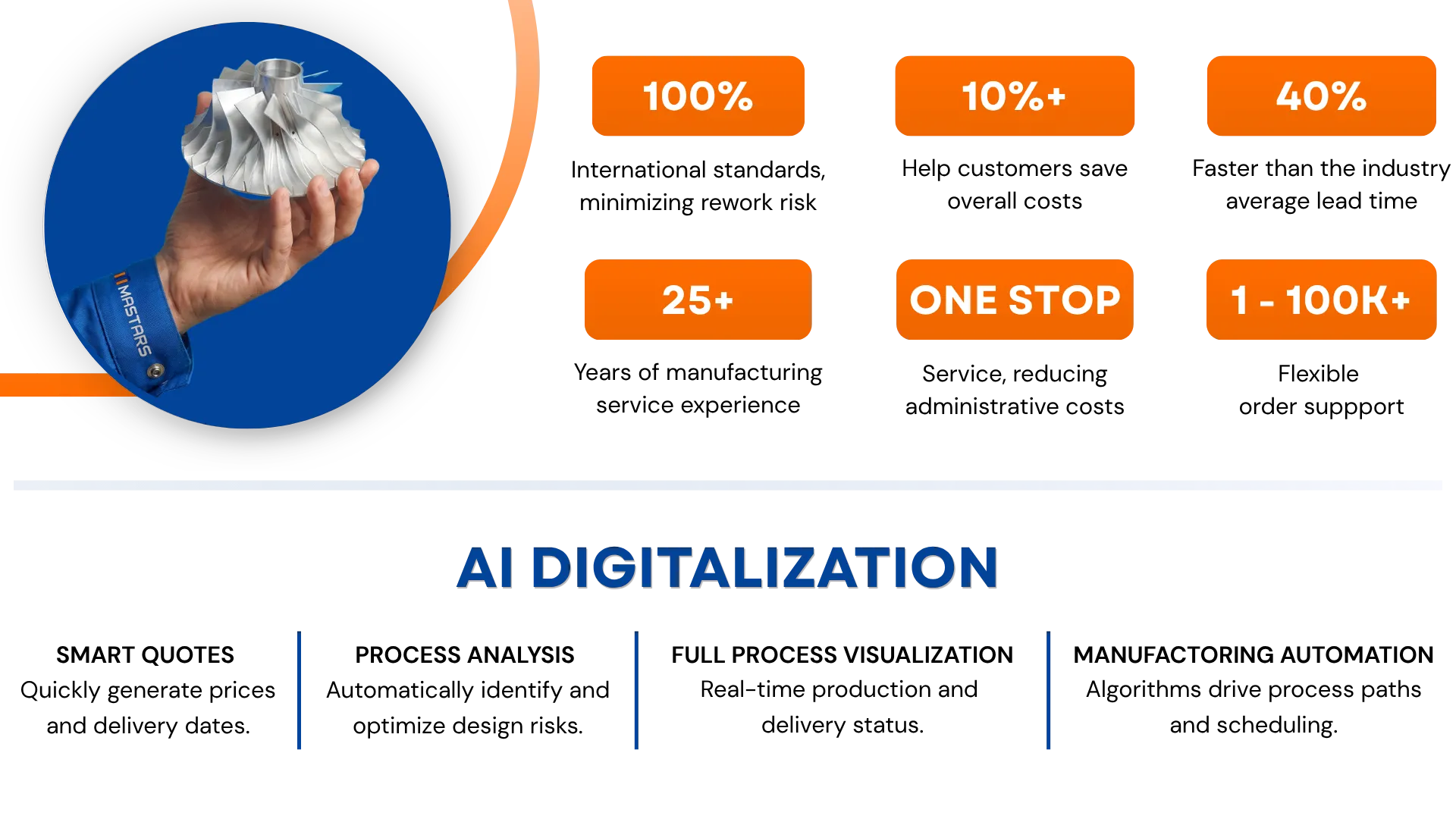
| Lead Time | Starts at 15 business days, including 24-hour quote responses with design-for-manufacturing (DFM) feedback | |||
| Production Options | Domestic and international | |||
| Machines Available | Single, multi-cavity, and family molds; 50 to 3,700+ press tonnage; side actions including hand-loaded cores | |||
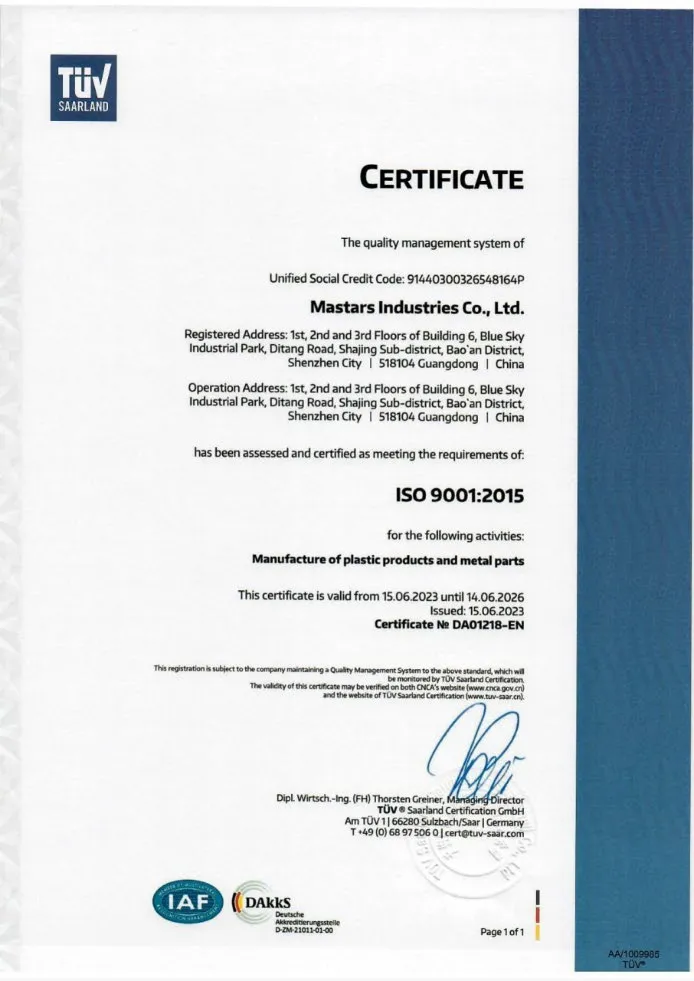
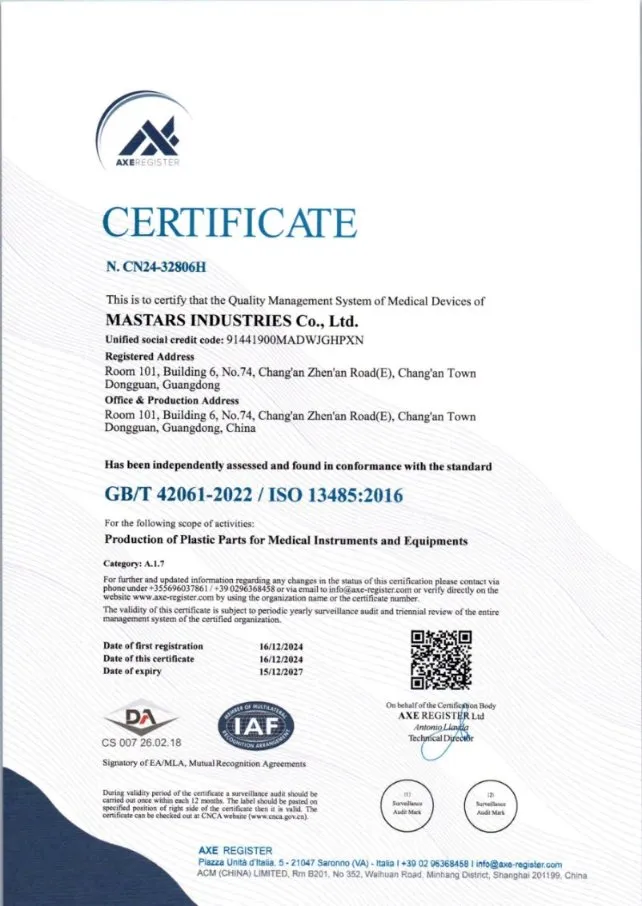
| Inspection and Certification Options | Includes FAI and PPAP. ISO 9001, AS9100, ISO 13485, UL, ITAR, and ISO 7 and 8 Medical Clean Room molding. | |||
| Tool Ownership | Customer-owned with mold maintenance | |||
| Mold Cavity Tolerances | +/- 0.005" when machining the mold and an additional +/- 0.002" per inch when calculating for shrink rate | |||
| Part to Part Repeatability | +/- 0.004" or less | |||
| Critical Feature Tolerances | Tighter tolerances can be requested and may increase the cost of tooling because of additional sampling and grooming. Xometry will mill to a steel-safe condition on critical features. | |||
| Available Mold Types | Steel and aluminum; Production grades range from Class 105, a prototype mold, to Class 101, an extremely high production mold. Xometry typically produces Class 104, 103, and 102 tools. | |||
Materials Used in Liquid Silicone Rubber Injection Molding
| Materials | Key Properties | |||
| Platinum-Cured Silicone (PCS) | Density: 1.10 to 1.25 g/cm³, Cure/Processing Temperature (typical): 160 to 200 °C., Tensile Strength: 8 to 15 MPa, Flexural Modulus: 2.0 to 3.0 MPa | |||
| Peroxide-Cured Silicone (PVS) | Density: 1.10 to 1.25 g/cm³, Service Temperature: Ranges from -50 °C to 200 °C, with a curing/processing temperature range of about 160 °C to 220 °C., Tensile Strength: 6 to 12 MPa, depending on formulation and curing conditions., Flexural Modulus: 1.5 to 2.5 MPa | |||

| Fluorosilicone (FVMQ) | Density: 1.35 to 1.45 g/cm³, Cure/Processing Temperature (typical): -50°C to 250°C, Tensile Strength: 7 to 12 MPa, Flexural Modulus: 1.0 to 2.5 MPa | |||
| High Consistency Rubber (HCR) | Density: 1.10 to 1.25 g/cm³, Cure Temperature Range: typically 170 °C to 220 °C, depending on the formulation., Tensile Strength: 8 to 12 MPa (depending on formulation), Flexural Modulus: 2.0 to 3.0 MPa | |||
| Low Consistency Silicone (LCS) | Density: 1.10 to 1.20 g/cm³, Cure Temperature Range: typically 150°C to 200°C, depending on the formulation and application., Tensile Strength: 6 to 10 MPa (depending on formulation), Flexural Modulus: 1.2 to 1.8 MPa | |||
| Thermoplastic Elastomer (TPE) Silicone Blends | Density: 0.90 to 1.20 g/cm³, Softening Point: 200°C to 250°C, depending on the specific blend and formulation., Tensile Strength: 5 to 15 MPa, depending on formulation and processing conditions., Flexural Modulus: 5 to 15 MPa, depending on the specific blend and application. | |||
| Medical-Grade Silicone (MGS) | Density: 1.10 to 1.20 g/cm³, Cure/Processing Temperature: typically 150°C to 200°C, depending on the formulation., Tensile Strength: 7 to 12 MPa, Flexural Modulus: 1.5 to 3.0 MPa | |||
| Food-Grade Silicone (FGS) | Density: 1.10 to 1.20 g/cm³, Softening Point: Ranges from 180°C to 220°C, depending on the specific formulation., Tensile Strength: 6 to 10 MPa, Flexural Modulus: 1.0 to 2.0 MPa | |||
| High-Temperature Silicone (HTS) | Density: 1.18 to 1.25 g/cm³, Cure/Processing Temperature (typical): 200 to 300°C, Tensile Strength: 7 to 12 MPa, Flexural Modulus: 2.0 to 2.8 MPa | |||
| Colorable Silicone (CS) | Density: 1.10 to 1.20 g/cm³, Cure/Processing Temperature: typically 150 to 200°C, depending on the specific formulation and application., Tensile Strength: 6 to 10 MPa, Flexural Modulus: 1.0 to 2.0 MPa | |||
Our Ideas Have Helped Clients Bring Hundreds Of Products To Market
LSR Injection Molding Design Guidelines
| Feature | Tip | |||
| Undercuts | Reduce undercuts, which will increase the complexity and cost of the tool ejection mechanisms, by adding in pass-thru coring. | |||
| Wall Thickness | Prevent wall sink and voids by maintaining an even wall thickness. Thinner walls reduce cycle time and reduce costs. | |||
| Drafts | Ensure liquid injection molding parts are designed with a minimum draft angle of 0.5°, or up to 5°, for faces with medium textures. | |||
| Ribs/Gussets | Ribs should be 40-60% the thickness of outer walls and should still maintain draft. | |||
| Bosses | Bosses should be designed at a depth of 30% the wall thickness and with a 30% edge groove. Attach them to side walls or ribs for structural integrity. | |||
Applications of Liquid Silicone Rubber Injection Molding?

Part Size and Material Constraints
Design and Machine Constraints
Industry-Specific Challenges

Key Benefits of LSR Injection Molding
The key benefits of LSR Molding are listed below:
✔️High Precision: Tight tolerances with minimal post‑processing
✔️Flexibility & Durability: Elastic, wear/UV‑resistant, stable
✔️Biocompatibility: Non‑toxic, hypoallergenic, meets FDA/ISO requirements
✔️Efficiency & Cost‑Effectiveness: Fast cycles, automated, low waste
✔️Temperature Resistance: Stable from about -50°C to 230°C


Key Limitations of LSR Injection Molding
The limitations of LSR Molding are listed below.
✔️Material Cost: LSR costs more than common thermoplastics; used only where its properties justify the price.
✔️Limited Applications: Best for small–medium parts; inefficient for large/rigid parts needing high strength.
✔️Mold Complexity: Requires precise temperature control and specialized systems; small deviations raise cost/time.
✔️Longer Cure Times: Curing is slower than thermoplastic cooling, lowering hourly output; tuned via mold temperature and catalyst.
Surface Finish Options
We don't have MOQ, only 1pcs is according to high standard to make, we pursuit the product is perfect to every customer, from 1pcs to million,we are glad to witness and grow together with our customers, that make us proud.
| FINISH | DESCRIPTION |
| PM-F0 | non-cosmetic, finish to Protolabs' discretion |
| PM-F1 | low-cosmetic, most toolmarks removed |
| PM-F2 | non-cosmetic, EDM permissible |
| SPI-C1 | 600 grit stone, 10-12 Ra |
| PM-T1 | SPI-C1 + light bead blast |
| PM-T2 | SPI-C1 + medium bead blast |
| SPI-B1 | 600 grit paper, 2-3 Ra |
| SPI-A2 | grade #2 diamond buff, 1-2 Ra |

Quick links
Technical video

Manufacturing on Demand
Please fill in the following information to obtain plan details (information is confidential and not disclosed publicly), we will contact you within 24 hours, please keep your phone available!

Upload a 3D/2D model to see instant pricing, lead time, and DFM feedback.