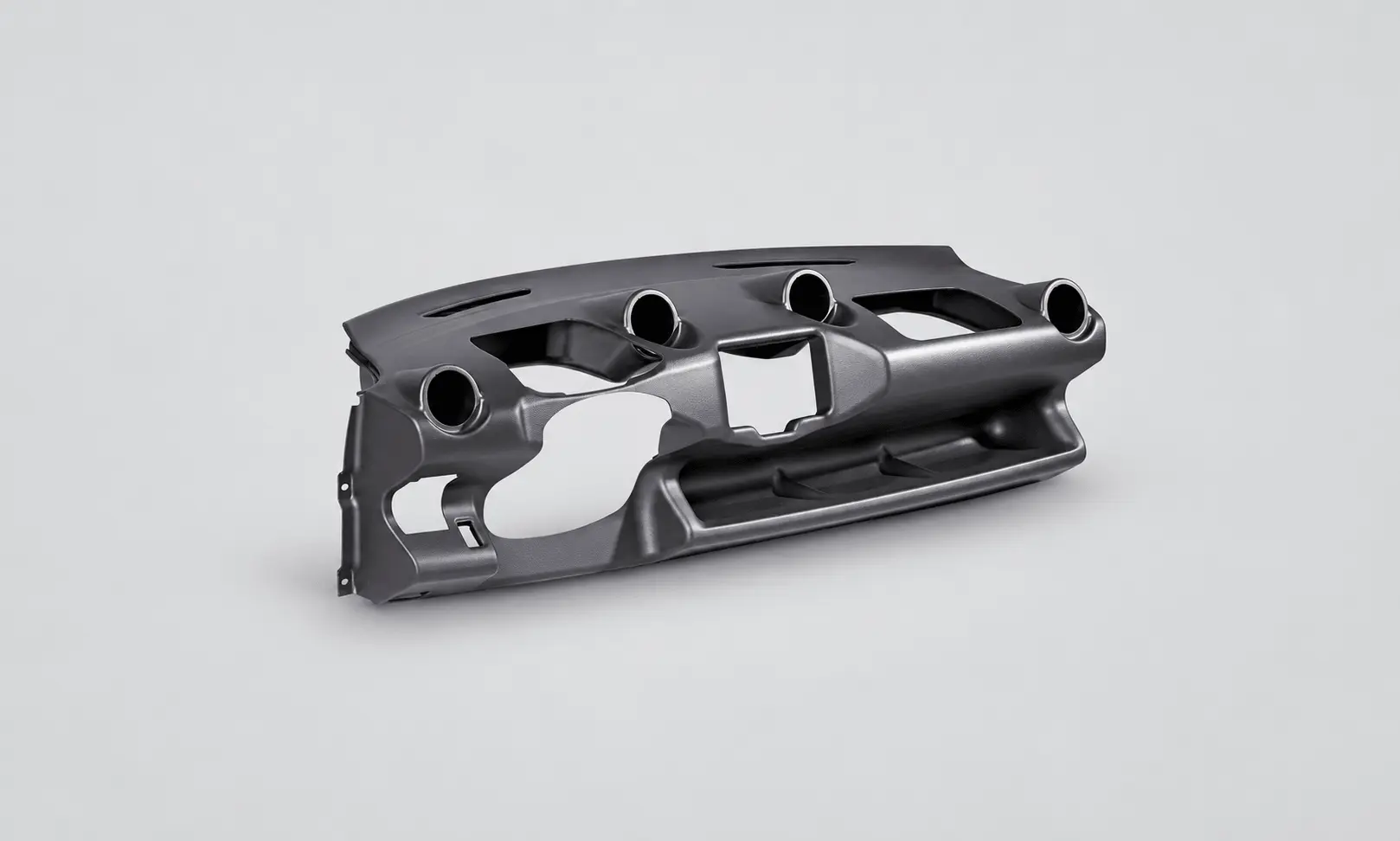
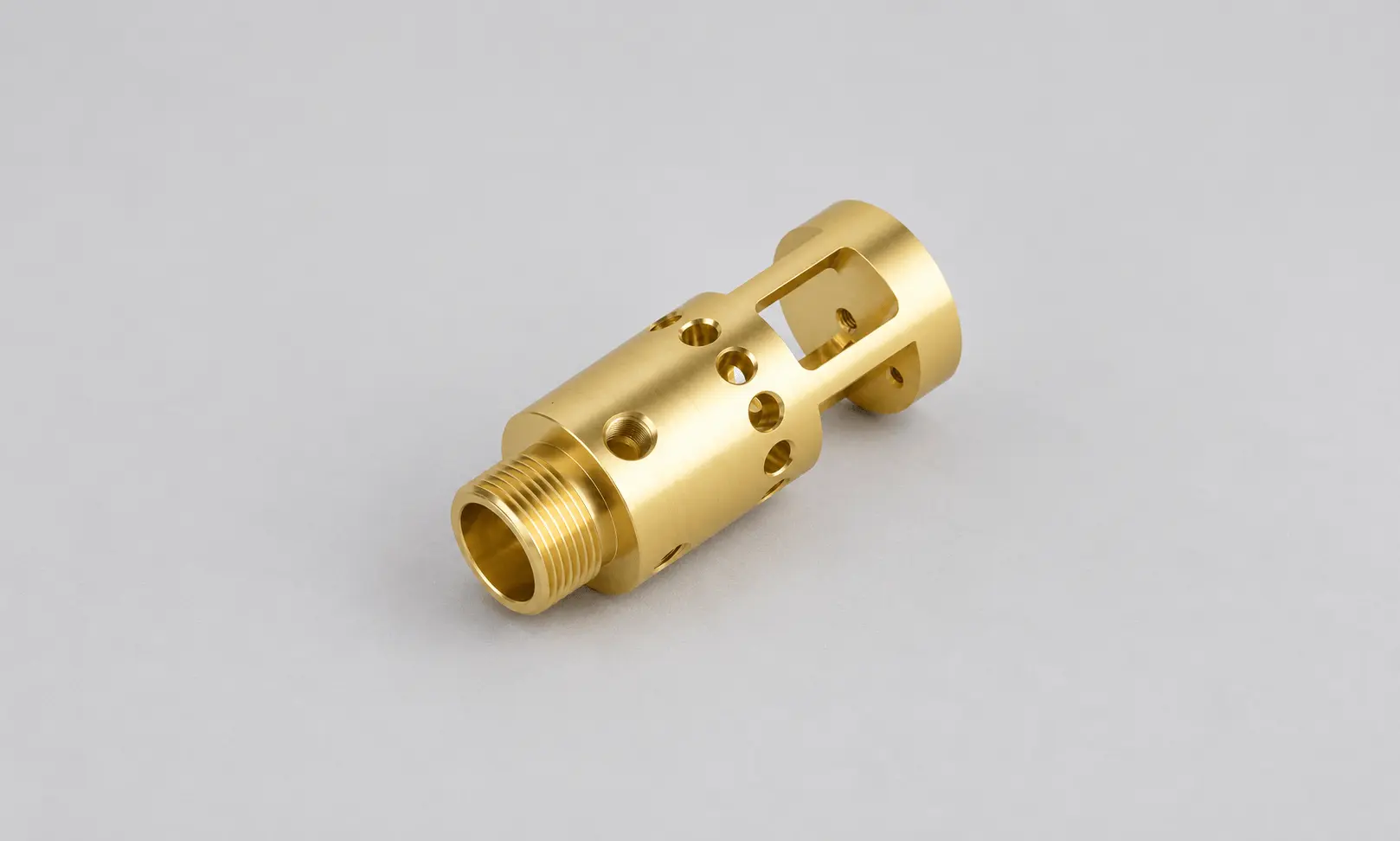
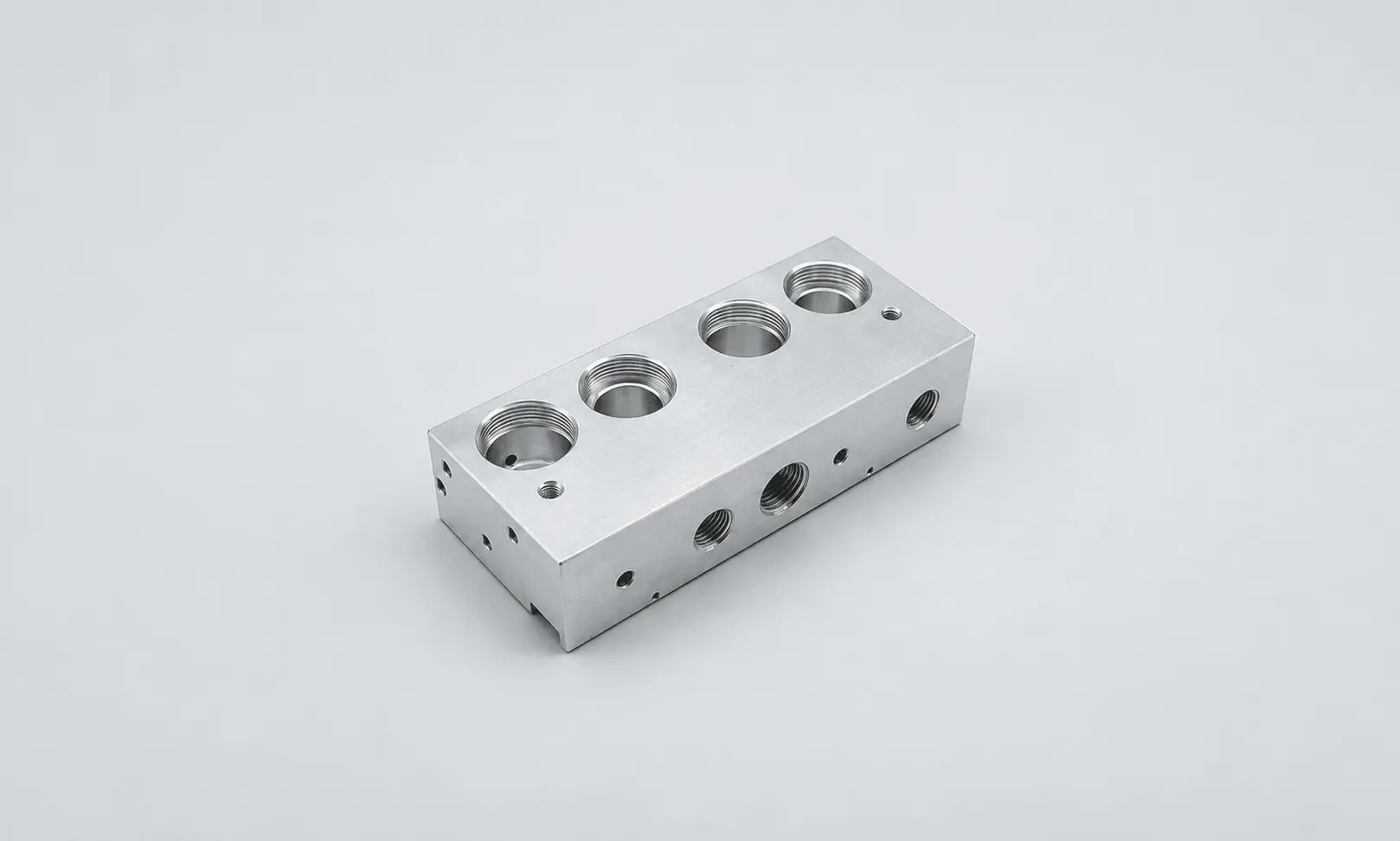
In today’s fast-paced industrial landscape, where precision, efficiency, and complexity converge,
CNC milling stands as one of the most transformative and widely adopted subtractive manufacturing technologies. From aerospace components that withstand extreme temperatures to intricate
medical implants compatible with the human body, and from high-performance
automotive parts to delicate
electronic enclosures, CNC milling shapes the world around us with unmatched accuracy and consistency. This article explores the fundamentals, processes, equipment, materials, applications, advantages, and future trends of CNC milling, offering a comprehensive understanding of its role in modern manufacturing.
What is CNC Milling?
CNC milling, or
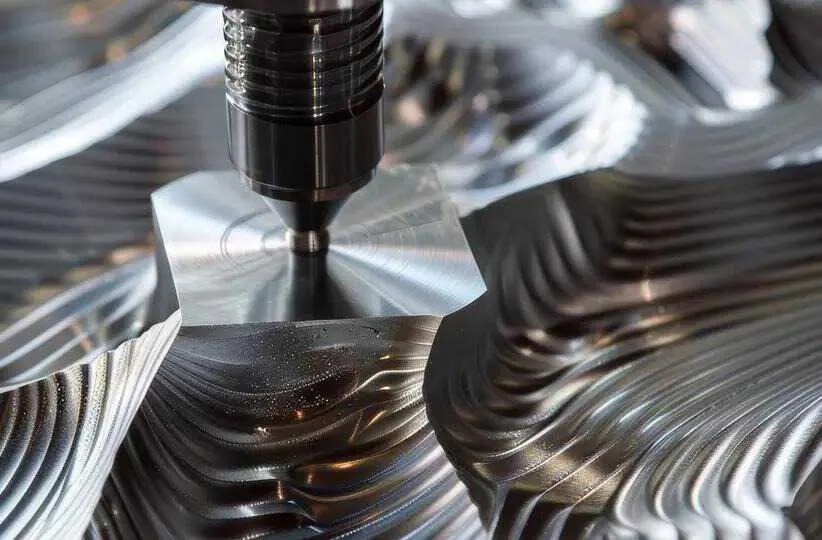
Computer Numerical Control milling, is a subtractive manufacturing process that uses computerized controls and rotating multi-point cutting tools to remove material from a solid workpiece. The goal is to transform a raw block of material into a custom-designed part with precise dimensions, complex geometries, and intricate features. Unlike traditional manual milling, which relies on human operators to guide tools and adjust parameters, CNC milling is fully automated, driven by pre-programmed instructions.
At its core, the process begins with a 3D CAD (Computer-Aided Design) model of the desired part. This digital model is then converted into a set of numerical instructions—known as G-code and M-code—using CAM (Computer-Aided Manufacturing) software. The G-code dictates the tool’s path, speed, and cutting depth, while M-code controls auxiliary functions like spindle rotation, coolant flow, and tool changes. The CNC controller interprets these codes, sending signals to servo motors that drive the machine’s axes, moving the cutting tool across the workpiece with micron-level precision.
The CNC Milling Process: Step-by-Step Workflow
The CNC milling process follows a structured workflow that ensures efficiency, accuracy, and quality. Each step is critical to transforming a raw material into a finished part.
1. Design & CAD Modeling
The process starts with a detailed 3D CAD model of the part, created by engineers or designers using software like SolidWorks, AutoCAD, or Fusion 360. The model includes precise dimensions, tolerances, material specifications, and surface finish requirements. For complex parts, designers may also include geometric dimensioning and tolerancing (GD&T) annotations to define form, orientation, and position of features.
2. CAM Programming & Toolpath Generation
Once the CAD model is finalized, CAM software translates it into machine-readable G-code. During this stage, the programmer selects the appropriate cutting tools (e.g., end mills, drills, face mills), defines cutting parameters (spindle speed, feed rate, depth of cut), and generates toolpaths that optimize material removal while minimizing tool wear and machining time. Modern CAM software also includes simulation tools to visualize the machining process, detect collisions between the tool and workpiece, and refine toolpaths for maximum efficiency.
3. Material Selection & Workpiece Preparation
The choice of material depends on the part’s intended use, mechanical requirements, and budget. Common materials include metals (aluminum, steel, titanium, brass), plastics (ABS, nylon, PVC), and composites (carbon fiber, fiberglass). The raw material is cut into a rough block slightly larger than the final part dimensions, then secured firmly to the machine’s worktable using clamps, vises, or custom fixtures. Proper fixturing is critical to prevent workpiece movement during machining, which can cause dimensional errors or tool breakage.
4. Machine Setup & Tool Installation
The operator installs the selected cutting tools into the machine’s spindle or tool changer, ensuring proper alignment and tightening. The CNC machine is then calibrated to set the workpiece’s origin (X, Y, Z zero points), which aligns the toolpath with the physical workpiece. Coolant lines are positioned to direct a steady flow of cutting fluid to the cutting zone, reducing heat buildup, lubricating the tool, and flushing away metal chips.
The CNC machine executes the programmed toolpaths in two primary phases:
- Roughing: The initial phase removes the bulk of excess material, shaping the workpiece close to the final dimensions. Roughing uses larger, more aggressive cutting tools and higher feed rates to maximize material removal efficiency, leaving a small amount of material (0.1–0.5 mm) for finishing.
- Finishing: The final phase refines the part to meet exact dimensions, tight tolerances, and smooth surface finishes. Finishing uses smaller, precision cutting tools, slower feed rates, and lighter cuts to achieve intricate details, sharp corners, and surface finishes as smooth as Ra 0.2 μm.
6. Quality Control & Inspection
After machining, the finished part undergoes rigorous quality control to ensure it meets design specifications. Inspection tools include calipers, micrometers, coordinate measuring machines (CMMs), and optical comparators, which verify dimensions, tolerances, surface finish, and geometric accuracy. Critical parts may also undergo non-destructive testing (NDT) to check for internal defects like cracks or porosity.
Key Components of CNC Milling Machines
CNC milling machines are complex systems composed of several interconnected components, each playing a vital role in the machining process.
1. CNC Controller
The "brain" of the machine, the CNC controller interprets G-code commands and sends signals to the servo motors. It also monitors the machine’s performance in real time, adjusting parameters to maintain precision and consistency. Modern controllers feature user-friendly interfaces, high processing speeds, and support for multi-axis machining.
2. Spindle
The spindle holds and rotates the cutting tool at high speeds (typically 10,000–40,000 RPM for precision machines). It must be rigid, precise, and capable of maintaining consistent speed and torque under heavy cutting loads. Spindles may be vertical (most common) or horizontal, depending on the machine type.
3. Axes & Motion System
CNC milling machines move the tool or workpiece along multiple axes, with 3-axis (X, Y, Z) being the standard for most applications. Advanced machines support 4-axis or 5-axis machining, adding rotational axes (A, B, or C) that allow the tool to approach the workpiece from any angle. This enables the production of complex 3D geometries (e.g., turbine blades, impellers) in a single setup, reducing production time and improving accuracy.
4. Worktable & Fixturing
The worktable holds the workpiece and moves along the X and Y axes. It must be flat, rigid, and capable of supporting heavy workpieces while maintaining precise positioning. Fixturing devices (clamps, vises, vacuum tables) secure the workpiece to the table, ensuring it remains stable during machining.
5. Cutting Tools
Cutting tools are the "hands" of the CNC milling machine, responsible for removing material from the workpiece. The most common tool is the
end mill, a cylindrical tool with cutting edges on the end and sides, used for pocketing, profiling, slotting, and facing. Other tools include drills (for holes), face mills (for flat surfaces), and ball nose mills (for curved surfaces). Tools are typically made from
solid carbide (hard, heat-resistant, ideal for high-speed machining) or
high-speed steel (HSS) (tougher, less brittle, suitable for low-speed operations). Many tools also feature specialized coatings (e.g., Titanium Nitride (TiN), Aluminum Titanium Nitride (AlTiN)) that reduce friction, improve heat resistance, and extend tool life.
6. Coolant System
The coolant system delivers cutting fluid (usually a mixture of water and lubricant) to the cutting zone. Coolant serves three critical functions: reducing heat generated by friction between the tool and workpiece (preventing tool overheating and workpiece deformation), lubricating the cutting interface (reducing tool wear and improving surface finish), and flushing away metal chips (preventing chip buildup that can damage the tool or workpiece).
Common Types of CNC Milling Machines
CNC milling machines are classified based on their axis configuration, spindle orientation, and structural design, each optimized for specific applications.
1. Vertical CNC Milling Machines
The most common type, vertical mills have a vertical spindle that moves up and down (Z-axis), while the worktable moves horizontally (X and Y axes). They are versatile, cost-effective, and ideal for 2D and simple 3D parts, such as plates, brackets, and molds. Vertical mills are further divided into turret mills (fixed spindle, moving table) and bed mills (moving spindle, fixed table).
Horizontal mills feature a horizontal spindle that holds cutting tools parallel to the worktable. The worktable can rotate 90 degrees, allowing for machining on multiple sides of the workpiece in a single setup. Horizontal mills are more rigid than vertical mills, making them suitable for heavy-duty machining, high-volume production, and parts with deep cavities or slots.
3. 4-Axis & 5-Axis CNC Milling Machines
Advanced multi-axis machines add rotational axes to the standard 3-axis configuration, enabling the tool to move along four or five axes simultaneously.
4-axis machines typically include a rotary table (A-axis) that rotates the workpiece, while
5-axis machines add a second rotational axis (B or C-axis) that tilts the spindle or worktable. Multi-axis machining eliminates the need for multiple setups, reduces production time, and enables the creation of highly complex geometries (e.g., aerospace turbine blades, medical implants) with exceptional precision.
4. CNC Milling Centers
Milling centers are high-performance CNC machines designed for mass production and high-precision applications. They feature automatic tool changers (ATCs) that can hold dozens of tools, enabling uninterrupted machining of complex parts with multiple operations. Milling centers also include advanced features like linear guides, high-speed spindles, and closed-loop feedback systems for maximum accuracy and productivity.
Materials for CNC Milling
CNC milling supports a wide range of materials, each with unique properties that influence machining parameters, tool selection, and surface finish.
1. Metals
- Aluminum: Lightweight, high strength-to-weight ratio, excellent machinability, and corrosion-resistant. Ideal for aerospace, automotive, and electronics parts (e.g., aircraft components, engine housings, heat sinks).
- Steel & Carbon Steel: High mechanical strength, durability, and cost-effective. Used for structural parts, gears, and tools. Requires rigid tooling and moderate cutting speeds to avoid tool wear.
- Stainless Steel (304, 316): Exceptional corrosion resistance, high strength, and biocompatibility. Common in medical, food processing, and marine industries (e.g., surgical instruments, implants, marine components). More difficult to machine due to hardness and heat buildup; requires reduced cutting speeds and coated tools.
- Titanium: High strength-to-weight ratio, low thermal expansion, excellent corrosion resistance, and biocompatibility. Ideal for aerospace (turbine components), medical (implants), and automotive (high-performance parts) applications. Difficult to machine due to high hardness and heat resistance; requires specialized tooling and low cutting speeds.
- Brass: Easy to machine, corrosion-resistant, excellent surface finish, and good electrical conductivity. Used for electronics, plumbing, and decorative components.
- Copper: High thermal and electrical conductivity, malleable, and corrosion-resistant. Common in electronics (heat exchangers, circuit boards) and electrical components. More difficult to machine than brass; prone to sticking to cutting tools.
- Inconel & Superalloys: Nickel-based alloys with exceptional high-temperature resistance, strength, and corrosion resistance. Used in aerospace (turbine blades, combustion chambers) and power generation applications. Extremely difficult to machine; causes rapid tool wear; requires specialized carbide tools and low cutting speeds.
2. Plastics
- ABS: Lightweight, durable, impact-resistant, and easy to machine. Common in consumer products, electronics enclosures, and toys.
- Nylon: High strength, wear-resistant, and low friction. Used for gears, bearings, and structural parts.
- PVC: Rigid, corrosion-resistant, and cost-effective. Ideal for pipes, fittings, and structural components.
- HDPE: Lightweight, durable, and chemical-resistant. Used for containers, packaging, and industrial components.
- PTFE (Teflon): Low friction, chemical-resistant, and heat-resistant. Common in seals, gaskets, and high-temperature applications.
3. Composites
- Carbon Fiber Reinforced Polymer (CFRP): Extremely lightweight, high strength, and rigid. Used in aerospace, automotive, and sporting goods (e.g., aircraft components, race car parts, bicycle frames). Requires specialized diamond-coated tools to avoid delamination and tool wear.
- Fiberglass: Lightweight, durable, and cost-effective. Common in marine, automotive, and construction applications.
Industrial Applications of CNC Milling
CNC milling’s versatility, precision, and efficiency make it indispensable across a wide range of industries.
1. Aerospace
The
aerospace industry relies heavily on CNC milling for manufacturing lightweight, high-strength components that can withstand extreme temperatures, pressures, and vibrations. Applications include aircraft fuselage panels, engine components (turbine blades, combustion chambers), landing gear parts, and structural elements.
Multi-axis CNC milling is critical for producing complex 3D geometries with tight tolerances (±0.01 mm) and exceptional surface finishes.
2. Automotive
In the
automotive industry, CNC milling is used to produce high-performance engine parts (cylinder heads, engine blocks, turbochargers), transmission components, suspension parts, and custom body panels. The technology’s ability to mass-produce identical parts with consistent quality ensures reliability and performance in vehicles. Tolerances for automotive parts typically range from ±0.01 mm to ±0.05 mm.
3. Medical
The
medical industry demands the highest levels of precision, biocompatibility, and cleanliness, making CNC milling the ideal manufacturing technology. Applications include orthopedic implants (hip joints, knee replacements), dental implants, surgical instruments (scalpels, forceps), and medical device components.
Medical parts require tight tolerances (as small as ±0.005 mm), smooth surface finishes (to reduce infection risk), and biocompatible materials (titanium, stainless steel, medical-grade plastics).
4. Electronics
The
electronics industry uses CNC milling to produce small, complex components with tight tolerances, such as printed circuit board (PCB) housings, heat sinks, connectors, and enclosures for smartphones, laptops, and other devices. The technology’s ability to machine intricate features and miniaturized parts supports the industry’s trend toward smaller, more powerful electronic devices. Tolerances for electronics parts typically range from ±0.01 mm to ±0.05 mm.
5. Mold & Die Making
CNC milling is the primary technology for manufacturing molds and dies for injection molding, blow molding, and extrusion processes. Mold cavities and cores require high precision, smooth surface finishes, and complex geometries to produce high-quality plastic parts. CNC milling’s ability to machine hard materials (e.g., tool steel) with tight tolerances makes it ideal for mold making.
6. Consumer Products
From sporting goods (golf clubs, bicycle frames) to kitchen appliances, furniture, and toys, CNC milling is used to produce custom, high-quality consumer products. The technology’s flexibility allows manufacturers to quickly adapt to changing design trends and produce small batches of custom parts cost-effectively.
7. Energy
In the energy industry, CNC milling is used to manufacture components for power generation equipment (gas turbines, steam turbines, wind turbines), oil and gas drilling equipment, and renewable energy systems. These components require high strength, durability, and precision to withstand harsh operating conditions.
Key Advantages of CNC Milling
CNC milling offers numerous advantages over traditional manual milling and other manufacturing technologies, making it the preferred choice for modern precision manufacturing.
1. Unmatched Precision & Accuracy
CNC milling machines operate with micron-level precision, achieving tolerances as tight as ±0.001 mm for critical applications. Once a program is set, the machine produces identical parts with consistent accuracy, eliminating human error and ensuring quality across batches. This level of precision is critical for industries like aerospace, medical, and electronics, where even minor variations can lead to part failure.
2. Exceptional Efficiency & Productivity
CNC milling is fully automated, requiring minimal human intervention once the machine is set up. The machine can operate continuously for hours or days, performing multiple operations (roughing, finishing, drilling, tapping) in a single setup. This reduces production time, labor costs, and downtime, enabling manufacturers to meet tight deadlines and high-volume production demands.
3. Ability to Produce Complex Geometries
CNC milling, especially multi-axis machining, can create complex 3D geometries and intricate features that are impossible or impractical to produce with manual milling. The technology’s ability to move the tool along multiple axes simultaneously allows for the production of curved surfaces, undercuts, and sharp corners with exceptional precision. This makes it ideal for parts like turbine blades, medical implants, and complex molds.
4. Versatility Across Materials & Applications
CNC milling supports a wide range of materials, including metals, plastics, and composites, making it suitable for diverse applications across industries. The same machine can be used to produce small, delicate electronic components and large, heavy-duty aerospace parts, simply by changing the cutting tools and programming parameters.
5. Consistent Quality & Repeatability
Once a CNC program is validated, it can be reused to produce identical parts with consistent quality, batch after batch. This repeatability is critical for mass production, where uniformity and reliability are essential. It also reduces waste and rework, as the risk of human error is eliminated.
6. Cost-Effectiveness for Low-to-High Volume Production
CNC milling is cost-effective for both low-volume prototyping and high-volume mass production. For low-volume runs, the technology eliminates the need for expensive tooling, as parts are machined directly from raw material. For high-volume production, the automation and efficiency of CNC milling reduce labor costs and increase output, making it more cost-effective than manual milling.
7. Safety & Reduced Labor Intensity
CNC milling reduces the risk of workplace injuries, as human operators are not required to interact directly with cutting tools during machining. The automation of repetitive, labor-intensive tasks also reduces operator fatigue and improves working conditions.
Challenges & Limitations of CNC Milling
Despite its many advantages, CNC milling also faces certain challenges and limitations that manufacturers must address to maximize efficiency and quality.
1. High Initial Investment
CNC milling machines, especially multi-axis models, require a significant upfront investment. The cost of the machine, CNC controller, cutting tools, CAM software, and training can be prohibitive for small manufacturers or startups.
2. Complex Programming & Setup
CNC milling requires skilled programmers and operators who are proficient in CAD/CAM software, G-code programming, and machine setup. The learning curve for multi-axis machining is particularly steep, requiring specialized training and experience.
3. Tool Wear & Maintenance
Cutting tools undergo significant wear during machining, especially when processing hard materials like titanium or Inconel. Frequent tool changes and maintenance are required to maintain precision and surface finish, increasing production costs and downtime.
4. Material Limitations
While CNC milling supports a wide range of materials, some materials are difficult or uneconomical to machine. For example, extremely hard ceramics or brittle materials may crack or chip during machining, requiring specialized tooling and parameters.
5. Design Constraints
Although CNC milling can produce complex geometries, it still has design limitations. Features like deep, narrow pockets, thin walls, or sharp internal corners may be difficult to machine due to tool access or workpiece deflection. Designers must consider these constraints when creating parts for CNC milling.
Future Trends in CNC Milling
As manufacturing technology continues to evolve, CNC milling is poised to benefit from advancements in automation, digitalization, and materials science, further enhancing its precision, efficiency, and versatility.
1. Integration with Industry 4.0 & Smart Manufacturing
CNC milling machines are increasingly being integrated into smart manufacturing systems, leveraging technologies like the Internet of Things (IoT), artificial intelligence (AI), and machine learning (ML). IoT sensors monitor machine performance, tool wear, and workpiece quality in real time, enabling predictive maintenance and reducing unplanned downtime. AI and ML algorithms optimize toolpaths, cutting parameters, and production schedules, improving efficiency and quality.
2. Advancements in Multi-Axis Machining
Multi-axis CNC milling will continue to evolve, with machines offering higher axis speeds, greater precision, and improved automation. The integration of advanced CAM software and simulation tools will further simplify multi-axis programming, making it accessible to more manufacturers.
3. Development of New Cutting Tools & Coatings
Ongoing research into cutting tool materials and coatings will lead to the development of more durable, heat-resistant, and efficient tools. Nanocoatings, for example, will reduce friction and tool wear, enabling higher cutting speeds and longer tool life.
4. Adoption of High-Speed Machining (HSM)
High-speed machining, which uses extremely high spindle speeds and feed rates to remove material quickly and efficiently, will become more widespread. HSM reduces heat buildup, improves surface finish, and increases productivity, making it ideal for precision applications.
5. Growth in Additive-Subtractive Hybrid Manufacturing
Hybrid manufacturing, which combines CNC milling (subtractive) with 3D printing (additive), will gain popularity. This technology enables the production of parts with complex internal structures and high-precision external surfaces, leveraging the strengths of both additive and subtractive manufacturing.
6. Increased Focus on Sustainability
As manufacturers strive to reduce their environmental impact, CNC milling will become more sustainable through the adoption of energy-efficient machines, recyclable cutting fluids, and optimized toolpaths that reduce material waste.
Conclusion
CNC milling is the backbone of modern precision manufacturing, offering unmatched precision, efficiency, and versatility for producing complex parts across industries. From its humble beginnings as a computer-controlled alternative to manual milling, it has evolved into a sophisticated technology that drives innovation in aerospace, automotive, medical, electronics, and beyond. While challenges like high initial investment and complex programming remain, ongoing advancements in automation, digitalization, and materials science are addressing these limitations, making CNC milling more accessible and powerful than ever. As manufacturing continues to evolve, CNC milling will remain a critical technology, shaping the future of production and enabling the creation of products that are lighter, stronger, and more precise than ever before.