



Breaking Free from CMM Dependency: Mastars Approach


In today’s competitive manufacturing landscape, relying solely on CMM for quality control can create inefficiencies and delays. At Mastars, we believe that shifting to in-process quality verification not only improves accuracy but also fosters a culture of "right the first time" manufacturing. Here’s how we recommend making this transition successfully:
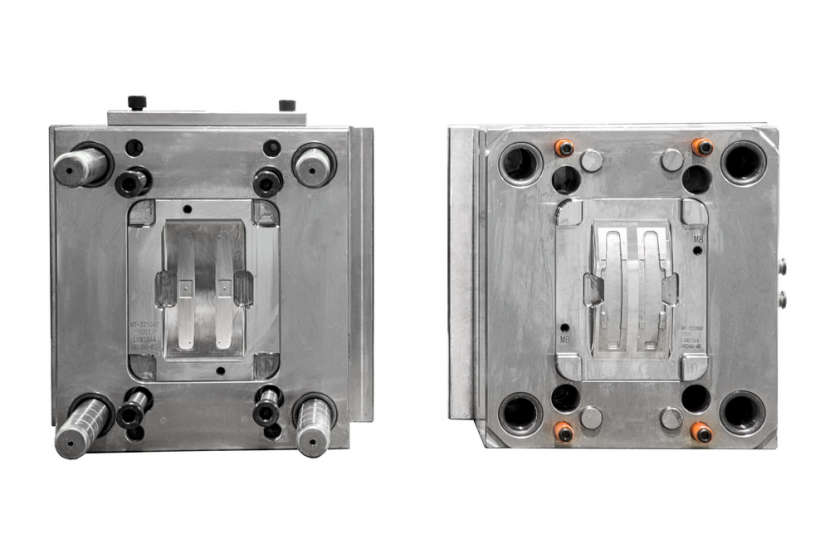
1. Invest in Advanced Equipment
Success begins with upgrading your machining infrastructure. Key improvements include:
1)High-Precision Fixturing: Replace basic table clamps with FCS (Fixture Clamping Systems) for superior stability and repeatability.
2)High-Accuracy Machine Tools: Ensure your equipment meets tight tolerances without post-process inspection.
3)Optimized Toolholding: Transition from twist-lock or side-bolt holders to shrink-fit toolholders, which enhance balance and accuracy, especially at high speeds.
4)"Combined with refined programming and cooling strategies, these upgrades lay the foundation for consistent, high-quality production."
2. Leverage In-Process Probing
Modern CNC machines with integrated probing systems allow real-time quality verification. Here’s how it works:
1)Machine, Measure, Adjust: After machining critical features, use the on-machine probe to verify dimensions against CAD models.
2)Immediate Corrections: If deviations are detected (e.g., due to tool wear), adjustments can be made before the part leaves the machine, reducing scrap and rework.
3)Seamless Integration: Data from probing can feed into downstream processes like EDM, ensuring full process control.
This eliminates the need for CMM as a crutch and ensures quality is built into the process.
3. Manage People and Change Effectively
The biggest hurdle isn’t technology—it’s people. Resistance to change is natural, especially among experienced staff. At Mastars, we recommend:
1)Training & Mindset Shift: New employees adapt quickly, but veterans may need structured training to embrace new workflows.
2)Open Communication: Foster an environment where issues are discussed openly, not hidden.
3)Documentation & Feedback: Use standardized reporting to track improvements and ensure lessons are learned.
"People like habits—but the right culture turns change into progress."
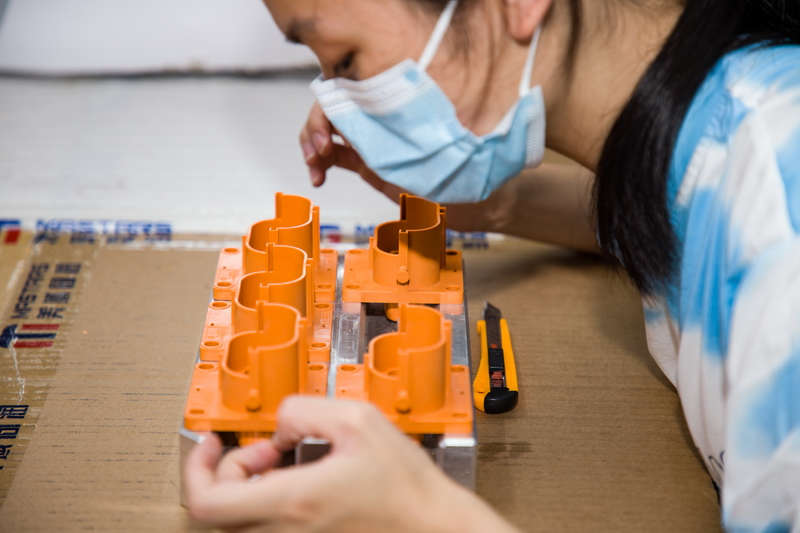
4. Implement a Problem-Solving System
To prevent recurring errors, we advocate for a structured issue-resolution process, such as:
"Things Gone Wrong" (TGW) System:
Every problem is photographed, logged, and analyzed.
Root causes (design, programming, machining) are identified and addressed.
Solutions are documented and shared to prevent repeat failures.
"It’s not just about fixing mistakes—it’s about ensuring they never happen again."
The Mastars Advantage
By adopting these strategies, CMM dependency becomes optional, not mandatory. Our clients have seen:
✔ Faster throughput (no waiting for CMM validation)
✔ Higher accuracy (real-time corrections beat post-process inspection)
✔ Lower costs (reduced scrap, rework, and external CMM fees)
At Mastars, we help manufacturers transition to smarter, more efficient quality control. The future of precision isn’t about measuring more—it’s about machining right the first time.
Ready to break free from CMM reliance? Contact Mastars today to optimize your process.
Hot Articles


Hot Tags
Stay Connected!


Manufacturing on Demand
Please fill in the following information to obtain plan details (information is confidential and not disclosed publicly), we will contact you within 24 hours, please keep your phone available!
Upload a 3D/2D model to see instant pricing, lead time, and DFM feedback.