



The Precision Art of Smartphone Housing: An In-Depth Analysis of Plastic Injection Molding Technology


Introduction
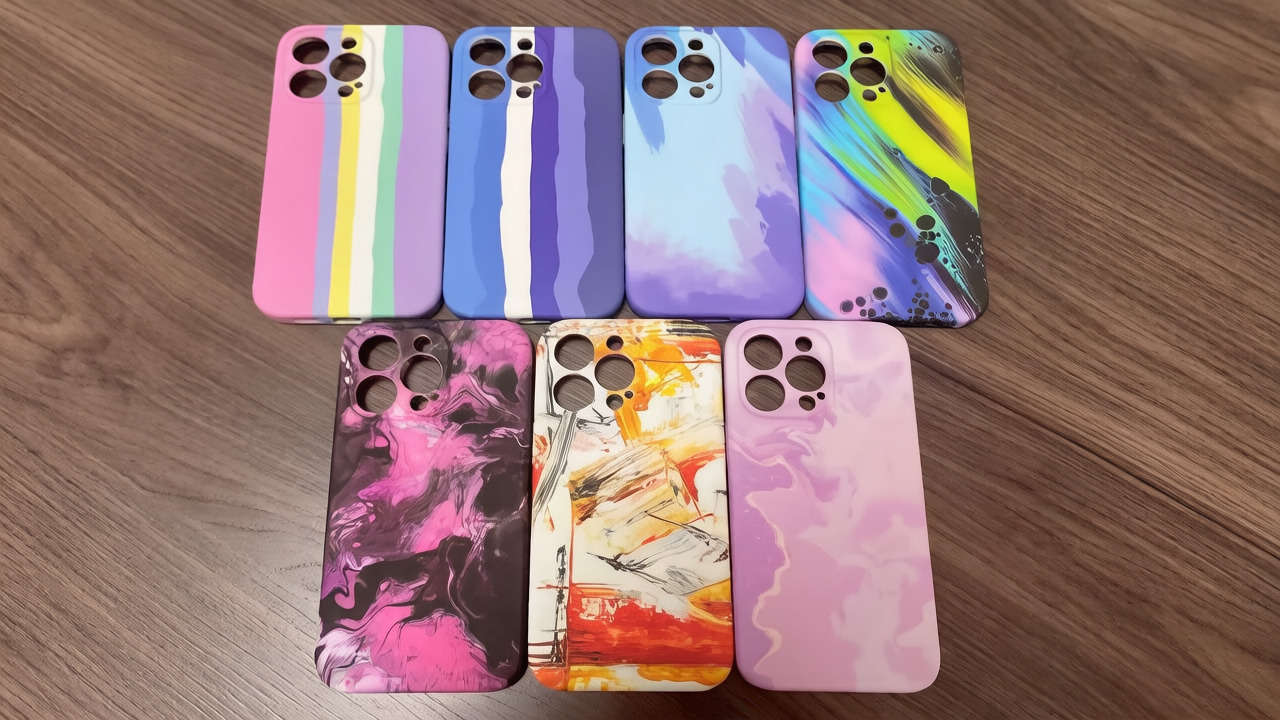
In the contemporary consumer electronics field, smartphones have become an indispensable tool in people's daily lives. Behind the manufacturing process of every smartphone housing—the protective structure we touch and carry countless times each day—lies a precise and complex modern manufacturing technology: plastic injection molding. This article will use smartphone housing as an example to provide an in-depth analysis of the entire process of plastic injection molding technology, key technical parameters, materials science, quality control, and industry development trends, demonstrating how this technology supports the modern consumer electronics industry.
Chapter 1: Design Requirements and Technical Challenges for Smartphone Housing
Smartphone housing is not merely a container protecting internal components; it fulfills several critical functions:
Structural Requirements
• Precise internal structures to secure mainboards, batteries, cameras, and other components
• Thin-wall design (typically 0.6-1.2mm) to reduce weight
• Strict dimensional tolerances (±0.05mm) to ensure component assembly accuracy
Aesthetics and Tactile Experience
• High-gloss or matte surface finishes
• Complex curved designs and rounded transitions
• Fine tactile feel and comfortable grip experience
Functional Integration
• Antenna signal penetration design
• Thermal dissipation considerations
• Water and dust resistance structures (IP rating requirements)
Durability Testing
• Drop tests (typically from 1.5 meters height, multiple angles)
• Bend tests
• Environmental aging tests (temperature, humidity cycles)
Chapter 2: Detailed Injection Molding Process Flow
Phase One: Mold Design and Manufacturing
Smartphone housing molds represent the epitome of precision manufacturing:
Mold Structure Characteristics:
• Typically designed with multiple cavities (4-16 cavities) to improve production efficiency
• Complex slider and lifter mechanisms to achieve undercut demolding
• Precision hot runner systems to reduce waste and shorten molding cycles
• Optimized cooling systems to ensure rapid and uniform cooling
Mold Material Selection:
• Cavities and cores typically use pre-hardened mold steel (such as P20, 718, etc.)
• High-wear components use hard alloys or surface treatments (such as titanium nitride coatings)
• Guide pillars and bushings use high-precision bearing steel
Chapter 2: Detailed Injection Molding Process Flow (continued)
Phase Two: Material Selection and Preparation
Plastic materials for smartphone housing have undergone significant evolution:
Mainstream Materials:
• Polycarbonate (PC): Commonly used in early smartphones, high strength but poor scratch resistance
• Polycarbonate + Acrylonitrile Butadiene Styrene (PC+ABS): Balances strength, toughness, and processability
• Polyamide (Nylon): Used where higher strength and heat resistance are required
• Glass Fiber Reinforced Plastics: Provides higher rigidity and dimensional stability
• Latest Development Trends:
- Bio-based plastics: Reducing environmental impact
- Self-healing materials: Minor scratches can repair automatically
- Transparent conductive materials: Integrating antenna functionality
Material Pretreatment:
• Strict drying processes (typically 80-100℃ baking for 4-6 hours)
• Precise proportioning and mixing of color masterbatches
• Additive control (UV inhibitors, flame retardants, antistatic agents, etc.)
Phase Three: The Injection Molding Process
Injection Molding Machine Selection and Parameter Settings:
• Clamping force calculation: Based on projected area and cavity pressure (typically 800-1500 tons)
• Injection unit: Precision screw design ensuring melt uniformity and accurate metering
• Process parameter optimization:
- Melt temperature: 260-300℃ (adjusted according to material)
- Mold temperature: 80-110℃
- Injection speed: Multi-stage control ensuring uniform filling
- Holding pressure and time: Compensating for shrinkage, preventing sink marks
- Cooling time: Optimizing production cycles
Intelligent Injection Molding Technology:
• Servo motor drives: Precisely controlling injection speed and pressure
• In-mold sensors: Real-time monitoring of pressure, temperature, and fill status
• Adaptive control: Automatically adjusting process parameters based on environmental changes
• IoT integration: Real-time monitoring of equipment status and production data
Phase Four: Post-Processing and Quality Control
Automated Post-Processing:
• Robotic automated part removal and placement
• Automated degating and flash removal
• Online vision inspection systems: Detecting defects like short shots, sink marks, black spots
• Automated sorting systems: Separating qualified from non-conforming products
Secondary Processing:
• Spray painting: Multi-layer application of primer, color coat, protective coat
• Vacuum metallization: Achieving metallic appearance
• Printing processes: Screen printing, pad printing, laser engraving
• Assembly preparation: Ultrasonic welding, pre-embedded hot-melt brass inserts
Comprehensive Quality Control:
• Dimensional inspection: Full dimensional checking with Coordinate Measuring Machines (CMM)
• Mechanical testing: Tensile, flexural, impact strength tests
• Environmental testing: High-low temperature cycling, damp heat tests
• Durability testing: Key life tests, insertion-extraction tests
Chapter 3: Technical Difficulties and Solutions
Challenges of Thin-Wall Injection Molding
The thin-wall design of smartphone housings presents specific challenges:
Filling Difficulties:
• Solutions: High injection speed, high melt temperature, optimized gate design
• Advanced technologies: Sequential valve gate control, gas-assisted injection molding
Warpage and Deformation:
• Cause analysis: Non-uniform cooling, molecular orientation, residual stress
• Solutions: Optimizing cooling systems, reducing injection pressure, extending holding time
Surface Defects:
• Weld line issues: Mitigated by optimizing gate location and process parameters
• Flow marks and jetting: Controlled by adjusting injection speed and mold temperature
High-Gloss Surface Requirements
Mold Surface Treatment:
• Mirror polishing: Achieving surface roughness of Ra<0.01μm
• Texture processing: Creating special effects via laser texturing, chemical etching
• Coating technologies: Diamond-like carbon coatings improving wear resistance and release
Injection Molding Process Control:
• Precise temperature control: Mold temperature difference controlled within ±2℃
• Cleanroom environment: Preventing dust contamination causing surface defects
• Special venting design: Avoiding trapped air causing burns or short shots
Chapter 4: Cost Analysis and Optimization Strategies
The manufacturing cost structure of smartphone housing is complex:
Mold Cost (Approximately 40-60% of total cost):
• Design cost: 3D modeling, mold flow analysis, structural optimization
• Material cost: High-quality mold steel, standard components, hot runner systems
• Machining cost: CNC machining, EDM, polishing, assembly and debugging
• Trial and modification cost: Trial molding, mold modification, final acceptance
Production Cost:
• Material cost: Plastic pellets, color masterbatches, additives
• Equipment depreciation: Injection molding machines, auxiliary equipment, automation
• Labor cost: Operators, technicians, quality control personnel
• Energy cost: Electricity, compressed air, cooling water
Optimization Strategies:
• Considering manufacturability (DFM) during the design phase to reduce machining difficulty
• In-Mold Decoration (IMD) technology reducing secondary processing steps
• Lean production reducing waste and improving equipment utilization
• Economies of scale diluting mold and development costs
Chapter 5: Industry Development Trends and Future Outlook
Directions of Material Innovation:
Sustainable Materials:
• Biodegradable plastics: Reducing environmental burden
• Recycled material applications: Increasing use of Post-Consumer Recycled (PCR) plastics
• Lightweight materials: Microcellular foaming technology, nano-reinforced materials
Functionally Integrated Materials:
• Structure-function integrated materials: Integrating conductivity, thermal conductivity, electromagnetic shielding
• Adaptive materials: Thermochromic, photochromic materials
• Self-healing materials: Extending product lifespan
Manufacturing Technology Innovations
Digitization and Intelligence:
• Digital twin technology: Virtually simulating the entire production process
• AI optimization: Optimizing process parameters based on big data
• Predictive maintenance: Reducing unplanned downtime
Precision and Miniaturization:
• Micro-injection molding: Producing micro-structured components
• Nanoimprint technology: Creating functional surface structures
• Multi-material injection molding: Combining soft/hard, transparent/opaque materials
Green Manufacturing:
• Energy-efficient injection molding machines: All-electric, hybrid technologies
• Water-assisted injection molding: Reducing material usage
• Closed-loop recycling systems: Immediate recycling of production waste
Industry Chain Collaborative Innovation
Smartphone housing injection molding is no longer an isolated manufacturing step but is closely integrated with upstream and downstream processes:
Collaboration with Material Suppliers:
• Customized material development
• Shared material databases
• Joint R&D for new composite materials
Collaboration with Equipment Manufacturers:
• Development of specialized equipment
• Integration of process parameter packages
• Remote diagnostics and maintenance support
Collaboration with End Brands:
• Early involvement in product design
• Joint testing and validation
• Transparent supply chain management
Chapter 6: Conclusion
Plastic injection molding technology, especially as applied to precision products like smartphone housing, has evolved into a highly interdisciplinary field integrating materials science, mechanical engineering, thermodynamics, fluid mechanics, and control theory. From initial concept design to final product delivery, each stage reflects the pursuit of precision, efficiency, and innovation in modern manufacturing.
With the development of new technologies like 5G communication, flexible displays, and wearable devices, design requirements for smartphone housing will become even more stringent. This will propel injection molding technology toward greater precision, intelligence, and environmental sustainability. In the future, we will not only see thinner, stronger, and more functionally integrated phone housings but will also witness the comprehensive transformation of the entire injection molding industry toward digitization and sustainable development.
Behind this seemingly ordinary plastic housing lies a vast and precise technological system. It is not only a microcosm of modern manufacturing but also an embodiment of human engineering wisdom and creativity. Each time we pick up a smartphone, we are not merely using a communication device but experiencing the quintessential achievement of contemporary manufacturing technology.
Hot Articles
Hot Tags
Stay Connected!


Manufacturing on Demand
Please fill in the following information to obtain plan details (information is confidential and not disclosed publicly), we will contact you within 24 hours, please keep your phone available!
Upload a 3D/2D model to see instant pricing, lead time, and DFM feedback.