



Injection Molding Applications in the Medical Industry


In the medical industry, where safety, precision, and consistency are paramount, injection molding has emerged as a core manufacturing process. It boasts advantages such as high dimensional accuracy, mass production capacity, and compatibility with biocompatible materials, making it widely used in the production of disposable medical supplies, implantable devices, diagnostic equipment components, and more. With the continuous advancement of medical technology, injection molding technology is constantly upgrading to meet the increasingly stringent requirements of the medical field for product performance and sterility. This article explores the application scenarios, material characteristics, process requirements, and development trends of injection molding in the medical industry.
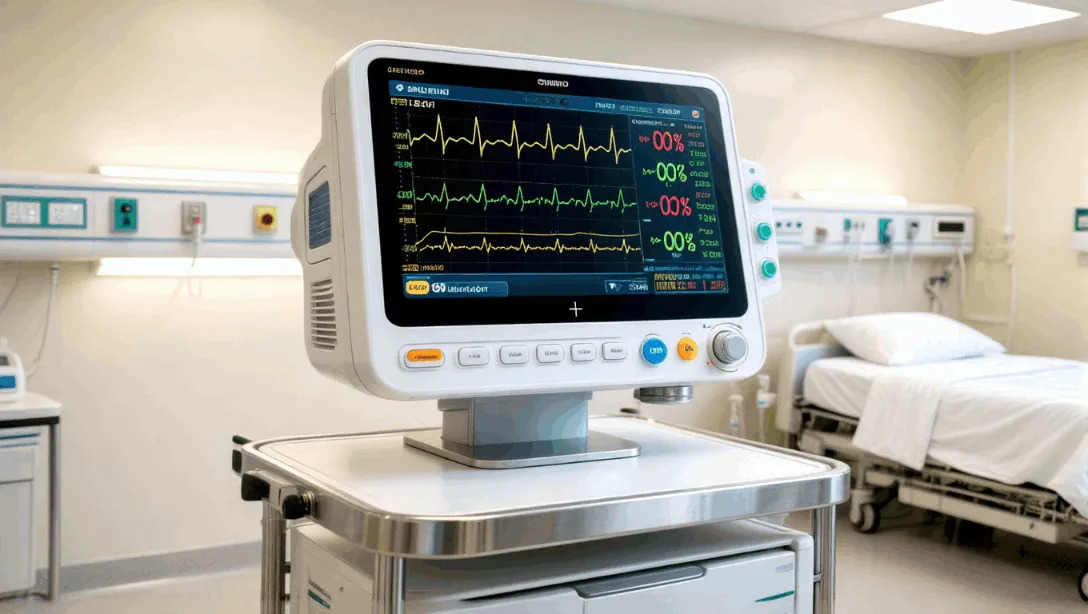
I. Core Application Scenarios of Injection Molding in the Medical Industry
Injection molding technology adapts to the diverse functional needs of medical products, covering from daily disposable supplies to high-end precision implantable devices, and plays an irreplaceable role in improving medical efficiency and ensuring clinical safety.
(I) Disposable Medical Supplies
Disposable medical supplies have the characteristics of large usage volume, high hygiene requirements, and low cost sensitivity, which perfectly match the mass production advantages of injection molding. Syringe barrels and plungers are typical representatives, usually made of polypropylene (PP) material through precision injection molding. PP material is non-toxic, odorless, and has good chemical stability, which can avoid reactions with drugs. During the molding process, the inner wall roughness of the syringe barrel is controlled below Ra 0.2μm to ensure smooth movement of the plunger and accurate liquid extraction. Meanwhile, the dimensional tolerance of the barrel mouth is strictly controlled within ±0.05mm to ensure tight fit with the needle and prevent liquid leakage.
Other disposable products such as medical catheters, specimen containers, and surgical instrument handles also rely on injection molding. Medical catheters adopt thermoplastic elastomers (TPE) or polyurethane (PU) materials, which have good flexibility and biocompatibility, and can be formed into complex structures through micro-injection molding technology to adapt to the curved paths of human blood vessels and organs. Specimen containers made of polystyrene (PS) have high transparency, allowing medical staff to observe the state of specimens intuitively, and their sealing performance is guaranteed by optimizing the mold structure.
(II) Implantable Medical Devices
Implantable devices have extremely high requirements for material biocompatibility, mechanical strength, and corrosion resistance. Injection molding, with the support of high-performance materials, has gradually entered this high-end field. Orthopedic implants such as artificial joints and bone fixation plates can be made of polyetheretherketone (PEEK) material through injection molding. PEEK has mechanical properties similar to human bone, good biocompatibility, and can integrate with human bone tissue without causing rejection. Compared with traditional metal implants, PEEK implants are lighter, reduce the burden on the human body, and have excellent fatigue resistance, ensuring long-term stable use in the human body.
In addition, injection molding is also used in the production of cardiac pacemaker casings and neural stimulation device components. These products adopt liquid crystal polymers (LCP) or polycarbonate (PC) materials, which have good electrical insulation and high temperature resistance, and can protect internal electronic components from the corrosion of human body fluids. The molding process requires strict control of mold temperature and injection pressure to avoid internal stress concentration and ensure the structural integrity of the implant.
(III) Diagnostic Equipment Components
Diagnostic equipment such as biochemical analyzers, blood cell counters, and ultrasound machines rely on high-precision components to ensure detection accuracy, and injection molding provides reliable manufacturing support for these components. The reagent chambers and flow cells of biochemical analyzers are made of PMMA (polymethyl methacrylate) or PC materials through precision injection molding. These materials have high transparency and chemical resistance, which can withstand the erosion of various reagents and ensure the accuracy of optical detection. The dimensional accuracy of the flow cell directly affects the detection result, and the injection molding process can control its internal channel width tolerance within ±0.01mm.
The probe shells of ultrasound machines adopt ABS/PC alloy materials, which have good impact resistance and surface smoothness. Through injection molding, complex shapes can be formed to fit the ergonomic design, and the surface finish is optimized to reduce the reflection of ultrasound waves, improving the clarity of imaging.
II. Material Requirements and Process Characteristics of Medical Injection Molding
(I) Strict Material Selection Criteria
Medical injection molding materials must first meet the requirements of biocompatibility, passing international standards such as ISO 10993 to ensure no toxicity, no irritation, and no carcinogenicity to the human body. At the same time, they need to have corresponding functional properties: disposable supplies focus on low cost and hygiene; implantable devices emphasize mechanical strength and corrosion resistance; diagnostic equipment components pay attention to transparency and chemical stability. In addition, medical materials must have traceability, and each batch of materials must have a complete quality inspection report to facilitate product recall and quality tracking.
(II) High-Precision and Sterile Process Requirements
Medical injection molding has extremely high requirements for process precision. The mold needs to be processed with high precision, and the surface of the cavity is usually polished to a mirror finish to ensure the surface quality of the product. During the molding process, parameters such as temperature, pressure, and cooling time are controlled in real time through a closed-loop system, with temperature fluctuations not exceeding ±1℃ and pressure fluctuations within ±2MPa. For products that require sterility, the injection molding process is usually carried out in a Class 100,000 or higher clean room, and the mold and raw materials are strictly sterilized before production to avoid contamination.
In addition, special injection molding technologies are widely used in the medical field. Insert injection molding integrates metal inserts with plastic to improve the structural strength of products, such as the connection part of medical catheters; two-color injection molding realizes the integration of different materials and colors, such as the handle of surgical instruments with anti-slip TPE and rigid ABS. These technologies not only improve product performance but also reduce subsequent assembly processes and the risk of contamination.
III. Conclusion
Injection molding, with its unique advantages, has become an indispensable core process in the medical industry, providing strong support for the production of safe, efficient, and high-precision medical products. With the continuous development of medical technology and the increasing demand for personalized medical care, injection molding technology will further upgrade in material innovation, process precision, and intelligent production. In the future, driven by biocompatible new materials and intelligent manufacturing technologies, injection molding will play a more important role in the research and development and production of implantable devices, precision diagnostic equipment, and other fields, contributing to the progress of the global medical industry.
Hot Articles
Hot Tags
Stay Connected!


Manufacturing on Demand
Please fill in the following information to obtain plan details (information is confidential and not disclosed publicly), we will contact you within 24 hours, please keep your phone available!
Upload a 3D/2D model to see instant pricing, lead time, and DFM feedback.