



Keeping Die-Cast Parts Stable for Reliable Delivery


Where Early Orders Get Risky
How do you keep a die-cast part stable from first approval through repeat-volume delivery? For startup companies, this is often where the real pressure begins, especially when a part includes ribs, bosses, machined faces, threaded areas, and other features that must stay consistent across batches. In this case, Mastars provides aluminum die-casting services backed by an IATF 16949-based quality approach and consistent process control, helping customers build a stronger foundation before volume delivery begins.
The real difficulty is not making one acceptable sample, but keeping repeat quality and delivery rhythm under control once production moves beyond the first build. If this part of the process is not managed well, startup teams can face slower validation, repeated corrections, and rising sourcing pressure at the same time.
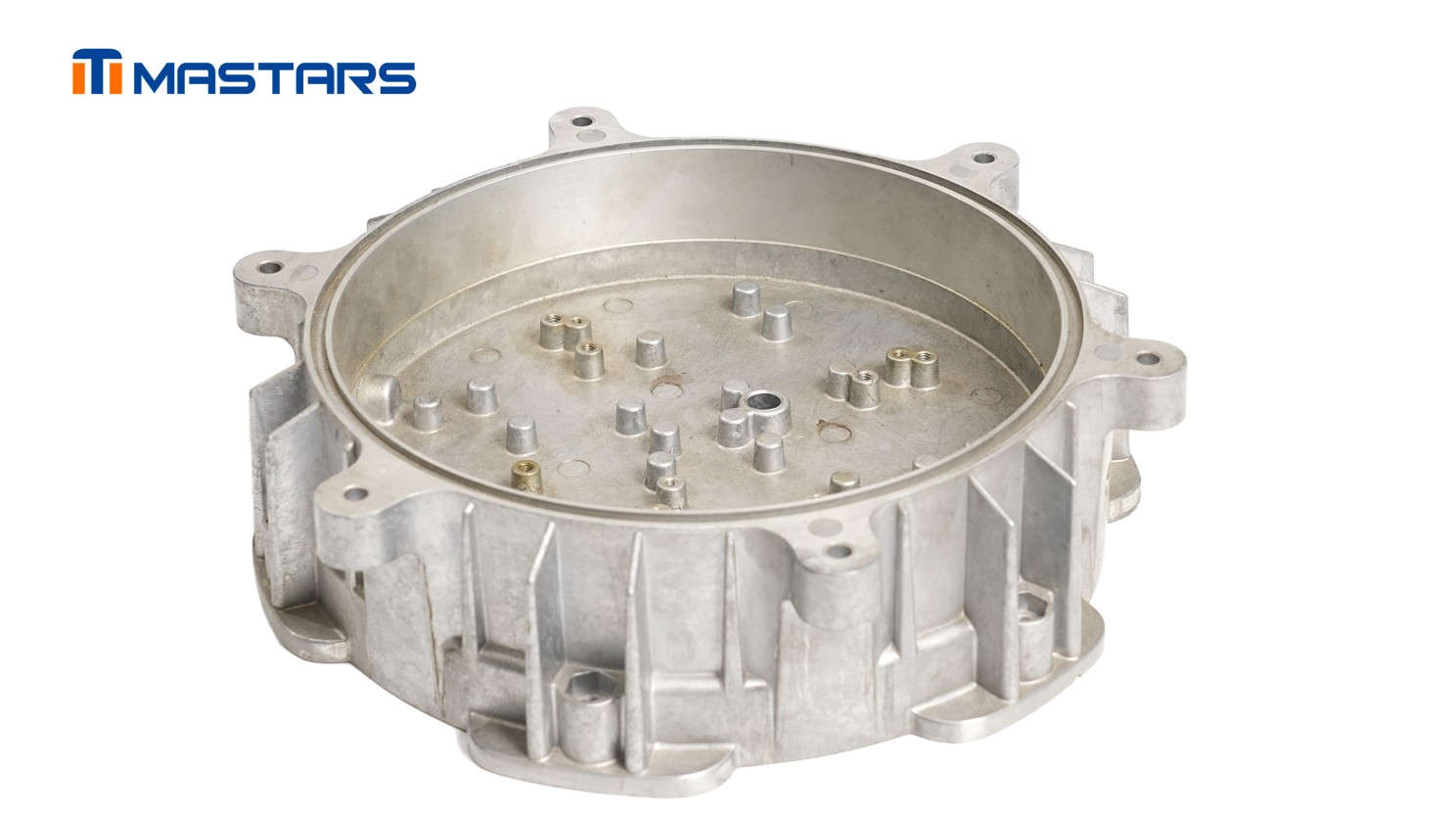
As-cast housing detail with structural ribs, bosses, and wall transitions, showing why geometry control is essential for repeat consistency in die-cast part production.
What Matters Most for Batch Stability
For startup companies, the deeper issue begins when casting quality, machining stability, and batch control all have to hold together in repeat production. Typical risks include porosity in thicker sections, local distortion after casting, variation on critical surfaces, and position shift between cast and machined features. These problems do not stay on the shop floor. If they are not controlled early, they usually lead to delayed validation, unstable delivery, repeated supplier communication, and a higher total manufacturing burden.
This is where Mastars creates the real opportunity for customers. Mastars supports this kind of work through coordinated DFM review, die casting mold planning, machining fixture setup, control points for critical features, and traceable inspection records under an IATF 16949-based quality system. By pushing risk control earlier in the process, Mastars helps startup companies move toward more stable repeat production, better delivery confidence, and a more competitive total manufacturing cost.
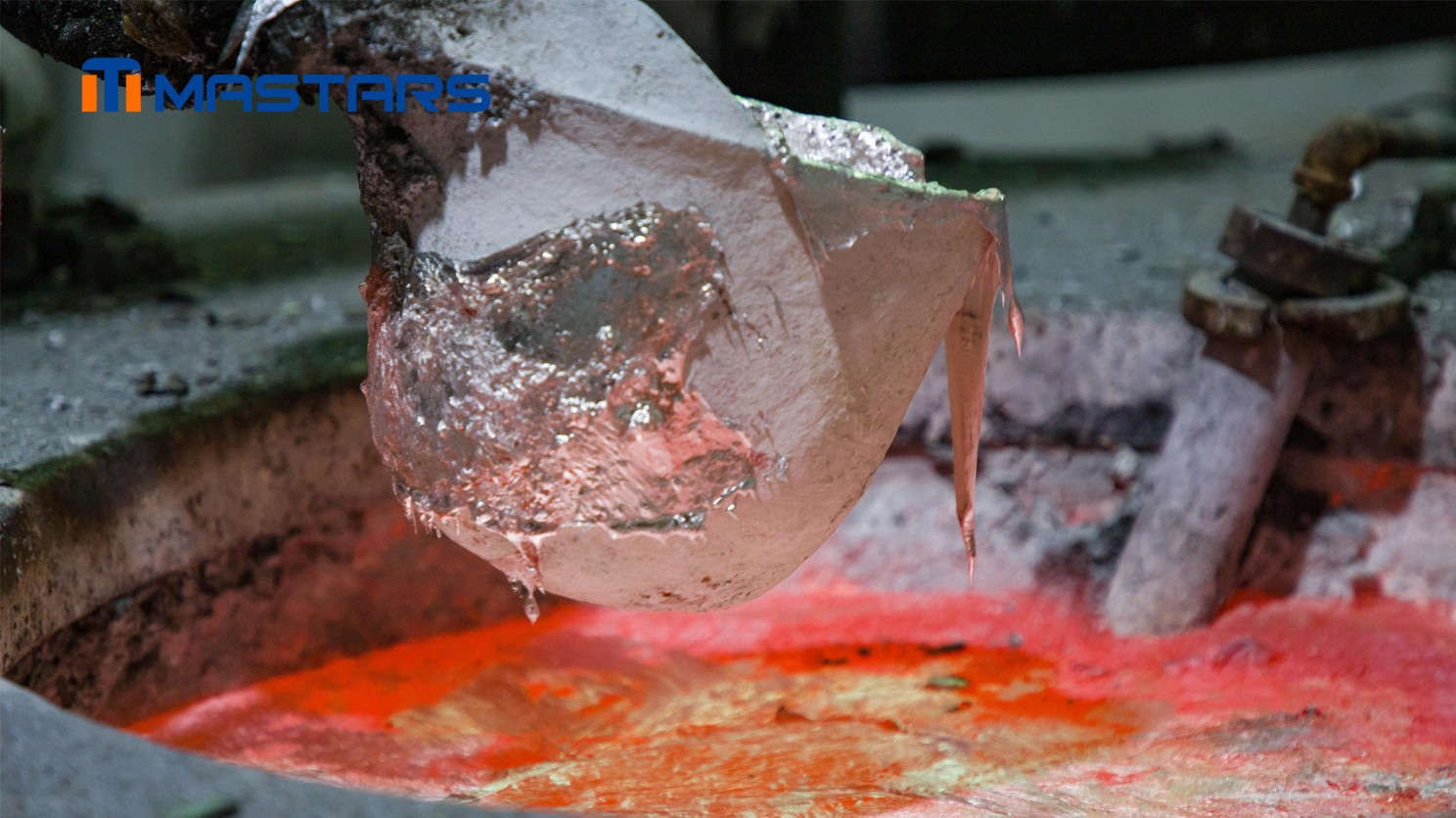
Molten metal preparation at the die casting stage, showing where process stability begins and why early control matters for repeat production consistency.
What Customers Can Gain Here
Client core value: Lower cost pressure, faster delivery control, and stronger repeat-production confidence for die-cast part programs.
✅ Total manufacturing cost optimization potential of 8%–15%
✅ Delivery lead time improvement potential of 15%–25%
✅ Rework and sorting pressure reduction potential of 20%–30%
✅ Faster supplier review support for early project approval
✅ Better repeat-order planning with more stable process control

Mastars engineers inspecting part detials on site, showing how product consistency is built through close attention to critical features.
Similar Needs Across Industries
This pressure is not limited to one product or one project stage. Any die-cast part with machined interfaces, mounting positions, sealing areas, or repeat assembly requirements can run into the same balance between consistency, delivery, and cost.
- New energy vehicles — drive unit components
- Industrial equipment — gearbox structural parts
- Robotics systems — actuator housings
- Fluid control systems — pump body parts
If your team is reviewing a die-cast part program, which matters more right now: batch consistency or delivery stability? Contact Mastars to discuss your requirements and build a more reliable production route.
 Mastars, the most trusted one-stop manufacturing services provider for low-volume production worldwide!
Hot Articles
Hot Tags
Stay Connected!


Manufacturing on Demand
Please fill in the following information to obtain plan details (information is confidential and not disclosed publicly), we will contact you within 24 hours, please keep your phone available!
Upload a 3D/2D model to see instant pricing, lead time, and DFM feedback.