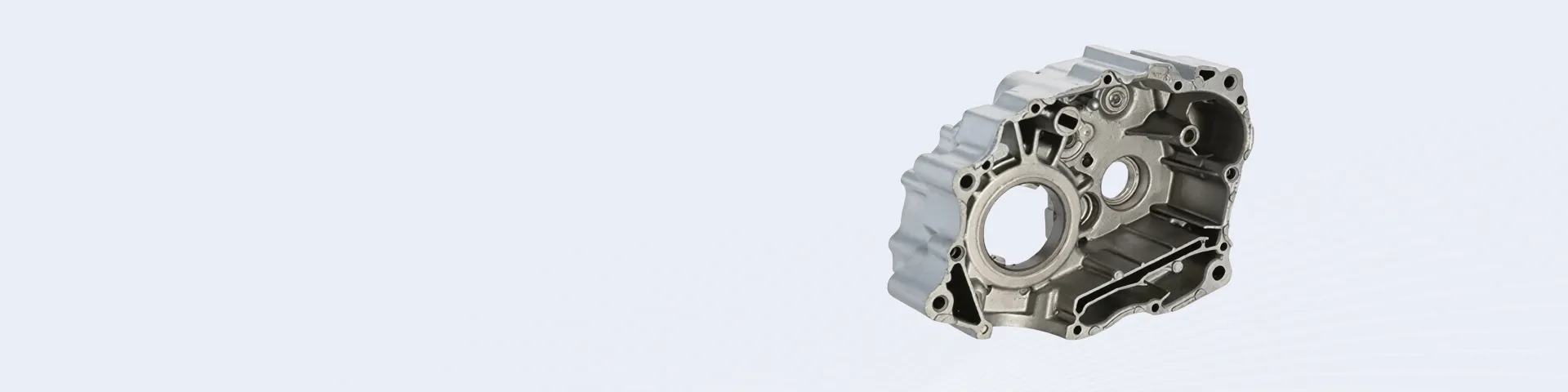
Low Pressure Die Casting
Mastars Low Pressure Die Casting: Low Pressure, High Performance, Zero Defects.
Get an online quote now.
Low-pressure casting (LP casting) is a metal casting process that fills molds with molten metal under relatively low pressure, typically up to 0.8 bar (11.6 psi). Delivering higher-quality castings with enhanced mechanical properties compared to processes like sand casting, LP casting differs from gravity die casting by positioning the mold at or above the molten metal level.
LP casting produces stronger components than conventional sand casting. The slow, turbulence-free metal flow minimizes gas entrapment and solidification shrinkage, significantly reducing porosity. Furthermore, the dies feature integrated cooling channels for controlled solidification, which further refines the microstructure and boosts overall mechanical performance.


Why Choose Low Pressure Die Casting
Low-pressure casting plays a vital role in modern manufacturing, especially for producing high-quality, complex aluminum alloy components. Its precisely controlled mold filling ensures smooth metal flow, minimizing turbulence and gas entrapment, which results in significantly reduced porosity and consistently superior part quality. This stable process also enables the production of intricate geometries, including thin walls (around 3 mm) and detailed features. With lower post-casting machining needs, enhanced metallurgical properties, and excellent compatibility with automated production, low-pressure casting stands out as a highly versatile and valuable manufacturing solution.
What Makes Low Pressure Casting Stand Out Among Other Types of Casting?
✔️ High Quality & Low Porosity
Produces high-quality castings with minimal porosity through low-turbulence filling and sustained pressure that compensates for shrinkage during cooling.
✔️ Superior Surface & Complex Geometry
Delivers smoother surface finishes than sand casting and enables the production of intricate shapes with fine details and wall thicknesses as low as 3 mm.
✔️ Extended Tool Life & Lower Costs
The process is gentle on molds and dies, extending their service life and reducing maintenance costs.


Process of Low Pressure Casting
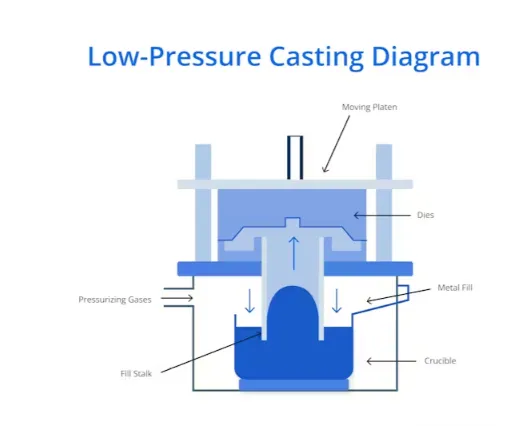
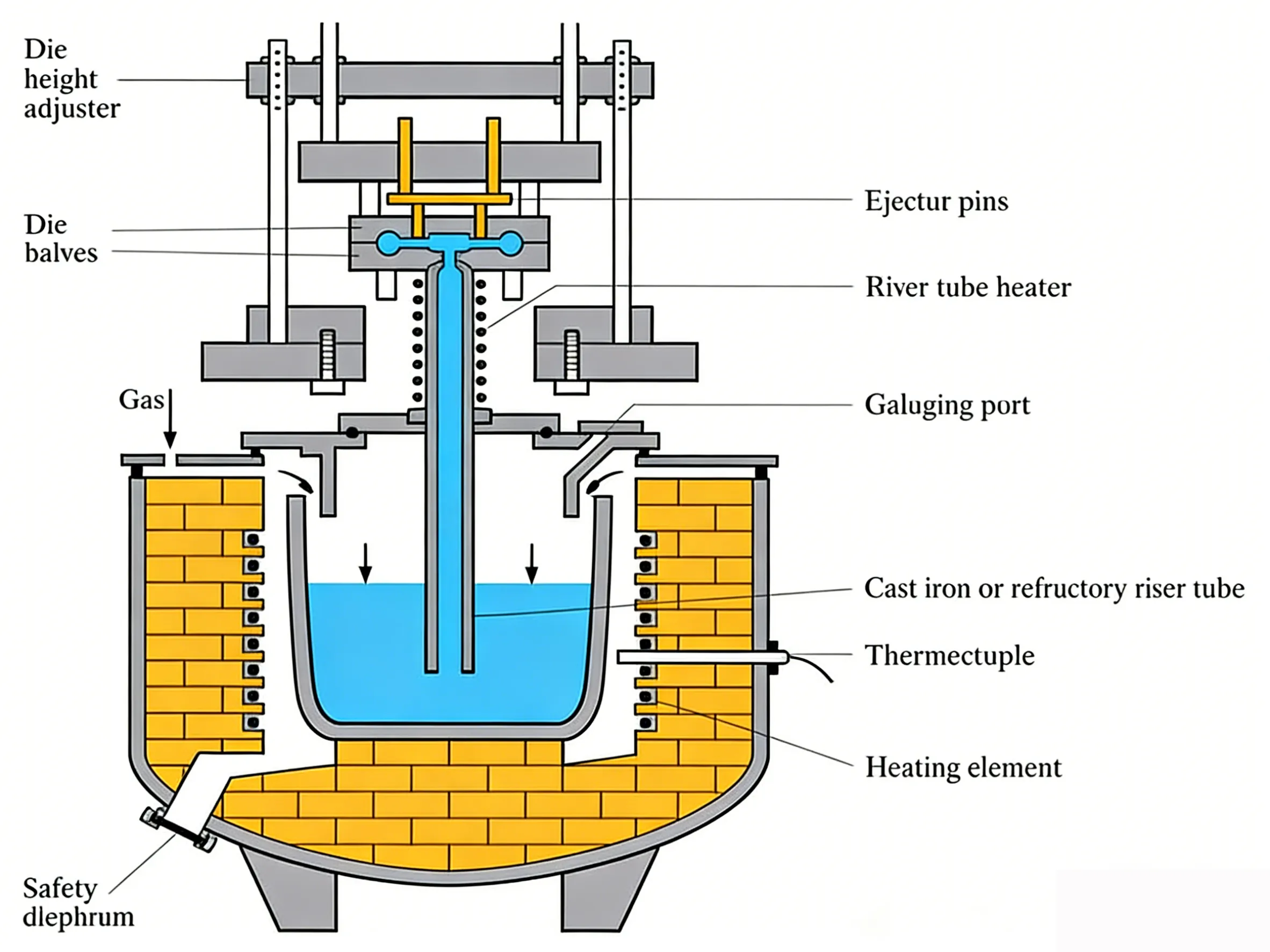
The low-pressure casting process starts with melting the selected alloy (typically aluminum or magnesium) in a furnace to a temperature slightly above its liquidus point, ensuring full fluidity for mold filling—with precise temperature control critical to avoiding defects like cold shuts or incomplete filling. The molten metal is then transferred to a pressurized holding furnace beneath the mold, which maintains temperature and minimizes oxidation while enabling direct upward delivery into the mold cavity.
Low pressure (0.3–0.7 bar) is applied to push the metal upward through a riser tube in a slow, laminar flow that reduces turbulence and air entrapment, filling the mold evenly from the bottom up; pressure is held during solidification to counteract shrinkage, boosting density, uniformity, and mechanical properties. Once solidification finishes, pressure is released, excess metal is recycled for reuse, the mold cools to finalize part integrity, and the mold is opened to remove the finished casting.
Material Options
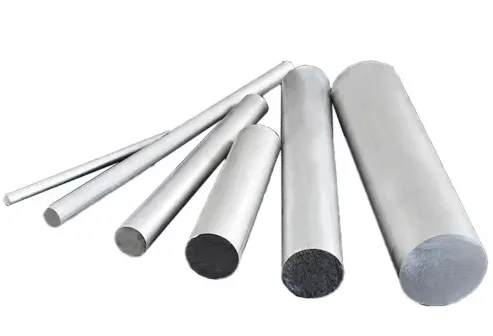
There are many metals used in low pressure casting. Three of the most common are listed and discussed below:
✔️ Magnesium Alloys
✔️ Aluminum Alloys
✔️ Copper and Copper Alloys
✔️ Zinc and Zinc Alloys


Applications of Low Pressure Die Casting
Low Pressure Die Casting Industry Applications:
✔️ Automotive Industry
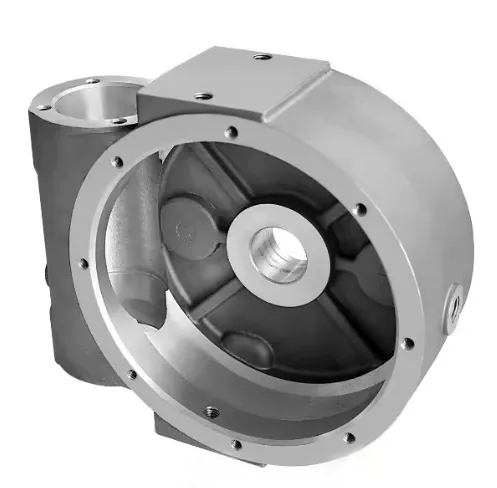
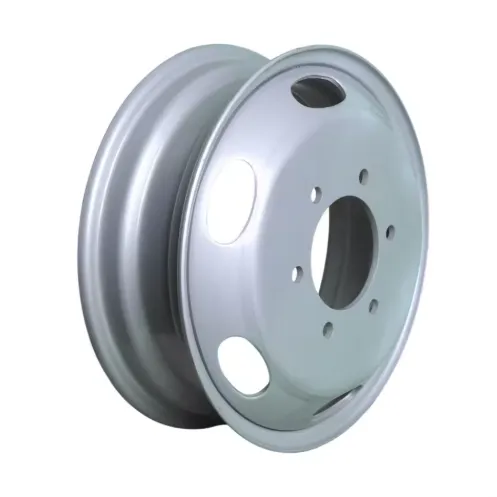
Produces high-quality, complex components like aluminum engine blocks, cylinder heads, suspension parts, and wheels, leveraging its ability to deliver consistent, dense castings.
✔️ Electronics & Heat Management
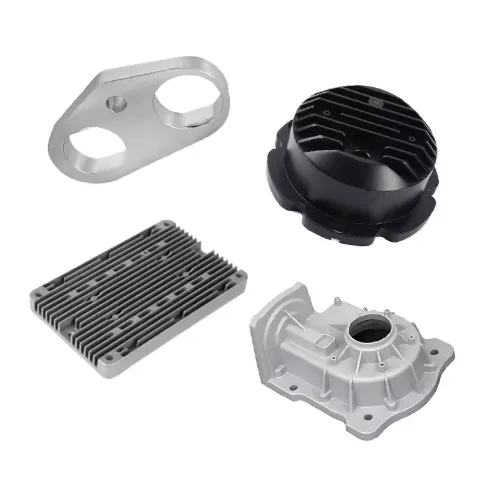
Manufactures intricate heat sinks and electronic housings, benefiting from the process’s precision and ability to create detailed, thermally efficient parts.
✔️ General Engineering & Consumer Goods
Used for pump housings, impellers, and consumer items such as golf club heads, ideal for applications requiring complex geometry and reliable mechanical performance.
Accuracy of Low Pressure Casting
Low pressure casting delivers higher-quality castings than traditional gravity casting. Its carefully controlled, uniform metal flow and reduced turbulence enhance dimensional stability. Typical dimensional tolerances are around ±0.005 inch (±0.127 mm) for the first inch, with ±0.003 inch (±0.076 mm) for each additional inch, varying by alloy, mold design, and part complexity. A minimum draft angle of 0.5° is generally recommended for smooth mold release and reliable ejection. The process also enables near-net-shape production with minimal secondary machining, making it highly suitable for medium-to-large components that demand tight dimensional control and structural integrity.


Advantages of Low Pressure Casting
Low pressure die casting (LPDC) delivers a wide range of key advantages:
· Exhibits high accuracy as a result of maintaining low pressure during solidification.
· Minimizes inclusions from oxidation or trapped slag.
· Introduces molten metal to the mold without turbulence. Avoiding churning and splashing the liquid metal helps to prevent oxide formation, which, in turn, leads to a lower level of unwanted inclusions in the final casting.
· Produces castings with minimal porosity by employing low pressure.
· The regulated flow and solidification of metal enhance the mechanical attributes of the castings.
· Controlled mold filling results in fewer casting flaws and, consequently, less material discarded as scrap.
· Can accommodate a diverse array of non-ferrous alloys, such as magnesium, aluminum, and zinc.
Disadvantages of Low Pressure Casting
Low pressure casting has several limitations:
· Mold filling is slower than high-pressure die casting.
· Molten metal may erode equipment parts like crucibles and risers; localized erosion can occur in high-turbulence mold areas.
· Requires a minimum wall thickness of about 3 mm.
· Energy use is lower than high-pressure die casting and sand casting but higher than gravity casting.
· Needs significant upfront investment in specialized machines, molds, and ancillary equipment.
· Temperature and pressure control systems require skilled, trained operators.

Quick links
Technical video

Manufacturing on Demand
Please fill in the following information to obtain plan details (information is confidential and not disclosed publicly), we will contact you within 24 hours, please keep your phone available!

Upload a 3D/2D model to see instant pricing, lead time, and DFM feedback.