



Precision Intelligent Manufacturing Empowers Lighting Upgrading: Analysis of the Whole Process Manufacturing of LED Lamps with Core Technologies


1. Current Status of the LED Lamp Manufacturing Industry: Process Upgrading Drives Dual Improvement of Quality and Efficiency
Against the backdrop of the implementation of the global carbon neutrality strategy and the accelerated popularization of green lighting, the LED lighting industry has fully replaced traditional incandescent lamps and fluorescent lamps with core advantages of high luminous efficacy, low energy consumption, long service life and environmental friendliness without mercury, becoming the mainstream product for general lighting, commercial lighting, industrial lighting, outdoor lighting and special lighting. Nowadays, LED lamp manufacturing has long broken away from the extensive assembly mode and shifted to an intelligent manufacturing stage featuring precision, standardization, large-scale production and customization. The technological level of core links such as structural part processing, shell molding and component assembly directly determines the heat dissipation performance, optical effect, structural stability and service life of LED lamps. Moreover, the in-depth application of advanced manufacturing technologies including CNC Machining, Injection Molding, Die Casting and Plastic Tooling has broken through the precision, capacity and customization bottlenecks of traditional LED lamp manufacturing, pushing the industry from low-end homogeneous competition to a new track of high-end quality and differentiated development.
Although LED lamps appear to have a simple structure, they are actually composed of four core modules: optical components, electronic control components, structural heat dissipation components and appearance shells. The processing accuracy, material performance and adaptability of parts in each module are indispensable. Among them, key parts such as structural heat dissipation parts, appearance shells and optical brackets are mostly mass-produced by precision mechanical processing and mold molding technologies, while small-batch customized parts are supplemented by additive manufacturing technologies, forming a complete manufacturing system complemented by "subtractive manufacturing + mold molding + additive manufacturing". This article will focus on the core links of LED lamp manufacturing, conduct an in-depth analysis of the application scenarios, technical parameters and operational key points of CNC machining, injection molding, die casting and plastic tooling, combine the characteristics of LED lamp products, restore the technical core of modern LED lamp whole-process manufacturing, and demonstrate the core enabling role of advanced technologies in the upgrading of the LED lighting industry.
2. Manufacturing of Core Parts of LED Lamps: Detailed Explanation of the Application and Technical Parameters of Four Major Technologies
1.1 CNC Machining: The Core of Subtractive Manufacturing for High-Precision Parts
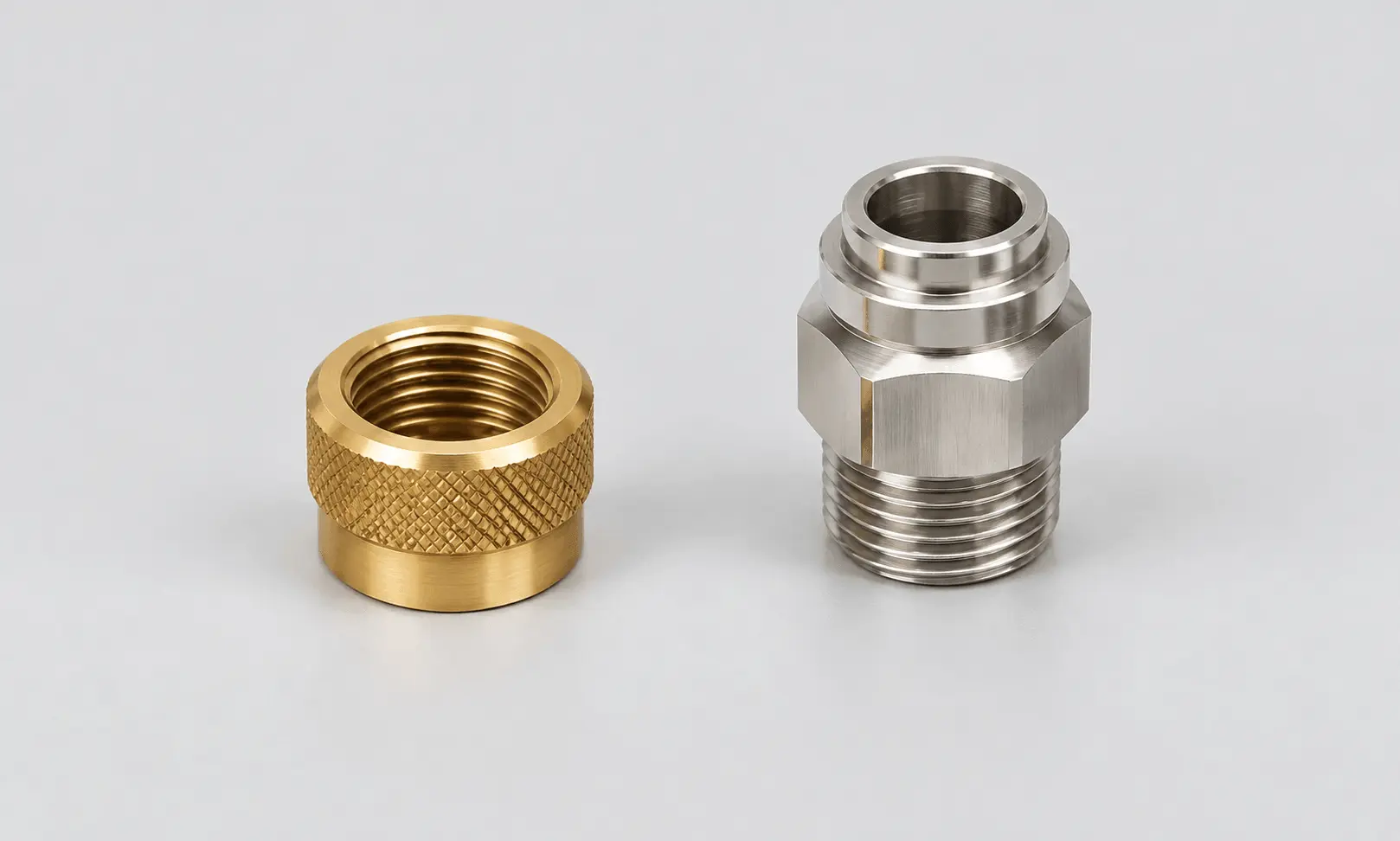
CNC Machining is the preferred processing technology for high-precision, small-batch and complex structural parts in LED lamp manufacturing, belonging to the category of subtractive manufacturing. It controls 3-axis/4-axis/5-axis machining centers through computer programming, driving high-speed rotating tools to carry out refined cutting operations such as milling, drilling, tapping, boring and engraving on metal and engineering plastic blanks. It is perfectly suitable for processing LED lamp parts such as heat dissipation bases, optical lens brackets, metal lamp holders, customized radiators and precision installation components. Its core advantages lie in extremely high processing accuracy, no mold opening required and fast response speed, enabling the rapid realization of physical samples from design drawings, and taking into account R&D proofing and small-batch customized production.
In LED lamp manufacturing scenarios, CNC machining is mainly applied in two fields: first, metal heat dissipation structural parts of special lamps such as high-end LED spotlights, miner's lamps and explosion-proof lamps, which have strict requirements for heat dissipation efficiency, structural strength and explosion-proof performance, and ordinary mold molding cannot meet the precision and performance needs; second, hand-made samples and customized special-shaped structural parts in the R&D stage of LED lamps, which can quickly verify structural feasibility and assembly adaptability without investing high mold costs. In view of the processing characteristics of LED lamp parts, core technical parameters must be strictly controlled in CNC machining to ensure the accuracy and performance of parts meet standards. The specific parameters are as follows:
• Processing Accuracy: The processing accuracy of conventional LED lamp structural parts is controlled at ±0.02mm~±0.05mm, and key components such as high-end precision brackets and explosion-proof lamp shells can reach ±0.01mm, ensuring the accurate assembly of lamp beads, drive power supplies, lenses and other components without looseness, dislocation or gaps;
• Processing Equipment: High-speed CNC machining centers are selected, with spindle speed of 12000r/min~24000r/min and feed speed of 800mm/min~3000mm/min. Corresponding tools and cutting parameters are adapted for different materials such as aluminum alloy, brass, stainless steel, ABS and PC;
• Applicable Materials: For metals, 6063/6061 aluminum alloy (thermal conductivity ≥200W/(m·K), suitable for heat dissipation parts), brass (excellent electrical and thermal conductivity, suitable for lamp holder electrodes) and 304 stainless steel (corrosion resistance, suitable for outdoor lamp components) are preferred; for plastics, ABS, PC and PA66 (high strength, high temperature resistance, suitable for optical brackets) are selected;
• Surface Roughness: Ra ≤1.6μm for heat dissipation structural parts, Ra ≤0.8μm for optical brackets and installation joint surfaces, reducing assembly resistance and improving heat dissipation contact efficiency and appearance texture;
• Processing Scenarios: Processing of special-shaped radiator fins, positioning of precision installation holes, tapping of lamp holder threads, refined cutting of lens slots, enabling integrated processing of complex curved surfaces, porous positions and special-shaped slots without secondary splicing.
Compared with traditional manual processing and simple machine tool processing, CNC machining completely solves the pain points of large dimensional deviations, poor consistency and high assembly difficulty of precision LED lamp parts, especially in the manufacturing of high-end customized LED lamps, becoming a core technology to ensure product quality. For example, the integrated heat dissipation base of high-power LED industrial and mining lamps is formed by 5-axis CNC machining, with uniform spacing of heat dissipation fins and accurate wall thickness. The heat dissipation area is increased by 30% compared with traditional stamping parts, the light decay speed is reduced by 40%, and the service life of the lamp is extended to more than 50,000 hours.
1.2 Plastic Tooling + Injection Molding: The Cornerstone of Large-Scale Mass Production of Plastic Parts
Plastic Tooling and Injection Molding are complementary technological systems. Plastic Tooling is the molding carrier, and Injection Molding is the molding method. Their combination is the core solution for large-batch, high-efficiency and low-cost mass production of LED lamp plastic parts, widely used in the production of plastic components such as LED lamp shades, lamp shell bases, plastic lamp holders, drive power supply shells, optical lens brackets and junction boxes, accounting for more than 70% of LED lamp parts output, and serving as the core support for the mass production of civil and commercial LED lamps.
As the core tooling for injection molding, plastic molds are divided into male molds, female molds, runner systems, ejection systems and cooling systems. The mold material and processing accuracy directly determine the molding quality and service life of injection molded parts. LED lamp plastic molds are mostly made of mold steels such as S136, NAK80 and 718H, processed by CNC engraving, electric spark and wire cutting technologies, with mold cavity accuracy of ±0.01mm and surface polishing Ra ≤0.2μm, ensuring no burrs, no flashes and consistent dimensions of injection molded parts. The normal service life of a single set of molds can reach 500,000 to 1,000,000 mold shots, adapting to large-scale mass production needs.
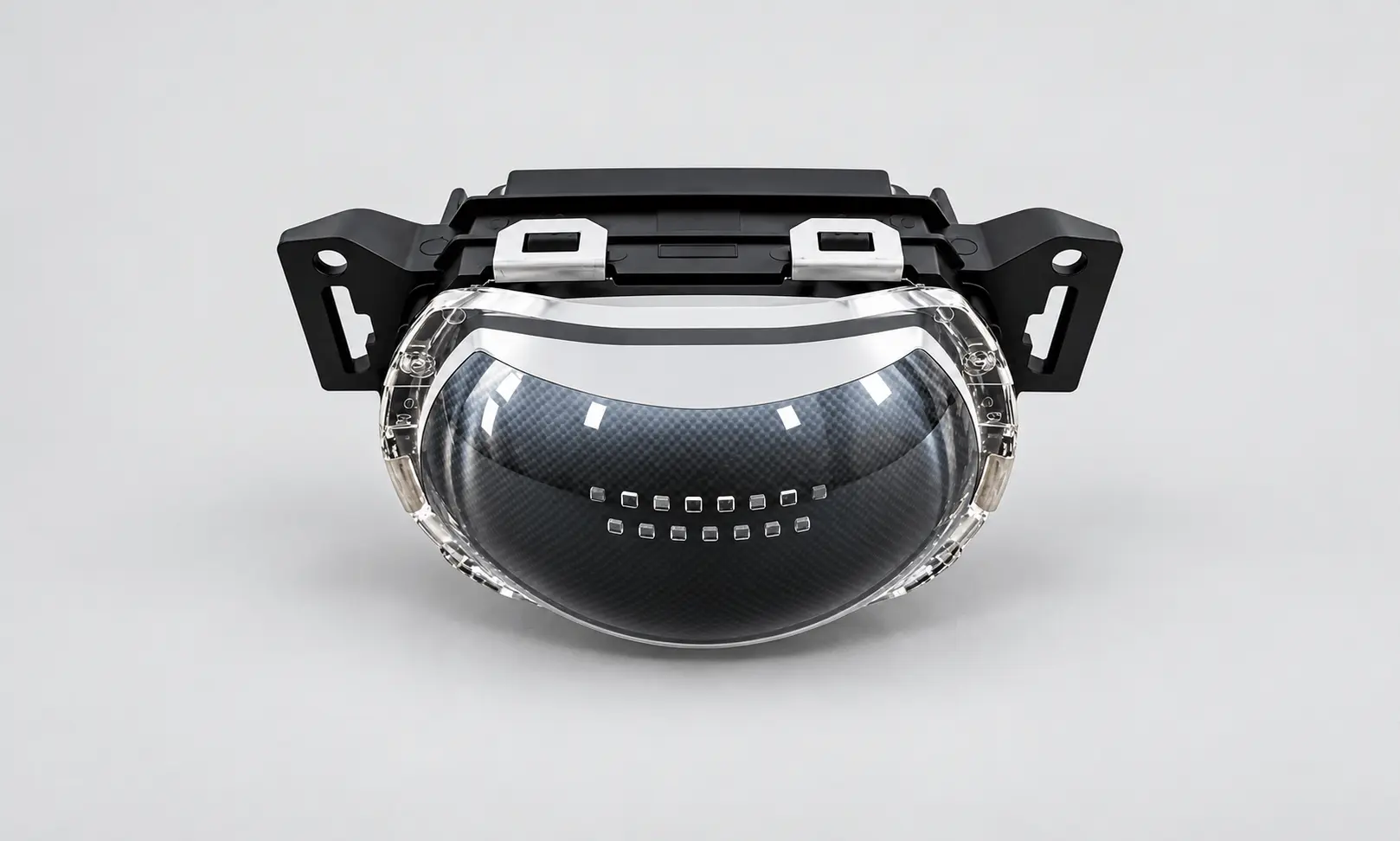
Injection molding is to add dried plastic particles into the barrel of the injection molding machine, heat and melt them into a fluid, inject them into the closed plastic mold cavity under high pressure and high speed, hold pressure and cool, then open the mold and eject to obtain molded plastic parts. For LED lamp injection molding, corresponding plastic raw materials and process parameters must be matched according to the purpose and performance requirements of parts. The core technical parameters and application details are as follows:
• Common Raw Materials: PC (polycarbonate, high light transmittance ≥90%, UV resistance, flame retardant V-0 grade, suitable for LED lamp shades and optical lenses), ABS (high toughness, easy molding, suitable for lamp shell bases and junction boxes), PC+ABS alloy (taking into account light transmittance and toughness, suitable for integrated lamp shells), PA66 (high temperature resistance, good insulation, suitable for lamp holders and power supply shells);
• Core Injection Molding Parameters: Barrel temperature 200℃~280℃ (250℃~280℃ for PC raw materials, 200℃~230℃ for ABS raw materials), mold temperature 60℃~90℃, injection pressure 80MPa~150MPa, injection speed 30mm/s~80mm/s, holding pressure 50MPa~100MPa, holding time 5s~15s, cooling time 10s~25s, single mold molding cycle 35s~60s;
• Molding Accuracy: Dimensional accuracy of conventional LED plastic parts ±0.05mm~±0.1mm, ±0.03mm for optical components such as lamp shades and lenses, ensuring assembly clearance ≤0.1mm without light leakage or looseness;
• Process Optimization: For optical components such as LED lamp shades, high-gloss non-marking injection molding technology is adopted to reduce defects such as flow marks, shrinkage and bubbles, ensuring uniform light transmittance; for thin-walled lamp shells, the gate position and injection speed are optimized to avoid material shortage and deformation, and improve the structural strength of parts.
In the mass production of standardized products such as LED lamp tubes, LED panel lamps and bulb lamps, the plastic tooling + injection molding technology shows strong cost and efficiency advantages, with a daily output of tens of thousands of pieces. The consistency of parts far exceeds that of manual processing and small-batch CNC machining. At the same time, integrated molding can be realized through mold design, reducing subsequent assembly processes and labor costs. For example, the PC lamp shade of T8 LED lamp tubes is injection molded by an 8-cavity plastic mold, with a single lamp shade molding cycle of only 40s, qualified light transmittance and no optical distortion, fully meeting the requirements of uniform light emission and no dark areas of the lamp tube.
1.3 Die Casting: High-Efficiency Mass Production Technology for Metal Structural Heat Dissipation Parts
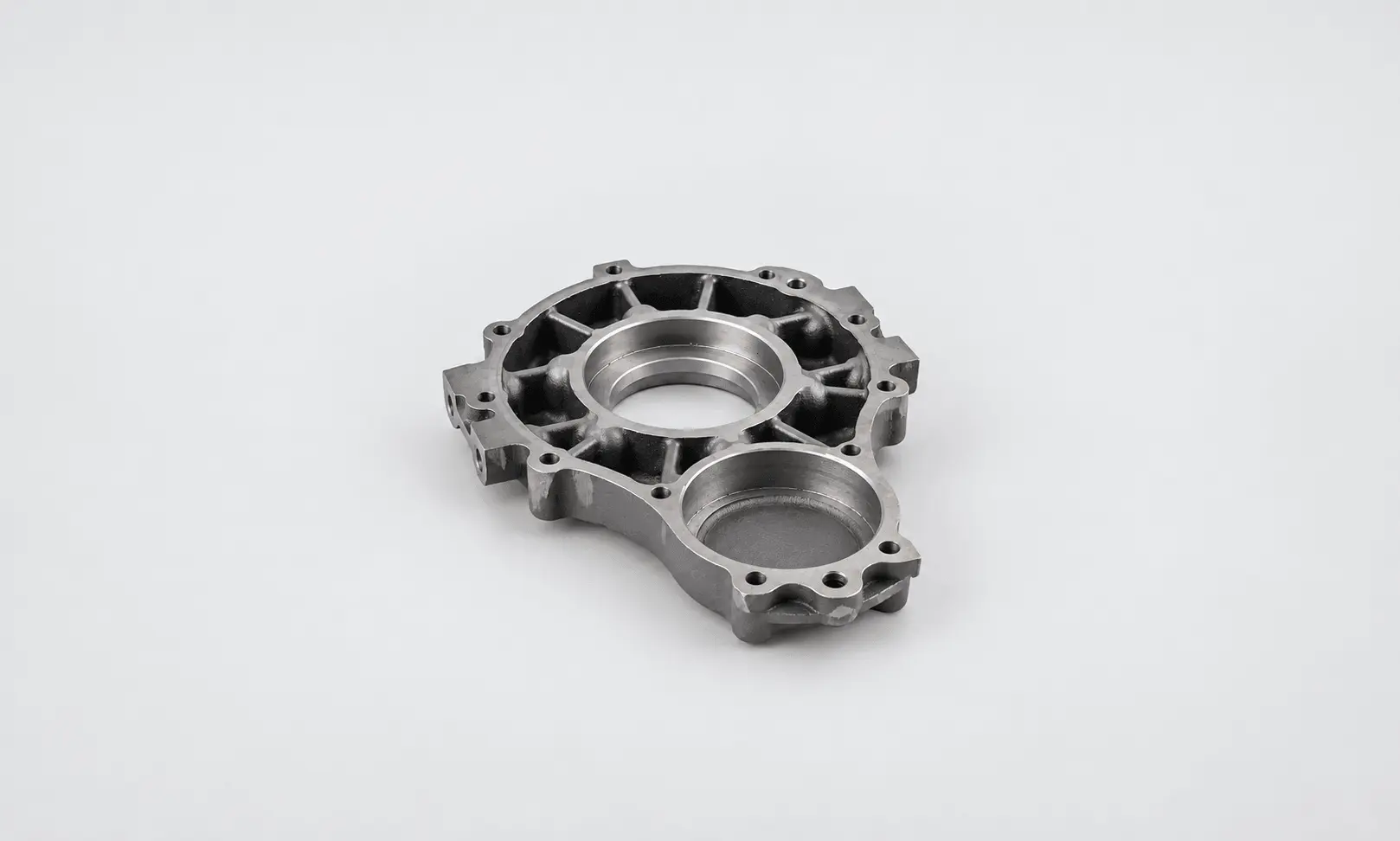
Die Casting is the mainstream mass production technology for LED lamp metal structural parts and heat dissipation parts, belonging to the category of high-pressure precision casting. It injects molten non-ferrous metal liquids such as aluminum alloy and zinc alloy into the die casting mold cavity under high pressure (dozens to hundreds of MPa) and high speed, and rapidly cools and molds to obtain high-precision, high-strength and high-thermal-conductivity metal parts. It is corely suitable for components such as high-power radiators, integrated lamp bodies, metal lamp holders and street lamp shells of LED lamps, taking into account heat dissipation performance, structural strength and mass production efficiency, perfectly balancing performance and cost, and serving as the core technology for the manufacturing of outdoor LED lamps, industrial LED lamps and high-power LED lamps.
ADC12 aluminum alloy (silicon content 10%~12%, good fluidity, thermal conductivity ≥150W/(m·K)) and A360 aluminum alloy are preferred for LED lamp die casting. These materials have both excellent thermal conductivity and casting performance, and can form complex heat dissipation fins and special-shaped lamp body structures, meeting assembly requirements without secondary CNC finishing. Compared with traditional stamping and welding technologies, die casting can realize integrated molding with good structural sealing and high heat dissipation efficiency, greatly improving the durability and heat dissipation capacity of LED lamps. The core technical parameters and process key points are as follows:
• Core Die Casting Parameters: Alloy melting temperature 620℃~680℃, mold temperature 220℃~280℃ (zone temperature control to ensure uniform molding), injection speed 2m/s~5m/s (slow-fast-slow three-stage speed regulation to avoid air holes and flashes), injection pressure 80MPa~120MPa, boosting pressure 15%~20% higher than filling pressure, holding time 5s~12s, cooling time 8s~20s, single mold molding cycle 20s~40s;
• Molding Accuracy: Dimensional accuracy ±0.05mm~±0.1mm, surface roughness Ra ≤1.6μm, flatness error ≤0.1mm/m, wall thickness of heat dissipation fins can be as thin as 1.2mm, greatly increasing the heat dissipation surface area;
• Technological Advantages: Integrated molding without splicing gaps, waterproof and dustproof grade up to IP65~IP67, suitable for outdoor lamps; high density and regular structure of heat dissipation fins, heat dissipation efficiency increased by more than 25% compared with stamping and welding parts, effectively delaying the light decay of LED lamp beads; high mass production efficiency, daily output of 5,000~8,000 pieces per set of molds, adapting to large-batch orders.
Die casting technology is indispensable in the manufacturing of high-power outdoor lamps such as LED street lamps, floodlights and high-pole lamps. Taking the 150W LED street lamp radiator as an example, it is die-cast with ADC12 aluminum alloy, and the integrated heat dissipation fin structure does not require welding, with a smooth heat conduction path. The core temperature of the lamp is controlled below 65℃ during operation, the light decay rate ≤5%/5000 hours, and the service life is far longer than that of lamps with traditional stamping heat dissipation structures. At the same time, it meets the use needs of harsh outdoor environments such as wind, rain, high temperature and severe cold.
1.4 Process Complementation and Adaptation: The Customized Supplementary Role of 3D Printing
As an additive manufacturing technology, 3D Printing is not suitable for large-batch mass production of LED lamps, but plays an important supplementary role in the manufacturing of special-shaped customized lamps, R&D proofing and small-batch special lamps. It can quickly mold complex hollow structures, artistic lamp shells and special-shaped optical brackets that are difficult to process by CNC or costly to mold, without molds and unrestricted by structures, perfectly meeting the personalized and customized manufacturing needs of LED lamps.
Photosensitive resin, PLA, flame-retardant ABS and other consumables are preferred for LED lamp 3D printing, and process parameters are optimized for lighting scenarios: printing temperature 210℃~245℃, layer thickness 0.1mm~0.2mm, molding accuracy ±0.1mm, flame retardant grade up to V-0, long-term use temperature ≤75℃, suitable for molding shells and brackets of indoor customized decorative lamps and artistic LED lamps. For example, for special-shaped LED artistic lamps customized for hotels and exhibition halls, 3D printing can quickly realize the molding of complex curved surfaces and hollow pattern structures, and the completion from design to sample landing can be realized within 72 hours, greatly shortening the R&D cycle and filling the shortcomings of traditional technologies in the customized field.
3. Whole Process Manufacturing of LED Lamps: Process Integration and Quality Control
Modern LED lamp manufacturing is not the independent application of a single technology, but the in-depth integration of CNC machining, injection molding, die casting, plastic tooling and other technologies, forming a closed-loop process of "R&D proofing - parts mass production - refined assembly - full inspection - aging test". Each process is closely linked to quality control to ensure that finished LED lamps meet industry standards and use requirements.
3.1 Disassembly of the Whole Process Manufacturing Procedures
1. Design and Proofing Stage: Complete the structural, optical and heat dissipation design of lamps through 3D modeling, make hand-made samples by CNC machining or 3D printing, verify structural adaptability, heat dissipation effect and optical performance, and optimize the design scheme; for mass-produced parts, complete the design and processing of plastic molds and die-casting molds to make preparations for mass production.
2. Parts Mass Production Stage: Plastic parts are mass-produced through plastic tooling + injection molding; metal heat dissipation parts and structural parts are mass-produced through die casting; high-precision customized parts are refined by CNC machining; key components such as optical lenses and lamp shades adopt high-gloss injection molding technology to ensure optical performance meets standards.
3. Component Pretreatment Stage: Deburr, trim and perform surface treatment (anodizing, powder spraying, electroplating) on injection molded parts and die castings to improve corrosion resistance, appearance texture and heat dissipation performance; carry out SMT mounting processing on LED lamp beads and PCB boards to complete the preparation of photoelectric core components.
4. Whole Lamp Assembly Stage: Accurately assemble LED lamp panels, drive power supplies, heat dissipation components, lamp shades and lamp holders in accordance with process standards, adopt automated assembly lines to improve efficiency, strictly control assembly clearance and wiring specifications, and ensure the stable structure and smooth circuit of the whole lamp.
5. Inspection and Aging Stage: Conduct photoelectric performance testing (luminous flux, color temperature, color rendering index, power factor), safety performance testing (withstand voltage, insulation, grounding) and protection grade testing on finished LED lamps, followed by 48~72 hours of continuous aging testing to screen out early failure products and ensure the factory yield rate.
3.2 Key Points of Process Collaboration and Quality Control
The core difficulty of LED lamp manufacturing lies in process collaboration and precision control. The dimensional consistency of injection molded parts, die castings and CNC machined parts directly affects the assembly efficiency and quality of the whole lamp. In the production process, a full-process quality inspection system must be established: regularly verify the accuracy of molds to ensure that the deviation of molded parts meets standards; monitor tool wear and cutting parameters throughout the CNC machining process to eliminate dimensional out-of-tolerance; monitor temperature, pressure and speed in real time during injection molding and die casting to avoid molding defects; adopt positioning fixtures in the assembly link to ensure accurate component assembly and reduce manual errors.
At the same time, aiming at the two core performances of LED lamp heat dissipation and optics, performance upgrading is realized through process optimization: CNC finishing optimizes the fit of heat dissipation structures, die casting increases the heat dissipation area, and high-gloss injection molding ensures uniform optical transmittance. The collaborative efforts of multiple technologies enable LED lamps to achieve the core advantages of high luminous efficacy, low light decay and long service life.
4. Industry Development Trend: Process Upgrading Leads New Changes in LED Lamp Manufacturing
With the transformation of the LED lighting industry towards high-end, intelligent, customized and green development, core manufacturing technologies will continue to iterate and upgrade, injecting new momentum into industry development. In the future, CNC machining will be popularized in high-speed and 5-axis linkage to further improve the processing accuracy and efficiency of complex parts; plastic tooling and injection molding will develop towards intelligence, non-marking and high-gloss, adapting to the mass production of ultra-thin and integrated LED plastic components; die casting will optimize mold design and process parameters to realize thinner and higher thermal conductivity metal heat dissipation parts; 3D printing will gradually break through the mass production bottleneck and achieve larger-scale application in the customized lighting field.
At the same time, the integration of digital intelligent manufacturing technology will realize the automatic and visual control of the whole LED lamp manufacturing process. The popularization of MES production management systems and intelligent testing equipment will further improve production efficiency, reduce production costs and ensure product consistency. Driven by the green manufacturing concept, process optimization will focus on energy conservation and emission reduction, reduce raw material waste and energy consumption, and promote LED lamp manufacturing to move towards low-carbon, environmental protection and high efficiency.
5. Conclusion
LED lamp manufacturing is a collaborative feast of precision technologies. The high precision of CNC Machining, the large-scale production of Plastic Tooling + Injection Molding, and the efficient heat dissipation molding of Die Casting perform their respective duties and complement each other, building the technical cornerstone of modern LED lamp manufacturing, while 3D printing provides flexible supplementation for customized needs. From civil bulb lamps to high-end industrial special lamps, from standardized mass production to personalized customization, the birth of every high-quality LED lamp is inseparable from the support of advanced manufacturing technologies.
At present, the competition in the LED lighting industry is essentially the competition of manufacturing technology and quality control. Deeply cultivating core technologies, optimizing technical parameters and strengthening intelligent manufacturing capabilities are the keys for LED lamp manufacturing enterprises to break through industry bottlenecks and enhance core competitiveness. In the future, with the continuous innovation of process technology, LED lamps will achieve all-round upgrading in performance, appearance, cost and customization, continuously empower the global green lighting industry, and bring more efficient, high-quality and diversified lighting products to the market.
Hot Articles
Hot Tags
Stay Connected!


Manufacturing on Demand
Please fill in the following information to obtain plan details (information is confidential and not disclosed publicly), we will contact you within 24 hours, please keep your phone available!
Upload a 3D/2D model to see instant pricing, lead time, and DFM feedback.