



Application of Plastic Tooling in the Automotive Industry: Empowering Industrial Upgrade and Innovative Development


As the core equipment for plastic molding and processing, Plastic Tooling serves as a key bridge connecting plastic raw materials and end products. Through precise cavity design and efficient molding processes, it processes various plastic raw materials into components with specific shapes, sizes, and performances, which are widely used in automotive, electronics, home appliances, medical, and other fields. Amid the wave of the automotive industry's transformation towards lightweighting, intelligence, and greenization, Plastic Tooling has become an important support for promoting industrial upgrading, relying on its flexible molding capabilities, excellent cost control advantages, and adaptability to complex structure processing. This article will focus on the automotive industry and in-depth analyze the core application scenarios, technical requirements, and industrial value of Plastic Tooling.
I. Core Demands of the Automotive Industry for Plastic Tooling
The rapid development of the automotive industry has put forward stringent requirements for components in terms of lightweighting, high precision, integration, and low cost, and Plastic Tooling is precisely the core carrier to meet these demands. Compared with traditional metal molds, plastic molds have three core advantages in the production of automotive components: first, wide material adaptability, which can be compatible with various automotive engineering plastics such as PP, ABS, PC/ABS, PA, and POM, and can realize composite molding of materials with different performances; second, high molding efficiency, where one set of molds can achieve mass production of components, greatly reducing the unit manufacturing cost and adapting to the large-scale mass production needs of the automotive industry; third, strong design flexibility, which can accurately replicate complex component structures, such as special-shaped curved surfaces, hollow designs, and integrated assembly interfaces, helping to upgrade automotive components towards miniaturization and multi-functionality.
Currently, with the explosive growth of new energy vehicles, the demand for Plastic Tooling in the automotive industry has further upgraded. It not only requires molds to have higher molding precision (e.g., the tolerance of battery pack components is controlled within ±0.05mm) but also needs to meet special performance requirements such as high temperature resistance, aging resistance, and impact resistance to adapt to the application scenarios of core components such as power systems and intelligent cockpits of new energy vehicles.
II. Typical Application Scenarios of Plastic Tooling in the Automotive Industry
(I) Automotive Interior Parts: Core Carrier Balancing Comfort and Aesthetics
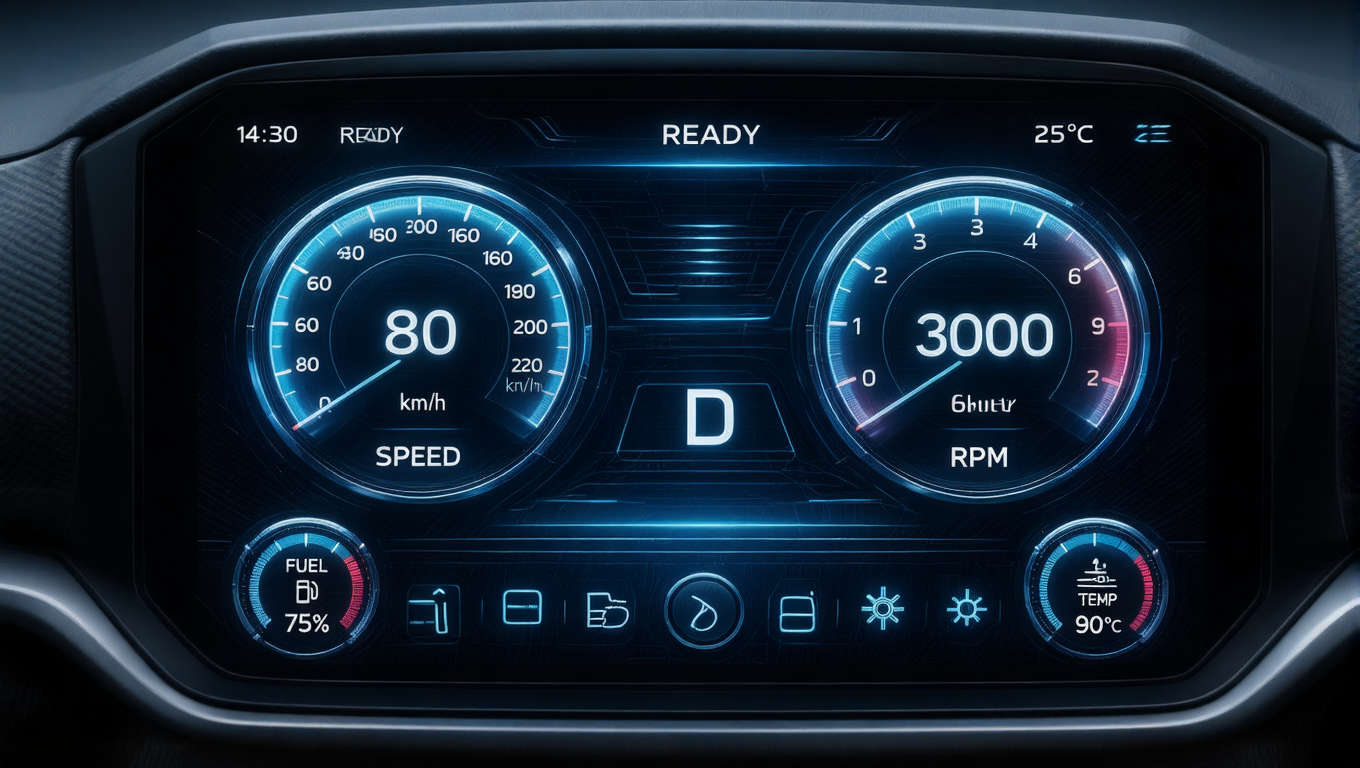
Automotive interior parts are one of the most widely used fields of Plastic Tooling, covering key components such as instrument panels, door panels, seat assemblies, center consoles, ceilings, and pillar trims. Such components have extremely high requirements for surface texture, environmental protection, and comfort, and the core advantages of precise design and processing of plastic molds can perfectly meet these needs.
Taking the instrument panel as an example, as the core component of automotive interiors, it not only needs to have complex curved surface shapes and integrated functions (such as embedding displays, air outlets, airbags, etc.) but also requires a flawless surface and delicate touch. Through the adoption of high-precision CNC machining technology and mirror polishing processes, Plastic Tooling can achieve high-gloss molding of the instrument panel cavity. At the same time, using two-color/multi-color mold technology, it integrates soft materials (such as TPO) and hard materials (such as PP) in one molding process, which not only ensures the impact resistance and wear resistance of the instrument panel but also improves the touch comfort of drivers and passengers. In addition, in response to the environmental protection requirements of interior parts, plastic molds can be adapted to the molding of low-VOC (Volatile Organic Compounds) plastic raw materials. By optimizing the mold exhaust structure, the release of harmful substances during the molding process is reduced, meeting the stringent environmental standards of the automotive industry.
In the production of door panels, pillar trims, and other components, Plastic Tooling can also realize customized texture molding. By etching different textures (such as brushed texture, granular texture) on the surface of the mold cavity, the interior parts present a variety of visual effects, enhancing the grade and personalization of automotive interiors.
(II) Automotive Exterior Parts: Key Equipment Undertaking Protection and Aesthetics
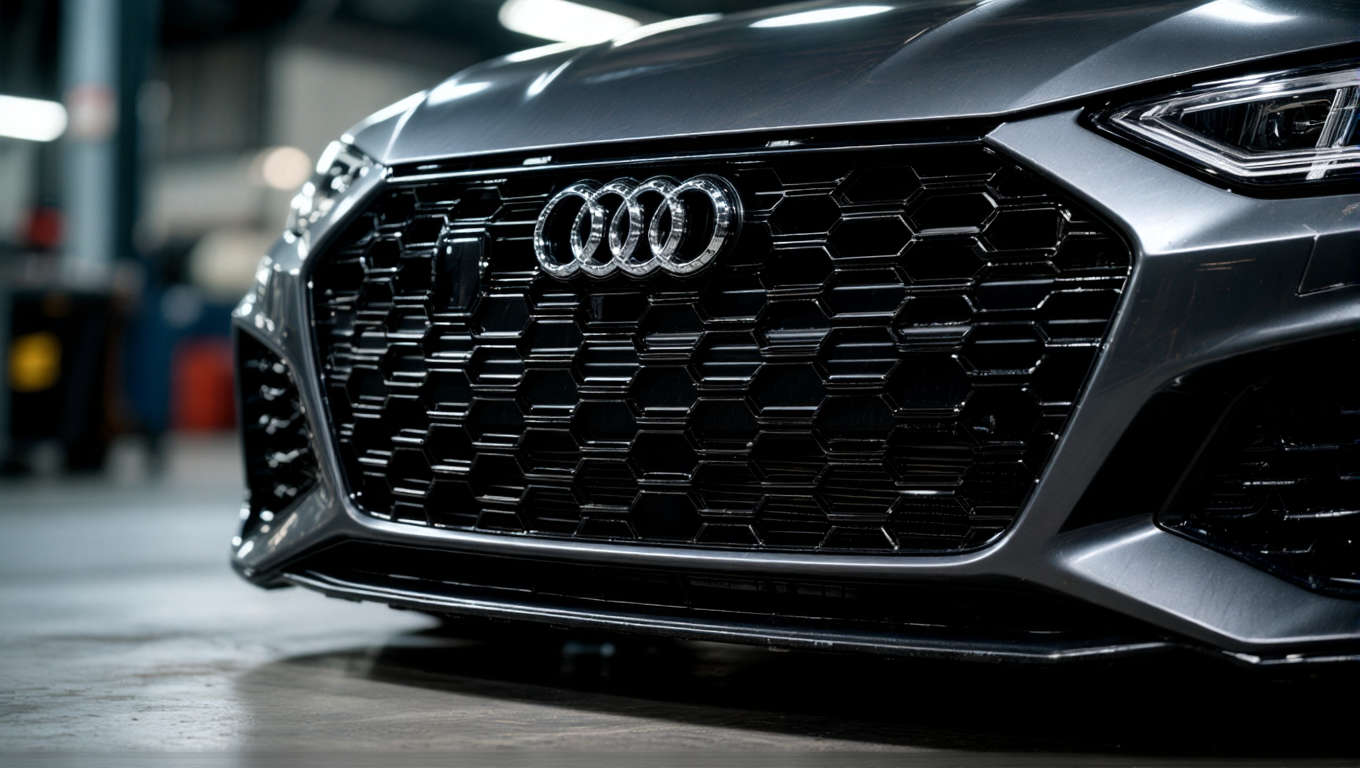
Automotive exterior parts are directly exposed to the natural environment and need to withstand harsh conditions such as wind, sun, rain, and temperature changes, so they have extremely high requirements for weather resistance, impact resistance, and dimensional stability. By optimizing mold structure design and material selection, Plastic Tooling can achieve high-strength and high-durability molding of exterior parts. Typical applications include bumpers, grilles, lamp housings, rearview mirror housings, etc.
As the core protective component of automotive exteriors, bumpers not only need to have excellent impact resistance but also meet the requirements of lightweighting and aerodynamic design. Traditional metal bumpers are heavy and difficult to mold, while plastic bumpers processed by plastic molds (mostly PP+EPDM materials) can reduce weight by 30%-50%. At the same time, through the integrated molding design of the mold, the integration of the bumper with fog lamp seats, radar mounting seats, and other structures can be realized, reducing assembly processes and improving production efficiency. In addition, plastic molds can solve problems such as uneven wall thickness and shrinkage deformation of bumpers through gas-assisted molding technology, ensuring the dimensional accuracy and appearance quality of components.
As the aesthetic highlight of the exterior, automotive grilles usually have complex structures (such as dense grids, special-shaped frames), which are difficult to achieve with traditional processing technologies. Through the adoption of precision injection molds and core-pulling technology, Plastic Tooling can accurately mold the complex structure of the grille. At the same time, using mold surface treatment processes (such as spraying, electroplating), the grille presents a variety of effects such as metallic texture and matte texture, meeting the design needs of different vehicle models.
(III) Powertrain and New Energy Core Components: Core Guarantee Supporting Efficiency and Safety
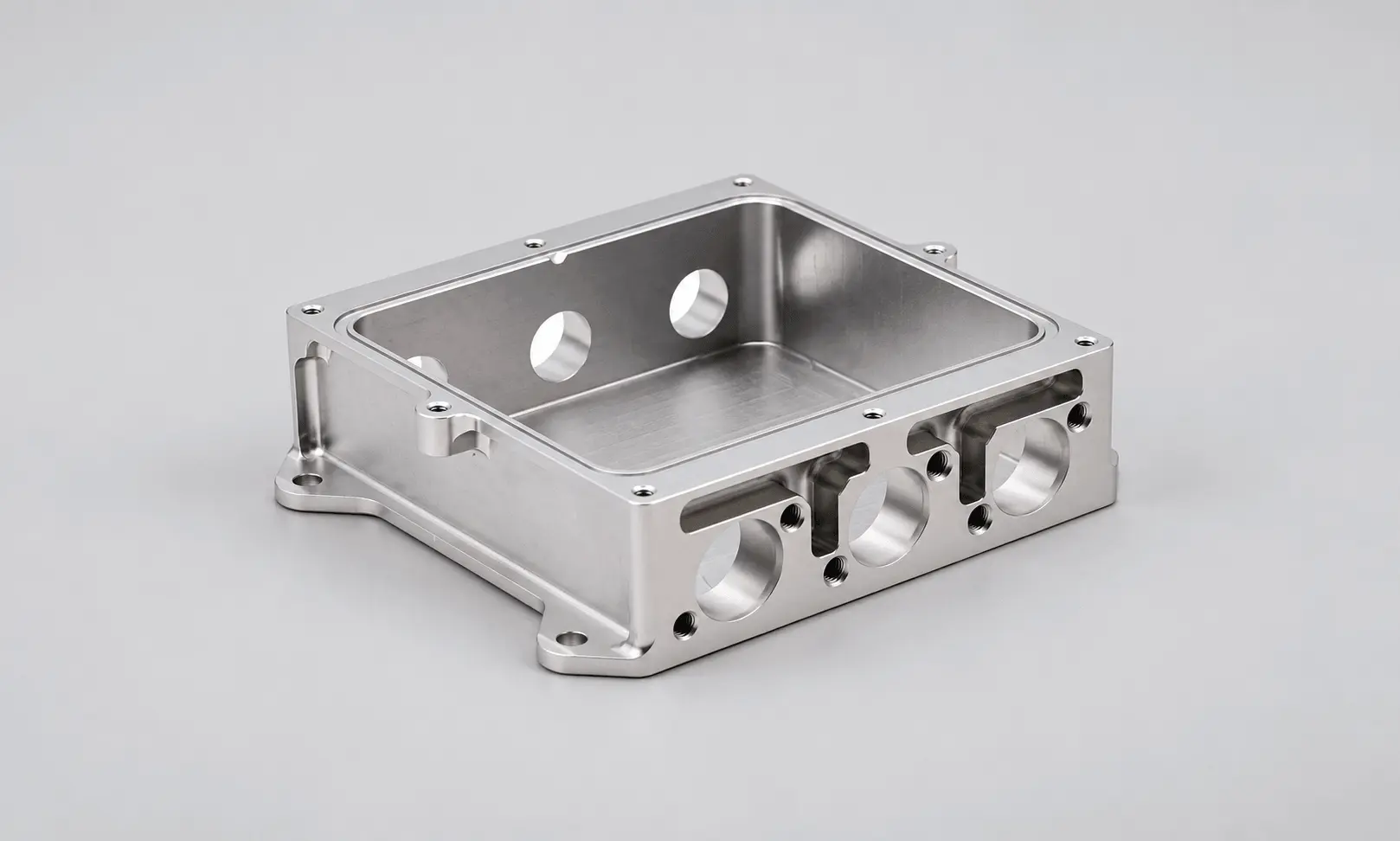
In the powertrain system of traditional fuel vehicles, Plastic Tooling is mainly used in the production of components such as engine intake manifolds, oil pans, and valve covers; in the field of new energy vehicles, it is widely used in the processing of core components such as battery pack housings, motor housings, and charging pile housings. Such components have extremely high requirements for mold precision, temperature resistance, and pressure resistance, which directly affect the power performance and safety performance of automobiles.
The engine intake manifold is a key component of the fuel vehicle power system, and the precision of its internal air passages directly affects the engine's intake efficiency and combustion performance. Through the adoption of high-precision mold design and processing technology, Plastic Tooling can achieve precise molding of the intake manifold air passages, with the surface roughness of the air passages controlled within Ra0.8μm. At the same time, using the integrated design of the mold, the integration of the intake manifold with the throttle seat, sensor mounting seat, and other structures can be realized, reducing air leakage risks and improving the engine's power output efficiency. In addition, plastic intake manifolds are lightweight and corrosion-resistant, which can reduce the overall weight of the engine compared with metal intake manifolds, helping to improve the fuel economy of automobiles.
The application of Plastic Tooling is indispensable in the production of new energy vehicle battery pack housings. As the core protective carrier of batteries, battery pack housings need to have high strength, fire resistance, water resistance, impact resistance, and other performances, while requiring lightweighting and sealing. Through the adoption of high-strength plastic raw materials such as glass fiber-reinforced PP and PC/ABS, combined with large-scale injection molds and two-color molding technology, Plastic Tooling can achieve integrated molding of battery pack housings, with good uniformity of housing thickness and high dimensional accuracy. At the same time, sealing grooves and mounting holes are reserved through mold design to ensure the sealing and assembly reliability of the battery pack. In addition, plastic molds can be adapted to the modular design of battery pack housings, and the mold structure can be quickly adjusted according to the battery capacity requirements of different vehicle models, shortening the product development cycle.
III. Technological Upgrading and Future Trends of Plastic Tooling in the Automotive Industry
With the in-depth transformation of the automotive industry towards electrification, intelligence, and connectivity, Plastic Tooling is constantly undergoing technological upgrading to adapt to the new needs of the industry. Currently, the technological upgrading of plastic molds in the automotive industry is mainly reflected in three aspects: first, digitization and intelligence. By introducing CAD/CAE/CAM integrated design and simulation technology, the mold structure and molding process are optimized in advance, reducing the number of mold trials and shortening the development cycle; at the same time, sensors are installed on the mold to real-time monitor parameters such as temperature and pressure during the molding process, realizing intelligent regulation of the molding process and improving product qualification rate. Second, high precision and high efficiency. High-precision machining technologies such as high-speed cutting and EDM (Electrical Discharge Machining) are adopted to improve the machining precision of the mold cavity, and the mold tolerance can be controlled within ±0.005mm; at the same time, the mold structure is optimized, and hot runner technology and rapid cooling systems are adopted to shorten the molding cycle and improve production efficiency. Third, greenization and environmental protection. Degradable plastic raw materials and environmentally friendly mold materials are adopted to reduce environmental pollution during mold production and use; at the same time, through the lightweight design of the mold, the energy consumption and transportation cost of the mold are reduced.
In the future, with the continuous improvement of the automotive industry's demand for component integration, miniaturization, and multi-functionality, Plastic Tooling will show the following development trends: first, large-scale and integration. For large components such as automotive battery packs and body structural parts, large-scale integrated injection molds will be developed to realize the overall molding of components and reduce assembly processes; second, multi-material composite molding. Two-color/multi-color mold, insert mold, and other technologies will be developed to realize the integrated molding of different materials such as metal, plastic, and rubber, improving the comprehensive performance of components; third, the combination of 3D printing and traditional molds. 3D printing technology will be used to quickly produce complex structural parts such as mold cavities and cores, shortening the mold development cycle and reducing mold manufacturing costs.
IV. Conclusion
As the core equipment for the production of plastic components in the automotive industry, the technical level of Plastic Tooling directly affects the quality, performance, cost, and development cycle of automotive products. Against the background of the automotive industry's transformation towards lightweighting, intelligence, and greenization, the application of Plastic Tooling in fields such as automotive interior parts, exterior parts, powertrain, and new energy core components is constantly deepening, and its technology is constantly upgrading. In the future, with the continuous development of digitization, intelligence, composite molding, and other technologies, Plastic Tooling will further empower the innovative development of the automotive industry and provide solid support for the high-quality development of the automotive industry. For enterprises in the automotive industry, strengthening cooperation with plastic mold enterprises and promoting the R&D and application of Plastic Tooling technology will become an important way to enhance core competitiveness.
Hot Articles
Hot Tags
Stay Connected!


Manufacturing on Demand
Please fill in the following information to obtain plan details (information is confidential and not disclosed publicly), we will contact you within 24 hours, please keep your phone available!
Upload a 3D/2D model to see instant pricing, lead time, and DFM feedback.