



A Multi-Port USB Charger Enclosure From Prototype Validation to Injection Molding


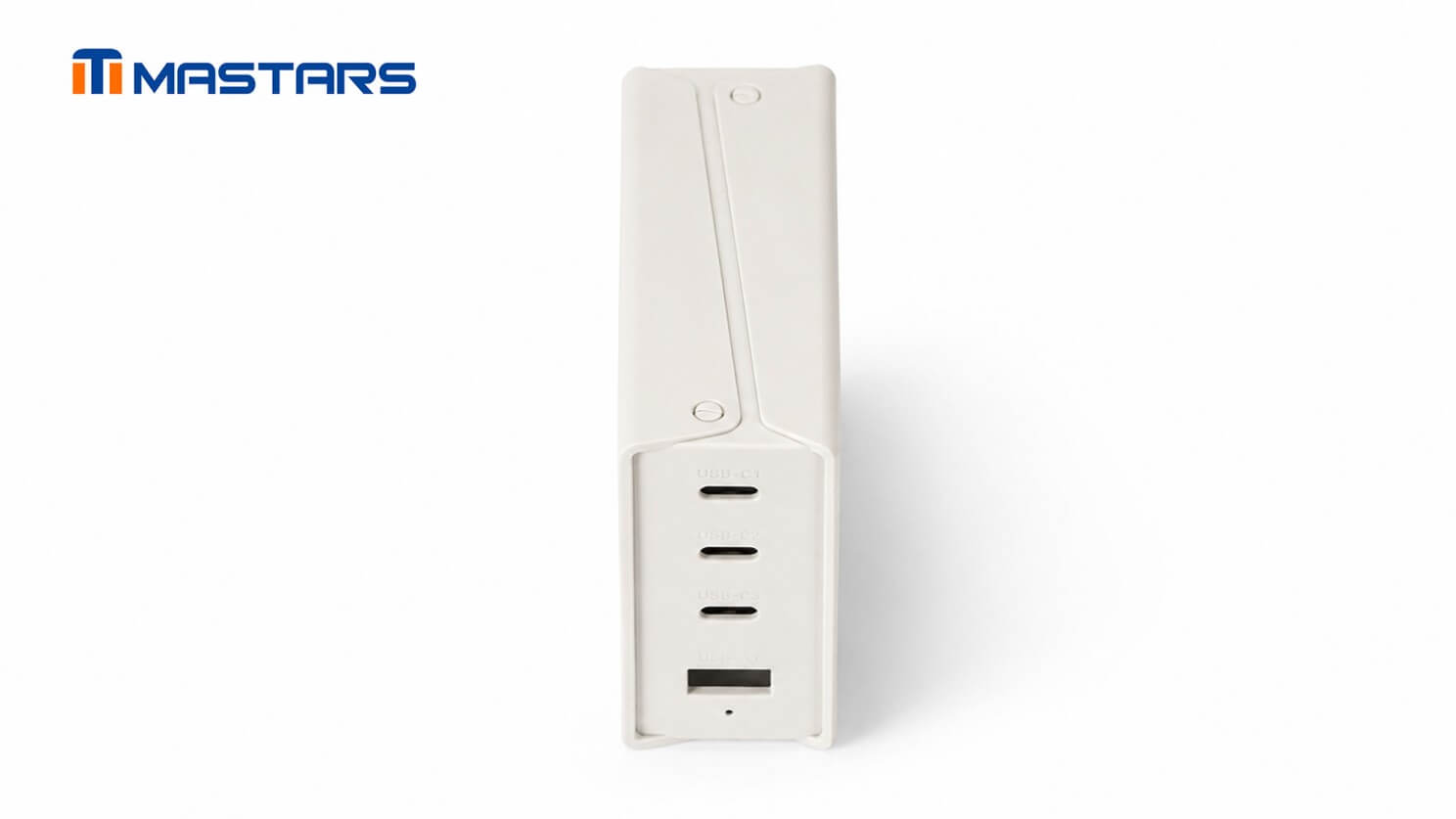
Mastars produced a set of black-and-white plastic enclosure samples for a customer’s multi-port USB charger project and supported the project as it progressed from prototype validation toward injection-molding production.
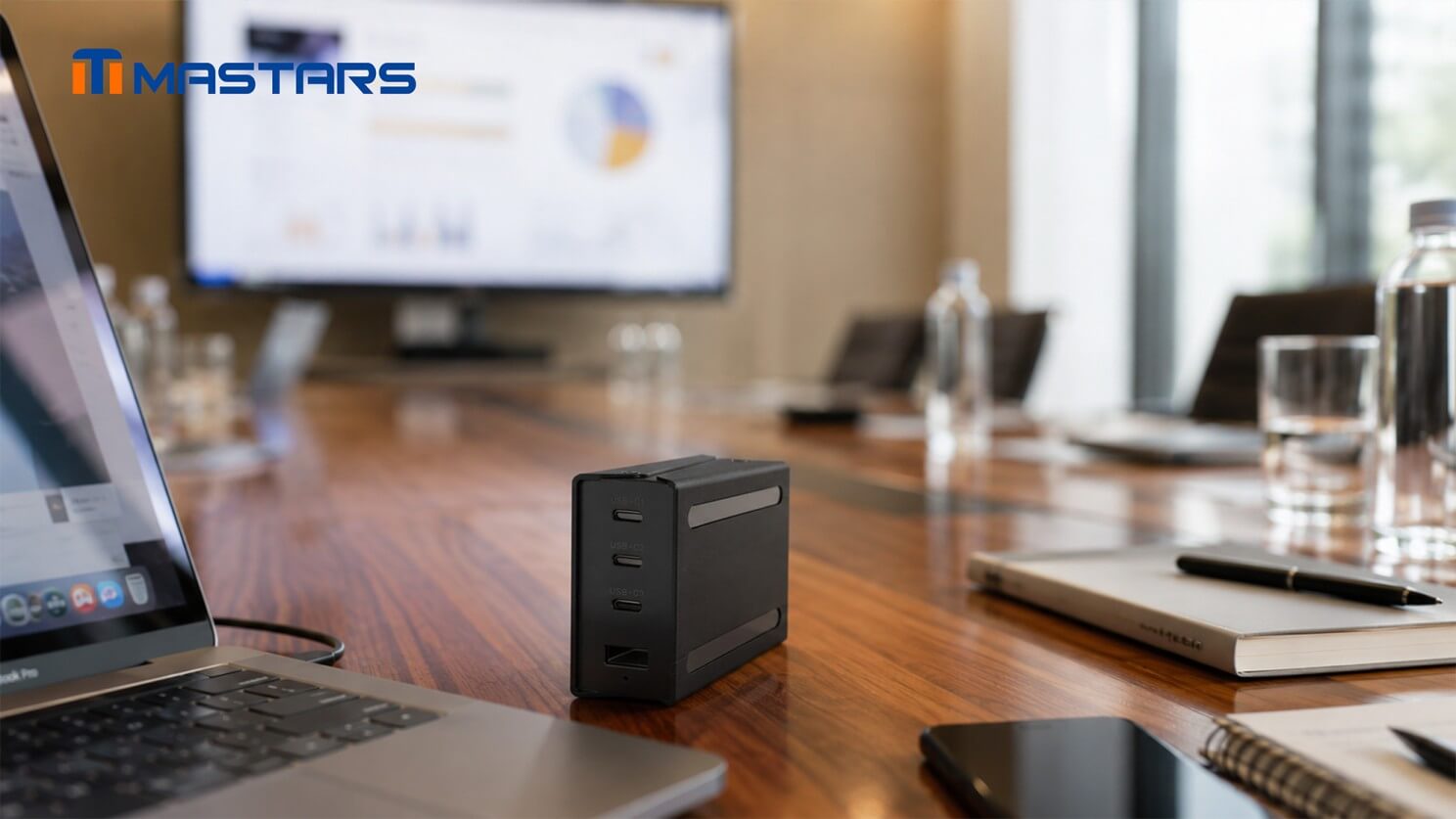
The enclosure incorporates three USB-C openings, one larger rectangular interface opening, a defined front-interface area, and a multi-part assembly structure. Beyond appearance, the enclosure also needs to work with the PCB, connectors, fastening features, and final assembly.
At the prototype-validation stage, the samples were used to evaluate product geometry, connector positioning, PCB accommodation, enclosure fit, and basic assembly relationships. As the project moved closer to tooling, however, the manufacturing questions changed.
The next step was no longer simply to make another sample, but to determine which design, process, material, and assembly decisions should be confirmed before the product was committed to tooling.
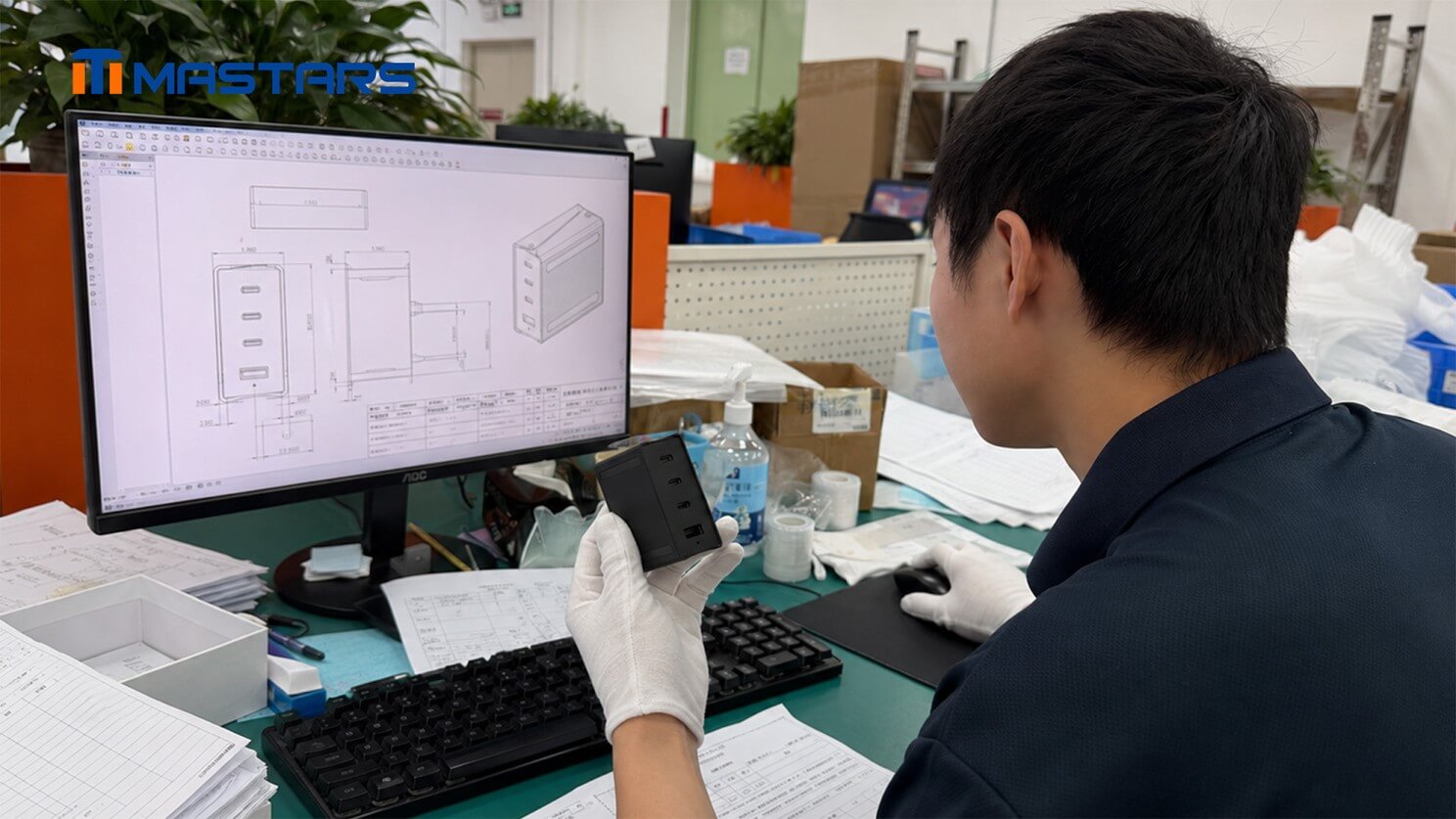
Prototype Approval Is Only One Milestone
A prototype can confirm that the product concept works as intended, but it does not automatically prove that the same structure is ready for stable, repeatable injection molding.
Connector openings, enclosure gaps, wall sections, ribs, bosses, and cosmetic surfaces behave differently once molding shrinkage, warpage, draft, parting lines, gates, and ejection are introduced.
For a compact multi-port enclosure, even small dimensional changes around the interface area may affect connector fit or final assembly appearance. If these issues are identified only after tooling begins, changes become more difficult and costly.
For engineering and sourcing teams, the key question is therefore not simply whether the enclosure can be manufactured, but how much uncertainty can be removed before the design is locked into the mold.
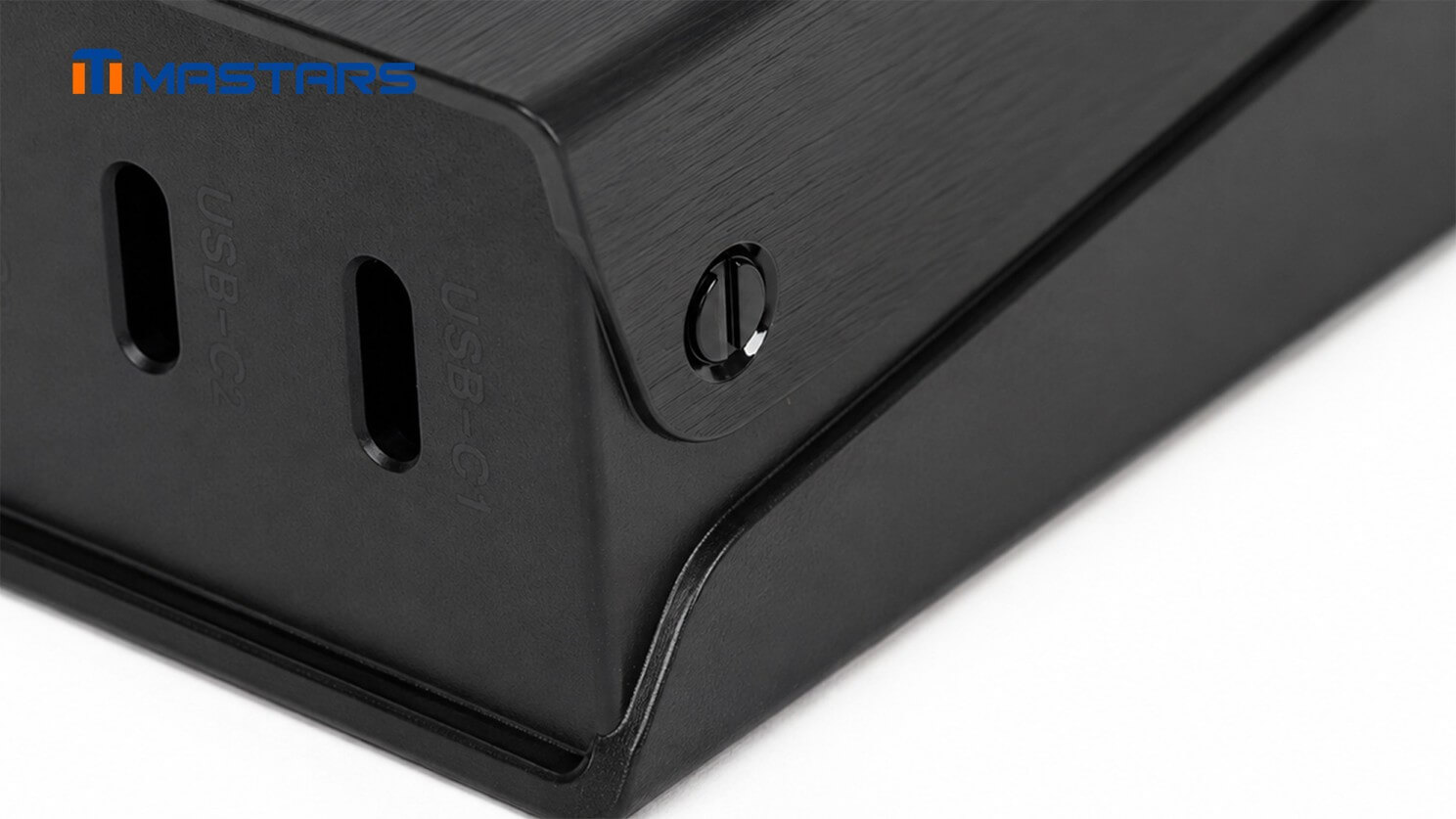
Matching Process and Material to Each Stage
Different development stages are intended to answer different questions. The manufacturing route should therefore follow the validation objective.
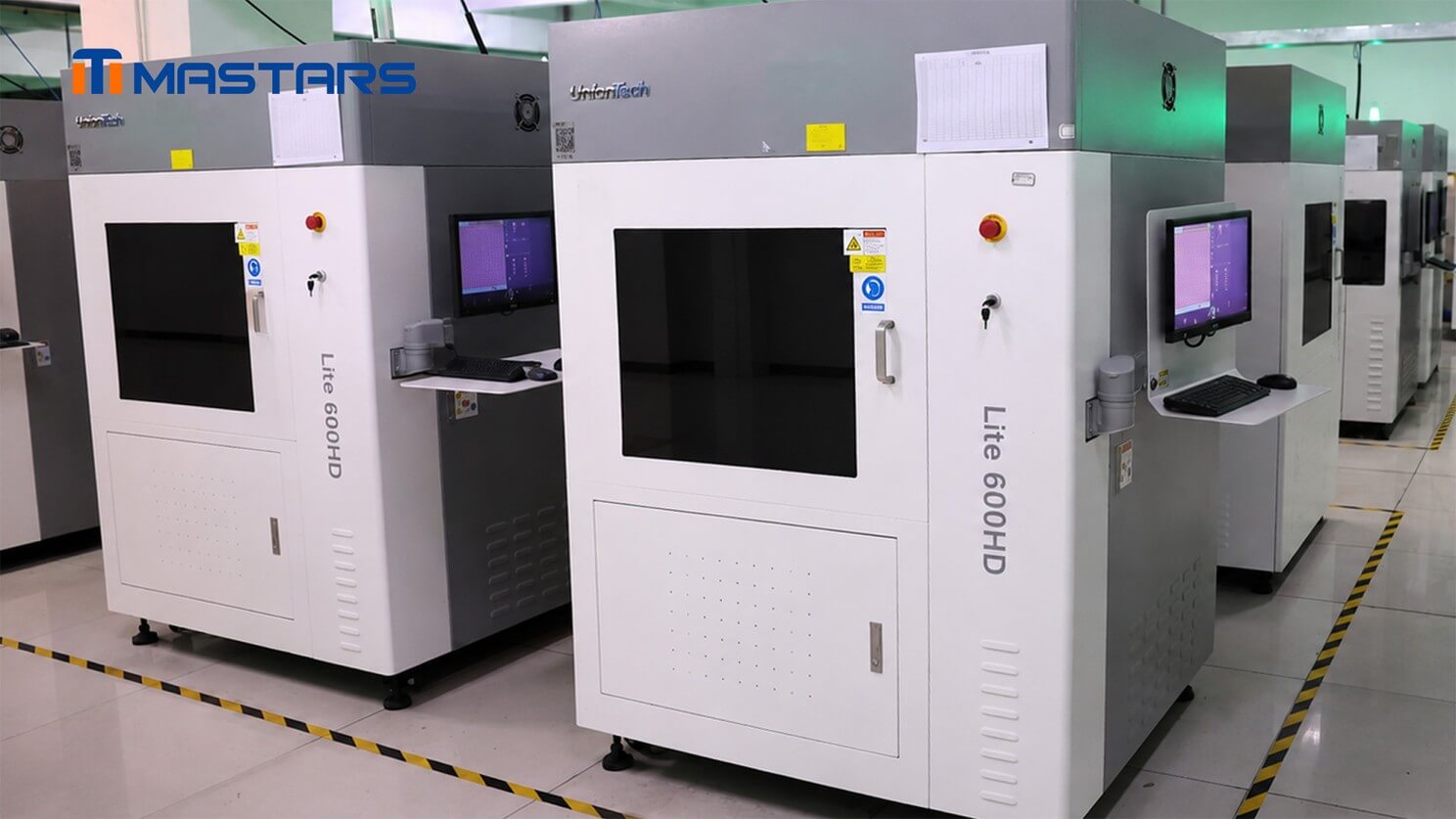
Depending on what needs to be verified, Mastars can help select an appropriate prototype route from 3D printing such as SLA, CNC machining of engineering plastics, vacuum casting, and other suitable processes.
◆ 3D printing such as SLA is well suited to rapid checks of product geometry, dimensions, appearance, and basic fit.
◆ CNC-machined engineering plastics can support deeper evaluation of connector positioning, PCB installation, fastening, functional fit, and repeated assembly.
◆ Vacuum casting and other low-volume manufacturing routes can provide multiple samples for engineering testing, presentation, pilot use, or market validation while the design still needs flexibility.
◆ Injection molding becomes more appropriate once the main product and production requirements are sufficiently stable for tooling.
Mastars’ role is not to push every project toward one prototype process, but to match the manufacturing route to sample quantity, material requirements, validation depth, and remaining design flexibility.
The same principle applies to materials.
A material that works for a prototype should not automatically become the final production resin. ABS, PC, PC/ABS, and other engineering plastics may all be considered for this type of electronic enclosure, but the actual grade should be evaluated against the finished product’s mechanical, thermal, electrical, dimensional, cosmetic, and compliance requirements.
The resin family is only the starting point; actual production performance depends on the specific material grade and application requirements.
For this project, the available information confirms the plastic enclosure samples and their validation purpose, but does not establish the exact prototype process or plastic grade used. Those details should therefore not be assumed.
Building a Continuous Route From Prototype to Production
For this customer project, Mastars treated prototype validation, flexible low-volume manufacturing, injection-molding DFM, and tooling preparation as one connected manufacturing route rather than separate purchasing steps.
If connector fit, assembly, material selection, or other product requirements still need verification, low-volume manufacturing can keep the design flexible before the customer commits to a production mold.
Once the key requirements become sufficiently stable, Mastars can use DFM to translate the validated product intent into a structure better suited to repeatable injection molding, reviewing wall thickness, draft, ribs, bosses, radii, parting strategy, gate and ejection design, shrinkage, warpage, and cosmetic surfaces before tooling.
The project can therefore progress through the following route:
◆ Prototype validation — confirm appearance, interface positioning, PCB accommodation, enclosure fit, and assembly relationships.
◆ Flexible low-volume production — support further engineering, pilot, or market validation while design changes remain practical.
◆ Injection-molding DFM — review molding, assembly, material, and cosmetic risks before tooling.
◆ Tooling and trial molding — transfer the validated design into the molding process and verify molded-part dimensions, fit, and appearance.
◆ Repeat production — connect injection molding with inspection, secondary operations, and subsequent assembly requirements.
What This Route Gives the Customer
The value of this route is to keep validation and production decisions connected, so the customer can move forward without committing to tooling too early.
3 flexible prototype routes — 3D printing, CNC machining, and vacuum casting can be selected according to the actual validation goal.
4 front-interface openings considered together — three USB-C openings and one larger rectangular opening are reviewed together with PCB fit, connector positioning, and enclosure assembly.
5 connected manufacturing stages — prototype validation, low-volume production, injection-molding DFM, tooling and trial molding, and repeat production can progress within one coordinated route.
Production material can be reassessed before tooling instead of simply carrying the prototype material into injection molding.
Potential molding and assembly risks can be reviewed earlier, while design changes are still easier to make.
What Still Needs to Be Confirmed
Before the enclosure moves into repeat production, the final PCB and connector configuration, critical enclosure dimensions, assembly gaps, front-interface fit, production resin, cosmetic standards, and expected production requirements should be confirmed against the final product specification.
If the finished product has defined thermal, electrical, flame-retardancy, or other compliance requirements, these should also be verified using the actual production material and final electronic configuration.
Where the Same Logic Applies
The transition from prototype validation to injection molding is not unique to charger enclosures. Similar manufacturing decisions appear whenever a plastic product must combine internal components, external interfaces, appearance requirements, and repeatable assembly.
Similar engineering requirements can also be found in:
- Consumer Electronics — chargers, docking stations, smart-home devices, and electronic housings
- Medical Devices — handheld diagnostic housings, instrument enclosures, monitoring devices, and equipment covers
- Industrial Electronics — control-unit housings, sensor enclosures, operator interfaces, and equipment panels
- Automotive Electronics — control-module housings, interior electronic enclosures, charging-related components, and electronic interface parts
If your plastic enclosure has already reached the prototype-validation stage, what still needs to be confirmed before tooling: process, material, assembly fit, or injection-molding structure?
Contact Mastars to discuss your drawings and project requirements.

Mastars, the most trusted one-stop manufacturing services provider for low-volume production worldwide!
Hot Articles
Hot Tags
Stay Connected!


Manufacturing on Demand
Please fill in the following information to obtain plan details (information is confidential and not disclosed publicly), we will contact you within 24 hours, please keep your phone available!
Upload a 3D/2D model to see instant pricing, lead time, and DFM feedback.