



From Plastic to Metallic: CNC Prototyping a Control Panel Before Tooling


It Looks Like Metal. It Started as Plastic.
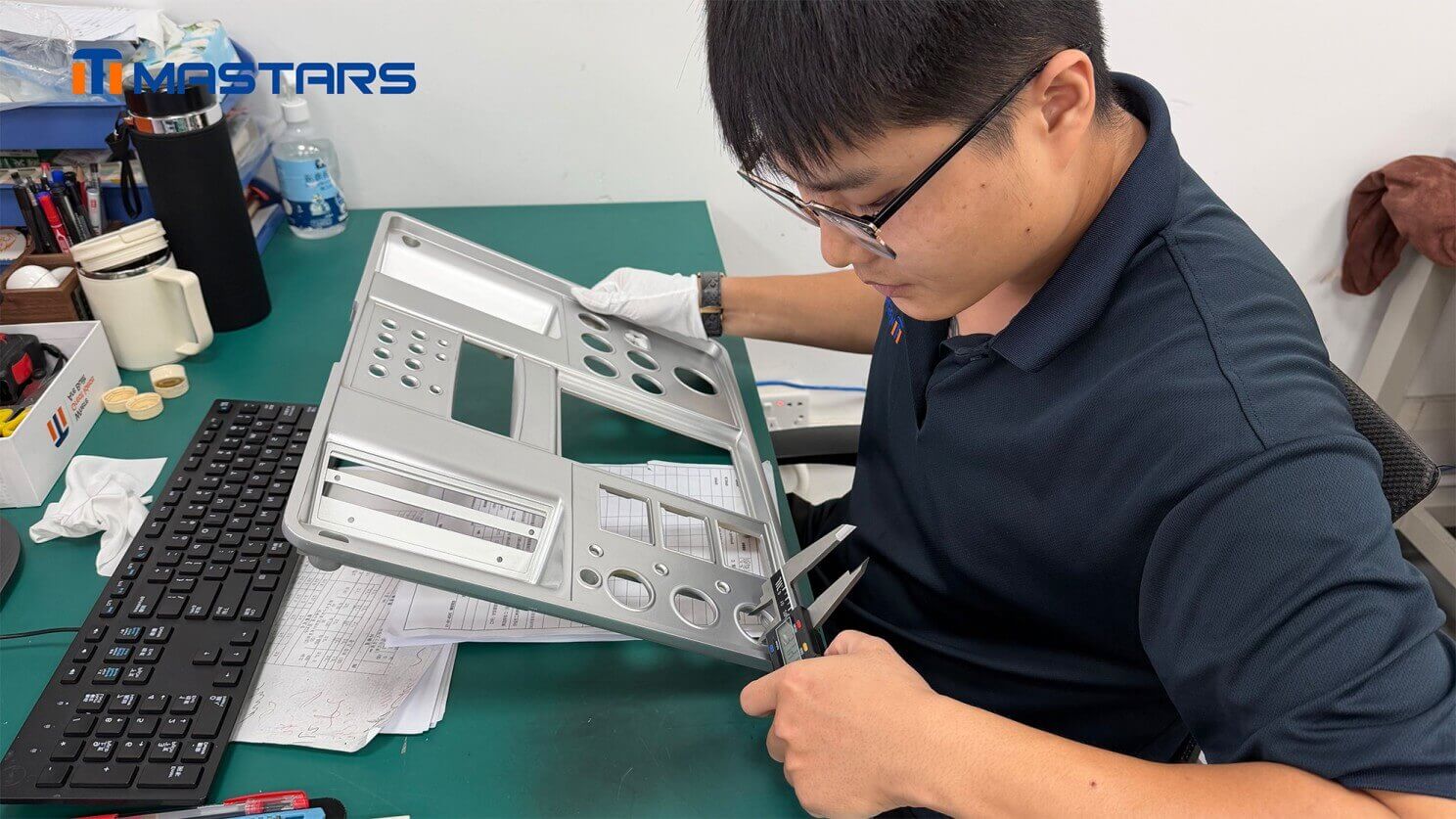
It looks like a metal control panel. In fact, Mastars manufactured this component as a CNC-machined plastic prototype, followed by a pearl chrome finish to create its distinctive metallic appearance.
The panel features multiple circular and rectangular openings, recessed sections, curved transitions, and mounting details. These features make it a useful physical reference for reviewing both product geometry and exterior appearance.
For product designers and engineers, the questions before tooling go beyond whether a part looks right on a screen. Will the openings align with the intended components? Do the recessed areas provide sufficient clearance? Will the finished surface deliver the desired appearance?
A physical prototype helps bring these questions into the design review before committing to production tooling.
Why CNC Before Tooling?
Injection molds represent a significant manufacturing commitment. Once tooling is manufactured, certain design changes may require modifications to the mold, additional trials, or even a revised tooling strategy.
CNC prototyping offers a practical way to examine a design while changes are still relatively flexible.
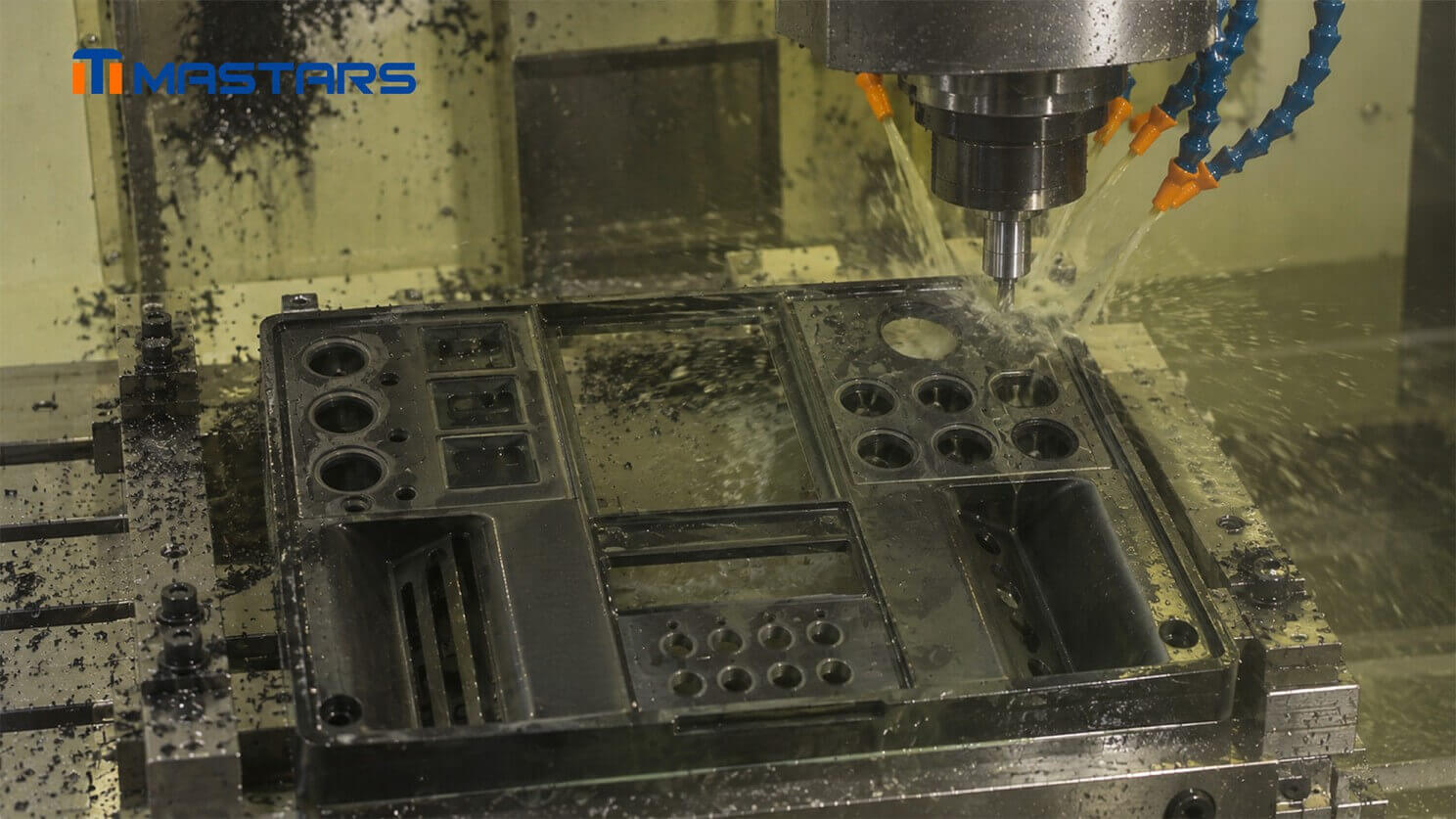
For this plastic control panel, CNC milling was used to produce the physical geometry without first manufacturing an injection mold. The resulting prototype provides a basis for evaluating openings, recessed features, curved surfaces, and other visible details.
CNC machining is particularly useful when the immediate objective is to review a physical design rather than reproduce the final injection molding process.
However, a machined prototype does not behave identically to an injection-molded part. Material condition, shrinkage, molded-in stresses, and other process-related characteristics may differ.
The value of the prototype lies in helping the development team make better-informed decisions before moving to tooling.
Complex Geometry, Real Design Questions
The control panel combines numerous functional openings with a three-dimensional exterior structure.
Its circular and rectangular openings may accommodate buttons, indicators, displays, or other interface components. The recessed areas and curved transitions also influence how the panel fits within the surrounding product architecture.
From a CNC perspective, these features require attention to tool access, machining sequence, internal corners, and the relationship between different surfaces.
For product development, the physical component can be used to review feature positions, available assembly space, and the overall proportions of the design.
This is especially useful when multiple interface components must be accommodated within a limited area.
A prototype allows the design to be evaluated as a physical assembly component, not only as a CAD model.
The actual results of dimensional and assembly validation still depend on the project’s inspection requirements and mating components.
Pearl Chrome: When Appearance Becomes Part of Validation
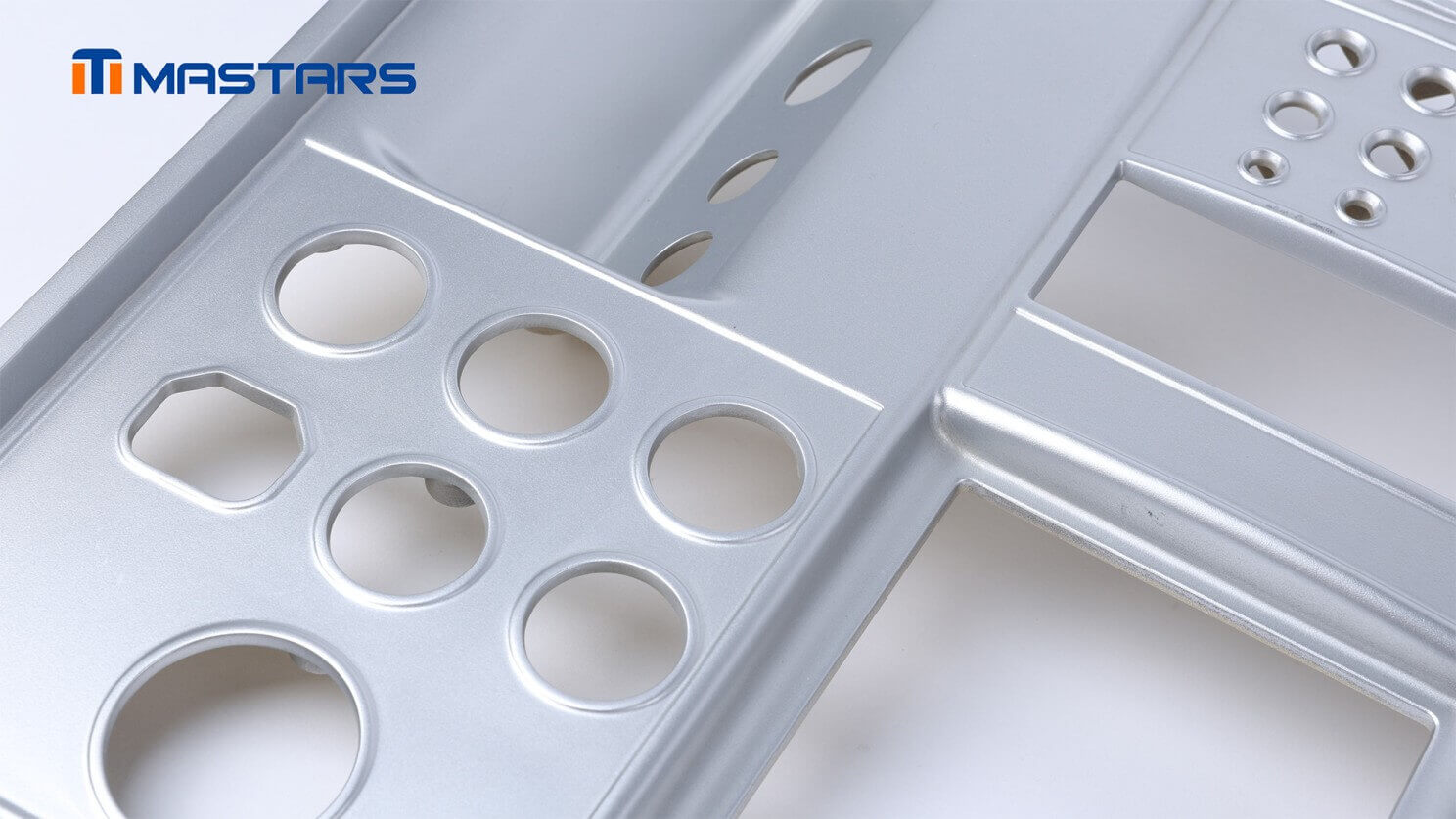
One of the most distinctive aspects of this project is the surface finish.
Although the component is made from plastic, its pearl chrome finish gives it a refined metallic appearance.
For visible product panels, appearance is an important part of design development. Color, reflectivity, surface texture, and the visual consistency of edges and recessed features all influence how the finished product is perceived.
Applying a representative finish to a physical prototype allows designers to assess these characteristics under real lighting conditions and alongside other product components.
Surface finishing also introduces manufacturing considerations. Coating or plating thickness, edge coverage, surface preparation, and process compatibility may affect the final result, depending on the finishing method used.
For this project, the confirmed result is a CNC-machined plastic prototype with a pearl chrome appearance. The exact finishing process and its compatibility with future production materials would need to be confirmed separately.
This distinction matters when moving from prototype approval toward production planning.
Preparing the Design for Injection Molding
A successful CNC prototype is an important development milestone, but it does not automatically mean the design is ready for injection molding.
CNC milling removes material to create the required geometry. Injection molding forms a component through a mold cavity, introducing a different set of design and manufacturing considerations.
Before tooling, engineers need to evaluate wall thickness, draft angles, parting lines, gate locations, shrinkage, potential undercuts, and ejection requirements.
For a control panel with multiple openings, recessed areas, and curved transitions, these decisions can influence mold complexity, surface appearance, and assembly relationships.
The intended production material and decorative finish must also be reviewed together. A finish achieved on a machined prototype may require a different preparation or processing route when applied to an injection-molded component.
Mastars can support this transition through a connected manufacturing route:
CNC Prototyping → Design Review → DFM → Mold Design & Manufacturing → Trial Molding → Part Verification → Injection Molding Production
In this case, CNC prototyping and surface finishing are the confirmed manufacturing stages. The subsequent steps represent the manufacturing services available as the product advances toward production.
What Customers Gain
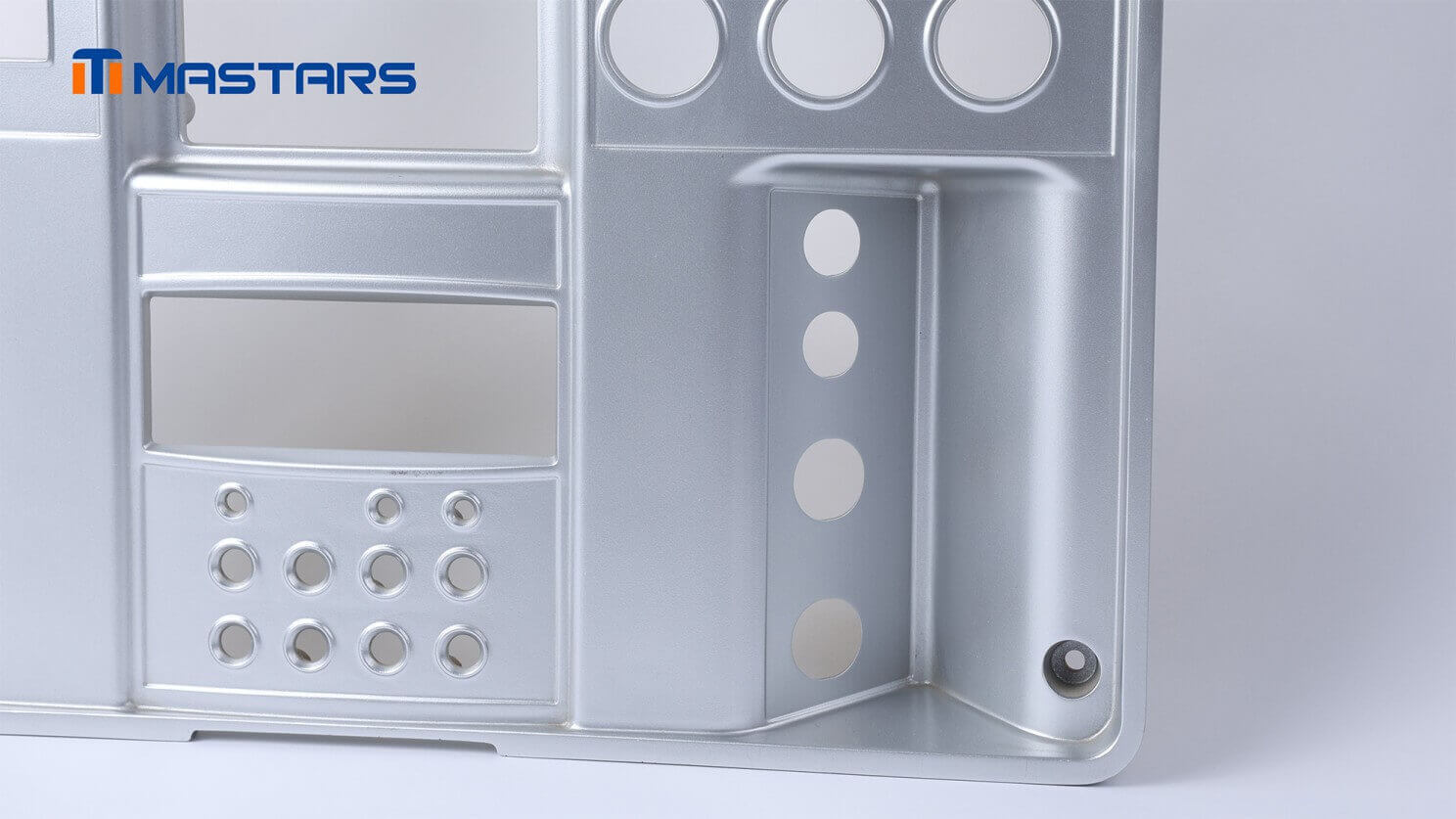
For product teams developing complex plastic panels and housings, combining physical prototyping with manufacturing planning provides several practical advantages.
Earlier design feedback
A CNC prototype gives engineers and designers a physical reference for reviewing geometry, openings, assembly space, and product proportions before committing to tooling.
Appearance evaluation before production
A representative pearl chrome finish helps teams assess the intended metallic appearance, surface consistency, and visual integration with the surrounding product.
Greater flexibility during development
Design adjustments can be evaluated during the prototype stage, when changes may be more practical than after production tooling has been manufactured.
A clearer route toward manufacturing
Mastars can connect prototype development with DFM, mold engineering, tooling, injection molding, and inspection as production requirements become defined.
The value is in helping customers make the next manufacturing decision with a more complete understanding of the physical design.
What Still Needs to Be Verified?
Before a product moves from CNC prototyping into injection molding, several questions remain important.
The final production material must be confirmed, along with its mechanical, dimensional, and finishing requirements. Assembly interfaces should be checked against mating components, and any design changes required for molding should be reviewed during DFM.
The pearl chrome appearance also requires further evaluation if the production process or substrate material changes. Surface adhesion, visual consistency, durability, and compatibility with the intended production method may require additional testing.
After tooling, trial molding and part inspection would provide the next opportunity to verify actual molded dimensions, appearance, and assembly fit.
These steps help distinguish an approved prototype appearance from a validated production component.
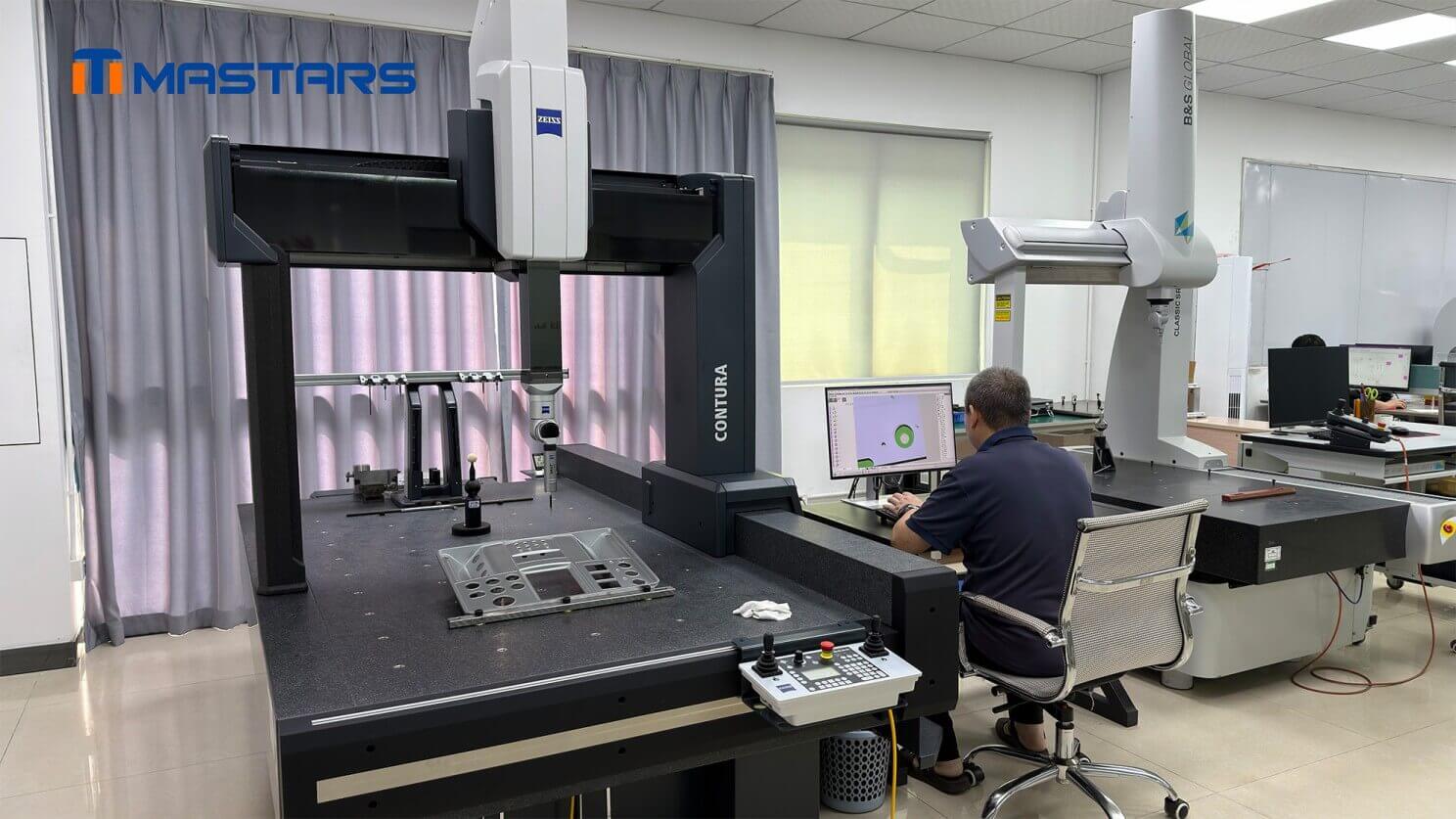
From Control Panels to Broader Applications
The same development approach can benefit other products where complex plastic geometry and decorative surface appearance must be considered together.
- Industrial Electronics: Control panels, equipment interfaces, instrument housings, and display surrounds.
- Consumer Electronics: Device enclosures, decorative bezels, control interfaces, and electronic accessories.
- Medical & Laboratory Equipment: Instrument panels, equipment housings, display frames, and user-interface components.
- Professional Audio & Visual Equipment: Mixer panels, equipment bezels, control housings, and decorative interface components.
Across these applications, physical prototypes can help teams evaluate design details before making larger tooling and production commitments.
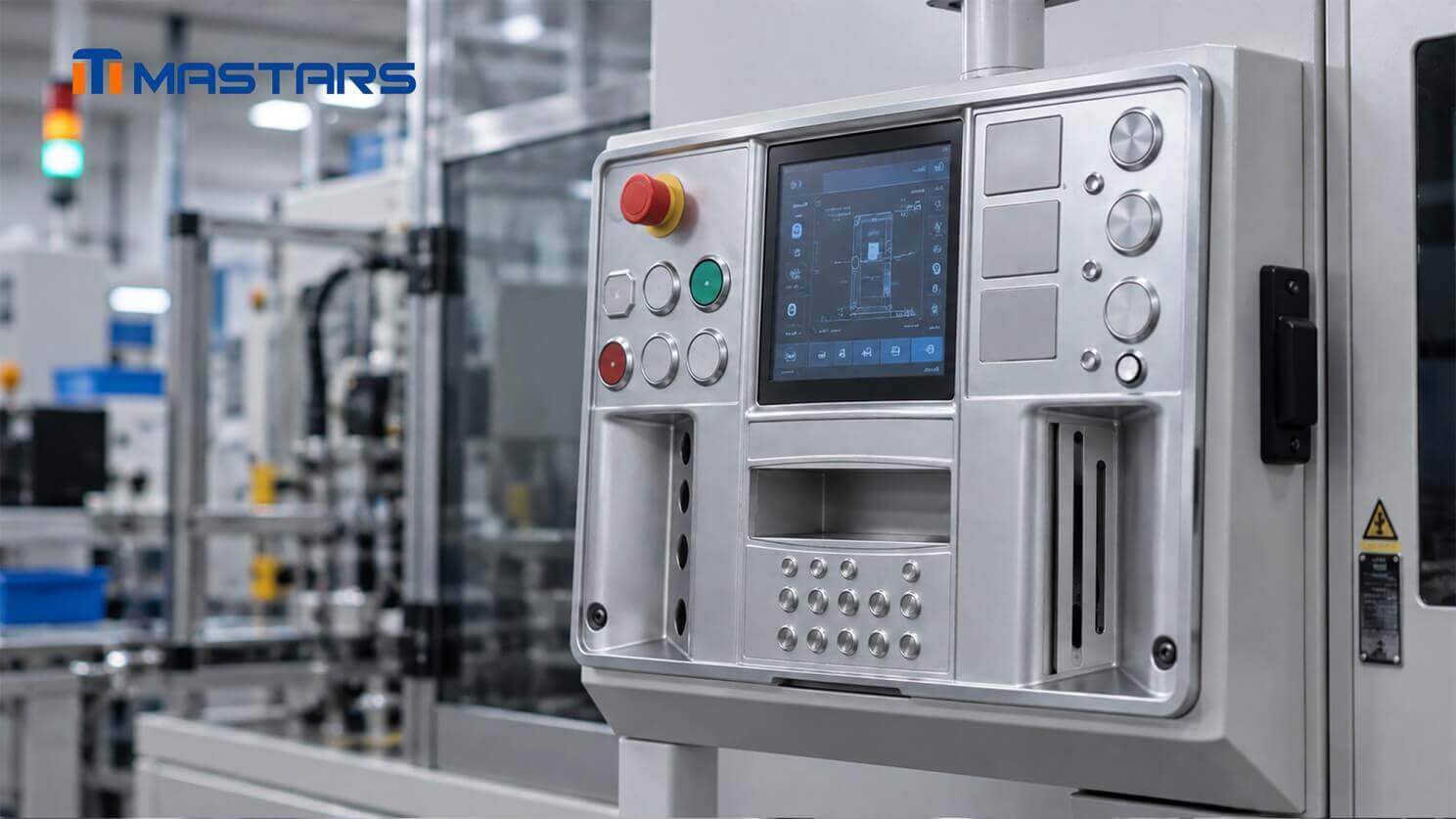
Does your next plastic enclosure need both structural validation and a premium exterior finish before tooling begins?
Mastars supports product development through CNC prototyping, surface finishing, DFM, mold manufacturing, injection molding, and coordinated production services. Get a quote!

Mastars, the most trusted one-stop manufacturing services provider for low-volume production worldwide!
Hot Articles
Hot Tags
Stay Connected!


Manufacturing on Demand
Please fill in the following information to obtain plan details (information is confidential and not disclosed publicly), we will contact you within 24 hours, please keep your phone available!
Upload a 3D/2D model to see instant pricing, lead time, and DFM feedback.