



On-Demand Manufacturing: Processes, Costs, and Supplier Selection


A prototype passes its fit check, but the production quote includes tooling the project was not budgeted for. A maintenance team needs a replacement component that is no longer readily available. A procurement manager wants to avoid ordering thousands of parts before demand is clear.
On-demand manufacturing produces parts in response to actual requirements rather than building large quantities for stock. It is useful for prototypes, replacement components, custom parts, and low-to-medium-volume production when demand or design requirements may change. The main appeal is lower upfront commitment; the trade-off is that unit costs may be higher than those of established high-volume production.
For engineered parts, the decision starts with geometry, material, critical dimensions, order quantity, and expected repeat demand. These determine whether CNC machining, 3D printing, sheet metal fabrication, molding, or another process is the practical choice.
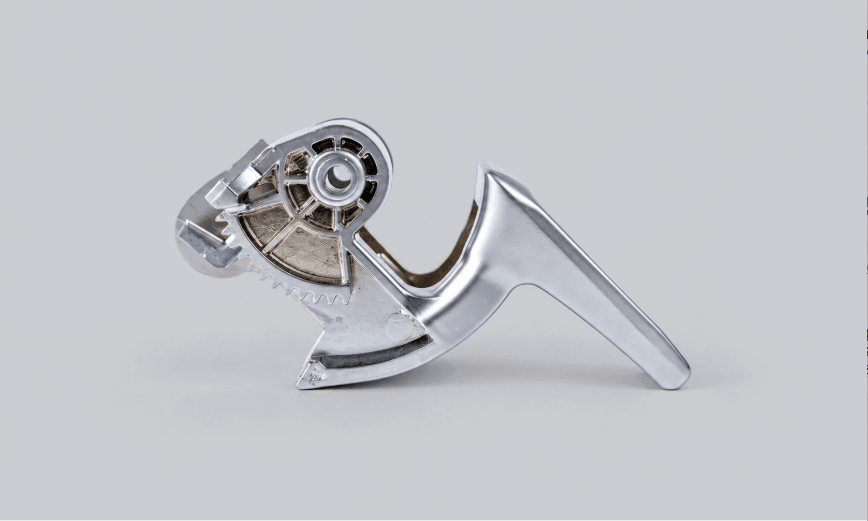
What Is On-Demand Manufacturing and How Does It Work?
On-demand manufacturing is a production model in which parts are made when needed instead of being produced in large quantities ahead of demand. It can use CNC machining, 3D printing, sheet metal fabrication, injection molding, die casting, and other processes. Orders may range from a few prototypes to repeat batches of custom components.
A typical order moves through five stages:
- Define the part requirements. Provide a CAD file or drawing, material, quantity, critical dimensions, surface requirements, and delivery target.
- Review manufacturability. Check features that affect machining access, tooling, wall thickness, tolerances, assembly, and finishing.
- Select a process and confirm the quote. Compare setup costs, unit price, material behavior, lead time, and inspection needs.
- Manufacture and inspect. Produce the parts and verify the dimensions and characteristics that determine acceptance.
- Reorder against a controlled specification. Use the approved design, material requirements, and inspection criteria for repeat orders.
Digital CAD files make repeat orders easier to manage, but a file alone is not a complete production specification. Revision status, material grade, critical dimensions, and acceptance criteria still need to be controlled.
The service model also matters. An online manufacturing platform may coordinate orders across a supplier network. A direct manufacturing partner may manage several processes through one relationship. Ask who is responsible for technical review, outsourced operations, inspection records, and resolving nonconforming parts before placing the order.
On-Demand Manufacturing vs. Traditional Manufacturing: Which Is Better for Your Project?
On-demand manufacturing is a strong candidate when demand is uncertain, a design is still evolving, or holding inventory carries a meaningful cost. High-volume production is usually more attractive when the design is stable and tooling costs can be spread across many parts. The table below shows where the difference matters most.
| Decision factor | On-demand manufacturing | Traditional high-volume production |
|---|---|---|
| Initial investment | Often lower when the selected process needs little or no dedicated tooling | Can be substantial when production tooling is required |
| Unit cost | May remain high at low quantities | Often decreases as volume rises |
| Design changes | Easier to incorporate before a new order | May require tooling changes or leave existing stock obsolete |
| Inventory | Can reduce the need to hold finished parts | Larger batches may tie up cash and storage space |
| Demand pattern | Useful when forecasts or requirements change | Suits stable, predictable demand |
| Typical applications | Prototypes, replacement parts, custom components, low-volume orders | Established products with sustained demand |
Before comparing quotes, check three things:
- Demand certainty: If forecasts change frequently, a low unit price can be offset by unsold or obsolete inventory.
- Tooling commitment: A mold may make each part cheaper, but the initial investment needs to be recovered over the expected order quantity.
- Cost of a design change: If the design is not settled, delaying dedicated tooling may avoid paying to modify or replace it later.
For a stable part ordered in large quantities, a production tool may be the better investment. For a part with uncertain demand or likely revisions, a lower-commitment process can make more sense even if the initial unit price is higher.
Which Manufacturing Processes Are Best for On-Demand Production?
Start with the part's function and geometry. A threaded aluminum housing with tight mating tolerances may favor CNC machining, while a complex plastic enclosure with stable repeat demand may justify injection molding. A formed bracket is usually a natural candidate for sheet metal fabrication; a prototype with intricate internal geometry may be easier to produce by 3D printing.
| Process | Good fit | Main engineering checks |
|---|---|---|
| CNC machining | Metal or plastic parts with machined interfaces, holes, threads, and defined surface requirements | Tool access, deep pockets, thin walls, workholding, datum strategy, and finishing allowance |
| 3D printing | Complex geometry, internal features, early prototypes, and small custom batches | Build orientation, support placement, directional strength, surface finish, and post-machining |
| Sheet metal fabrication | Brackets, panels, housings, and formed components | Bend radius, hole-to-bend distance, springback, flat-pattern design, and coating access |
| Injection molding | Plastic components with repeat demand and a geometry suited to molding | Tooling cost, draft, wall thickness, shrinkage, warpage, and gate location |
| Die casting | Repeat metal parts with geometry and volume suited to a casting tool | Draft, parting line, wall and rib thickness, porosity risk, and machining allowance |
| Vacuum casting | Small batches of parts made from suitable castable resins when appearance or form evaluation is needed | Material-property differences from production plastics, mold life, and batch consistency |
Which design features can change the manufacturing decision?
On a CNC-machined part, deep narrow pockets may require long tools with limited stiffness. Tool deflection can affect dimensional stability, so the operation may need lighter cuts or additional finishing passes. If the pocket is not functionally critical, relaxing its geometry may reduce machining time; if it locates another component, the drawing should define the required dimension and datum relationship.
For 3D printing, build orientation affects more than appearance. In processes with directional material behavior, the orientation can influence strength across layer boundaries. Support contact can leave marks on visible surfaces, and critical holes or mating faces may need post-machining. If a part carries a load or fits into an assembly, evaluate those features against the actual functional requirement.
Plastic parts introduce a different set of decisions. If the enclosure geometry is stable and repeat demand is sufficient to recover tooling costs, injection molding may reduce the unit cost. Draft, wall thickness, ribs, and transitions should be reviewed before tooling begins; otherwise, shrinkage and warpage may cause fit problems or force tool changes.
Finishing also needs to be part of the process plan. Anodizing or coating can affect dimensions, while threads, electrical contacts, and mating surfaces may require different finish requirements or masking. Identify critical interfaces on the drawing instead of leaving the finishing supplier to infer which surfaces must remain functional.
Mastars' custom aluminum keyboard case project used CNC machining, tapping, sandblasting, color anodizing, assembly, and packaging. The documented process sequence is relevant to buyers specifying a finished enclosure rather than a machined blank: the quotation needs to cover secondary operations and assembly, not just the initial machining step.
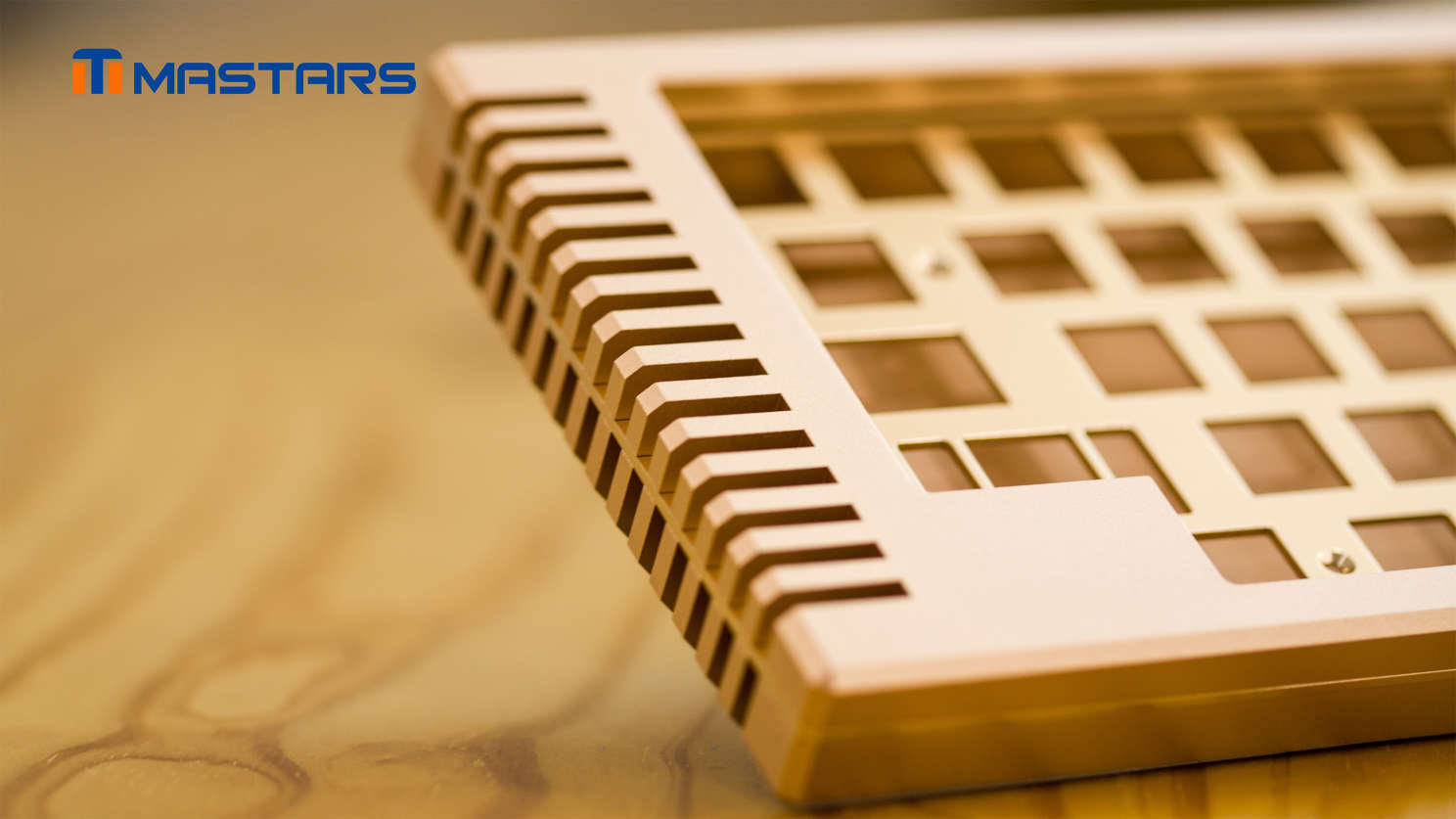
A custom aluminum keyboard by Mastars
How Much Does On-Demand Manufacturing Cost?
The cost crossover between two processes is driven by their setup costs and unit costs. A process with expensive tooling can become cheaper once enough parts are ordered, while a low-setup process can be economical for an initial batch. A break-even calculation helps narrow the choice before requesting detailed quotes.
Consider this hypothetical comparison between CNC machining and injection molding.
| Cost item | CNC machining | Injection molding |
|---|---|---|
| Initial setup or tooling | $300 | $8,000 |
| Cost per part | $70 | $14 |
| Total at 50 parts | $3,800 | $8,700 |
| Total at 150 parts | $10,800 | $10,100 |
| Total at 500 parts | $35,300 | $15,000 |
Using these assumptions:
- CNC total cost = $300 + ($70 × quantity)
- Injection molding total cost = $8,000 + ($14 × quantity)
The break-even quantity is:
Since orders contain whole parts, CNC is cheaper through 137 parts, while injection molding becomes cheaper at 138 parts under this model. At 138 parts, the estimated CNC cost is $9,960 and the injection molding cost is $9,932.
This calculation assumes unchanged part geometry, material, quality requirements, and unit pricing. A real quote may also include finishing, inspection, packaging, tool maintenance, and other costs. If the design is likely to change, the cost and schedule implications of modifying the mold should be considered before treating the calculated crossover as a purchasing threshold.
Lead time needs a separate comparison. A process that avoids a production mold may shorten the route to the first parts, but programming, material availability, machine capacity, finishing, and inspection still affect delivery. Injection molding usually requires time for tooling before the first production run; repeat orders can follow a different schedule once the tool is ready.
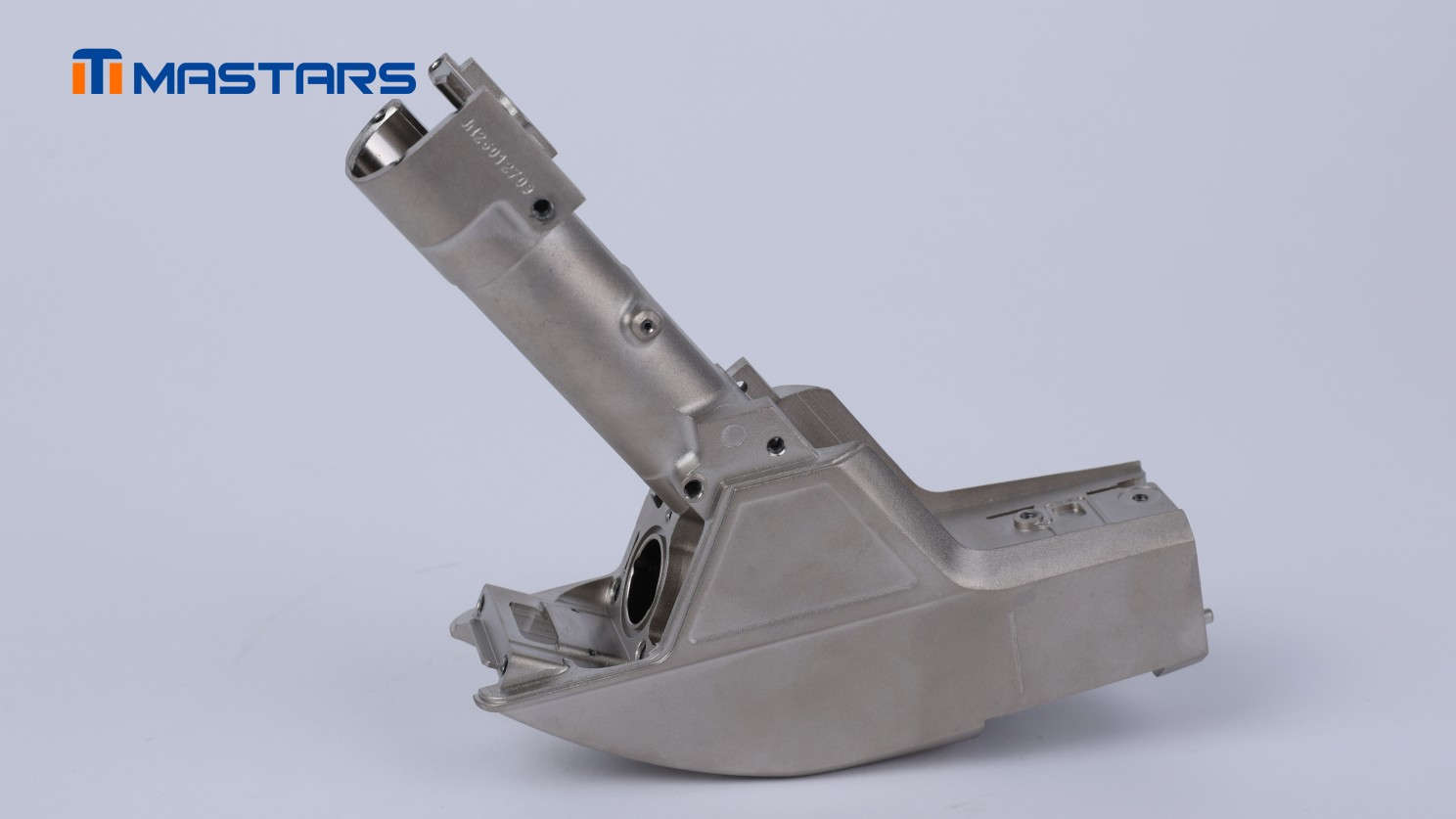
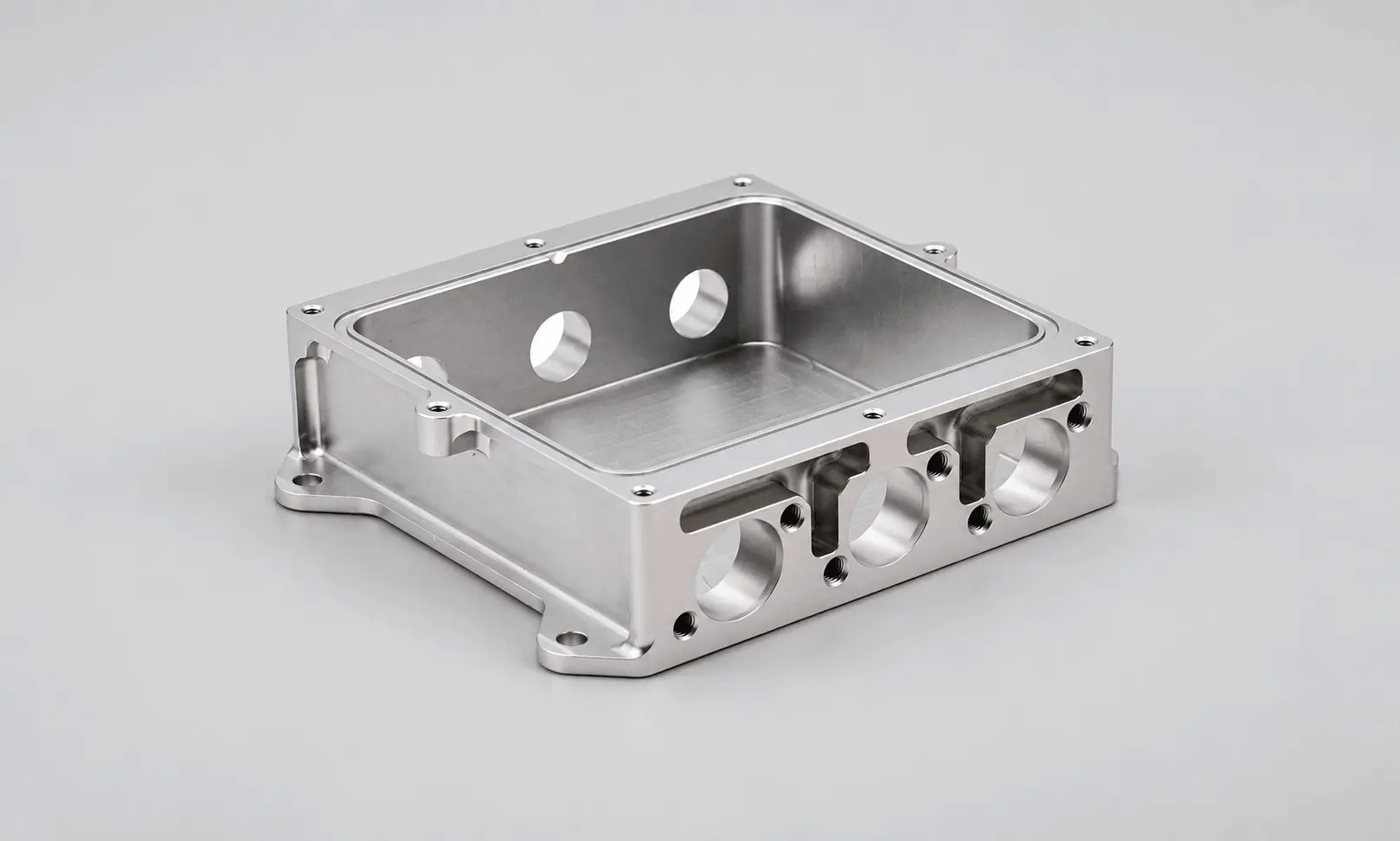
Complex aluminum prototype with precision-machined interfaces and tubular features
A Mastars project involving 20 aluminum prototype parts delivered in seven working days, with selected interfaces held to ±0.05 mm. See the low-volume aluminum prototype case.
How Do You Evaluate an On-Demand Manufacturing Supplier?
A useful supplier review establishes who owns the technical decisions, what the quote includes, and how the delivered parts will be accepted. A platform can simplify order management across multiple suppliers; a direct manufacturing partner may reduce coordination between processes. Compare their responsibilities and deliverables rather than assuming one model is inherently better.
| Review item | What to confirm before ordering |
|---|---|
| Technical review | Will the supplier identify inaccessible features, thin walls, tolerance conflicts, or finishing risks before production? |
| Quote scope | Are material grade, quantity, finish, critical dimensions, and exclusions clearly stated? |
| Process ownership | Who coordinates secondary operations such as coating, assembly, or heat treatment? |
| Inspection | Which dimensions will be measured, by what method, and what records will be supplied? |
| Revision control | How will the approved CAD and drawing revision be identified on repeat orders? |
| Nonconforming parts | What is the process if a part fails inspection or does not fit the assembly? |
| Confidentiality | How are CAD files, drawings, and project information handled? |
A quality-system certificate describes a management system; it does not prove that a specific part meets its drawing. For critical dimensions, agree on the acceptance method before production. Depending on the application, this may involve a first article inspection, dimensional report, CMM measurement, material certification, or records for selected process steps.
Check the commercial details as carefully as the technical ones. One quote may include anodizing, masking, and dimensional inspection, while another covers machining only. Confirm whether the lead time includes secondary operations and inspection, and identify who is responsible if a subcontracted process causes a defect.
Mastars offers multiple manufacturing processes, including CNC machining, sheet metal fabrication, injection molding, 3D printing, and vacuum casting. When a project needs several processes, coordinated sourcing can reduce the number of supplier handoffs. The quote should still make the process route, inspection scope, and final deliverables explicit.
How Does On-Demand Manufacturing Support the Move from Prototype to Production?
A prototype can confirm fit or function without proving that the same design is ready for another manufacturing process. Before moving into repeat production, check whether the selected process can reproduce the critical geometry and whether material behavior, finishing, and inspection requirements have changed.
Use three checkpoints:
- Prototype validation: Confirm fit, assembly, function, and appearance against the requirements being tested.
- Production-route review: Reassess the design for the intended process, including draft, wall thickness, machining access, shrinkage, warpage, tooling, and finishing where relevant.
- Initial production approval: Define critical dimensions, material requirements, inspection methods, and revision control before repeat orders begin.
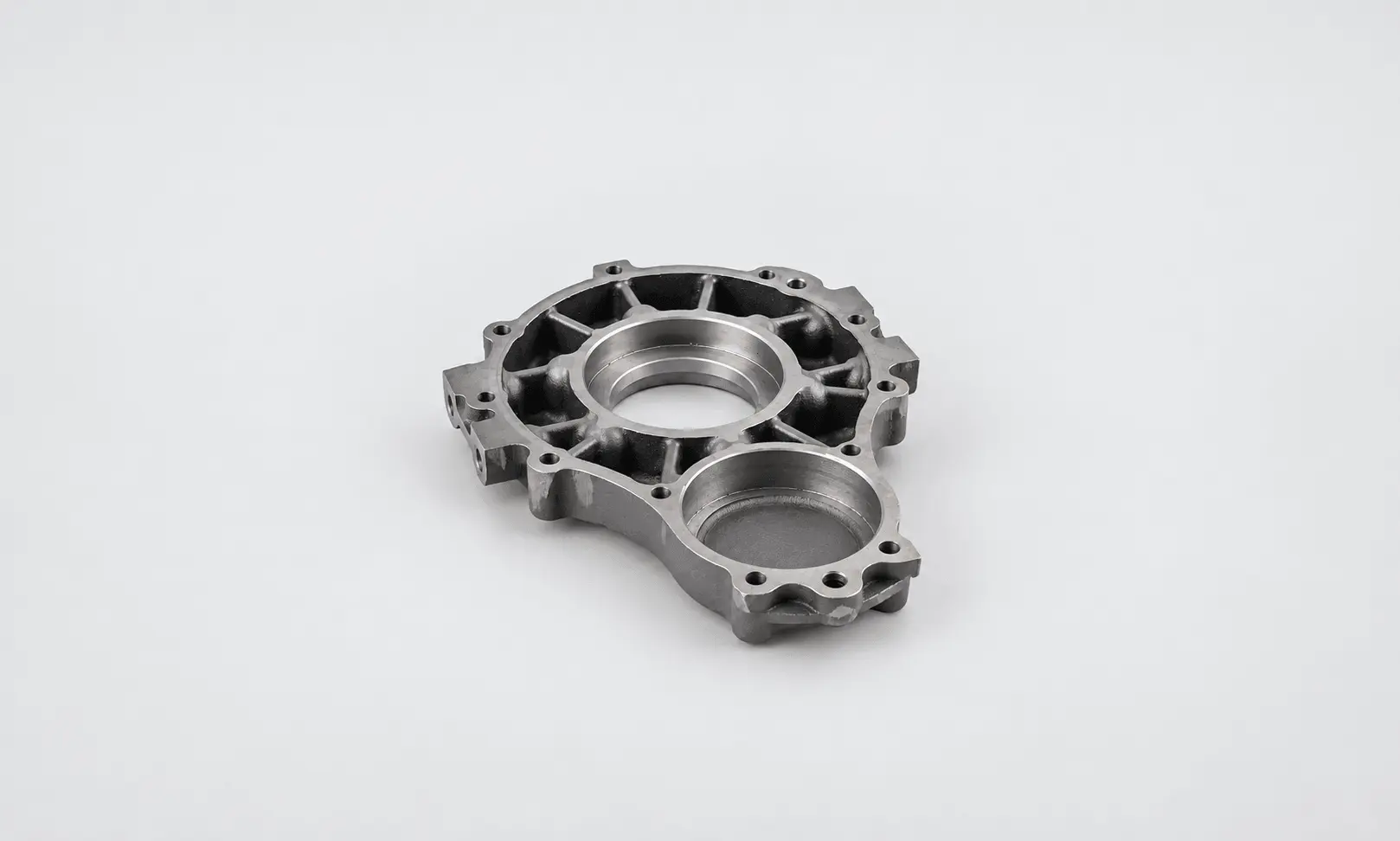
Mastars' aluminum airflow guide case describes a part first evaluated through CNC machining and later considered for die casting. The CNC prototype helped validate features including curved ribs, a central interface, and mounting positions. The proposed casting route required a separate review of draft, wall and rib thickness, parting-line placement, deformation, and machining allowance.
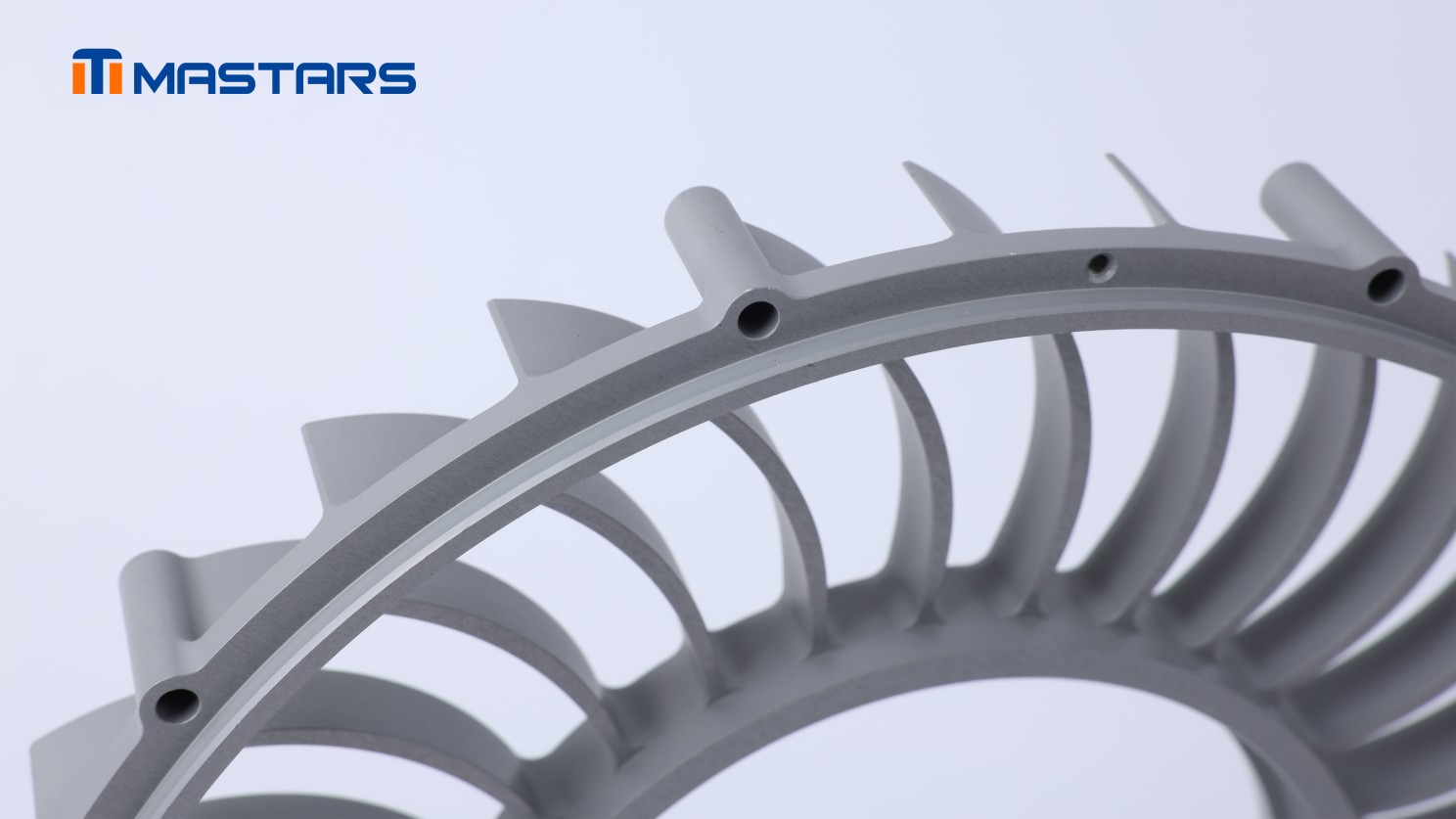
Precision mounting holes support accurate positioning and alignment during assembly verification.
The distinction matters because CNC machining and die casting create geometry in different ways. A feature that is straightforward to machine may require a draft angle or a revised wall transition for casting. The prototype can validate the design's function, but it does not remove the need to review the geometry for the intended production process.
Can On-Demand Manufacturing Reduce Inventory and Waste?
On-demand manufacturing can reduce the need to stock slow-moving or frequently revised components. For maintenance teams, controlled CAD files and manufacturing specifications can act as digital inventory: a replacement part is ordered when needed rather than stored indefinitely. This works best when the part can be reproduced reliably and the equipment can tolerate the manufacturing and delivery lead time.
Before replacing physical stock with on-demand orders, compare four costs and risks:
- Downtime: How much does it cost if a replacement part is unavailable while it is being made and shipped?
- Replenishment: How frequently will small orders create freight, packaging, receiving, and setup costs?
- Production waste: How much material is removed, supported, or scrapped per accepted part? CNC machining can generate substantial chips; additive processes may use support material, and either route can generate rejected parts.
- Obsolescence: Is the component likely to be revised before the next reorder?
Smaller batches do not automatically reduce total material waste. More frequent shipments can increase transport and packaging, while a poorly controlled short run can generate a high proportion of rejected parts. The relevant comparison is the full supply requirement, including accepted parts, scrap, freight, and storage.
For a critical spare part, calculate the cost of downtime against the cost of holding a small safety stock. If a production line would lose more from waiting for a replacement than it costs to store a few units, retaining that stock is the safer choice. Less critical parts with long storage lives and predictable replacement lead times are better candidates for on-demand replenishment.
Conclusion: When Should You Use On-Demand Manufacturing?
Choose on-demand manufacturing when uncertain demand, likely design changes, or high initial tooling costs make a large production commitment difficult to justify. Consider dedicated tooling and higher-volume production when the design is stable and expected demand is sufficient to recover the investment at a lower unit cost.
Before deciding, compare the total cost at your expected quantity and confirm that the process can meet the part's critical dimensions, material, finish, and inspection requirements.
Get a Quote
Send your CAD file or drawing, expected quantity, material requirements, critical dimensions, surface requirements, and target delivery date. If the production process or volume is still undecided, rough information is fine to start. These details provide a basis for comparing feasible routes and identifying the main cost or delivery constraints.
Get a Quote →Frequently Asked Questions
What is the main benefit of on-demand manufacturing?
It reduces the need to commit to large production runs before demand is clear. This can be useful for prototypes, custom parts, and replacement components. The financial benefit is greatest when avoiding excess inventory or upfront tooling matters more than achieving the lowest possible unit cost.
Is on-demand manufacturing cheaper than traditional manufacturing?
It can be cheaper for small batches when traditional production requires substantial tooling or creates excess inventory. At higher quantities, injection molding or die casting may reduce the unit cost enough to offset tooling. Compare total costs at the expected order quantity rather than comparing unit prices alone.
Which process is best for on-demand manufacturing?
CNC machining is a good candidate for many parts with critical machined interfaces. 3D printing suits complex geometry and rapid design iterations, while sheet metal fabrication works well for formed panels and brackets. Injection molding or die casting may be more economical when repeat demand justifies the tooling investment.
What information should I provide to get a quote?
Provide a CAD file or drawing, material or grade, quantity, critical dimensions and tolerances, surface finish, and target delivery date. Identify mating surfaces or other features that affect acceptance. If some details are not final, state your current assumptions so the supplier can flag decisions that may change the quote.
Hot Articles
Hot Tags
Stay Connected!


Manufacturing on Demand
Please fill in the following information to obtain plan details (information is confidential and not disclosed publicly), we will contact you within 24 hours, please keep your phone available!
Upload a 3D/2D model to see instant pricing, lead time, and DFM feedback.