



Precision Transmission Smarter Machining


What These Components Need to Achieve
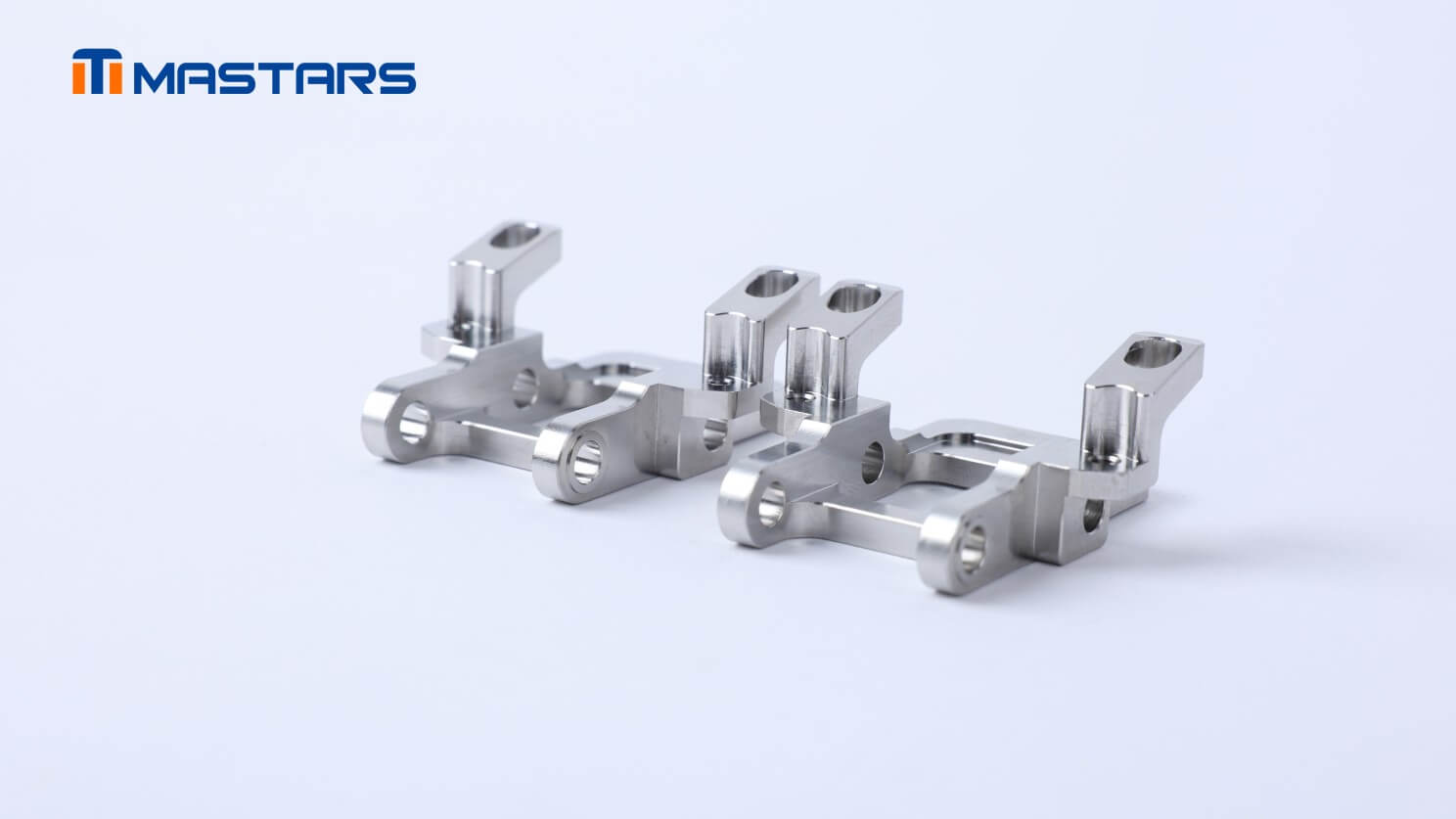
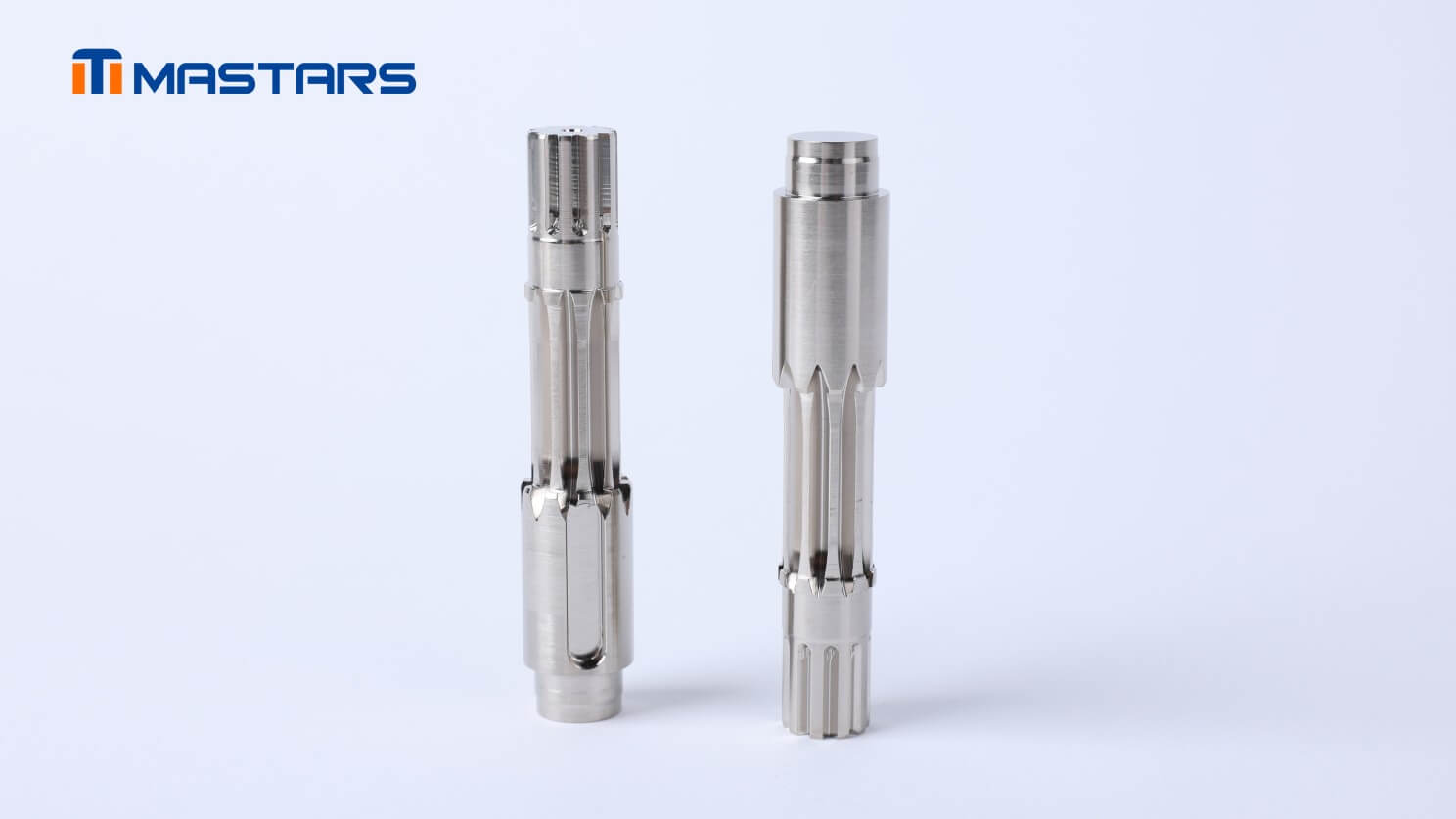
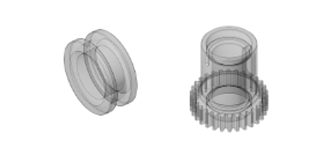
This project combines gears, precision shafts, splined features, and multi-face connecting parts.
These components do not work independently. Gear teeth influence motion transfer, shaft shoulders affect positioning, while grooves, splines, and mounting interfaces determine whether the parts can be assembled as intended.
For the customer, the challenge was not only producing each geometry. The complete set also needed to support fit, movement, and assembly review without adding unnecessary machining time or cost.
Process Planning and Key Machining
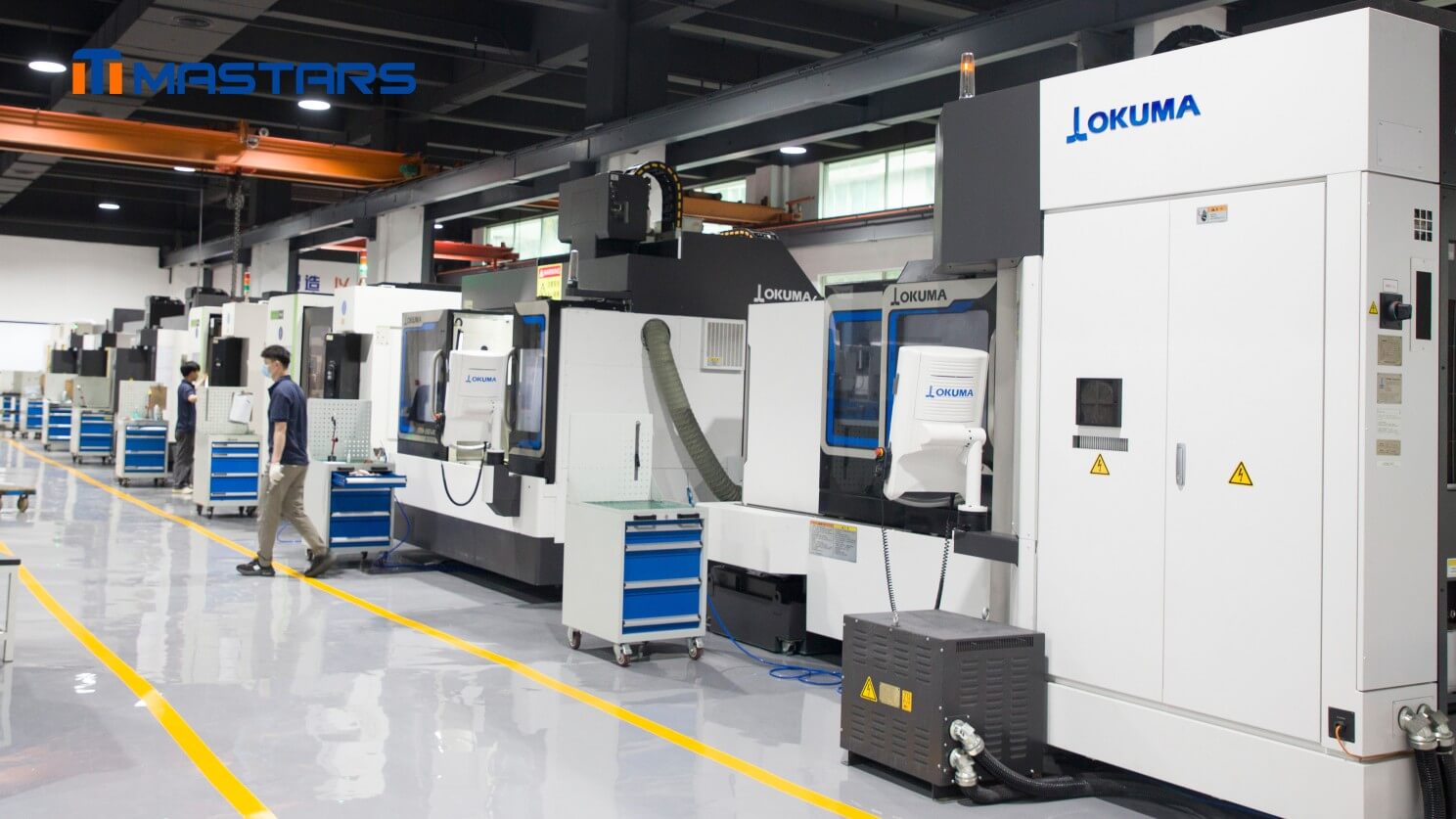
Different geometries require different machining routes. Mastars used CNC turning for shaft diameters, shoulders, grooves, and other rotational features. Multi-face and multi-directional structures were assigned to five-axis machining, thereby improving tool access and reducing repeated repositioning. External teeth were completed through a corresponding gear-machining process. This process allocation helped reduce unnecessary machine hours and repeated setups while keeping the features related to final assembly under control.
Expected Parts and Assembly Readiness
The final delivery was more than a group of individually machined metal parts. The components were prepared to support interface, motion, fit, and assembly review.
To ensure the parts meet downstream assembly requirements, Mastars strictly controls the following key areas:
3 machining processes coordinated: CNC turning, five-axis machining, and gear machining
4 critical feature groups reviewed: gear teeth, shaft shoulders, grooves or splines, and mounting interfaces
2 pre-delivery checks completed: overall appearance and key dimensions
Tooth roots, grooves, edges, and feature transitions checked for residual burrs
Main mating features reviewed before assembly evaluation
From Individual Parts to More Precision Mechanisms
When one project includes gears, shafts, splines, and multi-face structures, the manufacturing focus extends beyond individual dimensions.
The same requirements can appear in:
- Industrial Automation — drive and positioning mechanisms
- Precision Equipment — gears, shafts, and adjustment components
- Electromechanical Products — matched mechanical parts
- Product Development — functional mechanism prototypes
Whether the project involves a transmission assembly, a drive mechanism, or several matching precision parts, early process planning helps control machining time, cost, and assembly risk.
Does your project require different machining processes within one coordinated component set? Share your drawings and assembly requirements with Mastars, and let us review a more efficient manufacturing route.
Save time. Save money.

Mastars, the most trusted one-stop manufacturing services provider for low-volume production worldwide!
Hot Articles
Hot Tags
Stay Connected!


Manufacturing on Demand
Please fill in the following information to obtain plan details (information is confidential and not disclosed publicly), we will contact you within 24 hours, please keep your phone available!
Upload a 3D/2D model to see instant pricing, lead time, and DFM feedback.